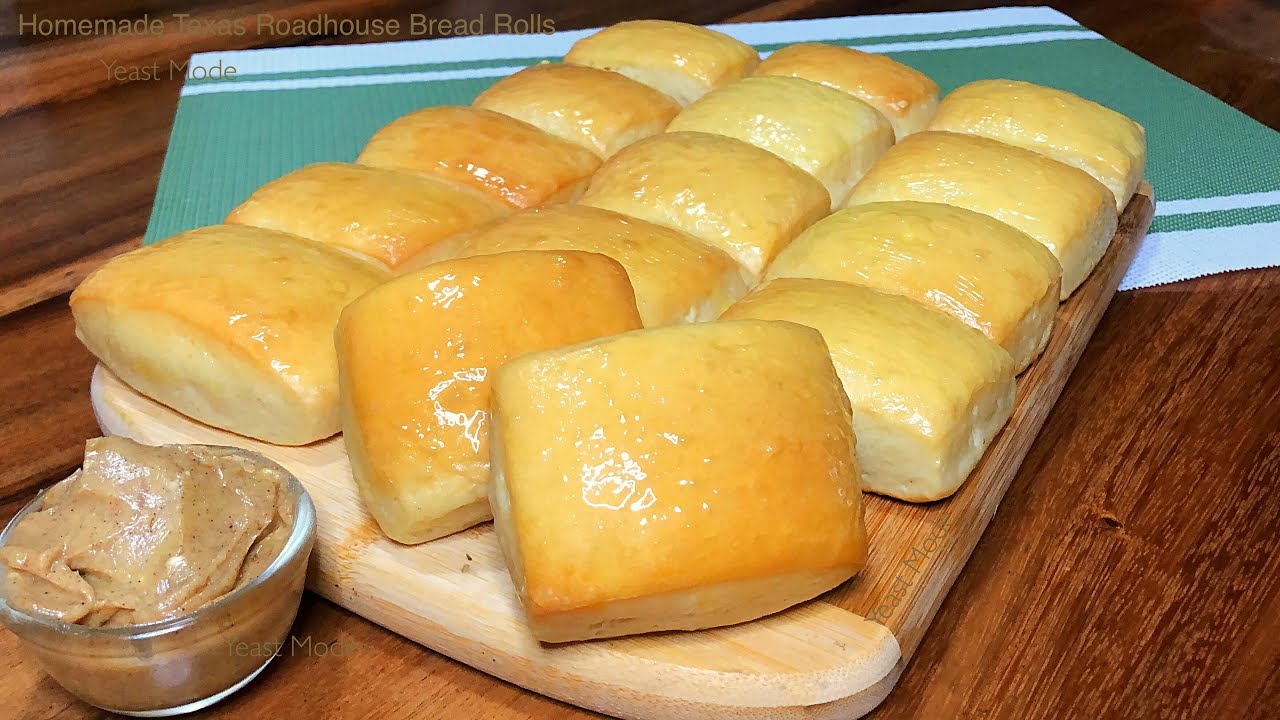
Texas Roadhouse Bread Recipe: There’s something almost magical about that first basket of warm bread arriving at your table at Texas Roadhouse. It’s soft, slightly sweet, fluffy as a pillow, and paired with that irresistible honey cinnamon butter. Before you even glance at the menu, you’re already reaching for a second roll. Sound familiar?
The good news? You don’t have to wait for your next restaurant visit to enjoy it. You can recreate that same soft, golden, melt-in-your-mouth bread right in your own kitchen. And honestly, once you make it from scratch, you may never look at store-bought rolls the same way again.
This step-by-step guide walks you through everything you need to know. From choosing the right ingredients to baking them to golden perfection, every detail matters. But don’t worry—this isn’t complicated or intimidating. If you can mix, knead, and wait patiently for dough to rise, you can absolutely make these rolls.
Ready to bring that warm, buttery aroma into your kitchen? Let’s dive in.
What Makes Texas Roadhouse Bread So Special?
What sets Texas Roadhouse bread apart from ordinary dinner rolls? It’s the texture and flavor balance. These rolls are incredibly soft and fluffy, yet sturdy enough to hold a generous swipe of honey butter. They have a subtle sweetness that doesn’t overpower your meal but enhances it.
Unlike crusty artisan bread, these rolls are all about tenderness. The dough is enriched with milk, sugar, and butter, giving it that signature softness. The slightly golden brown top adds just the right amount of structure without becoming crispy.
Another key factor? Freshness. These rolls are served warm, and that warmth makes all the difference. When bread is warm, the aroma intensifies, the butter melts instantly, and each bite feels comforting and indulgent.
The rectangular shape is also iconic. Instead of traditional round rolls, Texas Roadhouse bread is cut into squares or rectangles before baking. It’s a small detail, but it adds to the authenticity.
In short, it’s not just bread. It’s an experience.
Ingredients You’ll Need
Before you start mixing, let’s gather everything. Using the right ingredients—and measuring them properly—makes all the difference between average rolls and restaurant-quality bread.
Dry Ingredients
- 4 cups all-purpose flour
- 2 ¼ teaspoons active dry yeast (1 packet)
- ¼ cup granulated sugar
- 1 teaspoon salt
Flour forms the structure of the bread. All-purpose flour works perfectly here, giving the rolls softness without being too dense. The yeast is what gives the bread its airy texture. Sugar feeds the yeast and adds that subtle sweetness we all love. Salt balances the flavor and strengthens the dough.
Wet Ingredients
- 1 cup warm milk (about 110°F)
- ¼ cup warm water (about 110°F)
- 3 tablespoons unsalted butter, melted
- 1 large egg
Warm milk enriches the dough and contributes to the soft texture. The water helps activate the yeast. Melted butter adds richness and moisture, while the egg enhances structure and tenderness.
Optional Add-Ons for Extra Flavor
- 1 tablespoon honey (for extra sweetness)
- Extra melted butter for brushing after baking
These aren’t mandatory, but they elevate the flavor beautifully.
Kitchen Tools Required
You don’t need professional equipment, but having the right tools makes the process smoother.
- Large mixing bowl
- Measuring cups and spoons
- Stand mixer with dough hook (optional but helpful)
- Clean kitchen towel
- Baking sheet
- Parchment paper
- Pastry brush
If you don’t have a stand mixer, don’t worry. Kneading by hand works just as well—it just requires a little extra effort.
Bread-making is more about patience than fancy equipment. As long as you follow the steps carefully, your rolls will turn out amazing.
Step-by-Step Guide to Making Texas Roadhouse Bread
Let’s break it down into simple, manageable steps.
Step 1: Activating the Yeast
Begin by warming your milk until it’s lukewarm—not hot. Stir in sugar and sprinkle the yeast over the top. Let it sit for 5–10 minutes until foamy. This step ensures the yeast is alive and ready to create soft, fluffy bread.
Step 2: Mixing the Dough
In a large bowl, combine the yeast mixture with melted butter, honey, eggs, and salt. Gradually add flour while mixing until a soft, slightly sticky dough forms. The dough should pull away from the sides but remain tender.
Step 3: Kneading for the Perfect Texture
Turn the dough onto a lightly floured surface and knead for about 8–10 minutes. You’re aiming for a smooth, elastic dough that springs back when pressed. Proper kneading develops gluten, giving the bread its signature soft chew.
Step 4: First Rise – Letting the Dough Rest
Place the dough in a greased bowl, cover, and let it rise in a warm spot for about 1–1½ hours, or until doubled in size. This rise allows flavor to develop and creates an airy texture.
Step 5: Shaping the Rolls
Punch down the dough gently to release excess air. Roll it out and cut into equal-sized pieces. Shape each piece into a rectangle or oval, just like the classic Texas Roadhouse rolls.
Step 6: Second Rise – Building Softness
Arrange the shaped rolls on a lined baking sheet, cover, and let them rise again for 30–45 minutes. This second rise is key to achieving extra-soft, pillowy bread.
Step 7: Baking to Golden Perfection
Bake in a preheated oven at 350°F (175°C) for 12–15 minutes until lightly golden. Brush warm rolls with melted butter and serve fresh for that irresistible Texas Roadhouse-style finish.
How to Make the Famous Honey Cinnamon Butter
What’s Texas Roadhouse bread without that sweet, creamy honey cinnamon butter? The good news is—it’s incredibly simple to make.
Ingredients:
- ½ cup unsalted butter (softened)
- ¼ cup powdered sugar
- 2 tablespoons honey
- 1 teaspoon ground cinnamon
In a mixing bowl, combine softened butter, powdered sugar, honey, and cinnamon. Beat until smooth and fluffy. You can use a hand mixer or simply whisk vigorously by hand.
The texture should be light, creamy, and easy to spread. If it feels too thick, let the butter soften more at room temperature. Avoid melting the butter—it should stay whipped and airy.
The flavor balance is key. The honey adds sweetness, while cinnamon gives warmth and depth. Spread it generously over a warm roll and watch it melt into every soft crevice.
Store any leftover butter in the refrigerator, but bring it to room temperature before serving for the best texture.
Tips for Getting That Signature Soft Texture
Want bakery-quality softness every time? Keep these simple tips in mind:
- Use warm, not hot, liquid when activating yeast.
- Avoid adding too much flour. Slightly sticky dough equals softer rolls.
- Don’t skip either rise.
- Brush with butter immediately after baking.
- Avoid overbaking.
Another helpful trick is measuring flour correctly. Instead of scooping directly with the measuring cup, spoon flour into the cup and level it off. Too much flour leads to dense bread.
Soft bread is all about moisture and proper gluten development. Handle the dough gently and resist the urge to rush the process.
Common Mistakes to Avoid
Even simple recipes can go wrong if you’re not careful. Here are common mistakes and how to avoid them:
- Using expired yeast – Always check the date.
- Overheating the milk – Too hot liquid kills yeast.
- Adding excess flour – Makes rolls dry and dense.
- Skipping the second rise – Leads to flat rolls.
- Overbaking – Results in dry texture.
Bread-making isn’t difficult—but it does require attention. Small details create big differences.
How to Store and Reheat Your Bread
If you have leftovers (which is rare), store the rolls in an airtight container at room temperature for up to 3 days.
To reheat:
- Wrap in foil and warm in a 300°F oven for 5–7 minutes.
- Microwave for 10–15 seconds with a damp paper towel to prevent drying.
Reheating restores softness and warmth, making them taste freshly baked again.
Freezing Instructions for Later Use
These rolls freeze beautifully. Let them cool completely, then place them in a freezer-safe bag.
They can be frozen for up to 3 months. To reheat:
- Thaw at room temperature.
- Warm in the oven at 300°F for 8–10 minutes.
You can also freeze unbaked shaped rolls. Just thaw, allow to rise, and bake as usual.
Freezing makes this recipe perfect for meal prep or holiday planning.
Nutritional Information Overview
While exact values vary depending on portion size, one roll typically contains:
| Nutrient | Approximate Amount |
|---|---|
| Calories | 180–200 kcal |
| Carbohydrates | 28g |
| Protein | 5g |
| Fat | 5–6g |
| Sugar | 6g |
The honey cinnamon butter will add additional calories, but it’s worth every bite.
Serving Suggestions
These rolls pair perfectly with:
- Grilled steak
- BBQ chicken
- Roasted vegetables
- Hearty soups
- Holiday dinners
They also make fantastic mini sandwich buns. Slice one open and fill it with turkey, ham, or pulled pork.
Honestly, they’re versatile enough to complement almost any savory dish.
FAQs about Texas Roadhouse Bread Recipe
1. Can I use instant yeast instead of active dry yeast?
Yes. Instant yeast can be substituted in equal amounts and mixed directly with the dry ingredients. There’s no need to activate it in warm liquid first.
2. Can I make the dough ahead of time?
Absolutely. After the first rise, place the dough in the refrigerator overnight. When ready to bake, let it come to room temperature before shaping and proceeding with the second rise.
3. Why didn’t my rolls rise properly?
This is usually caused by inactive yeast or liquid that was too hot and killed the yeast. Always check the yeast’s freshness and use lukewarm liquids.
4. Can I use whole wheat flour?
Yes, you can replace up to 50% of the all-purpose flour with whole wheat flour. Keep in mind that the rolls will be slightly denser.
5. How do I keep the rolls soft the next day?
Store them in an airtight container at room temperature. Reheat gently before serving to restore softness.
Conclusion
Making Texas Roadhouse bread at home isn’t complicated—it just takes patience and the right technique. With simple pantry ingredients and a little time, you can recreate those soft, sweet, buttery rolls in your own kitchen.
The secret lies in properly activating the yeast, kneading thoroughly, allowing two full rises, and brushing with butter immediately after baking. Pair them with homemade honey cinnamon butter, and you’ll have a restaurant-quality experience without leaving home.
Once you taste that first warm bite, you’ll understand why these rolls are so famous. And the best part? You can make them anytime you crave that comforting, bakery-fresh flavor.