Tea Masala Recipe: There’s something magical about a steaming cup of masala chai. The aroma hits you first — warm, spicy, slightly sweet — and before you even take a sip, you know it’s going to be comforting. At the heart of that flavor lies one powerful ingredient: tea masala.
If you’ve ever wondered how to make authentic tea masala at home, you’re in the right place. This simple and classic recipe will guide you step by step so you can prepare a fresh, aromatic spice blend that transforms your everyday tea into something extraordinary.
Let’s dive in.
What Is Tea Masala?
Tea masala is a fragrant blend of whole spices used to flavor Indian masala chai. “Masala” simply means a mix of spices. While every household has its own version, the base ingredients typically include cardamom, cinnamon, cloves, ginger, and black pepper.
Think of tea masala as the soul of masala chai. Without it, you’re just drinking milk tea. With it, you’re experiencing layers of warmth, spice, and depth.
The beauty of tea masala lies in its flexibility. You can adjust the spice levels depending on your preference — mild and aromatic or bold and fiery. Homemade tea masala also allows you to control freshness, ensuring that every cup bursts with flavor.
Why Homemade Tea Masala Is Better
You might find ready-made tea masala at grocery stores, but homemade always wins. Why?
First, freshness. Whole spices release essential oils when roasted and ground, giving your tea a vibrant flavor that store-bought blends often lack.
Second, customization. Prefer a stronger cardamom flavor? Love the heat of ginger? You can tweak the ratios to match your taste.
Third, purity. When you prepare tea masala at home, you know exactly what goes into it — no additives, preservatives, or fillers.
Once you try homemade tea masala, going back to packaged versions feels like switching from fresh coffee to instant powder.
Ingredients You’ll Need
Here’s a classic and balanced tea masala blend.
Whole Spices
- 2 tablespoons green cardamom pods
- 1 tablespoon whole cloves
- 2-inch cinnamon stick
- 1 tablespoon black peppercorns
- 1 teaspoon fennel seeds (optional but recommended)
- 1 tablespoon dry ginger powder (or 1-inch dried ginger piece)
Optional Add-Ins
- 1 small nutmeg (grated)
- 2–3 star anise
- A few tulsi (holy basil) leaves, dried
These optional ingredients enhance complexity, but the classic five-spice blend is enough for a traditional taste.
Choosing the Best Spices for Maximum Flavor
The secret to exceptional tea masala starts with quality ingredients. Always use whole spices instead of pre-ground ones. Whole spices retain their essential oils longer and deliver stronger flavor when freshly ground.
Look for:
- Bright green cardamom pods (not pale or dry)
- Firm cinnamon sticks with a sweet aroma
- Cloves that are dark brown and oily
- Peppercorns that are solid and heavy
Fresh spices make all the difference. If your spices have been sitting in your pantry for years, it’s time for an upgrade.
Tools Required for Making Tea Masala
You don’t need fancy equipment. Keep it simple:
- A heavy-bottomed pan
- A spice grinder or mixer grinder
- An airtight glass jar
That’s it. Traditional methods often use a mortar and pestle, which works beautifully if you prefer a slightly coarse texture.
Step-by-Step Guide to Make Tea Masala
Step 1: Measure the Spices
Start by measuring all your spices accurately. Consistency matters, especially if you want the same flavor every time.
Keep everything ready before you begin roasting. Preparation makes the process smooth and efficient.
Step 2: Dry Roast the Spices
Heat a heavy-bottomed pan on low flame. Add cardamom, cloves, cinnamon, black peppercorns, and fennel seeds.
Roast on low heat for 2–3 minutes. Stir continuously to prevent burning. You’ll notice a strong aroma filling your kitchen — that’s when you know the spices are ready.
Do not over-roast. Burnt spices turn bitter and ruin the blend.
If using dried ginger pieces instead of powder, roast them as well.
Step 3: Cool the Spices Completely
Remove the roasted spices from the pan and spread them on a plate. Let them cool completely before grinding.
Grinding hot spices creates moisture and clumps, which affects texture and shelf life.
Patience here pays off.
Step 4: Grind Into a Fine Powder
Transfer the cooled spices into a grinder. Grind until you achieve a fine powder.
If adding nutmeg, grate it directly into the grinder before blending.
Sieve the powder if you prefer a smoother consistency. Store any coarse residue separately or grind again.
The aroma at this stage is intense and irresistible.
Step 5: Store Properly
Transfer the tea masala powder into an airtight glass jar. Store it in a cool, dry place away from direct sunlight.
Proper storage preserves freshness for up to 3–4 months.
How to Use Tea Masala in Chai
Making masala chai is simple:
- Boil 1 cup water.
- Add ½ teaspoon tea masala.
- Add 1 teaspoon tea leaves.
- Simmer for 1–2 minutes.
- Add 1 cup milk and sugar to taste.
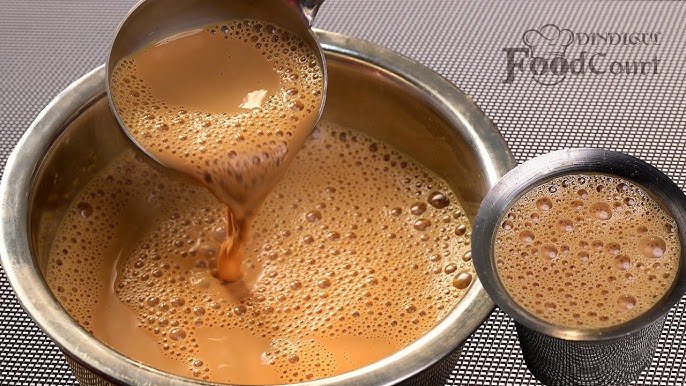
- Boil again until frothy.
- Strain and serve hot.
Adjust the quantity depending on how strong you like your chai.
Tips for Perfectly Balanced Tea Masala
- Always roast on low heat.
- Use small batches to maintain freshness.
- Adjust black pepper if you prefer less heat.
- Add more cardamom for a sweeter aroma.
- Grind in short pulses to avoid overheating.
Balance is key. The spices should complement, not overpower, each other.
Storage Tips and Shelf Life
Tea masala stays fresh for about 3–4 months when stored properly. Always use a dry spoon while scooping.
If the aroma fades significantly, it’s time to make a fresh batch.
For longer storage, you can refrigerate it, but ensure the container is tightly sealed to prevent moisture.
Variations of Tea Masala
Different regions in India prepare tea masala differently.
- North Indian Style: Strong on ginger and black pepper.
- Gujarati Style: Slightly sweet with fennel dominance.
- Kashmiri Style: Includes saffron and mild spices.
Feel free to experiment. That’s the beauty of homemade spice blends.
Common Mistakes to Avoid
- Over-roasting the spices
- Grinding while hot
- Using stale spices
- Adding too much masala to tea
- Storing in plastic containers
Avoid these, and your tea masala will always taste fresh and vibrant.
Health Benefits of Tea Masala Spices
Tea masala isn’t just flavorful — it’s also packed with health benefits.
- Cardamom: Supports digestion
- Cloves: Rich in antioxidants
- Cinnamon: Helps regulate blood sugar
- Black Pepper: Boosts metabolism
- Ginger: Reduces inflammation
Together, these spices create a comforting drink that feels as good as it tastes.
FAQs about Tea Masala Recipe
1. Can I skip roasting the spices?
Yes, you can skip roasting if you prefer a milder, fresher-tasting blend. However, lightly roasting the spices helps release their essential oils, giving the tea masala a deeper, more aromatic flavor.
2. How much tea masala should I use per cup?
About ½ teaspoon per cup is ideal for a balanced flavor. If you like your tea bolder and spicier, you can add a little more. It’s best to start small and adjust to taste.
3. Can I use fresh ginger instead of dried?
Fresh ginger works wonderfully when added directly to brewing tea, but it’s not suitable for making powdered tea masala. Dried ginger is preferred for shelf-stable spice blends.
4. Is tea masala the same as chai masala?
Yes. Tea masala and chai masala are essentially the same and are often used interchangeably, depending on regional preference and naming.
5. Can I add this masala to black tea without milk?
Absolutely. Tea masala adds warmth, spice, and depth to plain black tea, making it flavorful even without milk.
Conclusion
Tea masala is more than a spice blend — it’s tradition, comfort, and warmth in powdered form. Making it at home is simple, quick, and incredibly rewarding. With just a handful of whole spices and a few minutes in the kitchen, you can create a blend that transforms ordinary tea into authentic masala chai.
Fresh, aromatic, and customizable — homemade tea masala truly elevates your daily tea ritual.
Try this classic recipe once, and it will become a permanent part of your kitchen.