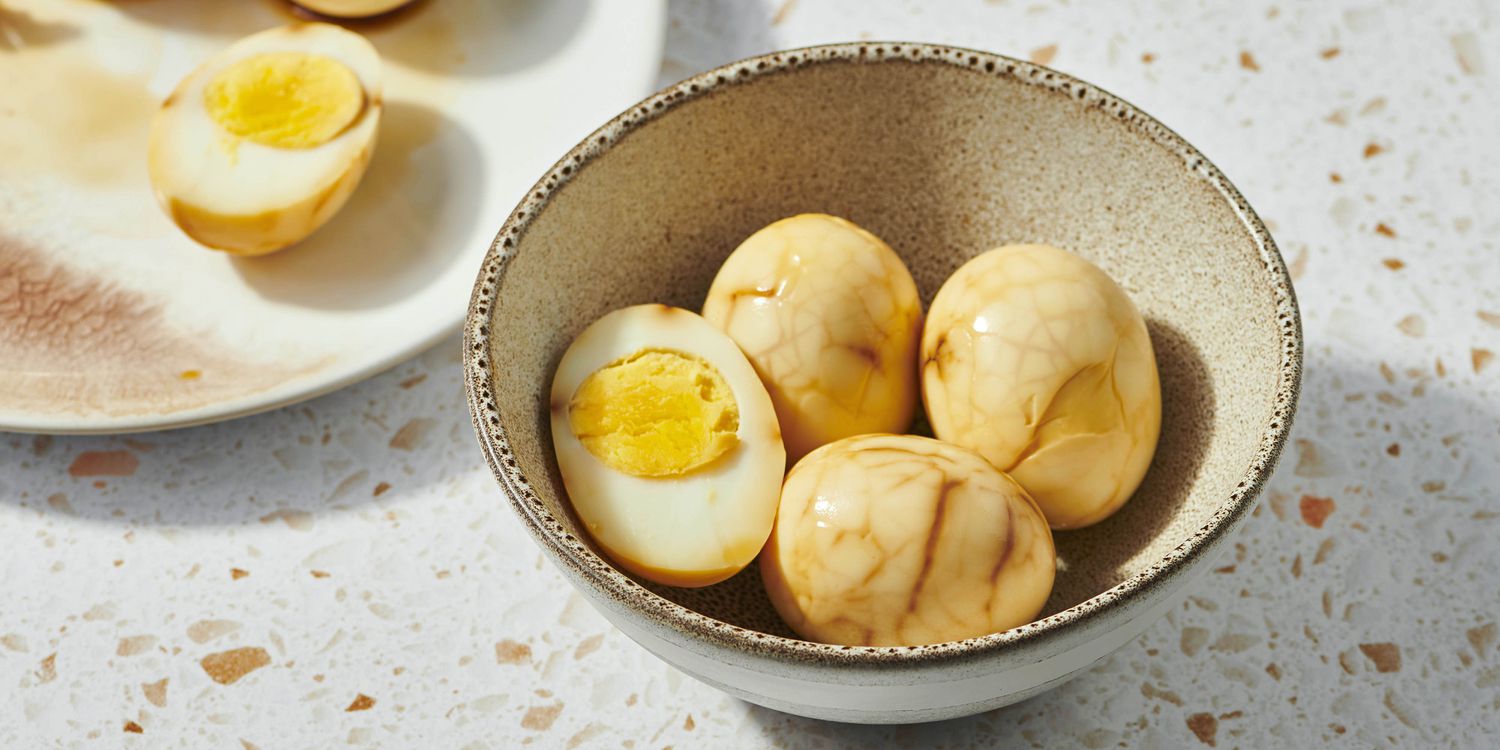
Chinese Tea Eggs Recipe: Chinese tea eggs are one of those humble snacks that surprise you with their depth of flavor. At first glance, they look like ordinary boiled eggs. But crack open the shell, and you’ll find a beautiful marble pattern etched across the surface, like delicate ink strokes on porcelain. Take a bite, and the aroma of soy sauce, tea, and warming spices gently unfolds.
This traditional street snack is commonly sold at night markets, convenience stores, and even train stations throughout China and Taiwan. It’s affordable, protein-packed, and incredibly satisfying. What makes it special isn’t complicated technique or fancy ingredients. It’s time. Time allows the eggs to absorb a fragrant tea and spice infusion that transforms them from simple to unforgettable.
The best part? You can easily recreate this classic recipe at home with pantry staples. No advanced cooking skills required. Just a little patience and the right balance of flavors.
Let’s dive into this simple and classic Chinese tea eggs recipe step by step.
Why You’ll Love This Simple and Classic Recipe
If you enjoy bold flavors without complicated preparation, this recipe is for you. Chinese tea eggs are straightforward, yet they taste like something that took hours of expert craftsmanship.
Here’s why they’re so loved:
- Budget-friendly ingredients
- High in protein
- Perfect as a snack or side dish
- Easy to prepare in large batches
- Even better the next day
Think of them as the savory cousin of deviled eggs — but with an Asian twist. They’re aromatic, slightly salty, subtly sweet, and deeply comforting.
The marinade is what truly elevates these eggs. Black tea provides a gentle tannic depth, soy sauce adds umami, and spices like star anise and cinnamon create warmth. Together, they create a layered flavor profile that feels both rich and balanced.
The Cultural Significance of Tea Eggs in China
Tea eggs have been enjoyed for generations across China. They are especially popular as street food and are often eaten for breakfast with soy milk and steamed buns.
In many cities, you’ll see large metal pots simmering away, filled with eggs soaking in dark tea broth. The longer they sit, the more flavorful they become. Vendors often keep the same broth going for days, continuously replenishing it — almost like a master stock.
Tea eggs symbolize comfort and simplicity. They are practical food — portable, affordable, and filling. For travelers on long train rides, they’re a reliable companion. For students and workers, they’re a quick protein boost.
Bringing this recipe into your kitchen connects you to that tradition. It’s simple food with a long history.
List of Ingredients You’ll Need
Here’s everything required to make classic Chinese tea eggs:
- 8 large eggs
- 2 tablespoons black tea leaves (or 2 black tea bags)
- 3 tablespoons light soy sauce
- 1 tablespoon dark soy sauce (for deeper color)
- 1 small cinnamon stick
- 2 whole star anise
- 1 teaspoon Sichuan peppercorns (optional)
- 2 bay leaves
- 1 teaspoon sugar
- 1 teaspoon salt
- 4 cups water
These ingredients create a balanced marinade — savory, aromatic, slightly sweet, and deeply satisfying.
Kitchen Tools Required
You don’t need fancy equipment. Just basic kitchen tools:
- Medium pot with lid
- Spoon
- Slotted spoon
- Bowl of ice water
- Measuring spoons
Simple tools, classic results.
Step-by-Step Guide to Making Chinese Tea Eggs
Step 1: Preparing the Eggs
Place the eggs in a single layer in a pot. Add enough cold water to cover them by about one inch.
Bring the water to a gentle boil over medium heat. Once boiling, reduce the heat slightly and cook for about 7–8 minutes for firm, fully cooked eggs.
Remove the eggs and immediately transfer them to a bowl of ice water. This stops the cooking process and makes peeling easier later.
Let them cool completely.
Step 2: Cracking the Shells
Once cooled, gently tap each egg with the back of a spoon to create small cracks all over the shell. Do not peel them.
This is the secret to the signature marble pattern. The cracks allow the tea marinade to seep in, staining the egg whites with beautiful dark lines.
Be gentle — you want cracks, not broken shells.
Step 3: Preparing the Tea Marinade
In the same pot, combine:
- 4 cups water
- Black tea
- Soy sauces
- Cinnamon stick
- Star anise
- Bay leaves
- Sichuan peppercorns
- Sugar
- Salt
Bring everything to a boil. Then reduce to a simmer for about 5 minutes to allow the spices to release their aroma.
The kitchen will begin to smell incredible — warm, savory, and slightly sweet.
Step 4: Simmering the Eggs
Carefully add the cracked eggs into the simmering tea mixture.
Lower the heat and let them simmer gently for 20–30 minutes. Avoid a rolling boil, as that can toughen the eggs.
The longer they simmer, the deeper the flavor.
Step 5: Steeping for Maximum Flavor
Turn off the heat but leave the eggs in the pot.
For best results, let the eggs steep in the liquid for at least 4 hours. Overnight is even better.
This resting period is when the magic happens. The eggs absorb the complex flavors, becoming deeply seasoned all the way through.
Tips for Achieving the Perfect Marble Effect
- Crack evenly across the entire shell.
- Avoid peeling before marinating.
- Let the eggs steep longer for darker lines.
The finer the cracks, the more delicate the pattern.
How Long to Marinate for Best Results
Minimum: 4 hours
Ideal: 12–24 hours
If you love bold flavor, let them sit overnight in the refrigerator. The difference is noticeable.
Storage and Shelf Life
Store tea eggs in their marinade in an airtight container in the refrigerator.
They last up to 4–5 days. The flavor continues to deepen over time.
Reheat gently or enjoy cold.
Serving Suggestions
Chinese tea eggs are incredibly versatile. You can:
- Enjoy them as a snack
- Serve with rice porridge
- Add to noodle soups
- Pair with steamed buns
They’re also great in lunch boxes.
Common Mistakes to Avoid
- Boiling too hard (leads to rubbery eggs)
- Not cracking shells enough
- Skipping the steeping time
- Using too little soy sauce
Patience and balance are key.
Variations You Can Try
- Add orange peel for citrus notes
- Use green tea for a lighter flavor
- Add chili flakes for heat
- Replace sugar with rock sugar
Each variation brings a unique twist.
Health Benefits of Chinese Tea Eggs
Tea eggs are high in protein and relatively low in calories. Eggs provide essential amino acids, vitamins B12 and D, and healthy fats.
Black tea contains antioxidants, which may support overall health. Since the recipe uses minimal oil, it remains a wholesome snack option.
Moderation is important due to sodium content, but enjoyed occasionally, tea eggs are a nutritious choice.
FAQs about Chinese Tea Eggs Recipe
1. Can I reuse the marinade?
Yes, you can reuse the marinade once or twice. Store it in the refrigerator and always bring it to a full boil before reusing to ensure it’s safe and flavorful.
2. Can I use green tea instead of black tea?
Yes, green tea works, but the flavor will be lighter and more subtle. Black tea gives tea eggs their deep, classic taste and darker color.
3. Why are my eggs not very flavorful?
This usually means they haven’t steeped long enough. Letting the eggs marinate for 12–24 hours allows the flavors to fully develop.
4. Can I make tea eggs without star anise?
Absolutely. Star anise adds a traditional aroma, but the eggs will still be delicious without it. You can substitute with cinnamon or cloves if desired.
5. Are tea eggs eaten hot or cold?
Both options work perfectly. Enjoy them warm for comfort or cold straight from the fridge for a refreshing, savory snack.
Conclusion
Chinese tea eggs prove that simple ingredients can create extraordinary flavor. With just eggs, tea, soy sauce, and a few spices, you can recreate a beloved street snack right in your own kitchen.
The process is straightforward: boil, crack, simmer, steep. That’s it. The result? Beautifully marbled eggs infused with warm, savory depth.
Once you try them, you’ll understand why they’ve remained popular for generations. Simple. Classic. Timeless.