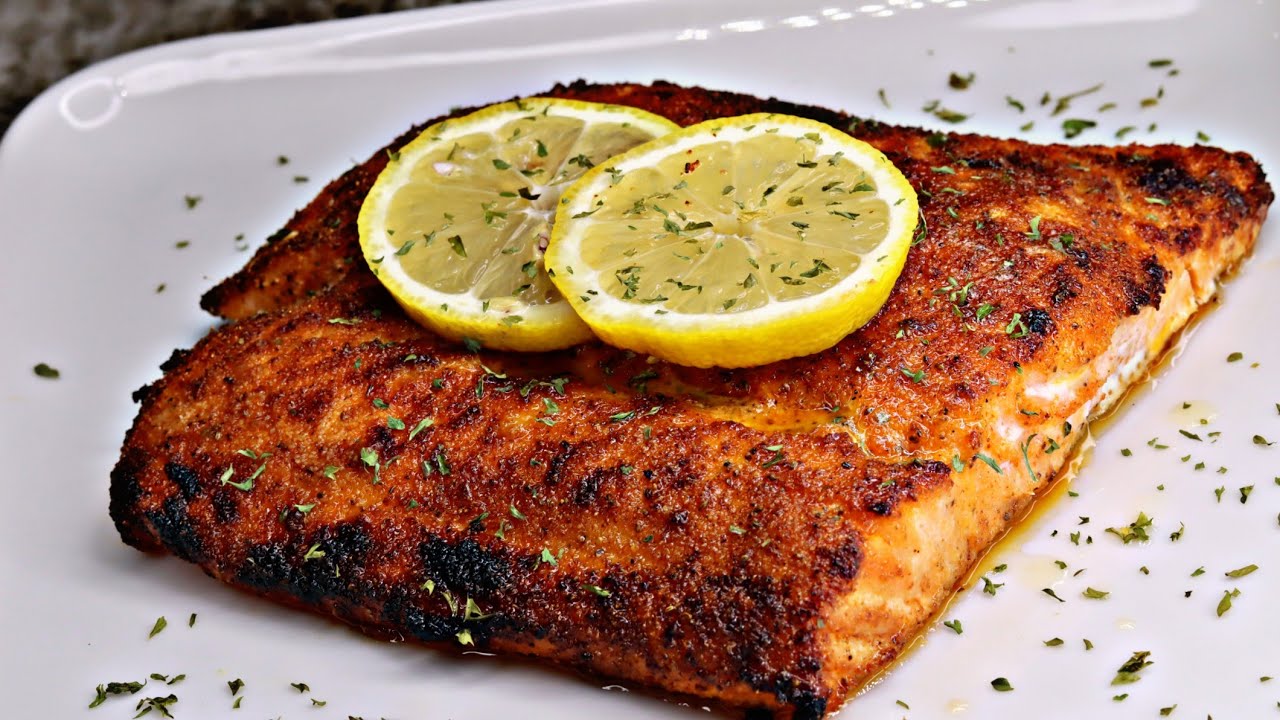
Baked Salmon Recipe: Baked salmon is one of those dishes that checks all the boxes—easy to make, insanely flavorful, and packed with nutrients. Whether you’re a beginner in the kitchen or someone who’s cooked for years, this dish is a no-fail winner.
With the right ingredients and a foolproof process, you’ll get restaurant-quality salmon right in your home. This guide walks you through every single step, no fluff—just real, tasty results.
Why Baked Salmon is a Must-Try
What makes baked salmon so appealing? It’s healthy, simple, and incredibly versatile. You can whip it up in under 30 minutes and still impress guests or enjoy a gourmet dinner solo. Baking salmon enhances its natural flavor, retains moisture, and requires less oil than pan-frying or grilling. Plus, it’s a crowd-pleaser whether you like it lemony, garlicky, or with a spicy twist. There’s also way less mess involved—no splattering oil, no flipping required, just pop it in the oven and let the magic happen.
Health Benefits of Eating Salmon
Salmon isn’t just tasty—it’s a powerhouse of nutrition. It’s high in omega-3 fatty acids, which help lower inflammation and support brain health. It’s also rich in B vitamins, potassium, and selenium. Regular consumption of salmon can help reduce the risk of heart disease, support eye health, and even improve your mood. It’s lean, packed with high-quality protein, and low in saturated fat. Whether you’re on a fitness journey or just looking for better meal options, salmon is a smart pick.
What You’ll Love About This Recipe
- Quick & Easy – Ready in under 30 minutes
- Minimal Ingredients – You probably already have most of them at home
- Customizable – Add your favorite herbs and spices
- Healthy – High in protein and good fats
- Beginner-Friendly – No fancy techniques required
- Perfect Every Time – Juicy, flaky, and packed with flavor
Choosing the Best Salmon for Baking
Fresh vs. Frozen
If you have access to high-quality fresh salmon, go for it. But don’t sleep on frozen—just make sure it’s properly thawed before baking. Frozen salmon often comes pre-portioned, which can save you prep time.
Wild-Caught vs. Farm-Raised
- Wild-Caught: Richer in flavor, leaner, and higher in minerals.
- Farm-Raised: More widely available, fattier (which means a softer texture), and slightly milder in flavor.
Your choice depends on your taste preference and budget. Both can work beautifully in a baked recipe.
Kitchen Tools You’ll Need
- Baking dish or sheet pan
- Parchment paper or foil
- Sharp knife
- Small mixing bowl
- Measuring spoons
- Basting brush (optional)
- Instant-read thermometer (helpful but not necessary)
Ingredients You’ll Need
Here’s a simple list of ingredients to get you started. Feel free to tweak it based on your taste:
- 4 salmon fillets (skin-on or skinless)
- 2 tablespoons olive oil or melted butter
- 2 garlic cloves (minced)
- 1 lemon (zested and sliced)
- Salt and black pepper to taste
- 1 teaspoon paprika or smoked paprika
- Fresh herbs (like parsley, dill, or thyme)
These basic ingredients form the flavor base. Keep reading for add-ons that can take it up a notch.
Optional Ingredients for Added Flavor
Want to elevate the taste? Consider these add-ins:
- Honey or maple syrup for a sweet glaze
- Dijon mustard for a tangy punch
- Soy sauce or teriyaki for an Asian-inspired profile
- Crushed red pepper flakes for heat
- Sliced onions or cherry tomatoes for extra moisture and aroma
Mix and match these extras to find your signature version.
Prepping the Salmon – Do’s and Don’ts
Do:
- Pat the salmon dry with paper towels
- Remove any visible bones with tweezers
- Bring salmon to room temp (10–15 minutes out of the fridge)
Don’t:
- Over-season (let the salmon shine)
- Skip the oil or butter (prevents dryness)
- Overcrowd the pan (leads to uneven cooking)
These simple tips can make the difference between an okay dinner and a mouthwatering masterpiece.
How to Make Baked Salmon – Step by Step Guide
Step 1: Preheat Your Oven
Set your oven to 400°F (200°C). This is the sweet spot that allows salmon to cook evenly while forming a lightly crisped top layer. While your oven heats, you’ll get everything else ready.
Step 2: Prepare Your Baking Dish
Line a baking sheet or dish with parchment paper or aluminum foil. This helps keep the salmon from sticking and makes cleanup super easy. Lightly brush the surface with olive oil or spray with non-stick cooking spray.
Step 3: Pat Dry the Salmon
Use paper towels to pat the fillets completely dry. This step ensures the seasoning sticks and gives you a better texture. Place the fillets skin-side down (if applicable) in the dish.
Step 4: Season the Salmon
Rub each fillet with a light coat of olive oil or melted butter. Then sprinkle with:
- Salt
- Black pepper
- Minced garlic
- Paprika
- Lemon zest
Add a lemon slice on top of each piece for flavor infusion during baking. Don’t forget fresh herbs—they add aroma and a burst of color.
Step 5: Add Extra Ingredients
This is your chance to get creative. Want sweet and spicy? Add a mix of honey and red pepper flakes. Going Mediterranean? Throw in olives and chopped tomatoes. The salmon is your canvas here.
Step 6: Bake to Perfection
Slide the tray into your preheated oven. Bake for 12–15 minutes, depending on the thickness of your fillets. As a general rule:
- 1-inch thick fillet = 12 minutes
- 1.5-inch thick fillet = 15 minutes
Avoid overbaking! Dry salmon is not what we’re aiming for.
Step 7: Let it Rest
Remove the salmon from the oven and let it rest for 5 minutes. This allows juices to redistribute, keeping it tender and flavorful. Resist the urge to dig in right away—it’s worth the wait.
How to Know When Salmon is Done
Wondering how to tell if your salmon is perfectly baked? Don’t stress—it’s easier than you think. You’re aiming for salmon that’s opaque on the outside and slightly translucent in the middle. When you gently press it with a fork, it should flake easily. That’s your sign it’s juicy and ready.
Still unsure? Use an instant-read thermometer. Stick it into the thickest part of the salmon. The ideal internal temperature is 125°F (52°C) for moist, medium-cooked salmon. If you prefer it more well-done, go up to 135°F (57°C), but avoid going much higher or it’ll dry out.
Pro tip: Salmon continues to cook after you take it out of the oven, so it’s best to pull it a couple of degrees early and let it finish cooking as it rests.
Serving Suggestions and Side Dishes
Baked salmon is the main event, but what you serve with it can make the meal unforgettable. Here are some top-notch side dish ideas:
Vegetable Sides
- Roasted asparagus or green beans
- Sautéed spinach or kale with garlic
- Honey-glazed carrots
- Grilled zucchini or bell peppers
Carb Pairings
- Garlic mashed potatoes
- Lemon herb rice or quinoa
- Couscous with pine nuts and parsley
- Crusty bread with olive oil for dipping
Fresh Additions
- Garden salad with vinaigrette
- Cucumber dill yogurt salad
- Tomato avocado salsa
Want to impress? Drizzle a little garlic butter or herbed olive oil over the salmon right before serving. A sprinkle of sea salt and a fresh lemon wedge add that final gourmet touch.
Storage Tips for Leftover Salmon
Got leftovers? No problem—salmon stores well if handled properly. Follow these tips to keep it fresh and tasty:
- Cool Quickly: Let salmon cool to room temp within 30 minutes after cooking.
- Airtight Container: Store in a sealed container in the fridge.
- Use Within 3 Days: Eat refrigerated leftovers within 2–3 days for best quality.
You can also freeze baked salmon if you want to keep it longer. Just wrap each piece tightly in plastic wrap and place it in a freezer-safe bag. Label with the date and use within 2 months for optimal flavor and texture.
How to Reheat Baked Salmon Without Drying It Out
Reheating salmon is tricky—nobody wants a rubbery mess. Here’s how to warm it up the right way:
Oven Method (Best for texture)
- Preheat oven to 275°F (135°C)
- Place salmon on a baking sheet and cover with foil
- Heat for 10–15 minutes until warm
Microwave Method (Quickest)
- Place salmon in a microwave-safe dish
- Cover with a damp paper towel
- Microwave in 30-second intervals until warmed through
Stovetop (Great for flaky finish)
- Heat a non-stick pan over low heat
- Add a splash of water or broth and cover
- Steam salmon for 3–5 minutes until hot
Avoid high heat—it dries out the fish fast. And don’t reheat more than once.
Common Mistakes to Avoid When Baking Salmon
Even the best cooks slip up sometimes. Here’s how to sidestep the most common baked salmon blunders:
- Overcooking: Always check early—salmon keeps cooking after you remove it from the oven.
- Under-seasoning: Don’t be shy with spices. Even a simple salt and pepper rub needs a generous touch.
- Skipping the resting time: Resting allows the juices to stay inside instead of leaking out when you cut it.
- Using the wrong baking temperature: 400°F is your sweet spot—too low and you get mushy fish; too high and it dries out.
- Not drying the fish before baking: Moisture on the surface prevents that slight crisp from forming.
Variations You Can Try
Salmon is a blank canvas. You can flavor it 100 different ways. Here are a few variations you can try next time:
Lemon Garlic Baked Salmon
- Mix olive oil, lemon juice, minced garlic, and parsley
- Pour over salmon before baking
- Add lemon slices on top for extra aroma
Honey Mustard Glazed Salmon
- Combine Dijon mustard, honey, olive oil, and a touch of soy sauce
- Brush over fillets before baking
- Add a sprinkle of sesame seeds for crunch
Herb Butter Salmon
- Blend softened butter with garlic, thyme, rosemary, and chives
- Spread on top of each fillet
- Bake until golden and aromatic
Teriyaki Baked Salmon
- Marinate salmon in soy sauce, ginger, garlic, and honey
- Bake and drizzle extra teriyaki sauce after cooking
- Serve with steamed rice and veggies
Want to go spicy? Add sriracha to any glaze for a little heat.
Gluten-Free and Keto-Friendly Tips
If you’re eating low-carb or avoiding gluten, baked salmon is your best friend.
For Gluten-Free Diets
- Use tamari instead of soy sauce
- Double-check spices and marinades for hidden gluten
- Serve with gluten-free sides like rice, quinoa, or veggies
For Keto Diets
- Skip sugary glazes—use butter, olive oil, garlic, herbs
- Add high-fat sides like cauliflower mash, creamed spinach, or avocado salad
- Top salmon with hollandaise or a creamy dill sauce
No matter your diet, salmon fits in beautifully with just a few simple tweaks.
FAQs about Baked Salmon Recipe
1. Can I bake salmon with the skin on?
Yes! Baking with the skin on helps keep the salmon moist and adds flavor. You can easily remove the skin after baking if desired.
2. How do I thaw frozen salmon quickly?
Place it in a sealed bag and submerge in cold water for 30–45 minutes. Never use warm water or the microwave—it affects texture.
3. What herbs go best with salmon?
Dill, parsley, thyme, rosemary, and chives are fantastic. Mix and match based on your personal taste.
4. Can I cook salmon from frozen?
Yes, but it’ll take longer (about 20–25 minutes at 400°F). Season after the fish thaws slightly in the oven.
5. How long should I marinate salmon before baking?
15–30 minutes is ideal. Don’t go much longer, especially with acidic marinades, as they can “cook” the fish.
Conclusion
Baked salmon isn’t just a dinner—it’s a lifestyle choice for better eating that doesn’t sacrifice flavor. With just a few simple ingredients and a foolproof step-by-step method, you can create a dish that feels gourmet but comes together in minutes. Whether you’re making it for a quiet weeknight or a special celebration, this recipe delivers every time. Remember: it’s not about being perfect—it’s about cooking with care, and salmon makes it easy to do just that.
So grab your fillets, fire up the oven, and make your next meal something to remember. Happy cooking!