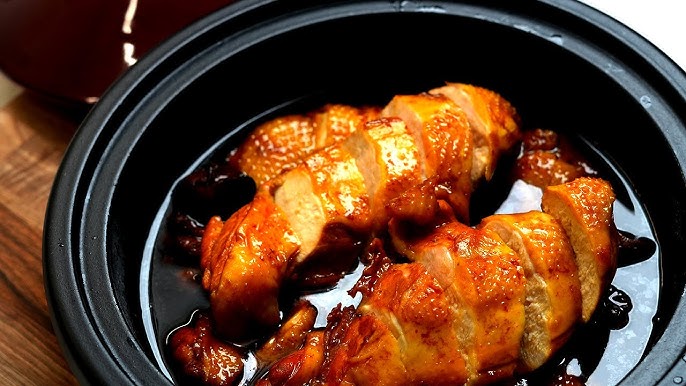
Sweet Soy Glaze Recipe: If you’ve ever craved that sticky, glossy, sweet-meets-savory sauce that takes your stir-fry or grilled meat to the next level, you’re in for a treat.
This sweet soy glaze recipe is the ultimate go-to for that rich umami flavor with just the right touch of sweetness.
It’s simple, incredibly versatile, and once you try it, you’ll wonder how you ever cooked without it!
What is Sweet Soy Glaze?
Sweet soy glaze is a thick, syrupy condiment that combines the deep umami of soy sauce with a rich sweetness. Think of it as the bolder cousin of teriyaki sauce — slightly thicker, shinier, and loaded with flavor. It’s a staple in Asian-inspired dishes and works as both a glaze and a dipping sauce.
The magic of this sauce lies in its balance. The soy sauce provides saltiness and depth, while the sugar or honey contributes that glossy sweetness. Add a touch of acidity and maybe some spice, and you’ve got a sauce that elevates everything it touches — from salmon to tofu.
Why You’ll Love This Sweet Soy Glaze
Why should this be in your sauce rotation? Simple:
- Quick and easy – Takes under 15 minutes to make.
- Customizable – Adjust sweetness, thickness, or add spice to your taste.
- Versatile – Use it on meats, tofu, veggies, or even noodles.
- Better than store-bought – No preservatives, just flavor-packed goodness.
- Budget-friendly – Uses pantry staples, no fancy ingredients needed.
Whether you’re meal-prepping or trying to impress someone with dinner, this glaze has your back.
Common Uses of Sweet Soy Glaze
Here’s where this sauce really shines. It’s more than just a glaze — it’s a culinary multitool.
- Glaze for grilled meats: Chicken thighs, salmon, pork chops — all benefit from a coating of sweet soy.
- Drizzle on roasted vegetables: It brings out the caramelized notes in roasted carrots, Brussels sprouts, or sweet potatoes.
- Stir-fry finisher: Toss into noodles or veggies for a glossy, flavorful finish.
- Dip for dumplings or spring rolls: Way more exciting than plain soy sauce.
- Burger topper: Mix it with mayo for a killer sandwich spread.
It’s like a flavor bomb in a bottle.
Ingredients You’ll Need
Let’s break down exactly what goes into a basic sweet soy glaze:
Basic Ingredients
- Soy Sauce – ½ cup (low-sodium preferred)
- Brown Sugar or Honey – ¼ cup (adjust to taste)
- Rice Vinegar – 1 tablespoon (for acidity)
- Garlic (minced) – 1 clove
- Ginger (grated) – 1 teaspoon
- Cornstarch Slurry – 1 teaspoon cornstarch + 1 tablespoon water (optional, for thickening)
Optional Flavor Enhancers
- Sesame Oil – for nutty richness
- Chili Flakes or Sriracha – for a kick
- Orange Zest or Juice – for a citrusy twist
- Mirin or Sake – for added depth
You can mix and match based on your preferences or what you have on hand.
Equipment You’ll Need
You don’t need fancy gadgets to make this glaze:
- Small saucepan
- Whisk or spoon for stirring
- Measuring cups and spoons
- Microplane or grater (for garlic and ginger)
- Small bowl (for cornstarch slurry)
Choosing the Right Soy Sauce
Not all soy sauces are created equal. For this glaze, low-sodium soy sauce is the way to go. It keeps the saltiness in check, especially when reducing the sauce. If you’re going gluten-free, tamari is a solid alternative.
Avoid light soy sauces with added colors or flavors. Stick to quality brands like Kikkoman or San-J for authentic taste.
Sweeteners – Which One Works Best?
The choice of sweetener makes a huge difference in flavor and texture.
- Brown sugar – Adds molasses notes and deep color.
- Honey – Lighter in color but offers floral undertones.
- Maple syrup – For a unique twist with earthy sweetness.
- White sugar – Works in a pinch but lacks depth.
Experiment and see which one matches your taste buds best. Brown sugar and honey are the top favorites for most.
The Role of Vinegar and Acidity
A little acid balances out the sweetness. Rice vinegar is mild and blends well without overpowering. You can also try:
- Apple cider vinegar
- Lemon juice
- Lime juice
- Balsamic vinegar (for a deeper, richer tang)
It’s all about harmony — a little zing cuts through the sweetness and saltiness, making everything more balanced.
Step-by-Step Guide to Making Sweet Soy Glaze
Let’s break this down into simple, foolproof steps so you can whip up a batch like a pro.
Step 1: Prepare Your Ingredients
Before turning on the stove, get everything ready:
- Mince the garlic
- Grate the ginger
- Measure out your liquids and sweetener
- Mix your cornstarch slurry if using
This mise en place (fancy term for “everything in its place”) makes the cooking process smoother and faster.
Step 2: Mix Ingredients in Saucepan
In a small saucepan over medium heat, add:
- Soy sauce
- Sugar or honey
- Garlic
- Ginger
- Vinegar
- Optional sesame oil or chili flakes
Whisk everything together to combine. The goal is to dissolve the sugar before the mixture comes to a boil.
Step 3: Bring to a Simmer
Let the mixture come to a gentle simmer, stirring occasionally. You’ll notice it starting to bubble lightly. This is where the flavors begin to meld together beautifully.
Avoid a hard boil — you want slow bubbling to prevent burning and over-reduction.
Step 4: Reduce and Thicken
Let it simmer for 5–8 minutes. If you’re using the cornstarch slurry, stir it in now and whisk constantly. The sauce should thicken and start coating the back of a spoon.
If it’s not thick enough, simmer for another 2–3 minutes — it thickens more as it cools, so don’t overdo it.
Step 5: Final Taste Adjustments
Before removing from heat:
- Taste for balance
- Add a splash more vinegar if it’s too sweet
- A pinch more sugar or honey if too salty
- Add chili for more heat, or a touch of water if it’s too thick
Once satisfied, remove from heat and let it cool slightly. It’ll get even glossier and thicker as it rests.
Tips for Perfect Glaze Consistency
One of the most important aspects of a successful sweet soy glaze is its consistency. Too thin, and it won’t cling to your food. Too thick, and it might burn or overpower your dish. Here’s how to get it just right:
- Simmer slowly: Let the glaze reduce at a gentle simmer, not a rolling boil. High heat can cause sugar to burn and turn bitter.
- Test with a spoon: Dip a spoon into the glaze and run your finger through the back. If the line stays clean, it’s the perfect thickness.
- Watch the clock: Most glazes reach the ideal texture after 8 to 10 minutes of simmering. Keep stirring to avoid sticking.
- Cool it down: Remember, the glaze thickens as it cools. Don’t wait for it to look syrupy on the stove—once it coats the spoon, you’re done.
- Cornstarch caution: A little slurry goes a long way. Too much, and you’ll get a gloopy texture. Always mix it with cold water before adding it in.
The right consistency means your glaze will cling beautifully to meat, tofu, veggies, and more—giving you that rich, glossy finish every time.
Storing Your Sweet Soy Glaze
Made a big batch? No problem. Sweet soy glaze stores beautifully, and it’s just as good (if not better) the next day.
- Fridge: Store in an airtight glass jar or container in the refrigerator for up to 2 weeks.
- Freezer: Freeze in small portions using an ice cube tray. Once frozen, transfer cubes to a freezer-safe bag for up to 3 months.
- Reheat: Warm gently in a saucepan or microwave. If it thickens too much, stir in a teaspoon of water to loosen it.
Pro tip: Label your jar with the date. Homemade sauces can look similar in the fridge, and this helps keep track of freshness.
Shelf Life and Safety Tips
Keeping your sauce safe is just as important as making it delicious. Here’s how:
- Use clean utensils every time you scoop from the jar to avoid contamination.
- Don’t double dip: Cross-contamination can shorten shelf life.
- Sniff test: If it smells off or fermented, toss it.
- Avoid moisture: Keep the jar lid tight and dry when storing in the fridge.
By following these tips, your sweet soy glaze will stay fresh, safe, and ready to elevate your meals whenever you need it.
Creative Variations to Try
Want to give your sweet soy glaze a personal twist? Here are a few flavor-packed ideas to keep things interesting:
- Spicy Korean-Inspired: Add gochujang (Korean chili paste) and a touch of sesame oil.
- Citrus Zing: Stir in orange juice or zest for a bright, tangy profile.
- Garlic Bomb: Increase the garlic or roast it first for deep flavor.
- Sweet and Smoky: Add a drop or two of liquid smoke for BBQ-style richness.
- Tropical Vibes: Mix in pineapple juice for a Hawaiian-inspired glaze.
These small changes can turn your glaze into a signature house sauce that stands out in any dish.
Pairing Ideas – What Goes Best with Sweet Soy Glaze
This glaze isn’t just a one-hit wonder — it’s a culinary chameleon. Here are some top dishes that shine with sweet soy glaze:
Proteins
- Grilled or baked salmon
- Pan-seared chicken thighs
- Pork tenderloin or chops
- Tofu or tempeh (great for vegetarians)
- Shrimp or scallops
Vegetables
- Roasted Brussels sprouts
- Stir-fried green beans
- Grilled eggplant
- Broccoli or cauliflower florets
Starches
- Jasmine or sticky rice
- Fried rice
- Rice noodles or soba noodles
- Quinoa or couscous (for a fusion twist)
No matter what you’re making, a drizzle of this glaze takes it from simple to stunning.
Common Mistakes to Avoid
Even with a simple recipe, a few mistakes can sneak in. Here’s how to steer clear of them:
- Using high heat: Leads to burning or bitter flavor.
- Not measuring ingredients: Especially sugar, which can make it too sweet or not sweet enough.
- Skipping the acid: The vinegar balances everything. Without it, your glaze may taste flat.
- Adding slurry too late: Add cornstarch while the mixture is hot but not boiling, and whisk quickly.
- Over-reducing: The sauce continues to thicken off the heat. Remove it when it starts to coat the spoon.
Keep these tips in mind, and you’ll always get a restaurant-quality glaze every single time.
FAQs about Sweet Soy Glaze Recipe
1. Can I make sweet soy glaze without sugar?
Yes! Try honey, maple syrup, or a sugar substitute like stevia or monk fruit. Just keep in mind, the texture and flavor will change slightly.
2. Is sweet soy glaze gluten-free?
Not unless you use gluten-free soy sauce or tamari. Always check labels if you’re avoiding gluten.
3. How thick should the glaze be?
It should coat the back of a spoon but still pour easily. Remember, it thickens more as it cools!
4. Can I make this glaze spicy?
Absolutely. Add chili flakes, sriracha, or even a dash of hot sauce for a nice kick.
5. What’s the difference between sweet soy glaze and teriyaki sauce?
Sweet soy glaze is usually thicker and sweeter, with more emphasis on soy and sugar. Teriyaki often includes mirin or sake and has a thinner consistency.
Conclusion
A good sauce can transform a dish — and this sweet soy glaze proves it. Whether you’re cooking for yourself, family, or friends, this sticky-sweet, savory condiment adds flavor, shine, and a touch of magic to anything it touches.
It’s easy, customizable, and so versatile, you’ll find yourself making it again and again. Plus, it stores well, which means you can always have some on hand for busy weeknights or last-minute meal upgrades.
So grab that soy sauce, sweetener, and a saucepan — and let’s get glazing!