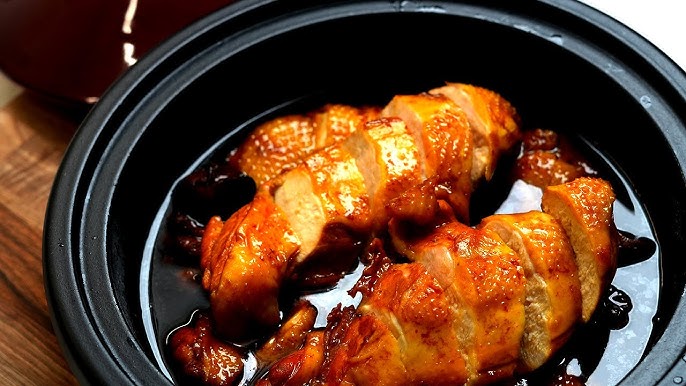
Soy Glaze Recipe: Soy glaze is the glossy, rich, slightly sweet, and salty condiment you didn’t know you were missing in your kitchen. If you’ve ever enjoyed teriyaki chicken, sticky Asian ribs, or a bowl of grilled tofu with that umami punch, you’ve probably tasted a version of soy glaze. This magical glaze takes basic ingredients and transforms them into a sticky, savory-sweet sauce that clings to your favorite foods and makes them shine—literally and flavor-wise.
Whether you’re aiming to elevate your weeknight stir-fry or finish off a grilled salmon with a restaurant-quality finish, soy glaze is the ultimate secret weapon. Plus, it’s quick to make, customizable, and stores well, making it a go-to in both home kitchens and professional settings.
You don’t need any fancy tools, and once you get the basics down, you can start riffing on the recipe to make it truly yours.
Benefits of Using Soy Glaze
So why should you care about soy glaze? Simple: flavor, versatility, and ease. Let’s break that down.
1. Intense Flavor Boost:
Soy glaze balances salty, sweet, and umami flavors in one go. A drizzle can transform bland dishes into flavor-packed plates, adding depth and complexity without overwhelming the dish.
2. Works with Everything:
This glaze plays well with almost any protein—chicken, beef, pork, tofu, shrimp—and it’s fantastic on veggies and grains. It’s one of those sauces that does it all, from marinade to glaze to dipping sauce.
3. Easy to Make, Easy to Store:
The best part? It only takes about 10–15 minutes to whip up a batch. Once it’s made, just pop it in a jar and refrigerate—it lasts weeks, and even longer in the freezer.
4. Customizable:
You can make it spicy, garlicky, citrusy, or smoky depending on what you’re going for. Need a vegan or gluten-free version? No problem—just a couple of simple swaps.
Common Uses for Soy Glaze
Wondering where you’d even use soy glaze? Here are some crowd-favorite ideas:
- Glazed Proteins: Brush it over grilled chicken, pork chops, or salmon during the last few minutes of cooking for that sticky, caramelized finish.
- Stir-fries: Toss it with noodles, veggies, or fried rice to add complexity and shine.
- Tofu and Tempeh: Soy glaze gives plant-based proteins a bold, umami-rich flavor and crispy edge when pan-fried.
- Dipping Sauce: Mix it with a touch of sesame oil and rice vinegar for a killer dumpling or sushi dip.
Its bold but balanced flavor makes it a staple in Asian-inspired cooking—and a fun twist for fusion recipes too.
List of Ingredients You’ll Need
Let’s keep things simple. Here’s a basic soy glaze recipe to start with. You can always tweak it based on your preferences.
Main Ingredients:
- Soy sauce (½ cup): Use regular or low-sodium depending on your salt preference.
- Brown sugar (¼ cup): Adds sweetness and helps with caramelization.
- Honey or maple syrup (2 tablespoons): For a deeper, more rounded sweetness.
- Rice vinegar (1 tablespoon): Brightens up the glaze and balances the sweetness.
- Cornstarch (1 teaspoon) + Water (1 tablespoon): Slurry for thickening.
Optional Flavor Enhancers:
- Minced garlic (1 clove)
- Fresh ginger (1 teaspoon, grated)
- Sesame oil (1 teaspoon)
- Chili flakes or sriracha (to taste)
- Mirin or sake (1 tablespoon)
With these pantry staples, you’re already halfway to a killer glaze.
Tools and Equipment Needed
Nothing fancy—just some basic kitchen gear you probably already have:
- Small saucepan
- Whisk or spoon
- Measuring cups and spoons
- Small bowl for slurry
- Airtight jar or container for storage
Step-by-Step Guide: How to Make Soy Glaze
Time to get to the fun part—making the glaze. Follow this step-by-step guide and you’ll have a beautiful soy glaze ready in no time.
Step 1: Gather All Ingredients
Before turning on the stove, measure out all your ingredients. Trust me, once things start heating up, it goes fast. Lay everything out so you’re not scrambling halfway through.
Step 2: Combine the Ingredients
In a small saucepan over medium heat, add:
- Soy sauce
- Brown sugar
- Honey (or maple syrup)
- Rice vinegar
- Optional: garlic, ginger, sesame oil, chili flakes, mirin
Whisk everything together until the sugar dissolves and the mixture starts to warm. The aroma at this point is already amazing.
Step 3: Simmer the Mixture
Let the mixture come to a gentle simmer—not a hard boil. Stir frequently to prevent burning, especially if you’re using sugary ingredients like honey or brown sugar.
Simmer for about 5–7 minutes. You’ll notice the liquid reducing slightly and the smell getting richer.
Step 4: Thicken with Cornstarch Slurry
In a separate small bowl, mix the cornstarch and water until smooth.
Slowly whisk the slurry into your simmering sauce. This step thickens the glaze and gives it that classic shiny, sticky texture.
Continue stirring for another 2–3 minutes, until the glaze is thick enough to coat the back of a spoon.
Step 5: Cool and Store
Once it’s thickened to your liking, remove from heat. Let it cool slightly before transferring to a jar or container.
Store it in the fridge for up to 2 weeks. For longer storage, freeze in small portions.
Tips for the Perfect Soy Glaze
Even though the recipe is simple, a few smart tricks can help you get it just right every time.
1. Balance is Everything
Too salty? Add a splash more honey or brown sugar. Too sweet? A dash of vinegar or lemon juice can brighten things up. Always taste as you go. Soy glaze is all about balance—you want salty, sweet, tangy, and umami all dancing together.
2. Don’t Over-Reduce
One of the biggest mistakes is boiling the glaze too long. It thickens more as it cools, so don’t wait until it’s super thick in the pot. Once it starts coating the spoon lightly, take it off the heat. Overcooking can make it too sticky or even bitter.
3. Stir Constantly
This glaze has sugars, so it can burn quickly. Keep the mixture moving with a whisk or spoon, especially after adding the cornstarch slurry.
4. Add Aromatics Last
If you’re using fresh garlic or ginger, add them during the last few minutes of cooking. This keeps their flavor fresh and punchy instead of bitter or overcooked.
5. Customize It
Like it spicy? Throw in chili flakes or sriracha. Want something richer? A touch of butter or a splash of sesame oil after cooking can take it to the next level. You can even add orange zest for a citrus twist.
How to Store Soy Glaze
Once your soy glaze cools down, storing it properly is key to keeping that flavor locked in.
Refrigeration:
Pour it into an airtight glass jar or bottle. It’ll stay good in the fridge for about 2 to 3 weeks. Be sure to let it cool completely before sealing the lid to avoid condensation.
Freezing:
Want to keep it even longer? Freeze it in an ice cube tray, then transfer the cubes to a zip-top bag. This way, you can defrost just the amount you need for one meal. It freezes beautifully and thaws quickly.
Reheating Tips:
If it thickens too much in the fridge, warm it gently on the stove or in the microwave and stir in a teaspoon or two of water to loosen it back up.
How Long Does Soy Glaze Last?
In the Refrigerator:
When stored in an airtight container, your soy glaze can last up to 2–3 weeks in the fridge. Make sure you use a clean spoon every time you scoop some out—this helps prevent contamination.
In the Freezer:
Soy glaze can last 2–3 months in the freezer. Freeze in small batches so you’re not thawing more than you need.
Signs It’s Gone Bad:
- Strange or sour smell
- Mold or cloudiness
- Change in texture (too watery or grainy)
When in doubt, throw it out. Food safety always comes first.
Variations of Soy Glaze
Once you’ve nailed the base recipe, the fun really begins. Try one of these twists:
1. Spicy Soy Glaze
Add chili flakes, sriracha, or gochujang for heat. It’s perfect for wings or tofu stir-fry.
2. Honey Soy Glaze
Replace the brown sugar with more honey for a sweeter, floral glaze. Excellent on grilled chicken or salmon.
3. Garlic Ginger Soy Glaze
Freshly minced garlic and grated ginger make it super aromatic and punchy. Works great on stir-fried veggies and rice bowls.
4. Orange Soy Glaze
Add a tablespoon of orange juice and a bit of zest. This citrusy version is amazing on shrimp or duck.
5. Smoky Soy Glaze
A drop or two of liquid smoke or smoked paprika gives it BBQ vibes—perfect for ribs or skewers.
Vegan and Gluten-Free Soy Glaze Option
If you’re on a special diet, don’t worry—you can still enjoy this sauce.
Vegan Version:
Most traditional soy glaze recipes are already vegan. Just make sure your sugar and sweeteners are vegan-certified (some refined sugars are processed with bone char).
Gluten-Free Option:
Regular soy sauce contains wheat, so substitute it with tamari or coconut aminos to make the glaze gluten-free. Tamari offers a similar flavor profile, while coconut aminos are a bit sweeter.
Also, double-check your vinegar and other ingredients to ensure they’re certified gluten-free if you have a severe intolerance.
Top Dishes That Pair Perfectly with Soy Glaze
This glaze can be your new best friend in the kitchen. Here’s where it shines the most:
Proteins
- Chicken: Brush it on drumsticks, wings, or grilled breasts.
- Beef: Amazing on steak bites or short ribs.
- Pork: Use it to glaze pork belly, pork chops, or even bacon.
- Tofu: Coat pan-fried or baked tofu for a killer vegan dish.
- Seafood: Glaze salmon, shrimp, or scallops just before serving.
Vegetables
- Stir-fried broccoli, carrots, and snap peas get a major flavor upgrade.
- Drizzle over roasted Brussels sprouts or cauliflower.
- Mix with roasted sweet potatoes for a sweet-savory twist.
Grains and Noodles
- Use as a sauce for rice bowls, quinoa salads, or noodles.
- Try it in lo mein or soba noodle stir-fries.
It’s a multi-purpose glaze that turns even the simplest ingredients into something exciting.
Common Mistakes to Avoid
Even the simplest recipes can go sideways without the right technique. Here’s what to watch out for:
1. Burning the Sauce:
High heat plus sugar = disaster. Always simmer on medium-low heat and stir frequently.
2. Over-Thickening:
Remember, the glaze thickens more as it cools. If you cook it down too much, it’ll turn into sticky sludge.
3. Not Tasting as You Go:
Flavor balance is everything in a soy glaze. Taste during cooking and adjust sweetness, acidity, or saltiness.
4. Using Low-Quality Ingredients:
Soy sauce is the base flavor here, so go for a good one. Cheap soy sauce can make the glaze taste flat or overly salty.
5. Ignoring Dietary Needs:
If you’re serving others, always check for allergies or dietary restrictions like gluten or sugar.
FAQs about Soy Glaze Recipe
Let’s clear up some of the most common questions people have when making soy glaze at home:
1. Can I use white sugar instead of brown sugar in soy glaze?
Yes, you can—but brown sugar adds more depth and a slight molasses flavor that complements soy sauce really well. If you only have white sugar, try adding a teaspoon of molasses or maple syrup to mimic that richness.
2. How can I make soy glaze without cornstarch?
You can thicken the glaze by simply reducing it longer over low heat, though this takes more time. Alternatively, arrowroot powder or tapioca starch work well as substitutes for cornstarch. Just mix them with cold water first to avoid lumps.
3. Is soy glaze the same as teriyaki sauce?
Not exactly, though they’re closely related. Teriyaki sauce usually includes mirin or sake and has a lighter consistency. Soy glaze is thicker and stickier—perfect for coating and caramelizing foods at the end of cooking.
4. What should I do if my glaze is too salty?
Try balancing it with a bit more sweetener (like honey or brown sugar) or add a splash of water to dilute it slightly. A teaspoon of rice vinegar or citrus juice can also cut the saltiness and bring the flavor back into balance.
5. Can I use soy glaze as a marinade?
Absolutely! It works wonderfully as a marinade for meats, tofu, or veggies. Just keep in mind it’s thicker than typical marinades—so consider thinning it out with a bit of water or vinegar before marinating to help it penetrate better.
Conclusion
Soy glaze might just be the MVP of your sauce game—sweet, salty, sticky, and ridiculously versatile. From a quick drizzle over grilled salmon to a finishing touch on crispy tofu, this sauce brings that bold, umami flavor that makes everything taste better.
It’s quick and easy to make, lasts for weeks, and is incredibly customizable. Whether you like it spicy, garlicky, or citrusy, you can tweak it to fit your dish—or your mood.
So, next time your meal needs a little something extra? Reach for your homemade soy glaze. Once you’ve tried it, you’ll wonder how you ever cooked without it.