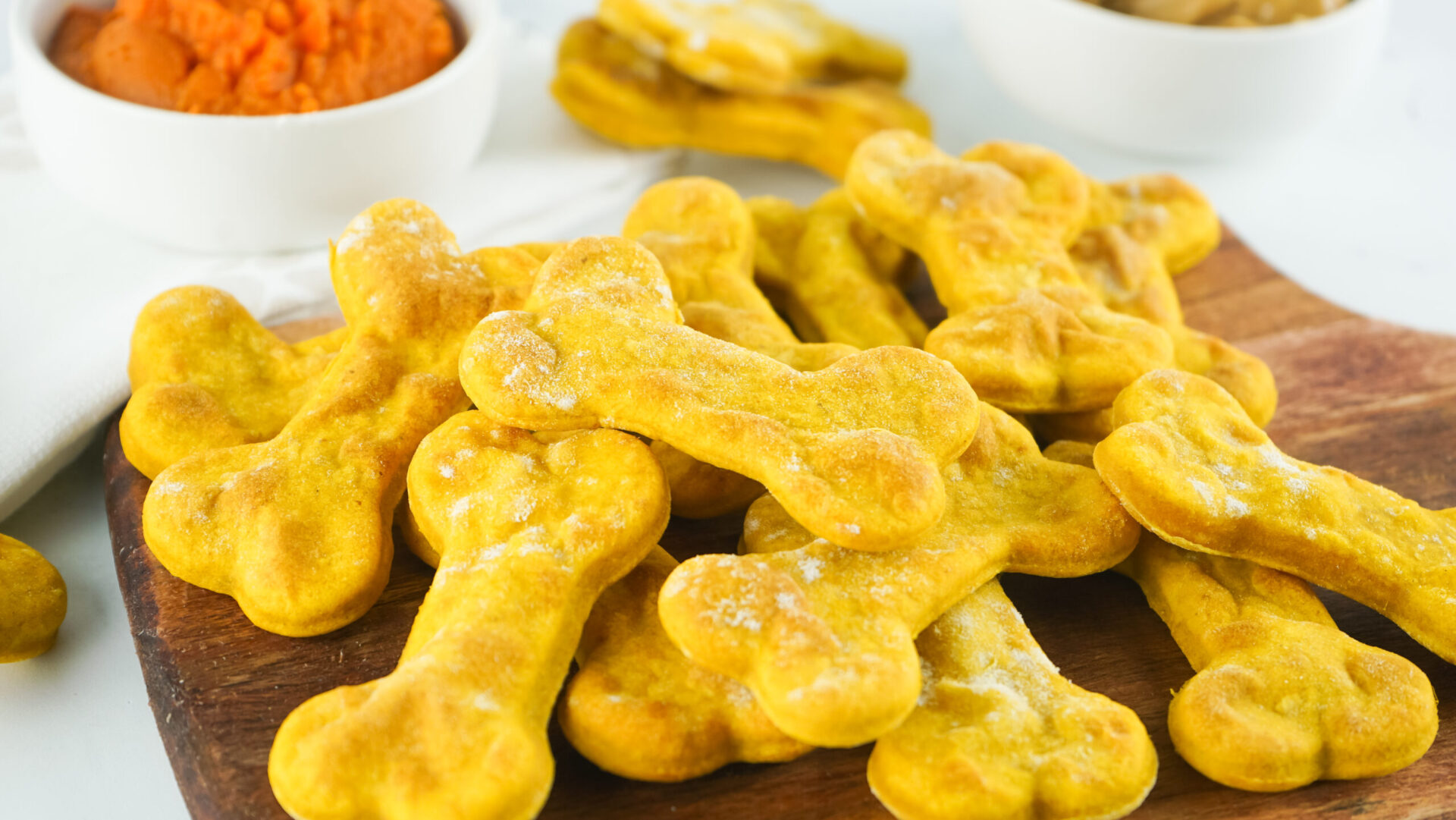
Sweet Potato Dog Treats Recipe: Homemade dog treats are a labor of love—and what better way to spoil your pup than with a batch of simple, healthy, and tail-wagging delicious sweet potato treats? Whether your dog prefers chewy or crunchy snacks, this recipe covers all the bases. In this ultimate guide, we’ll take you through everything from the benefits of sweet potatoes to the exact tools and ingredients you need. Most importantly, you’ll get a detailed step-by-step guide that’s easy to follow and results in treats your pup will beg for again and again.
Let’s get those tails wagging—shall we?
Why Sweet Potatoes Are Great for Dogs
Sweet potatoes aren’t just a favorite for health-conscious humans—they’re also fantastic for dogs. These bright orange root veggies are packed with essential nutrients that support your dog’s overall wellness. They’re rich in fiber, which helps support digestive health, and they’re a great source of vitamins like A, C, and B6. Plus, sweet potatoes contain antioxidants that promote a strong immune system and help fight inflammation.
But the real magic? Dogs love the naturally sweet taste. Even picky pups will enjoy them, especially when they’re baked into tasty little snacks. Whether served as a chew or a crisp treat, sweet potatoes are a win-win: nutritious and drool-worthy.
Health Benefits of Sweet Potato for Dogs
Let’s break down why sweet potatoes should be part of your dog treat routine:
- Fiber-Rich: Helps with digestion and regular bowel movements.
- Vitamin A: Supports eye health, growth, and immune function.
- Beta-Carotene: Fights oxidative stress and promotes healthy aging.
- Low in Fat: Great for dogs on a low-fat diet or weight management plan.
- Complex Carbohydrates: Provides long-lasting energy without spiking blood sugar levels.
Many veterinarians recommend sweet potatoes for dogs with food sensitivities or allergies because they’re gentle on the stomach and naturally gluten-free.
Are Homemade Dog Treats Better Than Store-Bought?
Short answer: absolutely.
Store-bought dog treats often contain preservatives, artificial coloring, flavor enhancers, and even sugar—none of which your dog needs. Homemade treats give you control. You decide what goes in (and what stays out). There’s peace of mind in knowing your dog is eating something fresh, clean, and made with love.
Plus, homemade treats like sweet potato chews or biscuits are often more affordable, and they let you adjust portion sizes and textures based on your dog’s preferences and health needs.
Ingredients You’ll Need
Fresh Ingredients
To keep things simple and dog-safe, start with these basic ingredients:
- 2 large sweet potatoes (organic if possible)
- 1 tablespoon coconut oil (optional – adds healthy fat and flavor)
- 1 egg (optional – if you’re baking biscuits)
- ½ cup oat flour (optional – for baking instead of dehydrating)
Optional Add-ins for Variety
You can include these if your dog isn’t allergic:
- A pinch of cinnamon (for taste and anti-inflammatory properties)
- 1 tablespoon peanut butter (no xylitol – ever!)
- A dash of turmeric (anti-inflammatory and antioxidant)
Kitchen Tools You’ll Need
- Sharp knife or mandoline slicer
- Baking sheet
- Parchment paper or silicone mat
- Oven or food dehydrator
- Mixing bowl (if making dough-based treats)
- Cooling rack
- Airtight storage container
Keeping it basic? All you really need is an oven and a knife. But having a mandoline or food processor can save you a ton of time if you’re making treats often.
Choosing the Right Sweet Potatoes
Not all sweet potatoes are created equal. When shopping, look for:
- Firm texture: Avoid ones with soft spots or sprouting.
- Deep orange flesh: More nutrients and natural sweetness.
- Medium to large size: Easier to slice evenly and bake.
Avoid yams—despite the confusion, they’re different from true sweet potatoes and may not deliver the same nutritional punch or taste.
How to Prep Sweet Potatoes for Dog Treats
Preparation is key for texture, safety, and nutrition. Start by washing the potatoes thoroughly—even if you’re peeling them—because dirt and pesticides can cling to the skin. Peeling is optional; the skin is safe and fiber-rich, but some dogs may have trouble digesting it.
Next, think about your dog’s size and chewing ability. Large breeds love thick chewy slices. Small dogs? Go with thinner slices or cubes. Use a mandoline if you want uniform thickness for even cooking.
Step-by-Step Guide to Making Sweet Potato Dog Treats
Now we’re getting into the good stuff. Let’s walk through the process from start to finish.
Step 1: Wash and Peel the Sweet Potatoes
Start by thoroughly washing the sweet potatoes under running water to remove dirt and debris. Peel off the skin using a vegetable peeler. While the skin is edible, peeling helps create a smoother, easier-to-digest treat for dogs.
Step 2: Slice or Cube the Potatoes
Cut the sweet potatoes into thin slices, strips, or small cubes. Thinner pieces work best if you want crunchy treats, while slightly thicker cuts result in chewier snacks. Try to keep the pieces uniform so they cook evenly.
Step 3: Decide on the Cooking Method
Choose between baking or dehydrating based on the texture you want. Baking is faster and ideal for beginners, while dehydrating takes longer but creates long-lasting, crunchy treats without added oils.
Step 4: Bake or Dehydrate the Treats
For baking, preheat your oven to 160°C (325°F). Place the sweet potato pieces on a lined baking tray and bake for 2–3 hours, flipping halfway, until dried and firm.
For dehydrating, arrange the pieces on dehydrator trays and dry at 55–60°C (130–140°F) for 6–8 hours, or until fully dried.
Step 5: Cool and Store Properly
Allow the treats to cool completely before storing. Keep them in an airtight container at room temperature for up to one week, or refrigerate for longer freshness. Always serve in moderation as a healthy, natural dog treat. 🐶
Baking vs. Dehydrating – Which Is Better?
When it comes to making sweet potato dog treats, choosing between baking and dehydrating depends on your preferences and what your dog likes.
Baking Pros:
- Faster than dehydrating.
- Can make crunchy or soft treats depending on the bake time.
- Ideal for biscuit-style or soft chewy snacks.
Dehydrating Pros:
- Great for making long-lasting chews.
- Preserves more nutrients than baking.
- No oils or flours needed—just pure sweet potato.
If your pup likes something crunchy, baked biscuits are the way to go. But if they love to chew (especially good for teething puppies or dogs who need dental stimulation), dehydrated sweet potato strips are a fantastic alternative to rawhide.
Sweet Potato Dog Chews vs. Crunchy Treats
Let’s break it down a bit more.
Sweet Potato Chews:
- Made by slicing thick sweet potato rounds or strips and dehydrating them slowly.
- Have a leathery, jerky-like texture.
- Longer-lasting—great for dogs that like to chew.
- Require no added ingredients.
Crunchy Treats:
- Often baked with flour, eggs, and sometimes peanut butter or pumpkin.
- Crisp texture like a dog biscuit.
- Great for training or breaking into smaller pieces.
- Easier to digest for senior dogs.
Both are great! You can even make both types in the same batch—just adjust your slice thickness and bake time.
How to Store Homemade Dog Treats
Proper storage ensures your treats stay fresh, tasty, and safe for your dog to eat.
Short-Term (Up to 1 Week):
- Store in an airtight container at room temperature.
- Keep out of direct sunlight or humidity.
Medium-Term (2–3 Weeks):
- Use a sealed container in the refrigerator.
- This slows down spoilage and keeps the treats firm.
Long-Term (Up to 3 Months):
- Freeze treats in zip-lock or vacuum-sealed bags.
- Label with the date.
- Thaw in the fridge overnight or for 30 minutes at room temperature before serving.
Tip: Don’t store treats warm. Always let them cool completely to prevent moisture buildup that can lead to mold.
How Long Do Homemade Sweet Potato Treats Last?
Shelf life depends on moisture level and storage method.
- Dehydrated Chews: Up to 2–3 weeks in the pantry, 2–3 months in the freezer.
- Baked Treats (with flour/egg): 5–7 days at room temperature, 2 weeks in the fridge, 2 months in the freezer.
Always check for mold, strange smells, or a change in texture before giving treats to your dog.
Tips for Making Treats Based on Dog Size
Your pup’s size and chewing habits should influence how you prepare the treats.
Small Dogs:
- Slice thinner and smaller pieces.
- Bake until soft or lightly chewy.
- Avoid hard biscuits that could break tiny teeth.
Medium Dogs:
- Medium slices or small biscuit shapes.
- Balanced between chewy and crunchy texture.
Large Dogs:
- Thick slices, long strips, or large cookie-style shapes.
- Can handle chewy, leathery, or very crispy treats.
Bonus tip: Use cookie cutters shaped like bones or hearts for an adorable touch—and to create size consistency.
Can Puppies Eat Sweet Potato Treats?
Yes—but with caution and some modifications.
Puppies have sensitive stomachs and developing teeth. Make treats softer, smaller, and easier to chew. Introduce sweet potato slowly and in small quantities. Watch for any digestive issues.
Soft options for puppies:
- Mashed sweet potato frozen in ice cube trays.
- Lightly baked mini cookies using oat flour and egg.
Always check with your vet before introducing new foods to a young puppy’s diet.
Precautions to Keep in Mind
While sweet potatoes are generally safe, here are a few safety tips:
- No raw sweet potatoes. Hard to digest and may cause stomach upset.
- Avoid additives. No salt, sugar, xylitol, garlic, or onion powder.
- Portion control. Even healthy treats can cause weight gain if overfed.
- Watch for allergies. Though rare, some dogs may not tolerate sweet potatoes.
If your dog experiences diarrhea, vomiting, or itching after eating these treats, discontinue use and talk to your vet.
Adding Variety – Flavor Combinations That Are Safe
Want to spice up your dog’s treat routine (without the actual spices)? Try combining sweet potatoes with other dog-safe ingredients:
- Sweet Potato + Peanut Butter: Blend mashed sweet potato with natural, unsweetened peanut butter.
- Sweet Potato + Pumpkin: Great for digestion and full of flavor.
- Sweet Potato + Oat Flour + Egg: Makes soft, chewy biscuit dough.
- Sweet Potato + Banana: Adds natural sweetness and potassium.
You can even sprinkle a little turmeric or cinnamon—just a tiny pinch—for extra anti-inflammatory benefits.
FAQs about Sweet Potato Dog Treats Recipe
1. Can I use canned sweet potatoes instead of fresh ones?
Yes, but only if they are plain with no added sugars, syrups, or spices. Always check the label.
2. How long do sweet potato dog treats last?
If stored properly, baked treats last about 2 weeks in the fridge, and dehydrated ones can last 2–3 months in the freezer.
3. Can I add meat to sweet potato treats?
Absolutely! Try mixing in plain cooked chicken, turkey, or beef for extra protein—just keep everything unseasoned.
4. Are sweet potato skins okay for dogs?
They’re technically safe, but some dogs may find them hard to digest. Peel them if your dog has a sensitive stomach.
5. What if my dog doesn’t like sweet potatoes?
Not every dog will! Try mixing sweet potato with other flavors like pumpkin, banana, or peanut butter to enhance the appeal.
Conclusion
Homemade sweet potato dog treats are the perfect way to show your pup some love while keeping things healthy and natural. They’re simple to make, loaded with nutritional benefits, and totally customizable to your dog’s taste and chewing preference.
Whether you bake them into crispy biscuits or slice them into chewy chips, you’ll feel good knowing exactly what’s in every bite. Say goodbye to processed store-bought snacks and hello to wholesome, homemade goodness!
Give it a try—your dog will thank you with tail wags and puppy kisses.