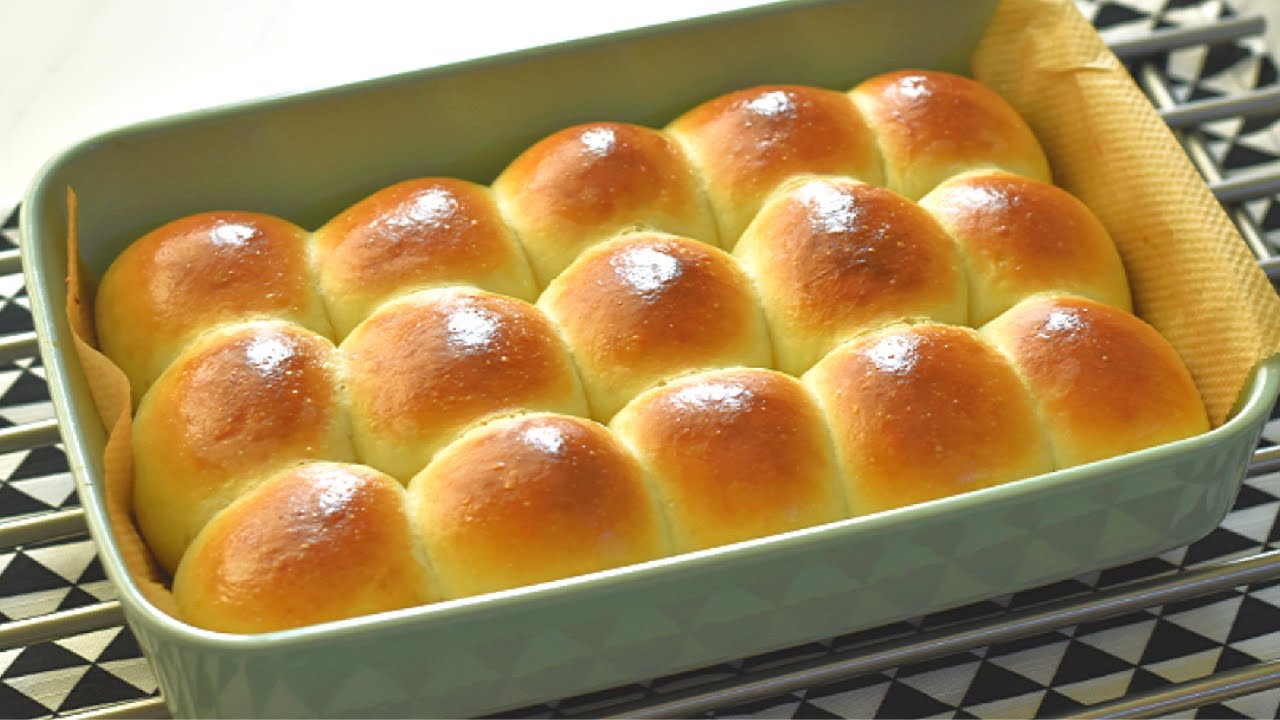
Soft Dinner Rolls Recipe: There’s something magical about the smell of freshly baked bread wafting through the house. And when it comes to comfort food, nothing beats soft, pillowy dinner rolls straight out of the oven. These rolls are golden on the outside, ultra-fluffy on the inside, and melt-in-your-mouth delicious. Whether you’re planning a holiday dinner or just want to impress your family on a weekday night, this recipe is about to become your go-to.
In this step-by-step guide, we’ll walk you through everything you need to know to master the art of baking soft dinner rolls. We’ll start with the ingredient list, walk through every detailed step, and wrap up with expert tips, storage advice, and common FAQs.
Why You’ll Love These Soft Dinner Rolls
What’s not to love about dinner rolls that are soft as clouds? These rolls are:
- Fluffy and light thanks to the perfect balance of ingredients and technique.
- Rich and buttery with a slightly sweet touch that pairs beautifully with any meal.
- Make-ahead friendly, which makes them ideal for busy holidays or meal prep.
- Freezer-safe, so you can enjoy them whenever the craving hits.
But the real game changer? You don’t need to be a pro baker to get it right. Follow the steps below, and you’ll have bakery-style rolls made right at home.
The Secret to Super Soft, Fluffy Dinner Rolls
The secret lies in hydration, fat content, and kneading. Let me break that down:
- Whole milk or warm milk creates a soft texture and adds richness.
- Butter and eggs not only flavor the dough but tenderize it for that pillowy softness.
- Kneading the dough well develops gluten, which gives the rolls their perfect structure.
- Allowing proper rise time ensures the rolls are airy instead of dense.
One more insider trick? Brushing warm rolls with melted butter right out of the oven makes them extra soft and gives them that shiny, inviting finish.
List of Ingredients You’ll Need
Let’s talk ingredients. This list includes pantry staples you probably already have, and they all play a key role in creating that dreamy texture.
Basic Ingredients for Soft Dinner Rolls
Here’s everything you’ll need:
| Ingredient | Amount |
|---|---|
| Whole milk | 1 cup (warm to 110°F) |
| Active dry yeast | 2 ¼ tsp (1 packet) |
| Granulated sugar | ¼ cup |
| Unsalted butter | ¼ cup (softened) |
| Eggs | 1 large egg |
| All-purpose flour | 3 to 3½ cups |
| Salt | 1 tsp |
| Melted butter | For brushing on top |
Optional Add-Ins for Flavor Variety
- Honey (swap for sugar for a sweeter touch)
- Garlic powder (for savory rolls)
- Chopped herbs (like rosemary or thyme)
- Cheese (grated parmesan or cheddar for cheesy rolls)
Using fresh, room-temperature ingredients (especially eggs and milk) makes a noticeable difference in how well the dough rises and how soft your rolls turn out.
Tools and Equipment You’ll Need
Before we get our hands floury, let’s prep the kitchen:
- Large mixing bowl (or stand mixer with dough hook)
- Measuring cups and spoons
- Dough scraper or rubber spatula
- Baking dish or sheet pan
- Clean towel or plastic wrap (for covering dough)
- Pastry brush (for brushing butter)
Step-by-Step Guide to Making Soft Dinner Rolls
Alright, let’s get into the heart of this recipe. This step-by-step guide will walk you through the process in simple terms—even if you’ve never baked bread before. Ready to roll?
Step 1: Warm the Milk and Activate the Yeast
Gently warm the milk until it’s lukewarm—not hot. Stir in a little sugar, then sprinkle the yeast over the milk. Let it sit for 5–10 minutes until foamy. This confirms the yeast is active and ready to work.
Step 2: Mix the Dough
In a large bowl, combine flour, sugar, and salt. Add the activated yeast mixture, melted butter, and egg (if using). Mix until a soft, slightly sticky dough forms. If it’s too sticky, add a tablespoon of flour at a time.
Step 3: Knead the Dough
Transfer the dough to a lightly floured surface and knead for 8–10 minutes (or 5–6 minutes with a mixer). The dough should become smooth, elastic, and spring back when gently pressed.
Step 4: First Rise (Let It Double)
Place the dough in a lightly greased bowl, turning once to coat. Cover with a clean towel or plastic wrap and let it rise in a warm spot for about 1 hour, or until doubled in size.
Step 5: Shape the Rolls
Punch down the dough to release air. Divide into equal portions and roll each into a smooth ball. Arrange them in a greased baking pan, leaving a little space between each roll.
Step 6: Second Rise (Let Them Puff Up)
Cover the pan loosely and let the rolls rise again for 30–45 minutes, until they’re puffy and touching slightly. This second rise ensures extra softness.
Step 7: Bake Until Golden Brown
Bake in a preheated oven at 180°C (350°F) for 18–22 minutes, or until the tops are golden and the rolls sound hollow when tapped.
Step 8: Brush with Butter for That Glossy Finish
Remove from the oven and immediately brush the warm rolls with melted butter. This adds flavor and gives them a soft, glossy finish. Serve warm and enjoy!
Tips for the Softest Dinner Rolls Ever
Want your dinner rolls to come out perfect every time? Follow these foolproof tips:
- Don’t add too much flour – This is one of the most common mistakes. Add just enough flour for the dough to pull away from the sides of the bowl. It should feel soft and slightly sticky, not dry.
- Use warm (not hot) milk – Yeast is sensitive! Milk that’s too hot will kill it, and milk that’s too cold won’t activate it properly. Stick to 105–110°F.
- Let the dough rise fully – Rushing the rise can result in dense rolls. Be patient and let the dough double in size.
- Cover during rising – This prevents the dough from drying out. A damp towel or plastic wrap works great.
- Bake in the center of the oven – This ensures even cooking and prevents burnt tops or undercooked centers.
- Brush with butter twice – Once when they come out of the oven, and again a few minutes later to keep them soft for hours.
Bonus tip? Practice makes perfect. Don’t worry if your first batch isn’t flawless. With each try, you’ll get better at handling the dough and timing the rise.
How to Store and Reheat Dinner Rolls
One of the best things about these soft dinner rolls? They keep well! Here’s how to store them without losing their fluffiness:
- Room temperature: Store cooled rolls in an airtight container or zip-top bag for up to 3 days. Add a paper towel inside the container to absorb moisture and prevent sogginess.
- Refrigerator: Not recommended. The fridge can dry out bread and make it stale faster.
- Freezer: Wrap the rolls tightly in plastic wrap, then place in a freezer bag. Freeze for up to 2 months.
Reheating Instructions:
- Microwave: Wrap one or two rolls in a damp paper towel and microwave for 10–15 seconds.
- Oven: Preheat to 300°F (150°C), wrap the rolls in foil, and heat for about 10 minutes.
If you brush them with a little melted butter before reheating, they’ll taste oven-fresh again!
Can You Freeze Soft Dinner Rolls?
Absolutely—and they freeze beautifully. You’ve got two freezing options:
1. Freeze the Dough Balls Before Baking:
- After shaping the rolls, place them on a baking sheet and freeze until solid.
- Transfer to a freezer bag and store for up to 1 month.
- When ready to use, thaw the rolls in a greased baking dish, let them rise until doubled (this can take a few hours), then bake as usual.
2. Freeze Fully Baked Rolls:
- Let the rolls cool completely.
- Wrap tightly in plastic wrap and foil.
- Freeze for up to 2 months.
- Reheat in the oven (wrapped in foil) at 300°F for 10–15 minutes.
Freezing is a great make-ahead option—perfect for holidays or meal prep!
Common Mistakes to Avoid
Even the best bakers make mistakes. Avoid these common pitfalls to get perfect soft rolls every time:
- Using expired yeast – Always check the date! Dead yeast means no rise, no fluff.
- Adding too much flour – It’s tempting, but too much will make your rolls dry and tough. Keep the dough slightly tacky.
- Skipping the second rise – This step helps the rolls become light and airy. Don’t skip it!
- Not kneading enough – Undermixed dough lacks the gluten needed for structure and fluff.
- Overbaking – Watch closely in the final few minutes. Overbaked rolls will be dry and hard.
With these mistakes in mind, you’ll be way ahead of the game.
Different Variations of Dinner Rolls
Want to mix it up? This recipe is super versatile. Here are some tasty roll variations to try:
- Honey Butter Rolls – Replace sugar with honey in the dough, and brush with honey-butter after baking.
- Garlic Herb Rolls – Add minced garlic and chopped herbs like rosemary or thyme to the dough. Brush with garlic butter on top.
- Cheesy Dinner Rolls – Fold shredded cheddar or mozzarella into the dough before shaping.
- Whole Wheat Rolls – Swap half the flour for whole wheat. Add a touch more milk to keep them soft.
- Sweet Rolls – Add cinnamon and brown sugar swirls, then glaze after baking for a dessert-style twist.
Get creative! As long as you stick to the base dough, you can flavor it however you like.
Serving Suggestions – What Goes Best with These Rolls
These soft rolls are the ultimate side dish. Pair them with:
- Soups: Creamy tomato, potato leek, or chicken noodle.
- Stews & Chilis: Hearty beef stew or spicy chili loves a fluffy roll.
- Holiday Meals: Think roast turkey, glazed ham, or prime rib.
- Barbecue: Pulled pork, ribs, and BBQ chicken are next-level with warm rolls.
- Breakfast: Slice them in half and stuff with scrambled eggs and cheese!
You can also use leftovers for mini sandwiches—perfect for lunchboxes or snacking.
Nutrition Facts (Per Serving – Based on 12 Rolls)
| Nutrient | Amount |
|---|---|
| Calories | ~170 kcal |
| Carbohydrates | 24g |
| Protein | 4g |
| Fat | 6g |
| Saturated Fat | 3g |
| Sugar | 3g |
| Fiber | 1g |
| Sodium | 180mg |
These numbers will vary slightly depending on ingredient brands and portion size. Still, it’s safe to say they’re a tasty treat in moderation!
FAQs about Soft Dinner Rolls Recipe
1. Can I make these rolls without a stand mixer?
Yes! A wooden spoon and your hands work just fine. It takes a bit more effort, but the results are just as amazing.
2. How do I know when the dough has risen enough?
The dough should double in size and feel puffy. If you press a finger gently into the dough and it leaves an indent, it’s ready.
3. Can I use instant yeast instead of active dry yeast?
Absolutely. Instant yeast doesn’t need to be activated in warm milk. Just mix it directly with your dry ingredients and continue as usual.
4. How do I keep dinner rolls soft for days?
Store them in an airtight container at room temperature and reheat briefly before serving. Brushing with butter helps lock in moisture.
5. Can I prepare the dough ahead of time?
Yes! After the first rise, shape the rolls and refrigerate them overnight. Let them come to room temperature and rise before baking.
Final Thoughts
Soft dinner rolls don’t need to be intimidating. With the right ingredients, a little patience, and this easy step-by-step guide, you can bake up golden, buttery rolls that will blow store-bought ones out of the water. Whether you’re prepping for a holiday feast or simply want to elevate your weeknight dinner, this recipe is one you’ll return to again and again.
Remember: baking is a blend of technique and feel. Trust the process, get to know your dough, and most importantly—enjoy the journey (and the results)!