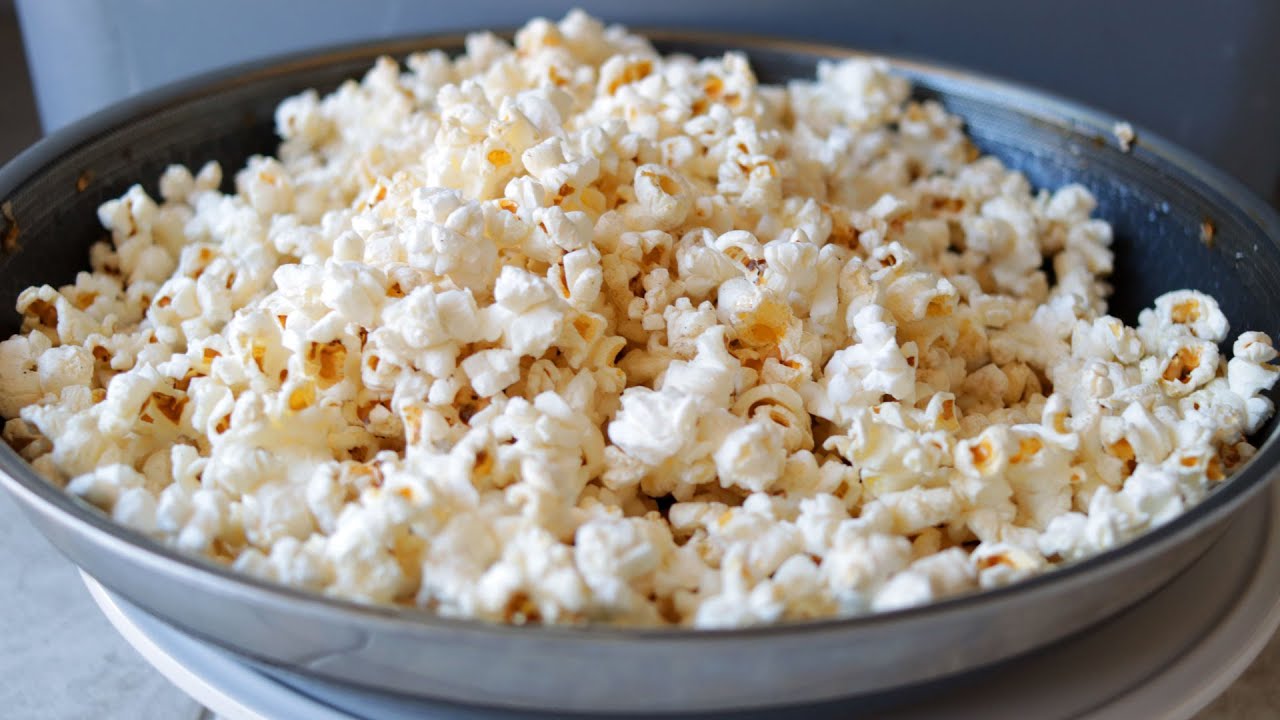
Stovetop Popcorn Recipe: There’s something magical about the sound of popcorn popping in a pot, the aroma filling your kitchen, and the anticipation of that first crunchy bite.
If you’ve only ever made popcorn in the microwave or grabbed a bag off the grocery shelf, you’re in for a treat. Stovetop popcorn is not only more flavorful, but it also gives you total control over the taste, texture, and healthiness of your snack.
This guide will walk you through every single step, from the ingredients you need to how to avoid burning your batch. Whether you’re prepping for movie night or just want a quick snack, stovetop popcorn is the way to go!
Why Make Popcorn on the Stovetop?
Let’s face it—microwave popcorn is convenient, but it can’t compete with the flavor, texture, or freshness of stovetop popcorn. When you pop your kernels on the stovetop, you’re not just making popcorn—you’re creating a snack experience. You avoid all the preservatives, fake butter flavorings, and plastic-tasting bags. Plus, you can tweak the recipe endlessly: make it savory, sweet, cheesy, spicy—you name it.
Also, stovetop popcorn is cheaper. A single bag of kernels can last for weeks, while microwave bags are pricey for what you get. Making it yourself allows you to control the oil, salt, and toppings—perfect if you’re watching calories or just want a cleaner snack.
What Makes Stovetop Popcorn Better Than Microwave Popcorn?
The answer is control. You control the heat, the oil, and how long it cooks. That means fewer burnt kernels and more flavor. Microwave popcorn often contains hydrogenated oils, artificial flavors, and a ton of sodium. On the stovetop, you get none of that unless you choose it.
Not to mention, stovetop popcorn gives you that classic crunch that bagged popcorn can’t match. Every bite feels fresh, warm, and satisfying. And if you’ve got kids or guests, it’s a fun kitchen activity that everyone can get in on.
Essential Tips for Perfect Stovetop Popcorn
Before you dive in, keep these tips in mind:
- Use a heavy-bottomed pot: This prevents burning and distributes heat evenly.
- Don’t overheat the oil: That’s a quick way to scorch the kernels.
- Test your oil with a few kernels before going all-in.
- Shake the pot while popping to avoid burning and ensure even popping.
- Vent your lid slightly if possible, so steam doesn’t make your popcorn soggy.
- Season right after popping while it’s still hot to help toppings stick better.
Ingredients You’ll Need
Let’s keep it simple to start. You can always customize later.
Popcorn Kernels
- Use high-quality, fresh popcorn kernels.
- Yellow or white kernels both work; yellow tends to pop larger and fluffier.
Oil Options (And Which is Best)
Choose oils with high smoke points. Here are some options:
| Oil Type | Smoke Point | Flavor Profile |
|---|---|---|
| Coconut Oil | 350°F | Rich, buttery |
| Avocado Oil | 520°F | Neutral, clean |
| Canola Oil | 400°F | Light, versatile |
| Peanut Oil | 450°F | Slightly nutty |
| Ghee | 480°F | Buttery, rich |
Avoid using butter alone—it burns too quickly.
Salt & Seasonings
Use fine salt so it sticks well. You can add other seasonings after popping.
Optional Add-ins for Flavor
- Melted butter
- Grated cheese
- Caramel sauce
- Garlic powder
- Chili flakes
- Nutritional yeast
Tools You’ll Need
You don’t need fancy gear—just a few essentials.
The Right Pot
Use a medium to large pot (at least 3 quarts) with a lid. Stainless steel or aluminum with a heavy bottom works best.
Lid (With or Without Vent)
A lid is crucial. A glass lid lets you watch the popping magic, but even a basic lid works. Slightly tilting the lid helps steam escape and keeps popcorn crisp.
Spatula or Oven Mitts
You’ll be shaking the pot, so protect your hands! Oven mitts or a good grip with a spatula handle will help.
Step-by-Step Guide to Making Perfect Stovetop Popcorn
This is where the magic happens. Let’s walk through each step carefully.
Step 1: Measure Your Ingredients
- 2–3 tablespoons of oil
- ½ cup of popcorn kernels
- Salt or seasonings to taste
This will yield around 12–14 cups of popped popcorn—plenty for two people (or one hungry movie watcher!).
Step 2: Preheat the Oil
Place the pot over medium heat and add your oil. Let it heat for about 2–3 minutes, but don’t let it smoke.
Step 3: Test the Oil
Drop in 3 kernels and wait. When they pop, your oil is hot enough. Remove the popped kernels, then add the rest.
Step 4: Add Kernels and Cover the Pot
Pour in the ½ cup of kernels, then cover with the lid. Give the pot a little shake to coat the kernels in oil.
Step 5: Shake and Pop!
Once popping begins, give the pot a gentle shake every 20–30 seconds. This ensures even popping and prevents burning.
Step 6: Listen and Remove from Heat
When the popping slows to 1–2 seconds between pops, remove the pot from the heat. Let it sit for a minute with the lid on—some last kernels might still pop.
Step 7: Season and Serve
Transfer to a large bowl and immediately season while warm. Toss with melted butter, salt, or any flavors you love!
Flavor Variations and Seasoning Ideas
Once you’ve mastered the basic stovetop popcorn recipe, it’s time to get creative. Popcorn is like a blank canvas—perfect for all kinds of flavors, from sweet to savory and everything in between.
Classic Buttered Popcorn
This one’s a no-brainer. After popping, drizzle melted unsalted butter over your popcorn while it’s still hot. Sprinkle on fine sea salt and toss until evenly coated. For movie-theater flavor, you can also use clarified butter or ghee, which has a higher smoke point and a richer taste.
Sweet Caramel Popcorn
Looking for a dessert-style snack? Make a quick caramel sauce by melting ½ cup of sugar with 2 tablespoons of butter and a splash of vanilla extract. Pour over your popcorn, toss to coat, and let it cool slightly until crisp. You can even add a pinch of sea salt for salted caramel popcorn!
Cheesy Popcorn
Craving something cheesy without using real cheese? Sprinkle your hot popcorn with nutritional yeast for a cheesy, slightly nutty flavor that’s also vegan. Want the real deal? Mix in grated Parmesan or even a cheddar cheese powder. Add a dash of smoked paprika or onion powder for extra flavor depth.
Spicy Popcorn
If you like heat, sprinkle on cayenne pepper, chili powder, or even hot sauce (use a light hand here!). Toss with lime zest or Tajin seasoning for a zingy, spicy snack. Crushed red pepper flakes also add a nice kick.
Herb and Garlic Popcorn
Infuse your oil with minced garlic and dried herbs like thyme, rosemary, or oregano before adding the kernels. Or toss the finished popcorn with garlic powder, parsley flakes, and a bit of grated Romano cheese.
Common Mistakes to Avoid
Even though stovetop popcorn is simple, it’s easy to make a few errors. Here are some common pitfalls to avoid:
- Using too much oil: This can make your popcorn soggy and greasy.
- Overheating the oil: If it smokes or burns, start over. Burned oil ruins the flavor.
- Not shaking the pot: This causes uneven popping and burned kernels.
- Leaving the heat on too long: Popcorn burns quickly at the end. As soon as popping slows, take it off the heat.
- Adding butter too early: Butter should be added after popping; it’ll burn if cooked with the kernels.
- Overcrowding the pot: Too many kernels means less room to expand, which leads to uneven popping and burning.
Avoiding these mistakes will save your popcorn and your pan!
How to Store Leftover Popcorn
Yes, popcorn can be stored for later—if you manage not to eat it all in one sitting!
- Cool it down: Let the popcorn cool to room temperature first.
- Store in an airtight container: Use a sealed bowl or zip-top bag to keep it crisp.
- Keep away from moisture: Moisture = soggy popcorn. Store in a dry place.
- Skip the fridge: Refrigeration can make it chewy.
- Consume within 2–3 days: Popcorn tastes best fresh, but if stored properly, it can still be good for a few days.
For flavored popcorn (like caramel), use wax paper between layers to prevent sticking.
Nutritional Benefits of Homemade Popcorn
Here’s the good news: plain popcorn is actually healthy! When air-popped or lightly cooked on the stovetop with minimal oil, popcorn is:
- High in fiber – Keeps you full and supports digestion.
- Low in calories – A 3-cup serving has less than 100 calories (without butter).
- Whole grain – Popcorn is 100% whole grain, which is great for heart health.
- Gluten-free – Naturally safe for people with gluten intolerance.
- Low fat – If you go easy on the oil and butter.
It’s what you add that makes the difference. Skip the artificial flavorings and go for healthy toppings like olive oil, herbs, and nutritional yeast for a guilt-free snack.
Fun Popcorn Facts You Didn’t Know
Let’s end with a few fun facts about your favorite snack:
- Popcorn kernels can pop up to 3 feet in the air.
- Americans eat over 15 billion quarts of popcorn each year.
- Popcorn was first domesticated over 5,000 years ago in Mexico.
- During World War II, popcorn consumption tripled because candy was rationed.
- The world’s largest popcorn ball weighed over 9,000 pounds!
Next time you munch on a bowl, you’re enjoying a snack with serious history!
Serving Suggestions – Movie Nights, Parties, and More
Popcorn is perfect for almost any occasion:
- Movie night? Set up a popcorn bar with different seasonings and toppings.
- Game day? Serve cheesy or spicy popcorn in big bowls for sharing.
- Birthday party? Make sweet popcorn like caramel or chocolate-drizzled varieties.
- Holiday treats? Bag flavored popcorn in clear gift bags tied with ribbon.
- Everyday snack? Keep a batch on hand for school or work.
You can even get creative with presentation—use vintage popcorn buckets, mason jars, or treat bags. Everyone loves popcorn, so why not serve it with style?
FAQs about Stovetop Popcorn Recipe
Q1: What’s the best oil for stovetop popcorn?
A: Coconut oil, avocado oil, or ghee are all excellent choices thanks to their high smoke points and great flavors.
Q2: Why does my popcorn taste stale the next day?
A: Moisture from the air can make popcorn go soft. Store it in an airtight container to keep it fresh.
Q3: Can I flavor popcorn after it’s popped?
A: Yes! Just make sure to add seasonings while it’s still warm so they stick better.
Q4: Is stovetop popcorn healthier than microwave popcorn?
A: Definitely. You control the oil, salt, and toppings—no artificial ingredients required.
Q5: Can I make sweet and salty popcorn together?
A: Absolutely! Mix melted butter with a little sugar and sea salt for a kettle corn-style flavor.
Conclusion
Stovetop popcorn is more than just a snack—it’s a whole experience. From the fun of popping to the endless possibilities for flavoring, it’s the perfect combination of simplicity and satisfaction. Whether you go for classic butter, spicy heat, or a sweet treat, stovetop popcorn is cheaper, tastier, and healthier than anything from a microwave bag.
Once you’ve tried this step-by-step guide, you’ll never go back to store-bought again. So grab your pot, your kernels, and a little oil—popcorn greatness awaits!