Steak Dry Rub Seasoning Recipe: Nothing beats the flavor of a perfectly grilled steak. But if you’ve ever wondered what sets restaurant-quality steak apart from your homemade version, here’s the answer: a great dry rub seasoning. A good rub not only adds flavor but creates a mouthwatering crust that locks in juices and enhances texture. It’s like the steak’s secret handshake—it welcomes you with deep, bold flavor that’s hard to forget.
So, if your steak game has been a little bland lately, it’s time to give it a flavor boost that doesn’t require marinades or sauces. This step-by-step guide will walk you through everything from ingredients to preparation and cooking, ensuring your steak is the talk of every dinner.
Benefits of Using a Dry Rub for Steak
Let’s get one thing straight: a dry rub isn’t just for show. It’s a powerhouse of flavor, and here’s why you’ll want it in your cooking toolkit:
- Flavor Enhancement: Dry rubs infuse the meat with intense, concentrated flavor. Unlike marinades, which can water down the steak, rubs sit on the surface and form a flavor-packed crust when seared.
- Texture Improvement: When grilled or pan-seared, the sugars and spices in the rub caramelize beautifully, giving your steak a crispy outer layer that’s rich and savory.
- No Need for Sauces: Who needs sauce when the steak is already dripping with flavor? A solid rub means less mess, more flavor, and no need to drown your meat in condiments.
- Customizable: You’re not stuck with one flavor. Want spicy? Add cayenne. Sweet? Toss in brown sugar. You control the outcome.
- Saves Time: No waiting for meat to marinate. Just rub it, rest it briefly (or overnight), and you’re good to go.
What is a Dry Rub?
A dry rub is a mixture of spices, herbs, salt, and sometimes sugar that’s applied directly to the surface of meat. Unlike a marinade, there’s no liquid involved. It sticks to the meat, and when cooked, it forms a delicious, caramelized crust that’s packed with flavor.
There are different styles of dry rubs:
- Sweet Rubs: Typically include brown sugar and cinnamon. Great for balancing spicy or smoky elements.
- Spicy Rubs: Often use cayenne, chili powder, or crushed red pepper.
- Smoky Rubs: Smoked paprika or chipotle powder gives a wood-fired flavor without needing a smoker.
You can tweak the rub to suit your taste—mild, wild, or somewhere in between.
Choosing the Right Cut of Steak
Not all steaks are created equal when it comes to dry rubs. You want a cut that can handle bold flavors and stand up to the crust-building power of a rub.
Top Steak Cuts for Dry Rubs:
- Ribeye: Juicy and marbled, perfect for absorbing spice blends.
- New York Strip: A little leaner but still flavorful.
- Sirloin: Budget-friendly, works great with a robust rub.
- Filet Mignon: If you’re going for elegance, use a light rub to avoid overpowering its delicate flavor.
Pro Tip: Pat your steak dry before applying the rub. Moisture on the surface can make it harder for the rub to stick and interfere with browning.
List of Ingredients You’ll Need
Here’s a basic, versatile dry rub recipe that brings out the best in any cut of steak.
Core Ingredients:
- 2 tablespoons brown sugar
- 1 tablespoon kosher salt
- 1 tablespoon paprika (use smoked paprika for extra flavor)
- 1 teaspoon garlic powder
- 1 teaspoon onion powder
- 1 teaspoon black pepper
- 1 teaspoon chili powder
- ½ teaspoon ground cumin
- ½ teaspoon cayenne pepper (adjust to heat preference)
Optional Add-ins:
- ½ teaspoon dried thyme or rosemary for herby notes
- 1 teaspoon ground coffee for depth and earthiness
- Zest of 1 lemon for a citrus punch
Mix and match to your taste. The beauty of this recipe is that it’s your flavor playground.
Essential Tools for Applying Dry Rub
You don’t need a ton of gear to make this happen, but having the right tools makes the job easier:
- Mixing bowl: To blend your spices evenly
- Measuring spoons: Precision matters when balancing flavors
- A fork or whisk: For mixing
- Gloves or clean hands: To apply the rub without contamination
- Plastic wrap or a plate: To rest your steak post-rub
Optional but helpful:
- Spice grinder: For freshly ground spices
- Vacuum sealer: If you’re planning to rub and store
Step-by-Step Guide: How to Make the Best Steak Dry Rub
Step 1: Measure the Spices Accurately
Use dry measuring spoons and level off each spice to ensure balance. A little too much salt or cayenne can throw everything off. Add the measured spices to a clean bowl one by one.
Step 2: Mix the Ingredients Thoroughly
Whisk the spices together until the mixture looks uniform in color and texture. This ensures you don’t get a bite full of salt or a chunk of sugar in one spot.
Step 3: Taste Test the Rub (Optional but Recommended)
Dip a fingertip in the rub and taste a small amount. It should taste bold, balanced, and slightly intense. If anything feels off, adjust—add more sugar for sweetness or paprika for smokiness.
Step 4: Apply the Rub to the Steak
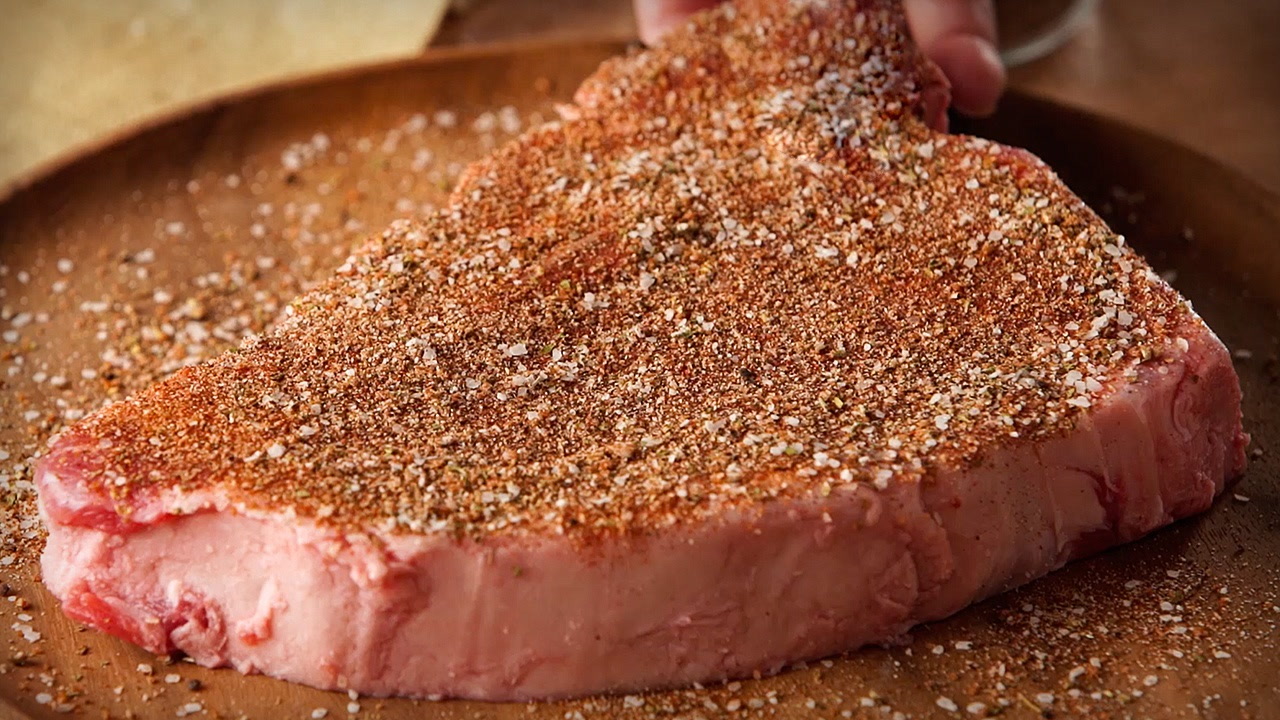
Pat the steak dry with paper towels. Then, using your fingers, generously coat the entire surface of the meat with the rub. Press the rub into the meat so it sticks well—don’t just sprinkle it on.
Tip: Don’t be shy! Use enough rub to coat all sides, edges, and corners.
Step 5: Let It Rest Before Cooking
Once rubbed, let the steak sit at room temperature for 20–30 minutes to absorb the spices. For deeper flavor, wrap in plastic and refrigerate for 4–24 hours.
How Long Should You Let the Rub Sit?
Let’s talk about patience—because when it comes to dry rubs, timing makes a big difference. You can absolutely cook your steak right after rubbing it down, but if you want to maximize flavor? Give it time to soak in those spices.
Quick Cook Option (20–30 minutes):
This is your “weeknight dinner in a rush” method. Apply the rub and let the steak rest at room temperature for about 20 to 30 minutes before cooking. This allows the seasoning to bond with the surface and begin drawing out moisture, forming that flavorful crust when seared.
Overnight Option (4 to 24 hours):
If you really want a flavor bomb, wrap the seasoned steak in plastic wrap and refrigerate it. Letting it sit overnight allows the salt and spices to penetrate deeper into the meat. This is where you’ll get that “wow” factor in both taste and aroma.
Pro Tip: Always take the steak out of the fridge at least 30 minutes before cooking to bring it back to room temp. Cold steak = uneven cooking.
Refrigeration Tips:
- Use an airtight container or wrap tightly in plastic.
- Place the steak on a plate to catch any drips.
- Keep in the coldest part of your fridge.
Best Cooking Methods After Applying the Rub
Once your steak is prepped and seasoned, you’ve got options when it comes to cooking. The rub works its magic no matter how you cook it, but here are the best methods:
1. Grilling
This is the ultimate method for a rub-coated steak. The high heat helps create that flavorful crust fast.
- Preheat your grill to high.
- Sear each side for 3–4 minutes.
- Lower heat or move to indirect heat until it hits your preferred doneness.
2. Pan-Searing
No grill? No problem. A cast iron skillet will do just fine.
- Heat skillet over medium-high until it’s screaming hot.
- Add a splash of oil and sear steak for 3–4 minutes per side.
- Finish in the oven if it’s a thicker cut.
3. Oven Roasting
Great for thicker cuts like ribeye or tomahawk steaks.
- Preheat oven to 400°F (200°C).
- Sear steak on stovetop first, then transfer to oven.
- Cook until internal temp reaches your desired doneness.
Tip: Always rest the steak 5–10 minutes after cooking to lock in the juices.
Common Mistakes to Avoid
Dry rubs are pretty forgiving, but a few common slip-ups can mess with your results. Here’s what to watch out for:
1. Over-salting
Salt enhances flavor, but too much ruins the experience. If your rub has both kosher salt and salty spices like garlic salt, balance it out with sugar or neutral spices.
2. Using Wet or Damp Meat
Moisture is the enemy of that crispy crust you’re after. Always pat your steak dry with paper towels before applying your rub.
3. Skipping the Rest Time
Rushing straight to the pan or grill without letting the rub set means less flavor and weaker crust. Give it at least 20 minutes, if not more.
4. Not Pressing the Rub In
A gentle sprinkle isn’t enough. Press the rub into the steak so it adheres well and doesn’t fall off during cooking.
5. Cooking Straight from the Fridge
Cold steak + hot pan = uneven cooking. Let it sit at room temp for 30 minutes before you cook.
How to Store Your Homemade Dry Rub
Don’t toss the leftovers—your dry rub can be stored and reused. Here’s how to keep it fresh:
- Use an airtight container: Mason jars or spice jars with tight-fitting lids work great.
- Label and date it: Write the name and the date you made it.
- Store in a cool, dry place: Keep it away from heat and light. Your pantry or spice cabinet is ideal.
- Shelf life: Most dry rubs stay fresh for 6 months, though it depends on the freshness of your spices.
Warning: If you’ve touched raw meat with any leftover rub, don’t store or reuse it. Always keep meat-contaminated rubs separate.
Variations to Try
Want to get creative? Customize your rub for different occasions or flavor cravings. Here are a few popular variations:
1. Smoky Chipotle Rub
- Add 1 tsp chipotle powder
- Replace paprika with smoked paprika
- Add a pinch of brown sugar
Perfect for grilled steaks and adds a bold, campfire-style flavor.
2. Coffee-Based Rub
- Add 1 tbsp finely ground coffee
- Increase brown sugar to 2 tbsp
- Add ½ tsp cinnamon
This rub gives a deep, earthy tone—amazing on ribeye and NY strips.
3. Sweet BBQ Rub
- Add 2 tbsp brown sugar
- Mix in 1 tsp dry mustard
- Add ½ tsp smoked paprika
This one’s great for kids or guests who like a little sweetness with their steak.
Pairing Suggestions
What good is a perfectly rubbed steak without something amazing to go with it? Here are a few pairing ideas that bring your whole meal together:
Best Side Dishes
- Garlic mashed potatoes
- Roasted asparagus or Brussels sprouts
- Creamy mac and cheese
- Corn on the cob with herb butter
- Grilled mushrooms
Beverage Pairings
- Red wine: Cabernet Sauvignon, Malbec, or Zinfandel
- Beer: Stout, porter, or amber ale
- Mocktails: Rosemary lemonade or sparkling pomegranate soda
Great steak deserves great company—on the plate and in your glass.
FAQs about Steak Dry Rub Seasoning Recipe
1. Can I use this dry rub on other meats?
Absolutely! It works great on chicken, pork chops, ribs, and even tofu if you’re feeling adventurous.
2. How spicy is this seasoning?
It’s mild to moderately spicy, but you can control the heat by adjusting the cayenne or chili powder levels.
3. Can I store the steak after applying the rub?
Yes. Wrap it tightly and refrigerate for up to 24 hours. Just remember to bring it to room temp before cooking.
4. Do I need to oil the steak before cooking?
Not necessary with a good rub. But adding a light brush of oil before searing can help develop a crust, especially in pan-searing.
5. Can I turn this into a wet rub?
Yes! Just add a bit of olive oil or Worcestershire sauce to make it into a paste. Apply the same way as the dry version.
Conclusion
Making your own steak dry rub seasoning is simple, affordable, and totally customizable. Whether you’re grilling on a summer day or pan-searing indoors, a well-balanced dry rub elevates your steak from basic to brilliant. With the right ingredients, tools, and a little patience, you’ll be serving up restaurant-quality steaks that everyone will rave about.
Next time you crave steak, skip the bottle of BBQ sauce and go for bold with your own homemade rub. Once you taste the difference, you’ll never go back.