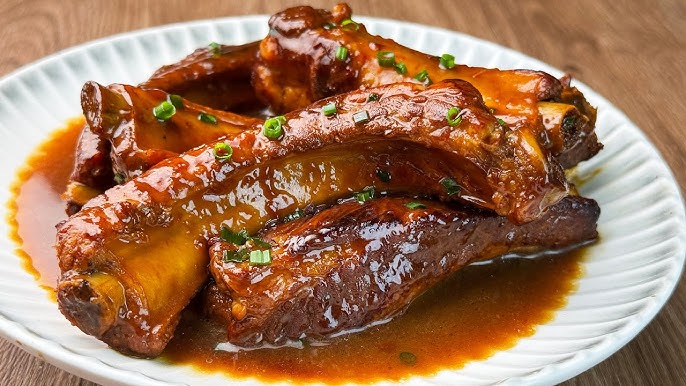
Tender Pork Spare Ribs Recipe: There’s something magical about biting into a perfectly cooked pork spare rib. Tender, flavorful, and dripping with juices—this dish is more than just meat on bones; it’s a celebration on a plate. Whether you’re hosting a summer BBQ, feeding a hungry family, or just satisfying a weekend craving, pork spare ribs never disappoint.
What makes this recipe stand out? It’s the slow, loving process of seasoning, marinating, and cooking that transforms these ribs into fall-off-the-bone deliciousness. And guess what? You don’t need to be a pitmaster to make them taste amazing. With just a few pantry staples, a little time, and some patience, you can bring restaurant-quality ribs right into your kitchen.
We’re diving into a step-by-step guide that covers everything from choosing the best ribs to seasoning, cooking, and even serving. Let’s get those ribs tender, juicy, and unforgettable.
Why Pork Spare Ribs are a Crowd Favorite
Why are pork spare ribs such a staple at cookouts and dinner tables? Simply put—they deliver on every level. Flavor? Check. Texture? Oh yes. Flexibility? Absolutely.
Pork spare ribs come from the belly area of the pig, making them naturally more flavorful and marbled with fat. This fat renders beautifully during slow cooking, infusing every bite with rich, meaty goodness. Unlike lean cuts that dry out easily, spare ribs stay juicy and moist when cooked properly.
They’re also incredibly versatile. You can go smoky and bold with a barbecue rub or sweet and sticky with a honey glaze. Serve them with classic sides like baked beans and coleslaw, or go creative with garlic noodles or pineapple salsa.
Whether you grill, bake, or smoke them, spare ribs are a winning choice that gets people talking, licking their fingers, and asking for seconds.
Types of Pork Ribs You Should Know
Spare Ribs vs. Baby Back Ribs
If you’ve ever been confused at the butcher counter, you’re not alone. The difference between spare ribs and baby back ribs often comes down to size and location.
- Spare Ribs: Cut from the lower belly area. They’re larger, meatier, and contain more fat.
- Baby Back Ribs: Cut from near the spine, smaller, leaner, and a bit more tender but less flavorful.
St. Louis Style Ribs
These are essentially spare ribs with the tips trimmed off. The result? A rectangular, more uniform rack that cooks more evenly and is easier to handle. They’re a great option if you want the flavor of spare ribs but with a tidier presentation.
Choosing the Best Ribs for Maximum Tenderness
Choosing the right rack of ribs sets the foundation for a great dish. Here’s what to look for:
- Even Thickness: Pick a slab that’s uniform in thickness for even cooking.
- Meaty Ribs: Avoid racks that are mostly bone. You want meat in every bite.
- No Strong Odor: Fresh pork should have a neutral smell.
- Pale Pink Color: This indicates freshness. Avoid grey or slimy ribs.
Pro tip: Ask your butcher for St. Louis style ribs if you want the spare rib flavor without the mess.
Essential Kitchen Tools for This Recipe
Cooking pork spare ribs doesn’t require a fancy setup, but a few tools make the job smoother:
- Sharp knife (for trimming fat and removing membrane)
- Roasting pan or baking sheet
- Aluminum foil
- Grill (optional but great for finishing)
- Basting brush
- Meat thermometer
- Mixing bowls for seasoning
If you have a smoker, even better—but an oven does the job just fine.
List of Ingredients You’ll Need
Here’s your grocery checklist to make tender pork spare ribs:
For the Ribs:
- 2 full racks of pork spare ribs (about 3-4 pounds each)
For the Dry Rub:
- 2 tbsp brown sugar
- 1 tbsp paprika
- 1 tbsp garlic powder
- 1 tbsp onion powder
- 1 tsp black pepper
- 1 tsp salt
- ½ tsp chili powder (optional for heat)
For the Sauce (optional):
- 1 cup BBQ sauce (your favorite brand or homemade)
- 2 tbsp honey or molasses
- 1 tbsp apple cider vinegar
That’s it. Simple, flavorful, and pantry-friendly.
How to Prep Pork Spare Ribs
Removing the Membrane
One of the most overlooked steps is removing the thin silver skin on the back of the ribs. It’s tough and chewy—definitely not something you want on your plate.
- Slide a knife under the membrane at one end of the rack.
- Use a paper towel to grip and pull it off in one piece.
- Don’t skip this—it makes a huge difference.
Trimming Excess Fat
Trim any large chunks of fat. You want marbling, not gristle. A clean rack ensures better seasoning coverage and even cooking.
Marinade vs. Dry Rub: Which One Works Best?
Some folks swear by marinades; others are die-hard dry rub fans. What’s the difference?
- Dry Rub: More intense flavor on the surface, ideal for slow roasting or grilling.
- Marinade: Penetrates deeper, great for overnight soaking.
You can even combine both: marinate overnight and apply a dry rub before cooking for maximum flavor.
Simple Dry Rub Recipe
Mix all dry rub ingredients in a bowl. Coat both sides of the ribs generously. Pat it in—don’t just sprinkle.
Easy Marinade Recipe
Mix:
- ½ cup soy sauce
- ¼ cup apple juice
- 2 tbsp brown sugar
- 1 tsp garlic powder
Soak ribs for 6-8 hours or overnight, then pat dry before applying the rub.
Step-by-Step Guide to Cooking Tender Pork Spare Ribs
Now the fun begins—let’s break it down.
Step 1: Prepping the Ribs
Remove the membrane and trim fat. Rinse and pat dry. This ensures a clean, fresh canvas for seasoning.
Step 2: Seasoning with a Rub
Apply your dry rub evenly. Press it in firmly. Let it sit at room temp for 30 minutes before cooking.
Step 3: Letting the Ribs Marinate
For deeper flavor, refrigerate the seasoned ribs for 4 hours or overnight. Wrap in plastic wrap or use a ziplock bag.
Step 4: Slow Roasting in the Oven
- Preheat oven to 275°F (135°C).
- Place ribs on a foil-lined baking sheet.
- Cover with another sheet of foil to trap moisture.
- Roast for 2.5 to 3 hours.
You’re slow-cooking them to tenderness. Be patient—it’s worth it.
Step 5: Finishing on the Grill (Optional)
For that smoky, charred finish:
- Preheat grill to medium heat.
- Brush ribs with BBQ sauce.
- Grill for 5-7 minutes per side until caramelized.
This step takes them from good to jaw-droppingly amazing.
How Long to Cook Pork Spare Ribs
Cooking pork spare ribs low and slow is the golden rule. If you’re rushing the process, you’re not doing your ribs justice. The goal is to break down the connective tissue and fat slowly, allowing everything to become fork-tender without drying out the meat.
Oven Temperature & Time Guide
- Low and Slow (Recommended): 275°F (135°C) for 2.5 to 3 hours
- Faster Method (Still Tasty): 300°F (150°C) for about 2 hours
- Smoking Method: 225°F (107°C) for 5 to 6 hours
Covering the ribs with foil during the oven-baking step traps the moisture and creates a steamy environment that breaks down the meat gently. The result? Tender, juicy ribs that nearly fall off the bone.
Internal Temperature for Doneness
Technically, pork is safe to eat at 145°F (63°C), but for spare ribs, you’re aiming for 190°F to 203°F (88°C to 95°C). This higher temperature ensures the connective tissue has melted and the ribs are as tender as possible.
Use a meat thermometer to check at the thickest part, avoiding bones for an accurate reading.
BBQ Sauce or No Sauce? You Decide
Ah, the eternal debate—to sauce or not to sauce? While some purists prefer dry-rubbed ribs straight from the oven or smoker, many of us crave that sticky, glossy, flavorful BBQ sauce that turns ribs into a guilty pleasure.
When to Add Sauce
Never apply sauce too early. The sugar in most BBQ sauces will burn if exposed to heat for too long. Here’s the perfect timing:
- Apply sauce during the last 10–15 minutes of grilling or baking.
- Brush one side, let it set, then flip and do the other side.
- For extra flavor, apply 2-3 thin layers, letting each one caramelize before adding the next.
Homemade or Store-Bought?
Use what you love. If you want to go homemade, here’s a quick DIY sauce:
Quick BBQ Sauce Recipe:
- 1 cup ketchup
- ¼ cup brown sugar
- 2 tbsp apple cider vinegar
- 1 tbsp Worcestershire sauce
- 1 tsp smoked paprika
Simmer in a saucepan for 10 minutes until thickened. That’s it!
Serving Suggestions for Pork Spare Ribs
Pork ribs are the star of the show, but the right sides can take your meal from great to unforgettable. Whether you’re hosting a BBQ or a cozy dinner at home, here are some top-notch sides to serve:
Classic BBQ Pairings:
- Coleslaw: Crunchy, creamy, and cool—it’s the perfect balance to the rich ribs.
- Cornbread: A sweet-savory classic that complements smoky flavors.
- Baked Beans: Smoky, sweet, and hearty. A must-have!
- Grilled Corn on the Cob: Buttered and charred, it’s a summer staple.
Creative Options:
- Garlic Mashed Potatoes: Comfort food heaven.
- Mac & Cheese: Cheesy, creamy, and kid-approved.
- Cucumber Salad: Light and refreshing.
- Pineapple Salsa: Adds a sweet-tart twist that cuts through the richness.
Tip: Don’t forget napkins and wet wipes. This is hands-on, finger-licking food.
How to Store and Reheat Leftover Ribs
Cooked too much? Lucky you! Leftover ribs reheat beautifully if stored right.
Storing Leftover Ribs
- Let ribs cool to room temperature.
- Wrap tightly in foil or place in an airtight container.
- Store in the fridge for up to 4 days.
- Freeze for up to 3 months (wrap in foil then seal in freezer bags).
Reheating Without Drying Out
- Oven Method: Wrap ribs in foil, heat at 300°F (150°C) for 20–25 minutes.
- Microwave: Place in a covered dish with a splash of water. Microwave on medium for 2–3 minutes.
- Grill: Great for quick reheating. Just 5 minutes per side on medium heat.
Pro Tip: Brush with a little BBQ sauce before reheating to bring back moisture and flavor.
Common Mistakes to Avoid
Even the best intentions can go sideways if you don’t avoid these common rib-cooking pitfalls:
1. Not Removing the Membrane
That thin layer on the back of the ribs? It stays chewy and tough if not removed.
2. Skipping the Seasoning
Ribs need flavor! Whether it’s a dry rub or a marinade, seasoning is non-negotiable.
3. Cooking Too Fast
Cranking up the heat won’t save you time—it’ll just ruin the texture. Low and slow is the way to go.
4. Not Using Foil
Foil traps moisture. Skipping it in the oven can lead to dry ribs.
5. Adding BBQ Sauce Too Early
Burnt sauce is bitter and ruins the finish. Add it only in the last 10-15 minutes.
Avoid these mistakes, and you’ll be a rib master in no time.
FAQs about Tender Pork Spare Ribs Recipe
1. Can I make pork spare ribs ahead of time?
Yes! Cook them fully, refrigerate, then reheat on the grill or in the oven with a fresh layer of sauce.
2. Do I have to use BBQ sauce?
Nope. Dry-rubbed ribs can be just as delicious without sauce, especially if you’re after that deep, smoky flavor.
3. What if I don’t have a grill?
No problem. The oven does an amazing job. Broil the ribs for the last 5 minutes to get that caramelized finish.
4. Can I use this recipe for baby back ribs?
Yes, but reduce cooking time by about 30–45 minutes since they’re smaller and leaner.
5. How do I know when the ribs are done?
Use a meat thermometer—look for 190°F to 203°F. Also, the meat should pull away from the bones easily with a gentle tug.
Conclusion
Pork spare ribs aren’t just food—they’re a full-blown experience. Whether you’re grilling outdoors, roasting in your oven, or even experimenting with a smoker, ribs bring people together like few dishes can. This step-by-step guide walked you through everything: from selecting the perfect rack to seasoning, slow-cooking, saucing, and serving.
The key is patience and attention to detail. With the right rub, a low oven temp, and a little time on the grill, you’ll have ribs that make jaws drop and taste buds dance. So next time you’re planning a hearty meal, don’t settle—go all in with tender pork spare ribs that’ll be remembered long after the bones are cleaned.