Spaghetti Puttanesca Recipe: There’s something timeless about a bowl of pasta that hits all the right notes—salty, spicy, tangy, and savory. Spaghetti Puttanesca is exactly that. It’s a simple, bold Italian classic that has earned its place in kitchens around the world.
You don’t need to be a master chef to make this dish, but when done right, it’ll taste like it came straight from a Neapolitan trattoria. Whether you’re whipping it up for a cozy solo dinner or to impress guests, this pasta delivers big flavor with minimal fuss.
A Brief History of Puttanesca
The name “Puttanesca” carries a bit of a scandalous backstory. Legend has it that the dish originated in Naples in the mid-20th century. Some say it was thrown together by ladies of the night (hence the name, loosely translating to “in the style of the prostitutes”) who needed something quick, satisfying, and made with pantry staples. Others claim it was invented in a restaurant as a late-night meal when fresh ingredients were scarce. Whatever the origin, what’s not up for debate is the bold, punchy flavor that defines this dish.
Why You’ll Love This Dish
- Quick to Make: You can get it on the table in under 30 minutes.
- Budget-Friendly: Uses affordable pantry staples.
- Bursting with Flavor: Thanks to anchovies, garlic, olives, and capers.
- Customizable: Spice it up or tone it down to your liking.
- Vegan Option: Just skip the anchovies!
This dish checks all the boxes—fast, flavorful, and foolproof.
What Makes Puttanesca Unique
Unlike creamy or meaty pasta dishes, Puttanesca is all about brine and bite. The saltiness of the anchovies, the tanginess of the capers, and the rich depth of the olives blend perfectly with the acidic burst of tomatoes. Add in a little chili heat, and you’ve got a pasta that dances on your tongue. It’s bold and unapologetic, just like its name.
List of Ingredients You’ll Need
Here’s everything you’ll need to whip up an authentic Spaghetti alla Puttanesca.
Core Ingredients:
- 400g (14 oz) spaghetti
- 2–3 tbsp olive oil
- 4–5 anchovy fillets (in oil)
- 3–4 garlic cloves, minced
- 1 tsp red chili flakes (adjust to taste)
- 1/2 cup black olives (Kalamata or Gaeta), pitted and halved
- 2 tbsp capers, drained
- 400g (14 oz) canned diced tomatoes
- Salt, to taste
- Freshly ground black pepper
- Fresh parsley (for garnish)
Optional Add-ons:
- Zest of 1 lemon for brightness
- Parmesan cheese (if you’re not going the vegan route)
- A splash of white wine before adding tomatoes
Choosing the Right Pasta
Spaghetti is the traditional choice here, and for good reason. Its thin, long strands carry the sauce perfectly without overwhelming it. However, if you want to shake things up a bit, linguine or bucatini work well too. What you don’t want is a pasta shape that traps the sauce or loses the silky coating this dish is known for.
Step-by-Step Guide to Making Spaghetti Puttanesca
Step 1: Prep Your Ingredients
Before you fire up the stove, get everything ready. Mince your garlic, chop the anchovies, pit and halve the olives, drain the capers, and open the can of tomatoes. Puttanesca comes together fast, so having your ingredients prepped will keep things smooth.
Pro tip: Don’t skimp on prepping—it makes a huge difference when cooking a quick dish like this.
Step 2: Cook the Pasta
Bring a large pot of salted water to a boil. Add your spaghetti and cook until al dente, usually about 8–10 minutes depending on the brand. Stir occasionally to prevent sticking. Once done, reserve about 1/2 cup of pasta water, then drain the rest.
That pasta water is liquid gold. We’ll use it to emulsify the sauce later.
Step 3: Sauté the Garlic and Anchovies
In a large skillet, heat the olive oil over medium heat. Add the minced garlic and chopped anchovies. Stir constantly as the anchovies begin to melt into the oil and the garlic becomes fragrant—about 1–2 minutes.
Don’t let the garlic brown. You’re aiming for golden and aromatic, not bitter.
Step 4: Add Olives, Capers, and Chili Flakes
Toss in the olives, capers, and chili flakes. Give everything a quick stir to coat in the garlicky oil. Let it sizzle together for a couple of minutes. This step builds the base flavor, so let the ingredients mingle and infuse the oil.
Smell that? That’s the soul of Puttanesca kicking in.
Step 5: Add Tomatoes and Simmer
Now add the canned tomatoes to the pan. Stir everything together and let it simmer for 10–15 minutes. The sauce will thicken slightly and the flavors will meld beautifully. Stir occasionally, and don’t forget to taste and adjust salt or chili if needed.
This isn’t a sauce that needs hours to develop—it shines in its quick, punchy flavor.
Step 6: Combine Pasta with Sauce
Once your sauce is ready, add the drained spaghetti directly into the skillet. Toss everything together gently but thoroughly. If it looks a bit dry, add a splash of the reserved pasta water to loosen it up.
You want every strand coated and glossy, not drowned in sauce.
Step 7: Garnish and Serve
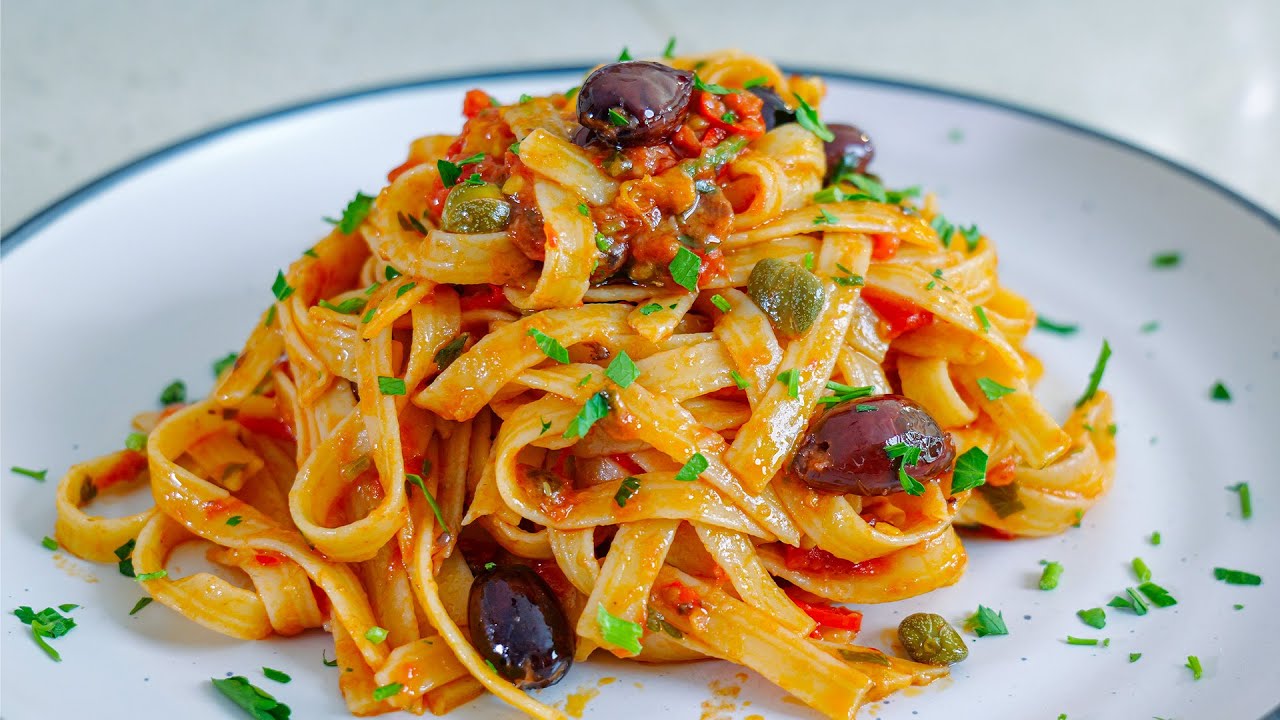
Finish off with a sprinkle of fresh parsley and some freshly cracked black pepper. Serve it hot, straight from the pan. If you’re feeling extra, add some lemon zest or grated cheese—but honestly, it doesn’t need it.
And there you have it. Bold, briny, beautiful Spaghetti alla Puttanesca.
Tips for the Perfect Puttanesca
Want to elevate your Puttanesca game from good to unforgettable? These tried-and-true tips can help you perfect this iconic pasta dish every single time:
- Use high-quality canned tomatoes: San Marzano tomatoes, if you can find them, are sweet, rich, and perfect for this sauce.
- Let the anchovies melt completely: This ensures their flavor blends smoothly into the sauce without leaving a fishy aftertaste.
- Don’t skip the capers: They add an essential salty tang that balances the tomato’s acidity.
- Cook the sauce while the pasta boils: Timing is key—both components should be ready to combine without one waiting too long.
- Use the pasta water wisely: That starchy water helps bring the sauce together and stick to the spaghetti. Start with a tablespoon and add more as needed.
This isn’t a dish that requires much technique, but when you give attention to the details, it transforms into something truly memorable.
Common Mistakes to Avoid
Even a simple dish like Spaghetti Puttanesca can go sideways if you’re not careful. Avoid these pitfalls to keep your pasta on point:
- Overcooking the pasta: Al dente is the goal! Soft, mushy noodles won’t hold up to the bold sauce.
- Using low-quality olives or capers: These are the stars of the dish. Use briny, flavorful varieties for best results.
- Adding too much salt: The anchovies, olives, and capers are already salty. Taste as you go before adding any extra.
- Burning the garlic: This ruins the flavor fast. Keep the heat moderate and stir often.
- Drowning the pasta in sauce: This isn’t spaghetti with tomato sauce—Puttanesca should just lightly coat the pasta.
Follow the steps carefully and treat your ingredients with respect, and this dish will reward you with next-level flavor.
How to Store and Reheat Leftovers
Made a little too much? No problem. Spaghetti Puttanesca holds up pretty well for leftovers if stored properly.
Storage:
- Let the pasta cool to room temperature before storing.
- Transfer to an airtight container.
- Refrigerate for up to 3 days.
Reheating:
- Reheat in a skillet over medium heat with a splash of water or olive oil.
- Stir frequently until heated through.
- You can also microwave it, but the stovetop helps maintain the texture better.
Note: The flavors will actually deepen a bit by the next day, making the leftovers even more delicious!
Variations of Puttanesca
Classic is always good—but why not play with the recipe a little?
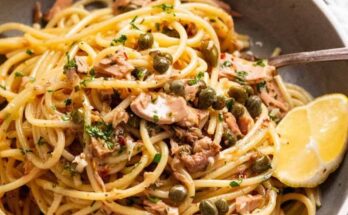
1. Tuna Puttanesca
Add canned tuna (preferably packed in olive oil) for a protein boost. Just flake it into the sauce near the end of cooking.
2. Vegan Puttanesca
Skip the anchovies and boost umami with a bit of miso paste or chopped sun-dried tomatoes.
3. Puttanesca with Fresh Tomatoes
Use chopped cherry tomatoes instead of canned for a fresher flavor, especially in summer.
4. Whole Wheat or Gluten-Free Pasta
Swap the pasta to fit dietary needs—just make sure it’s cooked al dente.
5. Spaghetti Squash Puttanesca
For a low-carb version, roast spaghetti squash and top it with the same punchy sauce.
This dish is super adaptable. Make it your own while keeping its signature spirit intact.
Best Sides to Serve with Spaghetti Puttanesca
Wondering what to serve alongside this spicy, savory pasta? Here are some perfect partners:
- Garlic Bread: Crunchy, buttery, and a great way to scoop up extra sauce.
- Simple Green Salad: A refreshing counterbalance to the dish’s saltiness.
- Roasted Veggies: Try zucchini, eggplant, or bell peppers for a Mediterranean vibe.
- Antipasto Platter: Olives, marinated artichokes, and cured meats play well with Puttanesca’s briny profile.
Stick with light, bright, or crunchy sides to avoid overwhelming your palate.
Wine Pairing Suggestions
Pairing wine with Spaghetti Puttanesca is all about balance. The dish is intense, so your wine should hold its own.
Red Wines:
- Chianti: High acidity and bold flavor—classic pairing.
- Barbera: Fruit-forward with just enough bite.
- Zinfandel: Spice-friendly and rich, perfect with chili flakes.
White Wines:
- Verdicchio: Crisp and minerally, it’s a great contrast.
- Pinot Grigio: Clean, citrusy, and refreshing.
Or just pour yourself whatever you enjoy most—this dish isn’t fussy!
FAQs about Spaghetti Puttanesca Recipe
Q1: Can I make Puttanesca without anchovies?
Yes, you can! While anchovies add depth and umami, you can substitute with miso paste or chopped sun-dried tomatoes for a vegan alternative.
Q2: Is Puttanesca supposed to be spicy?
Traditionally, yes—it has a bit of heat from red chili flakes. But you can adjust the spice level to suit your preference.
Q3: What’s the best type of olive to use?
Kalamata olives are a popular choice for their rich, briny flavor, but you can use any high-quality black olives.
Q4: Can I freeze leftover Puttanesca?
You can freeze the sauce on its own for up to 3 months. Pasta doesn’t freeze well, so it’s best to make fresh noodles when reheating.
Q5: Is Puttanesca good for meal prep?
Absolutely! The sauce keeps well, and you can reheat it quickly during busy weekdays. Just cook fresh pasta when you’re ready to eat.
Conclusion
Spaghetti alla Puttanesca is proof that pantry staples can become something magical when treated right. It’s bold, it’s fast, and it satisfies every craving in one dish. Whether you’re cooking solo or serving guests, this recipe offers huge flavor without the stress. Plus, it’s endlessly adaptable—vegan-friendly, protein-boosted, or even low-carb if you like. With this step-by-step guide, you’re more than ready to master it like a pro.