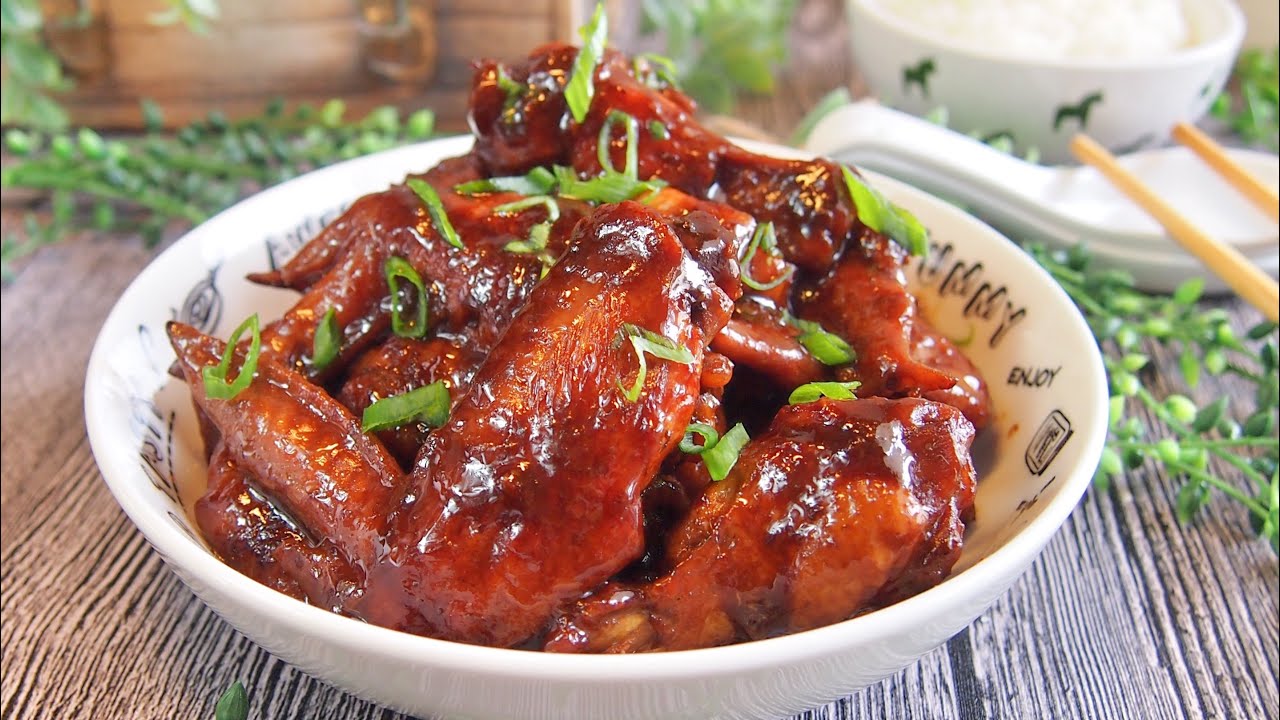
Soy Sauce Chicken Recipe: Craving something savory, slightly sweet, and incredibly juicy? Soy sauce chicken is your answer! It’s a comforting Chinese-style dish where chicken is poached or simmered in a rich, aromatic soy sauce broth.
The best part? You don’t need to be a pro chef to nail it. Whether you’re prepping for a weeknight dinner or impressing guests, this recipe is easy, tasty, and guaranteed to satisfy.
Let’s dive into the flavorful world of soy sauce chicken, one step at a time.
Why You’ll Love This Soy Sauce Chicken Recipe
This isn’t your average chicken dish. Soy sauce chicken delivers layers of flavor with minimal ingredients. The meat turns out tender and juicy, and the dark glaze gives it a stunning presentation. Plus, it’s:
- Budget-friendly
- Family-approved
- Perfect for meal prep
- Easily customizable
Once you try it, you’ll keep coming back for more. It’s a restaurant-quality meal made right in your kitchen!
What is Soy Sauce Chicken?
Soy sauce chicken is a traditional Chinese dish, especially popular in Cantonese cuisine. Whole chickens are gently cooked in a mixture of soy sauces, sugar, aromatics like ginger and garlic, and sometimes a few Chinese spices. The process infuses every bite with bold, savory notes while keeping the meat juicy and fall-off-the-bone tender.
In Hong Kong, it’s a staple in barbecue shops, usually displayed next to roast duck and crispy pork belly. This homemade version brings that same glossy, richly flavored finish without complicated steps or hard-to-find ingredients.
Ingredients You’ll Need
Let’s break down what goes into making this flavorful dish:
Basic Ingredients:
- 1 whole chicken (about 3 to 4 lbs) – or use bone-in chicken thighs or legs
- 1 cup light soy sauce
- ½ cup dark soy sauce – for deeper color and umami
- ½ cup Shaoxing wine – or dry sherry
- ⅓ cup rock sugar or brown sugar
- 1 ½ cups water
- 1 thumb-sized piece of ginger (sliced)
- 4 garlic cloves (smashed)
- 2 star anise pods
- 1 cinnamon stick
- 2 scallions (cut into 3-inch pieces)
Optional Add-ins for Extra Flavor:
- Orange peel (adds brightness)
- Cloves (earthy depth)
- Sichuan peppercorns (a little heat and tingle)
- Oyster sauce or hoisin for sweetness
Notes on Soy Sauce Types:
- Light Soy Sauce: Brings saltiness and aroma.
- Dark Soy Sauce: Adds color and mild sweetness.
- Avoid using low-sodium soy sauce, as it may not produce the rich flavor and glaze we want.
Tools & Equipment Required
- Large pot or Dutch oven (big enough for a whole chicken)
- Tongs
- Ladle or spoon
- Cutting board & sharp knife
- Meat thermometer (optional but helpful)
- Paper towels for drying chicken
- Serving platter
Preparation Tips Before Cooking
Before you jump into the cooking process, here are some prep steps that will make everything smoother:
- Pat the chicken dry with paper towels. Moisture will prevent a nice glaze.
- Trim excess fat around the neck and cavity.
- Have all ingredients prepped and ready to go. The cooking process moves quickly once it starts.
- Check pot size – Make sure your pot is big enough to fully submerge or mostly cover the chicken in the soy sauce mixture.
Getting prepped ahead of time ensures a stress-free cooking session and better results.
Step-by-Step Guide to Making Soy Sauce Chicken
Here’s where the magic happens. Follow each step carefully to get juicy, flavorful chicken every time.
Step 1: Clean and Prepare the Chicken
Rinse the chicken under cold water and remove any leftover feathers or organs from the cavity. Pat it thoroughly dry with paper towels – this helps the marinade stick better and results in crispier skin if you opt to roast it later. If using smaller parts like thighs or drumsticks, do the same. Let it sit at room temp for 15–20 minutes before cooking.
Step 2: Make the Soy Sauce Marinade
In a large pot, combine the light soy sauce, dark soy sauce, Shaoxing wine, rock sugar, and water. Stir gently over medium heat until the sugar dissolves completely.
Add the aromatics: sliced ginger, garlic, star anise, cinnamon stick, and scallions. Bring the mixture to a gentle simmer. The aroma will be bold and fragrant—this is your flavor base.
Step 3: Marinate the Chicken
Carefully lower the chicken into the simmering soy sauce mixture, breast side down first. Spoon the sauce over the chicken repeatedly, or rotate it halfway through so it gets evenly coated.
Let it simmer gently—not boil—for 30–40 minutes depending on size. Flip the chicken occasionally to ensure even coloring and flavor. Don’t rush this part! Simmering slowly keeps it juicy.
Step 4: Cook the Chicken – Simmering Method
After marinating for a bit, continue to simmer on low heat until the chicken is cooked through. You can check doneness by piercing the thickest part with a skewer—juices should run clear. If you have a meat thermometer, aim for an internal temp of 165°F (74°C).
Skim any foam or oil from the surface to keep the sauce clean and glossy.
Step 5: Optional – Basting for Glaze
Want that extra glossy, restaurant-style finish? After cooking, transfer the chicken to a rack or plate and brush with more dark soy sauce or a mix of sauce and honey. Let it rest uncovered for 10 minutes before slicing.
You can even broil it for 2–3 minutes to crisp the skin slightly—just keep a close eye to avoid burning!
Step 6: Rest and Slice the Chicken
Let the chicken rest for at least 10 minutes before carving. This keeps the juices inside and makes it easier to cut cleanly.
Use a sharp knife or cleaver to slice it into serving pieces. Pour a little of the reduced soy sauce broth over the top or serve it on the side for dipping.
Serving Suggestions
Soy sauce chicken is versatile and pairs beautifully with a variety of sides. Want to keep it traditional? Serve it with a bowl of hot jasmine rice, spooning some of that rich, savory soy sauce over the top—simple, satisfying, and bursting with flavor.
Looking to elevate the meal a bit more? Try these accompaniments:
- Garlic stir-fried bok choy – Adds crunch and freshness
- Pickled vegetables – Balances the richness of the chicken
- Fried rice or egg noodles – Makes the meal heartier
- Soft-boiled eggs – Marinate them briefly in the leftover sauce for an extra umami punch
Pro tip: If you’re serving for a crowd, present the sliced chicken on a large platter and drizzle extra sauce right before serving. Garnish with chopped scallions or toasted sesame seeds for that Instagram-worthy finish.
How to Store Leftovers
If you’re lucky enough to have leftovers, you’ll want to store them properly to maintain flavor and texture. First, let the chicken cool to room temperature. Don’t let it sit out for more than 2 hours.
Then:
- Transfer the chicken and sauce into an airtight container
- Refrigerate for up to 4 days
The soy-based sauce acts like a natural preservative, helping maintain flavor. Actually, the chicken often tastes better the next day, once it has absorbed more of the aromatic soy mixture!
For longer storage, the cooked chicken can be frozen:
- Debone and slice it first for easier reheating
- Store with a bit of sauce to keep it moist
- Freeze in an airtight container for up to 2 months
Label your containers with the date—you’ll thank yourself later.
Reheating Instructions
Reheating soy sauce chicken the right way ensures it stays juicy and flavorful, not dry or rubbery.
Here are a few options:
Stovetop Method (Best Option):
- Place chicken slices in a pan
- Add a few tablespoons of the soy sauce broth
- Cover and heat on low until warmed through
Microwave (Quick Fix):
- Arrange slices in a microwave-safe dish
- Spoon a little sauce over the top
- Cover with a damp paper towel
- Microwave in 30-second bursts until heated
Avoid high heat or long cook times, which can dry out the meat. Always reheat just until warm.
Common Mistakes to Avoid
Even a simple dish like soy sauce chicken can go sideways if you’re not careful. Keep these common pitfalls in mind:
- Boiling instead of simmering – High heat makes chicken tough
- Using only one type of soy sauce – You’ll miss out on depth of flavor
- Skipping the rest time after cooking – Resting allows juices to redistribute
- Not flipping the chicken during cooking – Results in uneven coloring
- Using low-sodium soy sauce – Leads to bland results
Take your time, taste the sauce as it cooks, and don’t be afraid to adjust along the way.
Nutritional Facts (Approximate per serving)
| Nutrient | Amount |
|---|---|
| Calories | 320–400 kcal |
| Protein | 25–30 g |
| Fat | 15–20 g |
| Carbohydrates | 5–10 g |
| Sodium | 800–1200 mg |
| Sugar | 4–8 g |
Keep in mind, actual values depend on your exact ingredients and portion size. If you’re watching your sodium, opt for a low-sodium soy sauce blend and limit how much sauce you serve.
Tips for Making Restaurant-Style Soy Sauce Chicken
Want to really wow your guests? Use these chef-approved tricks:
- Use rock sugar instead of regular sugar for a smoother, glossy finish
- Tie aromatics in cheesecloth for easy removal and clean presentation
- Blanch the chicken before simmering to remove impurities
- Add a splash of oyster sauce or maltose for richness and color
- Chill the chicken in an ice bath after simmering for extra tender, bouncy texture (like Cantonese white-cut chicken)
It’s the little tweaks that make a big difference.
Variations of Soy Sauce Chicken
Don’t be afraid to mix things up! Here are some fun variations to try:
- Soy Sauce Chicken Wings: Cook just the wings for an easy appetizer
- Sticky Soy Glazed Chicken: Add honey and reduce the sauce for a stickier, caramelized finish
- Spicy Soy Sauce Chicken: Add chili oil, fresh chilies, or Sichuan peppercorns
- Air Fryer Soy Sauce Chicken: Marinate first, then air fry for crispy skin
- Soy Sauce Chicken Rice Bowl: Serve sliced chicken over rice with veggies, a jammy egg, and drizzle sauce
The base flavor is so adaptable, you’ll never get bored.
FAQs about Soy Sauce Chicken Recipe
1. Can I use chicken breasts instead of a whole chicken?
Yes, but keep in mind that chicken breasts can dry out more easily. Reduce simmering time and baste often to keep them moist.
2. Is this recipe gluten-free?
Not by default, since soy sauce usually contains wheat. Use gluten-free tamari or coconut aminos to make it safe.
3. Can I reuse the soy sauce broth?
Yes! Strain it and store it in the fridge. Use it for marinating eggs, tofu, or another round of soy sauce chicken.
4. What’s the difference between dark and light soy sauce?
Light soy sauce is saltier and used for seasoning. Dark soy sauce is thicker, sweeter, and used mainly for color and richness.
5. Can I make this dish in a slow cooker?
Absolutely. Marinate first, then cook on low for 4–6 hours. The flavor deepens, and the meat becomes fall-apart tender.
Conclusion
Soy sauce chicken is the kind of recipe that instantly transports you to a comforting place—maybe a busy noodle shop in Hong Kong or your grandma’s kitchen. It’s savory, slightly sweet, aromatic, and surprisingly easy to make at home. Whether you’re cooking for your family or impressing friends, this dish will always deliver big flavor with simple ingredients.
So go ahead, gather your ingredients, and follow the step-by-step guide. Once you make this once, it’ll become a go-to in your meal rotation.