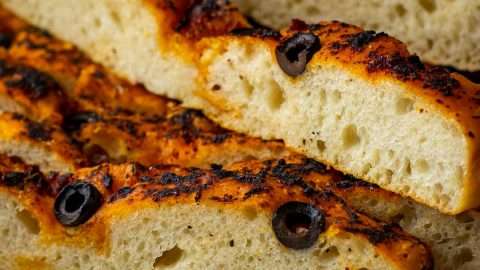
Sourdough Discard Focaccia Recipe: Got extra sourdough discard lying around? Don’t toss it—turn it into golden, crispy-edged, soft-centered focaccia bread.
This sourdough discard focaccia is the ultimate zero-waste recipe, making use of that leftover starter while delivering maximum flavor and texture.
Whether you’re new to baking or a seasoned pro, this guide will walk you through every step of the process. Let’s turn your sourdough scraps into something spectacular.
Benefits of Using Sourdough Discard
Sourdough discard is often overlooked, but it’s actually packed with flavor and potential. First off, using discard helps reduce food waste—why throw away perfectly good fermented flour and water? Second, it enhances the flavor of your baked goods, giving focaccia a subtle tang that plays beautifully with olive oil and herbs. Third, it’s better for digestion. The fermentation process breaks down gluten and phytic acid, making the bread easier on your gut.
Using discard isn’t just a practical solution—it’s a flavor hack and a way to get the most out of your sourdough starter.
Understanding Focaccia Bread
Focaccia is a classic Italian flatbread known for its chewy texture, golden crust, and dimples that hold pools of olive oil and toppings. It originated from Liguria, a coastal region of Italy, and is often flavored with herbs like rosemary or thyme.
What makes focaccia ideal for beginners? It’s incredibly forgiving. There’s no complex shaping, no fancy scoring—just a few rises, a bit of dimpling, and you’re done. The high hydration dough is perfect for showcasing the subtle complexity of sourdough discard.
What Makes This Recipe Special
This isn’t just any focaccia—it’s a hybrid between traditional yeasted bread and sourdough goodness. The sourdough discard adds depth and character while yeast keeps the process quick and manageable. You won’t need to wait 24 hours for a loaf, but you’ll still get some of that signature sourdough aroma.
This recipe is:
- Beginner-friendly
- Ready in less than a day
- Customizable with toppings
- A great use of discard
Ingredients You’ll Need
Here’s everything you’ll need to make the perfect sourdough discard focaccia:
Basic Dough Ingredients
- 2 ½ cups (320g) all-purpose flour
- 1 cup (240g) water (room temperature)
- ½ cup (120g) sourdough discard (unfed)
- 1 tsp instant or active dry yeast
- 1 ½ tsp salt
- 2 tbsp olive oil (for the dough)
For the Pan and Topping
- 3 tbsp olive oil (for greasing the pan and topping)
- Coarse sea salt (for finishing)
- Fresh rosemary or herbs (optional)
- Garlic slices, tomatoes, olives, or caramelized onions (optional toppings)
Note: You can scale this recipe up or down depending on your pan size.
Essential Tools and Equipment
To make this recipe smooth and mess-free, here’s what you’ll need:
- Large mixing bowl
- Dough scraper or spatula
- 9×13-inch baking pan (or similar)
- Measuring cups and spoons or a kitchen scale
- Plastic wrap or a clean kitchen towel
- Oven mitts and cooling rack
Having the right tools helps you stay organized and keeps your dough handling easier, especially with sticky high-hydration doughs like focaccia.
Step-by-Step Guide to Making Sourdough Discard Focaccia
Let’s break down the process in simple, manageable steps:
1. Mix the Dough
In a large bowl, combine the water, sourdough discard, and yeast. Stir until the discard breaks up and dissolves. Add the flour and salt, and mix with a spoon or dough whisk until everything is fully combined. The dough will be shaggy and sticky—don’t worry, that’s perfect.
Add 2 tablespoons of olive oil and fold it into the dough until incorporated. Cover the bowl with plastic wrap and let it rest for 30 minutes.
2. First Rise (Bulk Fermentation)
Let the dough rise at room temperature for 1 to 1.5 hours. It should puff up noticeably but may not double in size. This rest period allows gluten to develop and flavors to build.
3. Stretch and Folds
After the first rise, do a set of stretch and folds to strengthen the dough. Wet your hands, grab one side of the dough, stretch it up, and fold it over. Rotate the bowl and repeat on all four sides. Do this every 30 minutes, for a total of 3 sets over 90 minutes.
4. Second Rise
After the last fold, cover the bowl again and let the dough rise for another hour. It should be airy, soft, and slightly jiggly.
5. Prepare the Pan
Generously oil a 9×13-inch pan (or a round cake tin for a thicker focaccia). Pour the dough into the pan and gently stretch it to fill the surface. Don’t force it—if it resists, let it rest for 10–15 minutes and try again.
6. Final Proof
Cover the pan loosely and let the dough rise again for 45–60 minutes. It should be puffy and spread to the corners of the pan.
7. Dimpling and Topping
Preheat your oven to 425°F (220°C). Drizzle more olive oil over the dough. Using your fingers, press deep dimples all over the surface. Sprinkle coarse sea salt and your desired toppings—rosemary, cherry tomatoes, garlic, or even grapes for a sweet-savory twist.
8. Baking
Bake in the preheated oven for 22–26 minutes until the top is golden brown and the edges are crisp. The bottom should have a nice crust from the olive oil.
9. Cooling and Serving
Let it cool in the pan for 10 minutes, then transfer to a wire rack. Serve warm or at room temperature.
Tips for Perfect Focaccia Every Time
Want your sourdough discard focaccia to come out flawless every single time? These tips will help you get there:
- Hydration is key: This recipe uses a high hydration dough, meaning it’s wetter than a standard bread dough. That’s what gives focaccia its beautiful air pockets and soft, chewy texture. Don’t be tempted to add too much extra flour—it’s meant to be sticky!
- Use a generous amount of olive oil: Not only does olive oil prevent sticking, but it also helps crisp up the crust and adds rich, savory flavor. Brush the pan, the top, and even your fingers with it before dimpling the dough.
- Give it time to rise: Even though you’re using yeast and sourdough discard, don’t rush the proofing steps. A well-proofed dough will be light, airy, and flavorful. Underproofed focaccia will be dense and heavy.
- Let it cool before slicing: It’s tempting to dig in right away, but give it at least 10–15 minutes to cool. This allows the crumb to set, making for cleaner cuts and better texture.
Creative Toppings and Variations
One of the most fun parts of focaccia is playing around with toppings. Here are some tasty ideas to get creative:
Savory Combos
- Rosemary + Sea Salt: A timeless classic.
- Cherry Tomatoes + Basil: Think pizza vibes, without the sauce.
- Caramelized Onions + Thyme: Rich and sweet with herby undertones.
- Olives + Red Onion: Mediterranean flair.
- Jalapeños + Cheddar: A little heat and a lot of flavor.
Sweet Variations
- Grapes + Rosemary + Sea Salt: A surprisingly good sweet-savory combo.
- Fig + Honey: Great served with a cheese plate.
- Cinnamon Sugar + Butter Drizzle: Breakfast focaccia, anyone?
The toppings aren’t just decorative—they add bursts of flavor and elevate your bake into something truly unique.
How to Store and Reheat Focaccia
To keep your focaccia tasting fresh:
- Room temperature: Store leftover focaccia in an airtight container or wrap it in foil. It’ll stay fresh for 2–3 days at room temp.
- Refrigeration: While it can last a bit longer in the fridge, refrigeration can make the bread drier, so room temp is better when possible.
- Freezing: Slice and freeze individual portions in freezer-safe bags. When you’re ready to eat, reheat from frozen at 350°F (175°C) for about 10 minutes.
- To reheat: Pop it in a toaster oven or regular oven (never microwave!) for 5–8 minutes to bring back that crispy crust.
Common Mistakes to Avoid
Even though focaccia is beginner-friendly, a few common pitfalls can ruin your bake. Watch out for these:
- Adding too much flour: The dough should be wet and sticky. Don’t try to “fix” it by over-flouring—it’ll ruin the texture.
- Skipping the second proof: This final rise in the pan gives your focaccia its airy, bubbly interior. Don’t skip it, even if you’re in a rush.
- Overbaking or underbaking: If it’s too pale or too dark, the texture suffers. Keep an eye on the color and check the bottom—it should be golden and crispy.
- Using cold discard without mixing well: Cold discard is fine, but make sure it’s fully mixed into your dough so you don’t get clumps.
Nutritional Information
Here’s a general estimate of the nutritional breakdown per serving (based on 12 servings):
| Nutrient | Amount |
|---|---|
| Calories | 180–220 |
| Carbohydrates | 30g |
| Protein | 4g |
| Fat | 7–9g |
| Fiber | 1g |
| Sodium | Varies depending on salt used |
Please note that the nutritional values vary based on toppings and ingredients used.
Serving Ideas
Not sure how to serve your focaccia? Here are a few delicious ways to enjoy it:
- As a snack: Just slice and serve with olive oil and balsamic vinegar.
- With soups or stews: The perfect dipping bread—especially with tomato or minestrone soup.
- As sandwich bread: Slice horizontally and fill with mozzarella, pesto, grilled veggies, or deli meats.
- Brunch platter: Serve with cheese, fruit, and a variety of spreads.
- Appetizer board: Cut into small squares and pair with dips like hummus, tapenade, or whipped feta.
Focaccia is incredibly versatile—it shines as a centerpiece or a side.
FAQs about Sourdough Discard Focaccia Recipe
1. Can I use sourdough discard straight from the fridge?
Yes! Cold discard works just fine. It may take a little longer to mix in, but the flavor will be just as good.
2. Can I make it with whole wheat flour?
Absolutely. Swap up to 50% of the all-purpose flour for whole wheat. Just know that the texture may be a bit denser.
3. How long should I let it rise?
Each rise typically takes 1 to 1.5 hours, depending on room temperature. The dough should be puffy and airy—not flat.
4. Is it supposed to taste sour?
Not really. Sourdough discard adds a mild tang, but since we’re using added yeast, the flavor is balanced and not overly sour.
5. Can I make it gluten-free?
It’s possible, but you’ll need a high-quality gluten-free flour blend and xanthan gum. The texture may differ significantly, though.
Conclusion
This sourdough discard focaccia recipe is the perfect solution for leftover starter—and a fantastic way to treat yourself to fresh, flavorful homemade bread. It’s easy enough for beginners, flexible for pros, and delicious no matter what toppings you choose.
By following this step-by-step guide, you’ll end up with a beautifully golden, soft, and airy focaccia every time. So the next time you feed your starter, remember: that discard isn’t waste—it’s a delicious opportunity.