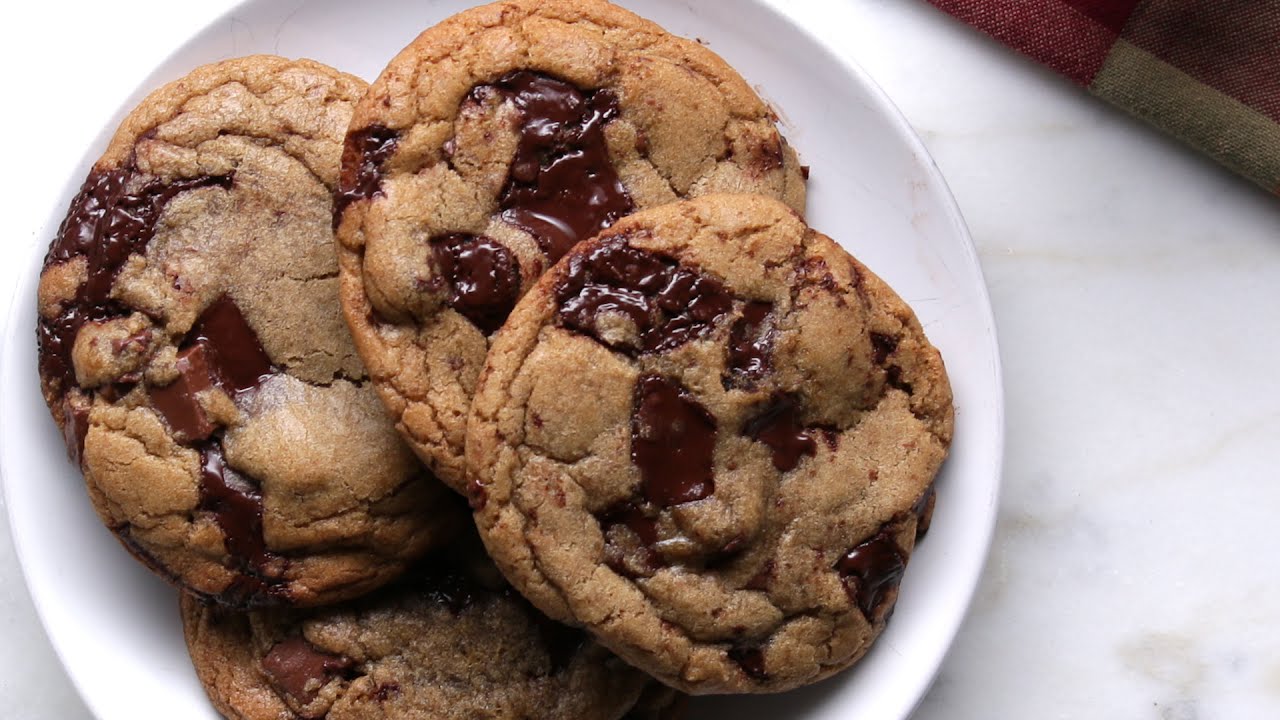
Sourdough Cookies Recipe: Sourdough cookies are the delicious, chewy answer to your sourdough discard dilemma. If you’ve been baking with sourdough starter, you’re probably familiar with the guilt of throwing away perfectly good discard. But here’s the good news: you can turn that tangy leftover starter into something utterly irresistible—cookies!
Sourdough cookies bring together the best of both baking worlds. They’re soft and chewy like your favorite chocolate chip cookie, yet they have a slight tang that adds depth and uniqueness to the flavor. This twist is what makes them stand out, especially if you’re someone who likes a more complex-tasting dessert.
These cookies are more than just another recipe—they’re a brilliant way to reduce waste, experiment with flavors, and satisfy your sweet tooth. Whether you’re a sourdough pro or just starting out, this recipe is your next baking obsession.
Why Use Sourdough Starter in Cookies?
Using sourdough starter in cookies might sound strange at first—after all, it’s mostly associated with rustic loaves of bread. But that tangy, fermented dough brings magic to baked goods beyond bread. In cookies, the starter offers a unique texture: slightly crisp edges, a chewy center, and a deep, rich flavor that makes them unforgettable.
Not only that, but it’s a genius way to use up discard that would otherwise go to waste. And if you’ve ever felt the guilt of tossing starter down the drain, you’ll love this delicious solution. Sourdough cookies are a fun, creative use of what’s already in your kitchen—and once you try them, you’ll never want to go back.
Benefits of Baking with Sourdough Starter
Taste and Texture Enhancement
Sourdough adds layers of flavor you can’t get from ordinary cookie dough. That subtle sour note enhances the sweetness of the cookie and adds depth you never knew you were missing.
Health Benefits
Fermentation can help make nutrients more bioavailable. Some bakers find sourdough-based treats easier to digest, thanks to the breakdown of gluten and phytic acid.
Reducing Waste with Discard
Using your discard is a sustainable choice. Instead of throwing it away, you’re creating something new and delicious from what would’ve been waste. Less waste, more cookies. Win-win.
List of Ingredients You’ll Need
Dry Ingredients
- 1 ½ cups all-purpose flour
- ½ teaspoon baking soda
- ½ teaspoon salt
Wet Ingredients
- ½ cup unsalted butter, softened
- ½ cup brown sugar
- ¼ cup granulated sugar
- 1 large egg
- 1 teaspoon vanilla extract
- ½ cup sourdough discard (unfed)
Optional Add-ins
- 1 cup chocolate chips
- ½ cup chopped nuts (walnuts, pecans)
- ½ teaspoon cinnamon
- A pinch of sea salt for topping
You can customize this recipe with whatever extras you love—dried fruit, white chocolate chunks, toffee bits, or even a sprinkle of espresso powder for a deeper flavor kick.
Tools and Equipment Required
You won’t need anything fancy, just the basics:
- Mixing bowls (one large, one medium)
- Measuring cups and spoons
- Electric mixer or hand whisk
- Rubber spatula
- Cookie scoop or spoon
- Baking sheets
- Parchment paper
- Cooling rack
Optional tools that make life easier:
- Stand mixer
- Kitchen scale
- Silicone baking mat
Understanding the Sourdough Starter
Before diving into the recipe, let’s clarify what kind of sourdough starter you’ll be using.
Active vs. Discard
Active starter is bubbly and lively, ready for bread baking. Discard is what you remove before feeding your starter—less active but still full of flavor.
For cookies, you don’t need the starter to rise the dough, so discard works perfectly.
How to Use Sourdough Discard
Use your discard directly from the fridge or at room temp. Make sure it doesn’t have any signs of spoilage like bad smell or color changes. Fresh discard gives the best results for cookies, lending a light tang without overpowering sourness.
Preparing Your Sourdough Starter
Feeding the Starter
Feed your starter with equal parts flour and water and let it sit at room temperature until bubbly if you want to refresh it. For discard-based recipes like this one, you don’t need to feed it beforehand.
When It’s Ready to Use
The discard should be less than a week old and stored in the fridge. If it’s older, give it a sniff—if it smells too sour or funky, it’s better to skip.
Step-by-Step Guide to Making Sourdough Cookies
Step 1: Gather Your Ingredients
Get all your ingredients measured and ready. This helps everything move faster and smoother, especially when you’re dealing with softened butter or room-temperature eggs.
Step 2: Preheat the Oven
Set your oven to 350°F (175°C). Line your baking sheets with parchment paper or silicone mats. This prevents sticking and makes cleanup easy.
Step 3: Creaming Butter and Sugar
In a large mixing bowl, cream together the softened butter, brown sugar, and granulated sugar until light and fluffy. This step is crucial—it adds air to the dough, making cookies lighter and chewier.
Step 4: Add Wet Ingredients
Beat in the egg and vanilla extract, mixing until smooth. Then, stir in the sourdough discard until fully incorporated. The batter may look a bit softer than typical cookie dough—don’t worry, that’s normal.
Step 5: Mix in Dry Ingredients
In a separate bowl, whisk together the flour, baking soda, and salt. Gradually add the dry mix to the wet ingredients. Stir until just combined—don’t overmix!
Step 6: Fold in Optional Add-ins
Time for the fun part! Stir in your chocolate chips, nuts, or any other goodies you’re adding. Distribute them evenly throughout the dough.
Step 7: Chill the Dough
Cover the dough and chill it in the refrigerator for at least 1 hour. This step helps prevent spreading and gives the flavors time to develop.
Step 8: Scoop and Shape the Cookies
Use a cookie scoop or spoon to portion the dough onto the prepared baking sheet. Leave 2 inches between cookies for spreading.
Step 9: Bake to Perfection
Bake in the preheated oven for 10-12 minutes, or until the edges are golden and the centers look just set. Don’t overbake—they’ll continue to cook on the sheet.
Step 10: Cool and Enjoy
Let the cookies cool on the baking sheet for 5 minutes, then transfer to a wire rack to cool completely. Or don’t—go ahead and sneak one warm. We won’t judge.
Pro Tips for the Best Sourdough Cookies
Want that bakery-style cookie magic at home? These tips will help you elevate your sourdough cookie game:
Don’t Skip the Chill
Chilling your dough isn’t optional—it’s essential. It firms up the fats (like butter), prevents excessive spreading, and allows the sourdough’s subtle flavor to deepen. Even a 30-minute chill helps, but if you can wait overnight, you’ll be rewarded with richer, chewier cookies.
Use a Cookie Scoop
Using a cookie scoop ensures uniform cookies. Not only do they look more professional, but even sizing also ensures even baking. If you don’t have one, a spoon works, but consistency is key for perfect texture.
Let Cookies Rest
Fresh out of the oven, cookies are soft and fragile. Let them rest on the baking sheet for a few minutes before transferring them to a wire rack. This gives them time to firm up without drying out.
Finish with a Touch of Salt
Before baking, sprinkle a tiny pinch of flaky sea salt on top. It intensifies flavor and adds an irresistible contrast to the sweet richness of the dough. It’s a game-changer.
Variations You Can Try
Why stick with one kind when you can try them all? Once you’ve mastered the basic recipe, get creative with these flavor-packed variations:
Chocolate Chip Sourdough Cookies
The classic, with a twist. Add semi-sweet or dark chocolate chips and maybe even a splash of espresso powder to balance the tang.
Sourdough Peanut Butter Cookies
Substitute half the butter with peanut butter. Add chopped peanuts or chocolate chunks for extra texture.
Sourdough Snickerdoodles
Roll dough balls in a cinnamon-sugar mix before baking. The sourdough adds a rich complexity to the traditional sweet-spicy cookie.
Gluten-Free Sourdough Cookies
Use a 1:1 gluten-free baking flour blend and ensure your starter is also gluten-free. The cookies might be a bit softer but still amazing.
Storage and Shelf Life
Baked too many? Don’t worry—sourdough cookies are great for storing.
Room Temperature
Store cookies in an airtight container for up to 5 days. Add a slice of bread to the container to keep them soft.
Freezing Dough and Cookies
- To freeze dough: Scoop into balls and freeze on a baking tray. Once solid, transfer to a freezer bag. Bake directly from frozen—just add 1-2 minutes to bake time.
- To freeze baked cookies: Cool completely and store in freezer-safe bags for up to 2 months. Let thaw at room temp or microwave for 15 seconds.
Common Mistakes to Avoid
Even simple cookies can go sideways. Avoid these pitfalls:
Overmixing the Dough
Mixing too much once the flour goes in develops gluten, leading to tough cookies. Stir just until everything comes together.
Not Using Fresh Starter
If your discard smells overly sour, sharp, or alcoholic, skip it. Older discard can overpower the cookie flavor and mess with the dough’s consistency.
Skipping Chill Time
We’ll say it again: chilled dough = better cookies. Warm dough spreads too much and can bake unevenly.
Using Cold Butter
Cold butter doesn’t cream well, resulting in dense cookies. Always let your butter come to room temperature.
Nutritional Information (Per Cookie)
Please note that values may vary depending on add-ins and portion size.
| Nutrient | Amount (approx.) |
|---|---|
| Calories | 180–200 kcal |
| Carbohydrates | 22g |
| Protein | 2g |
| Fat | 10g |
| Fiber | 1g |
| Sugar | 12g |
For a lower-sugar or higher-protein version, you can reduce sugar slightly or add a scoop of protein powder.
Serving Suggestions
Cookies are perfect on their own, but you can take things to the next level with these pairings:
- With Milk: The classic—cold or warm.
- Ice Cream Sandwiches: Scoop your favorite ice cream between two cookies for a heavenly dessert.
- Coffee or Tea: The tangy-sweet combo of sourdough cookies pairs beautifully with espresso or a mild herbal tea.
- Gift Boxes: Wrap a dozen in a cute box or jar for a thoughtful, homemade gift.
Why Sourdough Cookies Are Trending
You might’ve noticed sourdough cookies all over Instagram and Pinterest. Why the sudden hype?
Social Media Buzz
Bakers everywhere are getting creative with their discard, turning what was once waste into gourmet treats. That earthy, artisan vibe of sourdough adds a rustic charm to the humble cookie—and people love to share their twists online.
Sustainable Baking Movement
More and more home bakers are embracing sustainability. Instead of wasting discard, they’re turning it into something tasty. It’s a small step with a big impact, and people are realizing that delicious and eco-friendly can go hand-in-hand.
FAQs about Sourdough Cookies Recipe
1. Can I make these without sourdough discard?
Yes, but the flavor and texture will be different. You can substitute with a few tablespoons of yogurt or buttermilk, but it won’t have the same depth.
2. How long does the dough last in the fridge?
You can store the dough in the fridge for up to 3 days. Just make sure it’s tightly wrapped to prevent drying out.
3. Why are my cookies flat?
This often happens when the butter is too warm or if you skipped chilling the dough. Also, check your baking soda’s expiration date.
4. Can I use whole wheat flour?
Absolutely! Replace up to half the all-purpose flour with whole wheat for a nuttier flavor. You may need to add a teaspoon of milk to offset the dryness.
5. Do sourdough cookies taste sour?
Not really! The discard adds a gentle tang, but it doesn’t overpower the sweetness. Most people don’t even notice unless you tell them.
Conclusion
Sourdough cookies are the perfect way to use your discard and satisfy your sweet cravings. They’re chewy, flavorful, slightly tangy, and incredibly versatile. Whether you’re making classic chocolate chip or experimenting with bold flavors, the sourdough starter adds a unique dimension you just can’t replicate with regular dough.
So the next time you’re feeding your sourdough starter, don’t toss the discard. Bake a batch of these heavenly cookies instead. You’ll be amazed at how something so simple can taste so extraordinary.