Smoke Brisket Recipe: Smoked brisket isn’t just food—it’s a ritual. It’s the crown jewel of barbecue and a showstopper at any cookout.
While the process may sound intimidating at first, the results are totally worth it. We’re talking about layers of flavor, bark that’s beautifully caramelized, and juicy slices that scream perfection.
This recipe is designed to break things down in an easy, beginner-friendly way, with pro tips sprinkled in for those who want to level up their BBQ skills.
Why Smoked Brisket is a BBQ Classic
Brisket is more than just meat; it’s tradition. From Texas pitmasters to backyard weekend warriors, smoked brisket is the heart and soul of authentic barbecue. The slow-cooking method allows the fat and connective tissues to break down over time, making the meat incredibly flavorful and tender. The bark, smoke ring, and juicy slices are what people chase after. Plus, it feeds a crowd and stores well, so you can enjoy the delicious leftovers for days.
List of Ingredients You’ll Need
Here’s everything you’ll need to get started:
Brisket Selection:
- 10 to 15-pound whole packer brisket (includes both the flat and the point)
- Choose USDA Prime or Choice grade for better marbling
Seasoning & Rub:
- ¼ cup kosher salt
- ¼ cup coarse black pepper
- 2 tablespoons paprika (optional for color)
- 1 tablespoon garlic powder
- 1 tablespoon onion powder
- 1 teaspoon cayenne pepper (optional, for heat)
Optional Add-ons:
- Mustard (as a binder)
- Apple cider vinegar (for spritzing)
- Beef broth or Worcestershire sauce (for moisture)
- Brown sugar (for sweetness if desired)
Having your ingredients measured and prepped before you begin saves time and ensures consistency.
Tools & Equipment Needed
Before you even touch that brisket, make sure you have the right tools:
Smokers:
- Offset smoker (traditional)
- Pellet grill (easy temp control)
- Kamado grill (ceramic style)
- Electric smoker (for convenience)
Essentials:
- Meat thermometer (preferably dual-probe)
- Sharp carving knife
- Cutting board
- Aluminum foil or butcher paper
- Spray bottle
- BBQ gloves
The better your tools, the more control you’ll have over the process—and that means better brisket.
Preparing Your Brisket
Trimming and seasoning your brisket is key. This step helps control the texture, flavor, and appearance of the final product.
Trimming the Brisket:
- Trim excess fat but leave about ¼ inch for moisture.
- Square off edges for uniform cooking.
- Remove the hard fat that won’t render.
Seasoning the Brisket:
- Apply a thin coat of mustard (or olive oil) to help the rub stick.
- Evenly distribute your rub over every surface—don’t forget the sides.
- Let it sit for at least 30 minutes, or overnight for deeper flavor.
How to Make the Perfect Brisket Rub
Don’t overcomplicate it—brisket doesn’t need a fancy rub to taste great. In fact, simplicity is often best.
Simple DIY Rub Recipe:
- Equal parts salt and pepper are classic.
- Add garlic, onion, and paprika for a flavor boost.
Customization Tips:
- For a spicy kick: Add cayenne or chili powder.
- For sweetness: Mix in a tablespoon of brown sugar.
- For boldness: Try coffee grounds or cumin.
Rub it on generously and let it settle into the meat before smoking.
Setting Up Your Smoker
Your smoker setup is as important as the brisket itself. It sets the stage for that smoky magic.
Choosing the Right Wood:
- Oak: Traditional and balanced.
- Hickory: Strong, bacon-like flavor.
- Mesquite: Bold and earthy—use sparingly.
- Fruitwoods (apple, cherry): Lighter, sweet smoke.
Temperature Setup:
- Ideal smoking temp: 225°F to 250°F.
- Use a water pan to maintain moisture.
- Make sure airflow is steady and controlled.
Pre-Smoking Preparations
Let your brisket absorb those seasonings while your smoker comes up to temp.
Resting the Brisket:
- Let the rub sit on the brisket for at least an hour at room temp.
- Overnight refrigeration works best for deeper flavor penetration.
Timing:
- Start early. A 12-pound brisket can take 12–16 hours depending on conditions.
- Plan for 1 to 1.25 hours per pound at 225°F.
Step-by-Step Guide: How to Smoke Brisket
This is where the magic happens. Follow this step-by-step guide closely for unbeatable results.
Step 1: Fire Up the Smoker
Preheat your smoker to 225–250°F (107–120°C). Use hardwoods like oak, hickory, or mesquite for classic brisket flavor. Let the smoker stabilize before adding the meat—steady heat is key.
Step 2: Place the Brisket on the Grill
Place the brisket on the smoker fat-side up, with the thicker end facing the heat source. This helps protect the meat and keeps it moist during the long cook.
Step 3: Maintain Temperature Consistently
Keep the smoker temperature steady throughout the cook. Avoid opening the lid too often, as heat loss can significantly slow cooking and affect bark formation.
Step 4: Spritzing the Brisket (Moisture)
After the first 2–3 hours, lightly spritz the brisket every 45–60 minutes with water, apple juice, or a vinegar-water mix. Spritzing adds moisture and helps the smoke adhere to the meat.
Step 5: Wrapping the Brisket (Texas Crutch)
When the internal temperature reaches around 160–170°F (71–77°C) and the bark looks set, wrap the brisket tightly in butcher paper or foil. This helps push through the stall and retains moisture.
Step 6: Finishing the Cook
Continue smoking until the brisket reaches 195–203°F (90–95°C) and feels probe-tender, like sliding into softened butter. This can take 10–14 hours, depending on size.
Step 7: Resting the Brisket
Remove the brisket from the smoker and let it rest, still wrapped, for 1–2 hours. Resting allows juices to redistribute, making the brisket tender and juicy.
Step 8: Slicing the Brisket Correctly
Unwrap and slice against the grain using a sharp knife. Separate the flat and point if needed, slicing each appropriately for the best texture.
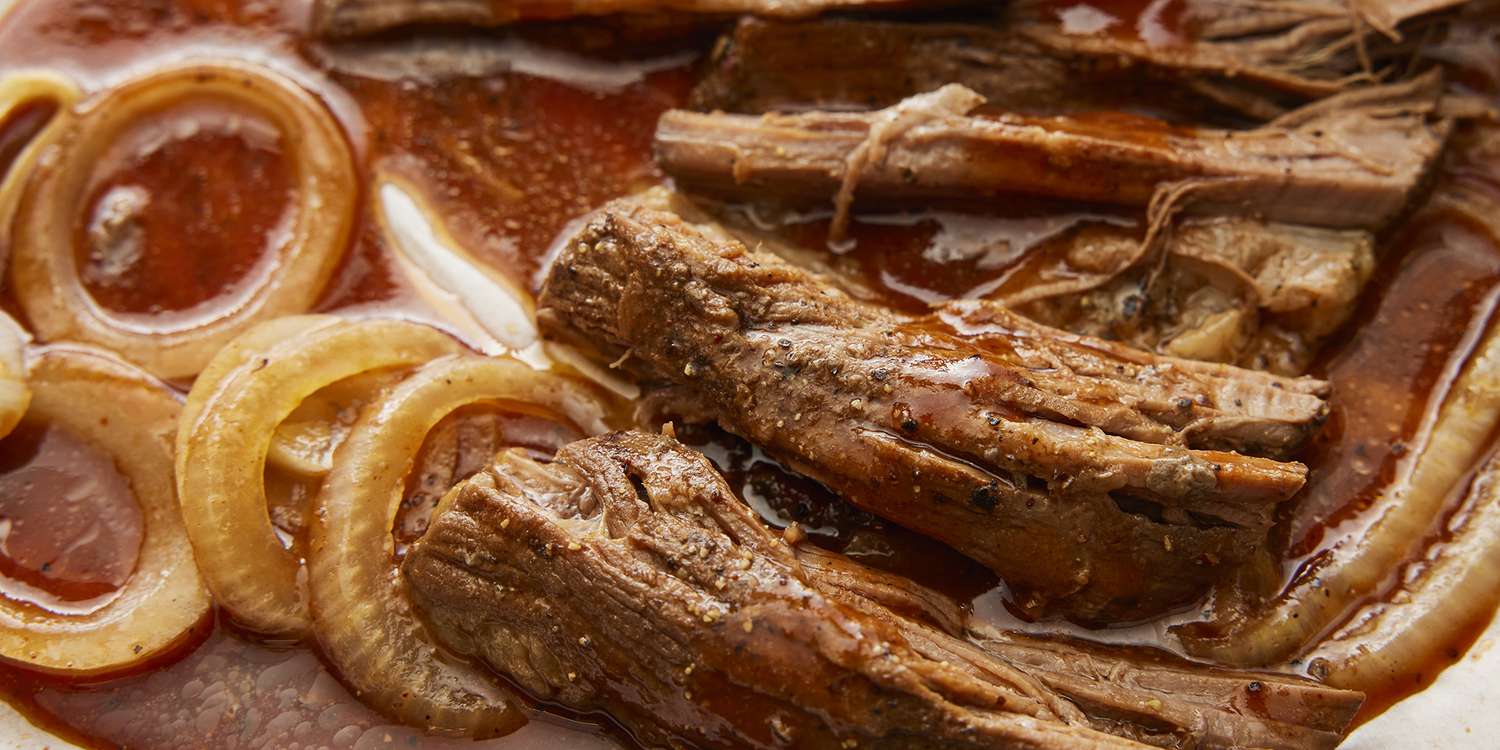
Smoky, tender, and deeply flavorful—properly smoked brisket is pure barbecue perfection 🔥🥩
Tips for First-Time Brisket Smokers
Smoking your first brisket can feel like a massive challenge—but don’t worry, it’s all part of the learning curve. You don’t have to be a pitmaster to make a brisket worth bragging about. Here are a few helpful tips to guide you on your first brisket smoking journey:
- Start early: Brisket takes a long time to cook—often longer than expected. Give yourself plenty of wiggle room.
- Use a meat thermometer: Don’t guess. Internal temperature tells you exactly when the meat is done.
- Don’t rush the rest: Letting your brisket rest is just as important as smoking it. It’s where the juices get locked in.
- Practice patience: The “stall” is real. Around 150–170°F, the brisket might stop rising in temp for hours. That’s normal. Stick with it.
- Test the probe, not the clock: It’s done when the probe slides in easily, not necessarily at a specific time.
Trust the process. Every brisket teaches you something new, and the results are absolutely worth it.
Common Mistakes to Avoid
Even experienced BBQ enthusiasts mess up brisket now and then. Here’s what you should steer clear of if you want to avoid disappointment:
- Skipping the trim: Leaving too much fat on your brisket can lead to greasy bites and uneven cooking.
- Over-seasoning: Keep it simple. The meat and smoke should be the stars.
- Opening the smoker too often: Every peek adds about 10–15 minutes of cook time. Resist the urge.
- Not using a water pan: This helps maintain moisture and prevents your brisket from drying out.
- Skipping the rest: Cutting too soon causes juices to escape, leaving dry meat behind.
Learn from these mistakes so you don’t have to make them yourself!
How to Tell When Brisket is Done
One of the most common questions in brisket smoking is: “How do I know when it’s done?” While time and temperature are helpful guides, tenderness is your true indicator.
Here’s how to know it’s ready:
- Internal Temperature: Aim for 195–203°F.
- Probe Test: Use a thermometer or wooden skewer and insert it into the thickest part. It should feel like going through warm butter.
- Appearance: The bark should be dark, but not burnt.
- Juices: When sliced, it should be juicy—not dry or overly greasy.
Each brisket is a bit different, so focus more on how it feels than sticking to a rigid timeline.
Serving Suggestions
After hours of slow cooking and careful handling, it’s time to show off that beautiful brisket. You can go classic or creative depending on the occasion.
Classic BBQ Plate
- Slices of brisket (both flat and point)
- Coleslaw
- Mac and cheese
- Pickles and onions
- Slices of white bread or brioche buns
Creative Ideas
- Brisket tacos with salsa and lime
- Brisket grilled cheese
- Loaded brisket nachos
- Brisket chili or stew
Don’t forget the BBQ sauce—though a perfectly smoked brisket shouldn’t need much!
Storage & Reheating Tips
Leftover brisket is a gift that keeps on giving. Here’s how to store it like a pro:
Storing Brisket:
- Wrap tightly in foil or butcher paper, then place in an airtight container.
- Store in the refrigerator for up to 4 days.
- Freeze slices with a little leftover juice for up to 3 months.
Reheating Brisket:
- Best Method: Wrap in foil and reheat in the oven at 300°F until warmed through (about 30–45 mins).
- Quick Fix: Microwave with a damp paper towel for moisture, though it might slightly affect texture.
Pro tip: Add a splash of beef broth before reheating to bring back that moisture and flavor.
FAQs about Smoke Brisket Recipe
Q1: How long does it take to smoke a brisket?
A: At 225°F, expect 1 to 1.25 hours per pound. A 12-pound brisket may take 12–16 hours total.
Q2: Should I smoke brisket fat side up or down?
A: It depends on your smoker. For heat from below, fat side down protects the meat. With even heat, either works.
Q3: Can I use store-bought rubs instead of making my own?
A: Absolutely. Just check the ingredients for salt content and adjust accordingly.
Q4: What is the Texas Crutch?
A: It’s the method of wrapping brisket in foil or butcher paper during the cook to help it push through the stall and stay moist.
Q5: What wood is best for smoking brisket?
A: Oak is the gold standard for brisket. Hickory and fruitwoods like apple or cherry are also great options depending on your flavor preference.
Conclusion
Mastering the smoked brisket is a journey—but one well worth taking. With the right prep, patience, and care, you’ll be rewarded with meat that’s flavorful, tender, and full of smoky goodness. This isn’t fast food; it’s slow-crafted, pride-filled BBQ that you can be proud of. Whether it’s your first brisket or your fiftieth, the smell of wood smoke and that first juicy slice will always feel magical.
So fire up that smoker, grab your brisket, and make something amazing. You’ve got this.