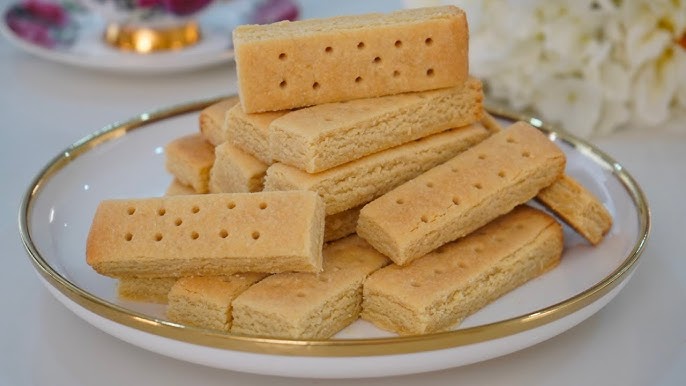
Simple Shortbread Recipe: Shortbread is one of those timeless treats that never goes out of style. With its buttery flavor, tender crumb, and subtle sweetness, it’s the kind of cookie that melts in your mouth and makes you feel instantly cozy. Whether you’re baking for a holiday, teatime, or just because you crave something simple yet delicious, shortbread has your back.
This recipe uses only three core ingredients—yes, just three! It’s a back-to-basics, no-fuss method that delivers perfect shortbread every time. You’ll find this guide packed with tips and a clear step-by-step walkthrough that even beginner bakers can follow confidently.
So, let’s dive into the buttery world of shortbread.
Ingredients You’ll Need
Let’s keep it simple and classic—because that’s where shortbread truly shines. You don’t need fancy extras (unless you want them), just high-quality basics.
Classic 3-Ingredient Shortbread
- 1 cup (2 sticks or 226g) unsalted butter, softened
- ½ cup (60g) powdered sugar (confectioners’ sugar)
- 2 cups (240g) all-purpose flour
That’s it. Seriously.
Optional Add-Ins (for flavor variation)
- ½ tsp vanilla extract – for extra aroma
- Zest of 1 lemon or orange – adds citrus brightness
- Pinch of salt – if using unsalted butter, enhances flavor
- 1 tbsp cornstarch – for a softer, melt-in-the-mouth texture
- Chocolate chips or nuts – for added texture and indulgence
These optional ingredients can help you customize your shortbread, but you can totally skip them and still get a heavenly result.
Equipment You’ll Need
Don’t stress—this recipe is beginner-friendly and doesn’t require a stand mixer or fancy gadgets.
Basic Kitchen Tools
- Mixing bowl
- Hand mixer or sturdy wooden spoon
- Measuring cups and spoons
- Rubber spatula
- Baking tray
- Parchment paper or silicone mat
- Cooling rack
Optional Tools
- Rolling pin
- Cookie cutter
- Pastry cutter or fork
- Knife for scoring or shaping
- Food scale (for more accurate measurements)
The simpler your setup, the more fun this becomes. Now, let’s get into the real action.
Tips Before You Start
Before jumping into the steps, here are a few pro tips to make sure your shortbread turns out perfect every single time.
Use Room Temperature Butter
This is huge. If your butter is too cold, it won’t cream properly. If it’s melted, your dough will get greasy. You want it soft but still firm—think “bendable but not mushy.”
Measure Your Flour Correctly
Too much flour? Dry and crumbly shortbread. Too little? Dough that spreads too much. Always spoon flour into your measuring cup and level it with a knife. Better yet, use a food scale for spot-on results.
Step-by-Step Guide for Shortbread
Now here’s the juicy part! Follow these detailed steps and you’ll bake a batch of melt-in-your-mouth shortbread with zero stress.
Step 1: Gather All Ingredients
You’ll need unsalted butter, sugar (caster or powdered works best), flour, and a pinch of salt. Make sure the butter is softened for easy mixing. Having everything ready keeps the process smooth.
Step 2: Cream the Butter and Sugar
In a mixing bowl, beat the butter and sugar together until smooth and creamy. Avoid overmixing—shortbread should be tender, not airy.
Step 3: Add Flour Slowly
Gradually add the flour and salt to the butter mixture. Mix gently until the dough starts to come together. This slow addition helps maintain the crumbly texture shortbread is known for.
Step 4: Form the Dough
Once the dough begins to clump, use your hands to gently bring it together. Do not knead. The dough should be soft but not sticky.
Step 5: Roll and Cut or Press into Pan
You can roll the dough out on a lightly floured surface and cut into shapes, or press it evenly into a lined baking pan for classic bars or wedges.
Step 6: Chill the Dough
Refrigerate the shaped dough for 20–30 minutes. Chilling helps the cookies hold their shape and improves texture.
Step 7: Bake to Perfection
Bake in a preheated oven at 325°F (165°C) for 20–30 minutes, until just lightly golden. Avoid browning too much—shortbread should be pale.
Step 8: Cool and Serve
Let the shortbread cool completely before serving. Cooling allows it to firm up and develop its signature crumbly bite.
Buttery, simple, and timeless—shortbread is proof that less really is more 🍪✨
Variations to Try
Want to take your shortbread to the next level? Here are some popular flavor and texture twists.
Chocolate-Dipped Shortbread
Once cooled, dip half of each cookie into melted dark or milk chocolate. Let them set on wax paper. You can also sprinkle chopped nuts or crushed candy canes over the melted chocolate for a festive look.
Lemon or Orange Zest Twist
Add 1 tablespoon of lemon or orange zest into the butter-sugar mixture before adding flour. This adds a bright, citrusy kick that complements the richness of the butter beautifully.
Lavender or Rosemary Infusion
Mix 1 teaspoon dried culinary lavender or finely chopped fresh rosemary into the dough for a more sophisticated flavor profile. Perfect for afternoon teas or gifting.
Each variation still follows the same base recipe—just a small twist in ingredients, big impact in taste.
Storing and Freezing Shortbread
Shortbread is perfect for making ahead or saving leftovers. Here’s how to store them properly:
At Room Temperature
- Store cooled cookies in an airtight container.
- Keeps fresh for up to 1 week.
- Add a slice of bread in the container to help maintain moisture.
In the Freezer
Unbaked Dough:
- Wrap tightly in plastic wrap or place in an airtight freezer bag.
- Freeze for up to 2 months.
- Thaw in the fridge overnight before baking.
Baked Cookies:
- Freeze in single layers, separated by parchment.
- Keeps well for up to 3 months.
- Thaw at room temperature before serving.
Shortbread stores like a dream and still tastes just as amazing after freezing, making it ideal for holiday prep.
Troubleshooting Common Issues
Even simple recipes can go sideways if you’re not sure what to expect. Here’s how to fix the most common problems:
Why is My Shortbread Too Crumbly?
- You may have added too much flour or not enough butter.
- Always measure flour by spooning and leveling.
- Next time, try adding 1 teaspoon of milk to bring the dough together.
Why Didn’t It Hold Its Shape?
- Dough likely wasn’t chilled long enough.
- Chilling helps prevent spreading in the oven.
- Also, avoid over-mixing the dough—that can make it too soft and fragile.
Cookies Too Hard?
- Probably overbaked. Shortbread should be just golden at the edges.
- Take them out of the oven even if they look slightly underbaked—they’ll firm up as they cool.
Serving Suggestions
Shortbread is incredibly versatile and pairs beautifully with all kinds of drinks and desserts.
- Tea Time: Classic pairing with Earl Grey, green tea, or chamomile.
- Coffee Break: A buttery cookie and a cappuccino? Yes, please.
- Dessert Base: Crumble and use as a crust for cheesecake or layered parfaits.
- Gifting: Wrap in parchment and tie with twine—perfect homemade holiday gifts.
This cookie works for every season, every mood, and every reason.
Nutritional Info (Per Serving)
| Nutrient | Amount |
|---|---|
| Calories | 150–180 |
| Fat | 10g |
| Carbs | 15g |
| Sugar | 6g |
| Protein | 1g |
(Based on a basic 3-ingredient recipe, serving size: 1 cookie. May vary based on mix-ins or toppings.)
FAQs about Simple Shortbread Recipe
1. Can I use salted butter?
Yes! Just skip the added salt in the recipe. The final flavor will be slightly more savory, but still delicious.
2. How long does shortbread last?
Stored in an airtight container, it lasts up to 1 week at room temperature or 3 months in the freezer.
3. Can I make it vegan?
Absolutely. Substitute vegan butter 1:1 for dairy butter. Be sure to use one intended for baking, not just spreading.
4. What’s the difference between cookies and shortbread?
Shortbread has a higher fat content and no leavening agents like baking soda or eggs. The result is a denser, melt-in-the-mouth texture.
5. Do I need to prick holes in shortbread?
Yes, especially for traditional styles. It helps prevent bubbling and ensures even baking. But if you skip it—it’s not a dealbreaker.
Conclusion
There’s a reason shortbread has stood the test of time—it’s buttery, tender, and ridiculously easy to make. With just three basic ingredients and a few key steps, you’ve got a recipe that’s delicious, adaptable, and perfect for nearly every occasion. Whether you’re a first-time baker or a seasoned pro, this simple shortbread recipe belongs in your go-to collection.
So, grab that butter, whip out a mixing bowl, and treat yourself to one of the easiest and tastiest cookies ever created.