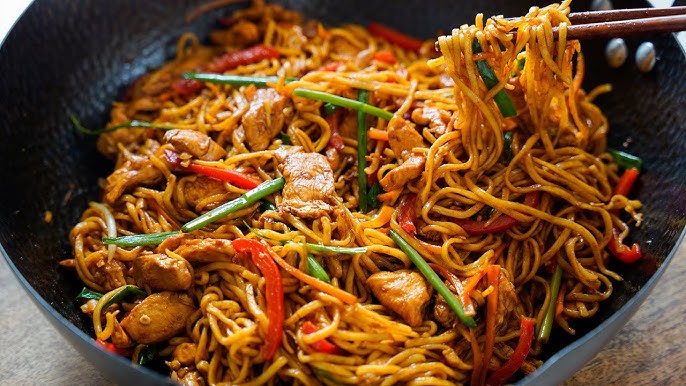
Simple Lo Mein Recipe: Lo Mein is a Chinese stir-fried noodle dish that has become a favorite worldwide. The term “Lo Mein” literally translates to “tossed noodles,” and that’s exactly what it is — soft, chewy noodles tossed with a savory sauce, crisp vegetables, and your choice of protein. Unlike its crispy cousin Chow Mein, Lo Mein is known for its tender texture and rich, glossy sauce that clings beautifully to every strand of noodle. You’ll find it at nearly every Chinese takeout joint, but nothing beats a homemade version that’s customizable, fresh, and downright delicious.
Making Lo Mein at home is super easy, quicker than ordering delivery, and more budget-friendly. Plus, you get full control over the ingredients — which means fewer additives, better taste, and healthier options. Whether you’re new to cooking or a seasoned home chef, this simple Lo Mein recipe is one you’ll want to make on repeat.
Why You’ll Love This Simple Lo Mein Recipe
If you’re craving takeout but want something fresher, healthier, and faster — this Lo Mein checks all the boxes. It’s:
- Quick: Ready in 20 minutes or less.
- Versatile: Use any veggies or protein you have.
- Budget-Friendly: A perfect fridge-cleaner meal.
- Family-Friendly: Kids and adults will both love it.
- One Pan: Minimal cleanup required.
Whether it’s lunch, dinner, or a midnight snack, this Lo Mein is your new go-to meal.
List of Ingredients You’ll Need
Here’s a breakdown of what you’ll need to bring this noodle masterpiece to life:
Noodles:
- Lo Mein noodles – fresh is best, but dry egg noodles or even spaghetti work in a pinch.
- Alternative: Ramen noodles, soba, or linguine if that’s what you’ve got.
Protein Options (pick one or mix):
- Chicken (thinly sliced)
- Beef (flank steak or sirloin, sliced against the grain)
- Shrimp (peeled and deveined)
- Tofu (firm, cubed and pan-fried)
Vegetables:
- Bell peppers (sliced thin)
- Carrots (julienned)
- Cabbage (shredded)
- Snap peas or snow peas
- Mushrooms (shiitake or button)
- Green onions (chopped)
Sauces & Seasonings:
- Soy sauce – 3 tablespoons (low sodium preferred)
- Oyster sauce – 2 tablespoons (for rich umami)
- Dark soy sauce – 1 teaspoon (adds color and depth)
- Sesame oil – 1 teaspoon (for aroma)
- Garlic – 2 cloves (minced)
- Ginger – 1 tsp (fresh grated)
- Sugar – 1 teaspoon (to balance flavors)
- Black pepper – to taste
Optional Add-ons:
- Bean sprouts
- Chili flakes or Sriracha (for heat)
- Sesame seeds (for garnish)
- Lime wedge (for brightness)
Kitchen Tools You’ll Need
You won’t need any fancy gadgets to whip up this dish, just:
- A large wok or deep skillet
- Tongs or chopsticks for tossing
- Pot for boiling noodles
- Strainer or colander
- Knife and cutting board
Before You Start: Quick Tips for Perfect Lo Mein
- Prep everything first – Lo Mein comes together fast. Chop and measure all ingredients before you turn on the heat.
- High heat is key – You want that signature wok flavor, so cook fast and hot.
- Don’t overcook the noodles – Slightly underdone is perfect because they finish cooking when tossed with the sauce.
- Toss, don’t stir – Think of this as noodle gymnastics. Lifting and tossing helps coat everything evenly.
Step-by-Step Guide to Making Simple Lo Mein
Step 1: Boil the Noodles
Start by boiling your Lo Mein noodles according to package instructions — usually around 3 to 4 minutes for fresh noodles, or 6 to 8 minutes for dried ones. You want them just tender but not mushy. Drain immediately and rinse under cold water to stop cooking. Drizzle a little sesame oil over them and toss to prevent sticking.
Step 2: Prep All Your Ingredients
While the noodles are cooking, slice your veggies, chop your protein, and mix your sauce in a small bowl. Combine soy sauce, oyster sauce, dark soy sauce, sesame oil, sugar, garlic, and ginger. Having everything ready to go makes the cooking process super smooth.
Step 3: Stir-Fry the Protein
Heat your wok or skillet on high with a tablespoon of oil. Add your protein and cook until fully done and browned. Chicken takes about 4–5 minutes, beef around 3–4 minutes, and shrimp just 2–3 minutes. Once cooked, remove it from the pan and set aside.
Step 4: Cook the Vegetables
Add a bit more oil if needed. Toss in the harder veggies like carrots and bell peppers first. Stir-fry for 2–3 minutes. Then add softer veggies like mushrooms and cabbage. Cook until everything is just tender but still crisp. Don’t overdo it — you want that fresh crunch.
Step 5: Combine Noodles, Protein & Veggies
Now it’s time to bring it all together. Toss the noodles and cooked protein back into the pan with the vegetables. Use tongs or chopsticks to lift and mix — the goal is to evenly distribute everything.
Step 6: Add the Sauce and Toss
Pour your pre-mixed sauce over the noodles and immediately start tossing. Keep the heat high, and continue tossing until the noodles are shiny and evenly coated. This takes about 2–3 minutes.
Step 7: Final Toss and Taste Test
Do a final toss. Take a quick taste — adjust with more soy sauce if needed or add chili flakes if you want extra heat. Turn off the heat and sprinkle with chopped green onions and sesame seeds for that finishing touch.
How to Customize Your Lo Mein
One of the best things about Lo Mein is how easily it adapts to whatever ingredients you have on hand. Think of it as the pizza of noodles—totally customizable and nearly impossible to mess up.
Add Your Favorite Protein
Don’t feel locked into just chicken or beef. Here are a few tasty protein swaps:
- Eggs: Scramble a couple of eggs in the wok before adding veggies. It gives the dish a fried rice vibe.
- Tempeh or Tofu: For a plant-based option, use firm tofu that’s been pan-fried to get that golden, crispy edge.
- Leftovers: Got leftover roasted chicken, pork, or steak? Chop it up and toss it in. It saves time and adds flavor.
Mix in More Veggies
The more colorful, the better. Use up whatever you have in the fridge—Lo Mein is a great way to reduce food waste. Some favorites include:
- Zucchini
- Broccoli florets
- Baby corn
- Bok choy
- Spinach
Just keep the cooking time in mind—denser veggies go in first, while leafy greens or delicate ones are added last.
Spice It Up
Love a little heat? Customize the spice level with:
- Sriracha
- Red pepper flakes
- Chili oil
- Fresh chili slices
Remember, it’s easier to add spice than remove it—start small and build up.
Storage and Reheating Tips
Got leftovers? Great! Lo Mein keeps well and is even tastier the next day.
- Storage: Transfer to an airtight container and store in the fridge for up to 4 days.
- Reheating: Reheat in a wok or skillet over medium heat with a splash of water or soy sauce to loosen it up. Avoid the microwave if possible—it can make the noodles soggy.
Want to prep in advance? Chop your veggies and protein and make the sauce a day ahead. Then, all you have to do is stir-fry and toss.
Common Mistakes to Avoid
Even though Lo Mein is simple, here are a few common traps to watch out for:
- Overcooking the noodles: Mushy noodles = a mushy mess. Undercook slightly since they’ll finish in the pan.
- Skipping the sauce mix: Mixing sauce directly in the pan can lead to uneven flavor. Always prep your sauce beforehand.
- Too many ingredients: Less is more. Crowding the pan can make everything steam instead of stir-fry.
- Low heat cooking: High heat gives you that slight smoky flavor and keeps veggies crisp.
Stick to the step-by-step guide, and you’ll nail it every time.
Serving Suggestions
A big bowl of Lo Mein is a meal on its own, but if you want to round it out, here are some great pairing ideas:
Side Dishes:
- Spring Rolls: Crispy and flavorful, they complement the softness of noodles.
- Hot and Sour Soup: Adds a little zing and balances the dish.
- Dumplings: Whether steamed or pan-fried, dumplings are always a hit.
Drinks Pairing:
- Green Tea: Light and refreshing to cleanse the palate.
- Iced Jasmine Tea: Floral and mildly sweet—perfect with savory noodles.
- Sparkling Water with Lemon: A great option to cut through the richness.
Make it a full Chinese-style feast or just enjoy the noodles solo—they shine either way.
Nutritional Breakdown (Estimated)
Here’s an approximate nutritional profile for one serving of this Simple Lo Mein (with chicken):
| Nutrient | Amount |
|---|---|
| Calories | 450–500 kcal |
| Carbohydrates | 50–55g |
| Protein | 20–25g |
| Fat | 15–20g |
| Fiber | 4–6g |
| Sodium | 800–1000mg |
Note: This can vary based on ingredients used. Want lower sodium? Use low-sodium soy sauce. Want more fiber? Add more veggies!
Why Homemade is Better than Takeout
You might be wondering, “Why not just call my favorite Chinese place?” Here’s why homemade Lo Mein wins every time:
- Healthier: You control the oil, salt, and sauce.
- Fresher: No soggy veggies or mushy noodles.
- Cheaper: One homemade batch costs less than a single takeout box and feeds more people.
- Customizable: Craving extra garlic? Want more crunch? You’re the boss of this kitchen.
Plus, there’s a special kind of satisfaction in nailing a dish you usually only get from restaurants. It’s empowering, delicious, and fun.
Gluten-Free or Vegan Lo Mein? Here’s How!
Gluten-Free Version:
- Use gluten-free noodles like rice noodles or gluten-free spaghetti.
- Swap soy sauce for tamari or coconut aminos.
- Check that your oyster sauce is gluten-free or use a gluten-free hoisin sauce.
Vegan Version:
- Skip the meat and use tofu, tempeh, or just load up on veggies.
- Replace oyster sauce with mushroom stir-fry sauce or a blend of hoisin and soy sauce.
- Double-check all sauces to ensure they’re plant-based.
You don’t have to sacrifice taste—just make a few tweaks and you’ll still get a delicious bowl of noodles.
Quick Variations of Lo Mein
Want to keep things interesting? Here are a few Lo Mein variations that mix things up while staying simple:
Chicken Lo Mein
- Use boneless chicken thighs or breasts
- Marinate with a bit of soy sauce and cornstarch before stir-frying
Shrimp Lo Mein
- Shrimp cooks fast—add it toward the end
- Great with garlic and chili oil
Veggie Lo Mein
- Load up on all the colors: red bell pepper, snap peas, mushrooms, carrots
- Perfect for Meatless Mondays
Spicy Lo Mein
- Add a teaspoon of chili paste or Sriracha
- Drizzle with chili oil before serving for an extra kick
FAQs about Simple Lo Mein Recipe
1. Can I use spaghetti instead of Lo Mein noodles?
Yes! Spaghetti is a great substitute if you can’t find traditional Lo Mein noodles. Just don’t overcook it.
2. How long does Lo Mein last in the fridge?
Stored in an airtight container, it stays good for up to 4 days. Reheat on the stove for best results.
3. What’s the difference between Lo Mein and Chow Mein?
Lo Mein is soft and tossed in sauce, while Chow Mein is typically fried for a crispy texture.
4. Can I freeze homemade Lo Mein?
Not recommended. The noodles may turn mushy when thawed and reheated. Fresh is always better.
5. Is Lo Mein healthy?
It can be! Homemade Lo Mein is generally healthier than takeout, especially if you use lean protein and load up on veggies.
Conclusion
Lo Mein is one of those dishes that’s satisfying, flexible, and ridiculously easy to make at home. Once you try this simple Lo Mein recipe, you’ll wonder why you ever ordered takeout in the first place. Whether you’re making a weeknight dinner, meal prepping for the week, or cooking to impress friends—this noodle dish won’t let you down.
So, go ahead. Grab those noodles, fire up the wok, and get tossing. Your perfect homemade Lo Mein is just 20 minutes away.