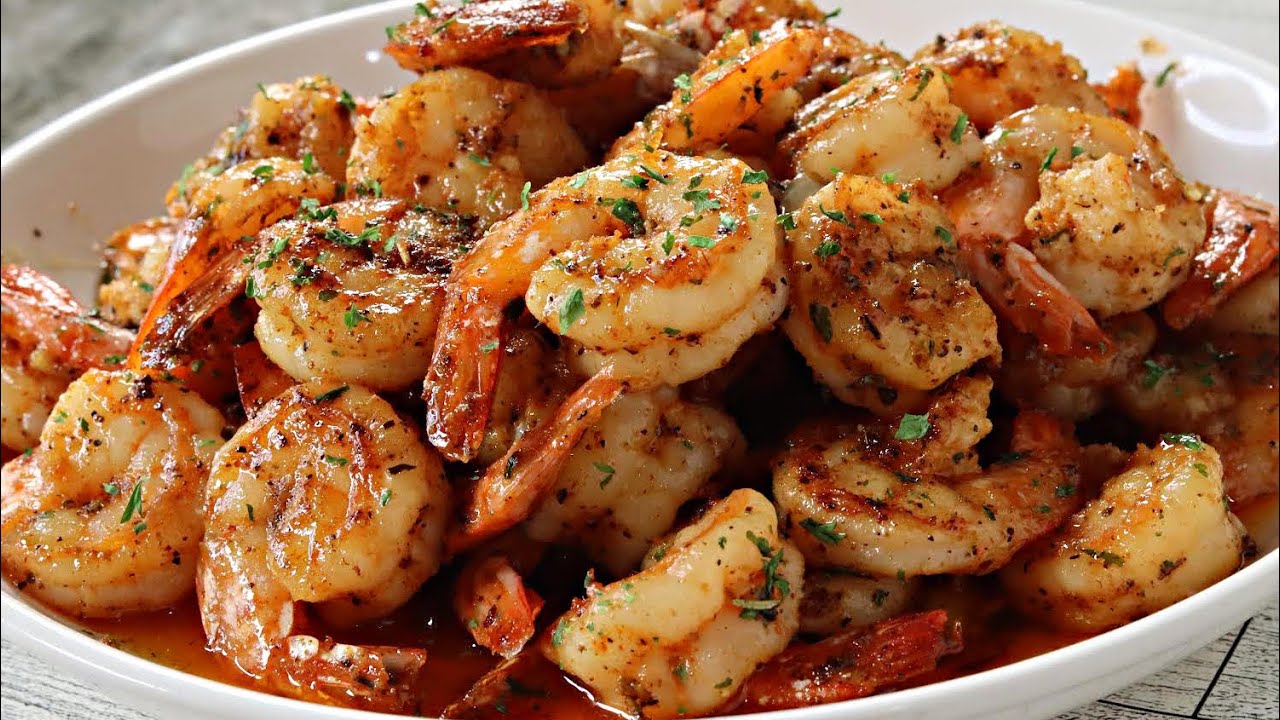
Shrimp Marinade Recipe: Ever bitten into shrimp and thought, “Wow, that flavor is incredible”? Odds are, it started with a good marinade. Shrimp are like little flavor sponges—marinate them right, and they turn into juicy, savory, flavor-packed bites of seafood heaven. Whether you’re firing up the grill or pan-searing on the stove, the right marinade transforms your shrimp from basic to unforgettable. And the best part? It only takes a few minutes to whip up a marinade that tastes like something you’d find at a fancy coastal restaurant.
This guide will walk you through everything—what ingredients you need, how to mix them, how long to marinate shrimp, and even how to cook them after. Plus, we’ll explore different marinade styles so you can change things up every time. Let’s dive in!
Why Marinating Shrimp Makes a Difference
Shrimp are naturally mild in flavor, which means they’re the perfect canvas for bold seasonings. A marinade doesn’t just flavor the surface; it also helps tenderize the shrimp (especially if you’re using acidic ingredients like citrus or vinegar). Marinating also locks in moisture, which prevents the shrimp from drying out during cooking—something that happens all too easily with such a delicate protein.
Imagine biting into shrimp with layers of lemon, garlic, herbs, and a little chili kick—that depth of flavor comes from a well-balanced marinade. Whether you’re prepping shrimp tacos, tossing them into a salad, or serving them over rice, the marinade makes all the difference.
Types of Marinades: Citrus, Herb-Based, Spicy, and More
There isn’t just one right way to marinate shrimp. In fact, different marinades bring out totally different personalities in the shrimp:
- Citrus-based: Lemon, lime, or orange juice adds a refreshing zing.
- Herb-based: Think parsley, thyme, basil—fresh herbs bring brightness.
- Spicy: Add chili flakes, Sriracha, or Cajun seasoning for a fiery punch.
- Asian-inspired: Soy sauce, sesame oil, and ginger create umami heaven.
- Sweet & Savory: A touch of honey or brown sugar balances salty and sour notes.
Pick the style that fits your craving, or mix and match ingredients to invent your own signature marinade.
List of Ingredients You’ll Need
You don’t need a cabinet full of exotic spices to make a great shrimp marinade. Start with these pantry staples and build from there.
Basic Ingredients for a Classic Marinade
- Olive oil – Acts as the base and helps coat the shrimp evenly.
- Garlic (minced) – Adds punchy aroma and depth.
- Fresh lemon juice – Provides acidity and brightness.
- Salt and pepper – Essential for bringing out natural flavors.
- Paprika or chili flakes – For a bit of heat and color.
Optional Add-ons for Extra Flavor
- Honey or brown sugar – For a hint of sweetness.
- Soy sauce – Deep, salty flavor perfect for Asian-style marinades.
- Worcestershire sauce – Adds umami and tang.
- Fresh herbs (like parsley, cilantro, or dill) – Adds freshness.
- Ginger (grated) – For a spicy, warming kick.
- Lime zest or juice – Sharp, citrusy twist.
Mix and match based on what you have. You really can’t go wrong!
Best Shrimp to Use for Marinades
Fresh vs Frozen Shrimp
Let’s get real—most of us are buying frozen shrimp, and that’s totally okay. Just make sure you thaw them properly (we’ll cover that later). Fresh shrimp are fantastic but can be pricey and harder to find. Frozen shrimp that are peeled and deveined save you loads of prep time.
Peeled, Deveined, and Tail-on or Off?
- Peeled & deveined: Best for ease and quicker marinating.
- Tail-on: Great for presentation and grilling, but not necessary for all recipes.
- Shell-on: Holds more flavor but takes longer to marinate and eat.
Choose what fits your cooking plan. For fast meals, peeled and deveined are your best bet.
How Long Should You Marinate Shrimp?
Time is key here. Shrimp are small and absorb flavors fast, so you don’t need to marinate them overnight.
- Minimum: 15–20 minutes
- Ideal: 30 minutes
- Maximum: 1 hour
If your marinade has a lot of citrus or vinegar, don’t go past an hour—acidic ingredients can start to break down the shrimp’s texture, making them mushy. Trust the process and don’t overdo it.
Step-by-Step Guide to Making Shrimp Marinade
Let’s walk through this part together. This is the heart of the whole recipe.
Step 1: Prepare the Shrimp
Start by thawing your shrimp if they’re frozen. Run them under cold water for about 5–7 minutes until fully thawed. Pat them dry with paper towels—marinade sticks better to dry shrimp.
Next, make sure they’re deveined. If not, use a small knife to remove the black vein running down the back. You can keep or remove the tails depending on your preference and how you’re serving them.
Step 2: Mix the Marinade
In a medium-sized mixing bowl, combine your marinade ingredients:
- ¼ cup olive oil
- 2 tablespoons lemon juice
- 3 garlic cloves, minced
- 1 teaspoon paprika
- Salt and pepper to taste
- Optional: 1 tablespoon soy sauce or honey for depth
Whisk everything until it’s smooth and blended.
Step 3: Combine Shrimp and Marinade
Place the shrimp into a zip-lock bag or a shallow bowl. Pour the marinade over them. Toss gently to coat every shrimp evenly.
If you’re using a zip-lock bag, seal it and gently shake it a few times. Make sure the marinade is spread throughout.
Step 4: Marinate and Chill
Pop the shrimp in the fridge for at least 30 minutes. This gives the flavors time to penetrate. If you’re in a rush, even 15 minutes will do. But resist the urge to leave them for hours—shrimp are quick marinating champions, not slow cookers.
Step 5: Cook the Shrimp
Take the shrimp out of the marinade and let any excess drip off. Cook them using your preferred method—grill, pan-sear, or bake.
Cook for 2–3 minutes per side until they’re pink and opaque. Overcooking makes them rubbery, so keep a close eye.
Tips for Getting the Most Flavor from Your Marinade
Want to pack the most punch in every bite? Here are a few pro-level tips:
- Use fresh ingredients – Fresh garlic, lemon juice, and herbs bring vibrancy that dried or bottled substitutes just can’t match.
- Let shrimp sit at room temp for the last 10 minutes of marinating – This helps them cook evenly.
- Use a glass or plastic bowl – Metal can react with acidic ingredients like lemon or vinegar.
- Don’t overcrowd the pan or grill – Give each shrimp some space so it sears, not steams.
- Brush shrimp with leftover marinade while cooking (only if it hasn’t touched raw shrimp for long or boil it first) – Adds even more flavor right before serving.
These little steps can be the difference between “pretty good” and “holy shrimp, this is amazing!”
Do’s and Don’ts of Marinating Shrimp
Knowing what to avoid is just as important as knowing what to do right.
✅ Do:
- Use fresh or properly thawed shrimp
- Measure your marinade ingredients for balance
- Marinate in the fridge, not on the counter
- Cook immediately after marinating
- Taste and adjust seasoning before adding shrimp
❌ Don’t:
- Over-marinate (anything over 1 hour with acid can ruin texture)
- Use metal bowls (acid can react poorly)
- Add salt too early if you’re not cooking right away (it can dry out the shrimp)
- Cook the shrimp in cold pans (they should sizzle when they hit the heat)
- Use raw marinade as a sauce without boiling it first
These do’s and don’ts help you stay on track for a dish that’s flavorful, safe, and delicious.
Shrimp Marinade Variations to Try
Switch things up with these crowd-pleasing variations. Whether you’re going tropical or spicy, there’s a marinade here for every mood.
Lemon Garlic Herb Marinade
- ¼ cup olive oil
- Juice and zest of 1 lemon
- 3 cloves garlic, minced
- 2 tablespoons chopped fresh parsley
- Salt, pepper, and crushed red pepper flakes
This is a go-to for grilling. Light, bright, and delicious on salads too.
Spicy Cajun Marinade
- 2 tablespoons olive oil
- 1 tablespoon Cajun seasoning
- 1 clove garlic, minced
- Juice of ½ lime
- Dash of hot sauce (optional)
This one’s a flavor bomb—great for tacos, skewers, or rice bowls.
Asian Soy-Ginger Marinade
- 3 tablespoons soy sauce
- 1 tablespoon sesame oil
- 1 teaspoon grated ginger
- 1 clove garlic, minced
- 1 teaspoon brown sugar
- Dash of rice vinegar
Perfect for stir-fries or serving over noodles. Garnish with green onions and sesame seeds.
Honey Lime Marinade
- Juice of 2 limes
- 2 tablespoons honey
- 1 tablespoon olive oil
- ½ teaspoon cumin
- Pinch of chili powder
Sweet, zesty, and just a little smoky—ideal for summer grilling or skewers.
Best Cooking Methods After Marination
Cooking shrimp after marinating isn’t one-size-fits-all. Your method affects both the texture and how the marinade caramelizes.
Grilling
- Preheat grill to medium-high heat
- Thread shrimp onto skewers (if needed)
- Cook 2-3 minutes per side until pink and opaque
Grilling gives shrimp a slight char and brings out smoky, complex flavors.
Sautéing
- Heat 1 tbsp oil in a pan over medium-high heat
- Add shrimp in a single layer (avoid crowding)
- Cook 2-3 minutes per side
This method is fast and keeps shrimp juicy—perfect for pasta, rice, or tacos.
Baking
- Preheat oven to 400°F (200°C)
- Spread shrimp on a baking sheet lined with foil
- Bake for 8–10 minutes, flipping halfway through
Great when you’re making a big batch and don’t want to babysit a skillet or grill.
Serving Suggestions: What Goes Well with Marinated Shrimp
Shrimp is super versatile, so pair it with sides and sauces that match your marinade style.
- Grilled vegetables – zucchini, bell peppers, asparagus
- Garlic butter rice or coconut rice
- Fresh salad with vinaigrette
- Corn on the cob
- Avocado salsa or guacamole
- Tortillas or flatbread
- Pasta tossed with olive oil and herbs
Want to keep it light? Go with grilled veggies and salad. Craving comfort? Rice or pasta is your best bet.
Storage Tips: Before and After Marinating
Knowing how to store shrimp safely is essential—this isn’t something you want to mess up.
- Before marinating: Keep raw shrimp in the coldest part of the fridge. Use within 1–2 days of purchase or thawing.
- After marinating (but before cooking): Marinate for no more than 1 hour. Always marinate in the fridge, never at room temperature.
- After cooking: Store leftovers in an airtight container in the fridge for up to 3 days. Reheat gently to avoid overcooking.
Pro tip: Never refreeze shrimp that’s been thawed and marinated—it changes texture and flavor.
Common Mistakes to Avoid
Let’s round things out with a few rookie mistakes that can derail your shrimp game.
- Over-marinating – Again, shrimp don’t need hours. 30 minutes is plenty!
- Skipping the dry-off – Wet shrimp = diluted flavor.
- Using too much acid – Lemon juice is great, but too much can cook the shrimp (like ceviche).
- Crowding the pan or grill – Leads to steaming instead of searing.
- Not tasting your marinade before adding shrimp – Adjust while you can!
Avoid these mistakes and your shrimp will be tender, juicy, and full of flavor every single time.
FAQs about Shrimp Marinade Recipe
1. Can you marinate frozen shrimp?
Yes, but you should thaw them first for the marinade to absorb properly. Running them under cold water or placing them in the fridge overnight works best.
2. How do I know when shrimp is done?
Cooked shrimp turn pink and curl into a C-shape. If they’re tightly curled into an O-shape, they’re likely overcooked.
3. What happens if I marinate shrimp too long?
Too much time in an acidic marinade can break down the texture, making shrimp mushy. Stick to 30 minutes to 1 hour max.
4. Can I reuse leftover marinade?
Not directly. If you want to reuse it, boil it for at least 3–5 minutes to kill bacteria from raw shrimp.
5. What’s the best way to thaw shrimp quickly?
Place them in a colander under cold running water for about 5–7 minutes. Avoid using warm water or microwaving, as it can ruin the texture.
Conclusion
Marinating shrimp might be one of the easiest kitchen upgrades you’ll ever try. It’s fast, flavorful, and totally flexible depending on what you have on hand. With just a few basic ingredients and 30 minutes of your time, you can transform plain shrimp into a restaurant-worthy dish that’s bursting with bold, juicy goodness.
So go ahead—mix up that marinade, toss those shrimp, and get ready to impress your taste buds (and maybe a few guests too). Once you try it, you’ll never go back to plain shrimp again.