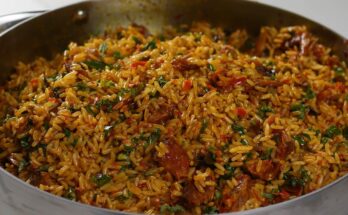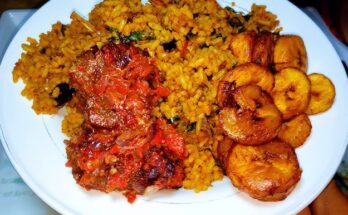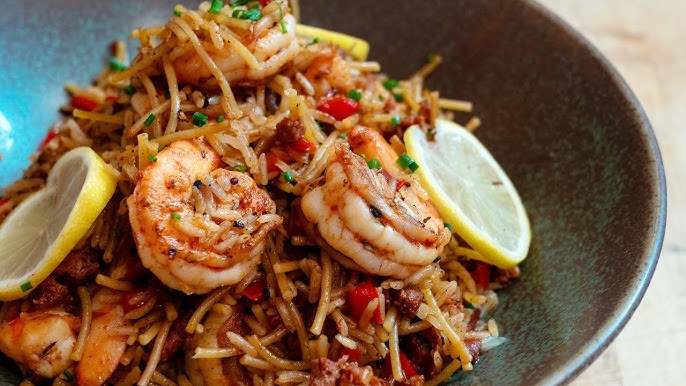
Shrimp Jambalaya Recipe: If you’ve ever craved a hearty, flavorful meal that brings the deep South right to your table, Shrimp Jambalaya is the answer. This dish is a legendary part of Louisiana cuisine, rich with Creole and Cajun influences. Think of it like a spicy, savory one-pot wonder filled with tender shrimp, aromatic veggies, and perfectly cooked rice. Whether you’re looking for a new weeknight favorite or want to impress your guests with something special, this Shrimp Jambalaya recipe will not disappoint.
What is Jambalaya?
Jambalaya is a staple in Louisiana, often compared to paella due to its rice-based structure and mixed proteins. There are two main styles: Creole (with tomatoes) and Cajun (without tomatoes). The beauty of jambalaya lies in its versatility—you can make it with shrimp, sausage, chicken, or a combo of all three. In this recipe, we’re going all in with succulent shrimp that soak up all the spices like a sponge, delivering punchy flavors in every bite.
The dish typically begins with a “holy trinity” of vegetables: bell pepper, onion, and celery. Add in some garlic, tomatoes (if you’re doing it Creole-style), rice, and spices, and you’re on your way to a southern feast.
Why You’ll Love This Recipe
What makes this Shrimp Jambalaya so amazing?
- It’s a one-pot meal—easy to clean up.
- Full of flavor with spices that wake up your tastebuds.
- Customizable—add sausage, chicken, or go all shrimp.
- Great for meal prep and leftovers.
- Ready in under an hour, which makes it perfect for busy evenings.
Plus, if you love spice, you can kick it up a notch. Not into heat? No problem—just dial it down. This recipe works for everyone.
Ingredients You’ll Need
Let’s break down what you’ll need before we get started:
- 1 lb raw shrimp, peeled and deveined
- 1 tablespoon olive oil
- 1 onion, finely chopped
- 1 green bell pepper, diced
- 2 celery stalks, chopped
- 3 cloves garlic, minced
- 1 can (14.5 oz) diced tomatoes
- 1 cup long-grain white rice
- 2 ½ cups chicken broth (or seafood stock)
- 1 teaspoon paprika
- 1 teaspoon thyme
- 1 teaspoon oregano
- ½ teaspoon cayenne pepper (adjust to taste)
- 1 teaspoon salt
- ½ teaspoon black pepper
- 1 teaspoon hot sauce (optional)
- 2 green onions, sliced (for garnish)
- Fresh parsley, chopped (for garnish)
Optional Add-ins:
- Andouille sausage
- Chicken thighs or breast
- Lemon juice
Kitchen Equipment Required
You don’t need fancy tools for this dish. Here’s what you’ll need:
- Large Dutch oven or deep skillet
- Sharp knife and cutting board
- Measuring cups and spoons
- Stirring spoon or spatula
- Ladle (for serving)
- Optional: Rice cooker if you prefer to cook rice separately
Preparation Tips Before You Start
A little prep goes a long way here. Before you turn on the stove:
- Peel and devein your shrimp. If using frozen shrimp, thaw first.
- Chop all your veggies in advance so you can focus on cooking.
- Measure your spices and set them in a small bowl.
- Warm your broth so it doesn’t bring down the cooking temperature when added.
Having a “mise en place” (everything in its place) makes cooking so much easier and smoother.
Step-by-Step Guide to Make Shrimp Jambalaya
This is where the magic happens. Follow these steps carefully, and you’ll have a shrimp jambalaya that tastes like it came straight from New Orleans.
Step 1: Sauté the Veggies
Heat olive oil in a large pot over medium heat. Add your chopped onion, bell pepper, and celery—the holy trinity of Southern cooking. Sauté for about 5-7 minutes until softened and fragrant. Add the minced garlic and cook for another minute.
Step 2: Add the Spices
Stir in paprika, thyme, oregano, cayenne, salt, and black pepper. Mix well with the veggies so the flavors blend.
Step 3: Add Tomatoes and Rice
Pour in the diced tomatoes (with juice) and add your rice. Stir everything to coat the rice with the spices and tomato mixture. This helps build flavor into the rice from the very beginning.
Step 4: Add Broth and Simmer
Pour in the chicken broth or seafood stock. Stir again, then bring the whole mixture to a light boil. Once it starts to bubble, reduce the heat to low, cover with a lid, and simmer for 20-25 minutes. Keep an eye on it and give it a stir now and then to make sure the rice doesn’t stick.
Step 5: Add the Shrimp
When the rice is nearly cooked (tender but not mushy), add the shrimp to the pot. Stir gently, cover again, and cook for another 5-7 minutes until the shrimp turn pink and are cooked through.
Step 6: Final Touches
Turn off the heat. Taste and adjust seasoning. Add a dash of hot sauce if you like heat. Garnish with sliced green onions and fresh parsley.
Boom. You’re done.
How to Choose the Best Shrimp
Picking the right shrimp can make or break your jambalaya. So, let’s talk shrimp! First up: fresh vs. frozen. While fresh shrimp is fantastic if you can get it straight from the source, frozen shrimp is often just as good—sometimes even better because it’s flash-frozen right after being caught. If you’re going frozen, make sure it’s raw, deveined, and shell-off to save yourself prep time.
Next, size matters. For jambalaya, you want something around medium to large shrimp (about 31–40 count per pound). This size holds up well in the heat and won’t disappear in the dish.
Also, pay attention to deveining. It’s that dark vein running along the back—it’s actually the digestive tract. Some people skip removing it, but if you’re aiming for restaurant-quality jambalaya, take the extra step to clean them properly.
And here’s a tip: brine your shrimp in a little salt and baking soda for 15 minutes before cooking. It helps lock in moisture and gives the shrimp that snappy, juicy texture when cooked.
How to Get That Perfect Rice Texture
Ever ended up with mushy rice? You’re not alone. In jambalaya, the rice is everything. It soaks up all the flavor and holds the dish together.
Here’s what you need to know:
- Use long-grain white rice. It stays fluffy and doesn’t clump.
- Don’t over-stir once the rice starts cooking. Stirring too much activates the starch, leading to a sticky mess.
- Keep your heat on low during simmering to avoid burning the bottom.
- Make sure the lid fits snugly to trap steam.
- If you peek and see that your rice is drying out but not done yet, add a little more broth or water (about ¼ cup at a time).
Also, let it sit off the heat, covered, for 5-10 minutes after cooking. This resting period finishes the rice off gently without overcooking.
Flavor Boosters to Elevate Your Jambalaya
Want to take your shrimp jambalaya from great to unforgettable? Let’s add some extra layers of flavor.
- Smoked sausage (like Andouille): Adds a smoky, meaty depth.
- Chicken thighs: If you want more protein variety, these work beautifully.
- Smoked paprika: A little goes a long way. It adds a deep earthiness.
- Bay leaves: Toss one in during simmering for extra aromatic goodness.
- Lemon juice: A light squeeze right before serving brightens everything up.
- Hot sauce: Crystal, Tabasco, or your favorite Southern brand can add that extra zing.
- Butter: Stir in a tablespoon at the end for a silky finish.
Don’t be afraid to customize—this is a dish where small changes can make a huge impact.
Storage and Reheating Instructions
So you made a big batch (great idea!). Now let’s talk leftovers.
To store:
- Cool the jambalaya completely before packing.
- Store in airtight containers in the fridge for up to 4 days.
- You can also freeze it for up to 2 months. Just keep in mind that the texture of the shrimp might change a bit when thawed and reheated.
Reheating tips:
- For best results, reheat on the stovetop over low heat, adding a splash of broth or water to loosen things up.
- Microwave? Totally fine. Just cover it and heat in 1-minute intervals, stirring between until hot.
- Avoid high heat or long reheats—shrimp can turn rubbery if overcooked again.
Variations You Can Try
Shrimp jambalaya is the base, but you can spin it however you like. Here are a few awesome ideas:
- Vegetarian: Skip the shrimp and add chickpeas, mushrooms, and smoked paprika for depth.
- Seafood mix: Add mussels, scallops, or even crab meat.
- Chicken and sausage: Go classic Cajun with tender chunks of chicken and smoky sausage.
- Low-carb version: Use cauliflower rice instead of regular rice. Add it at the end so it doesn’t turn mushy.
- Extra spicy: Toss in sliced jalapeños or more cayenne. You’re in control of the heat.
You can even turn this into a slow cooker meal—just wait to add the shrimp until the last 10-15 minutes so it doesn’t overcook.
Serving Suggestions
Jambalaya is a complete meal on its own, but here’s how to round it out if you’re feeling fancy:
- Cornbread: Sweet, buttery, and the perfect sidekick.
- Fried okra: Crispy and full of Southern charm.
- Green salad: Something fresh to balance the rich flavors.
- Crusty French bread: Ideal for soaking up that saucy goodness.
- Sweet tea or cold beer: A Southern classic for washing it down.
Set the table, maybe light a candle or two, and let the flavors do the talking.
Common Mistakes to Avoid
Even the most well-intentioned cooks can make a few blunders when cooking jambalaya, especially the shrimp version. So, here’s what to watch out for:
- Overcooking the shrimp: This is the most common mistake. Shrimp cook fast—just 5 to 7 minutes max. Add them toward the end or they’ll get tough and rubbery.
- Using the wrong rice: Short-grain rice or parboiled rice just doesn’t absorb flavor the same way. Stick with long-grain white rice for best results. Brown rice takes longer to cook and may throw off your liquid balance.
- Skipping the seasoning steps: Don’t just dump everything in at once. Sauté your spices with the vegetables to wake them up. Season in layers—this builds depth of flavor.
- Too much stirring: It’s tempting to constantly check on your pot, but resist! Stirring too often breaks down the rice and can make the dish gluey.
- Not using enough broth: If you skimp on liquid, your rice won’t cook properly. But don’t flood it either—stick to the measurements.
- Using cold broth: Warm it slightly before adding it in so it doesn’t slow the cooking process.
Avoid these pitfalls, and you’re golden. You’ll have restaurant-worthy jambalaya right in your kitchen.
Nutritional Information
Here’s a rough breakdown for one serving (based on 6 servings total):
| Nutrient | Amount per Serving |
|---|---|
| Calories | 360–420 kcal |
| Protein | 25–30g |
| Carbohydrates | 35–40g |
| Fat | 12–15g |
| Fiber | 3–4g |
| Sugar | 4g |
| Sodium | 850mg (varies) |
Want to make it lighter?
- Use low-sodium broth.
- Cut back on oil or swap with cooking spray.
- Add more vegetables to increase volume without many calories.
It’s easy to tweak this dish to match your health goals while keeping all the flavor intact.
FAQs about Shrimp Jambalaya Recipe
1. Can I make Jambalaya in advance?
Yes! In fact, jambalaya tastes even better the next day as the flavors continue to blend. Just store it in an airtight container and reheat gently.
2. Is Shrimp Jambalaya gluten-free?
It is naturally gluten-free as long as you use certified gluten-free broth and seasonings. Always double-check labels if you’re cooking for someone with allergies.
3. How spicy is this recipe?
That’s up to you! The heat comes from cayenne and optional hot sauce. Start mild—you can always add more spice, but you can’t take it out.
4. Can I freeze Shrimp Jambalaya?
Yes, though shrimp texture may change slightly after freezing. If you plan to freeze, consider adding the shrimp fresh when reheating.
5. What’s the best rice to use for Jambalaya?
Long-grain white rice is the top choice. It holds its shape and soaks up flavors without becoming mushy.
Conclusion
Shrimp jambalaya is more than just a meal—it’s a celebration in a pot. It brings people together with its comforting, bold flavors and hearty ingredients. With just one pot and a few pantry staples, you can bring a taste of Louisiana right to your table—whether it’s a cozy night in or you’re feeding a crowd.
From sautéing that holy trinity of veggies to dropping in juicy shrimp just at the right time, every step is part of the rhythm that makes this dish sing. Now that you’ve got the full step-by-step guide, you’re ready to master it yourself.
So roll up your sleeves, crank up some jazz or zydeco, and get cooking. Once you’ve made it, don’t forget to come back and share how it turned out!