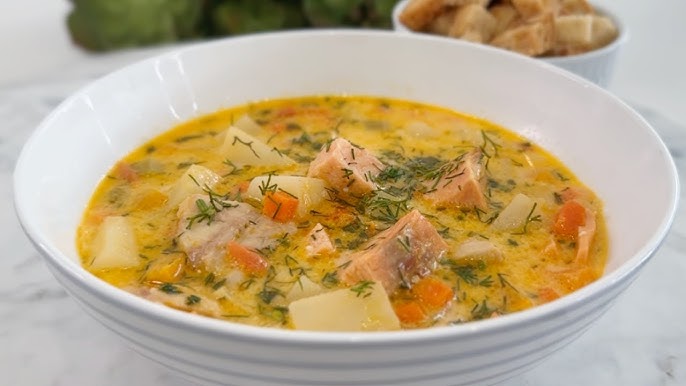
Salmon Soup Recipe: Salmon soup is comfort food at its finest. Whether you’re craving something hearty for a chilly evening or just want a protein-rich, nourishing meal, salmon soup delivers both flavor and nutrition.
This classic dish is popular in Nordic countries, but its appeal has gone global—and for good reason. With tender chunks of salmon, creamy potatoes, fresh herbs, and a savory broth, it’s the kind of meal that hugs you from the inside out.
Plus, it’s surprisingly easy to prepare, even if you’re new to cooking seafood. Ready to bring warmth and flavor to your table? Let’s dive in.
Why You’ll Love This Salmon Soup
Still on the fence about trying salmon soup? Let us convince you why this needs to be in your meal rotation. First off, it’s incredibly healthy. Salmon is loaded with omega-3 fatty acids, essential for brain and heart health. Then there’s the simplicity—you don’t need to be a professional chef to master this recipe. Most of the ingredients are pantry staples or easily available at your local grocery store. Also, this dish is versatile—you can keep it light and brothy or make it rich and creamy with just a few tweaks. Whether served as a main course or a starter, it leaves everyone at the table satisfied.
Nutritional Benefits of Salmon Soup
Salmon soup isn’t just tasty—it’s a nutritional powerhouse. A single bowl can offer:
- High-Quality Protein – Crucial for muscle repair and growth.
- Omega-3 Fatty Acids – Supports heart, brain, and eye health.
- Vitamin D – Essential for bone strength and immune support.
- Potassium – Helps balance blood pressure.
- B Vitamins – Support energy production and cell function.
Add in the antioxidants from fresh herbs and vitamins from the vegetables, and you’ve got yourself a balanced, nourishing meal perfect for any lifestyle.
Types of Salmon You Can Use
Not all salmon is created equal, and depending on your taste and budget, you’ve got options:
- Fresh Wild-Caught Salmon – Rich in flavor, firm texture, and higher in omega-3s.
- Farmed Salmon – Milder flavor, more accessible, and works just as well.
- Canned Salmon – A great budget-friendly shortcut; just be sure to drain it well.
- Frozen Salmon Fillets – Perfect if you’re planning ahead. Just thaw before using.
No matter what type you use, aim for boneless, skinless fillets for easier preparation.
Tools and Equipment You’ll Need
Here’s what you’ll want to have on hand before you start cooking:
- A large soup pot or Dutch oven
- Cutting board and sharp knife
- Wooden spoon or spatula for stirring
- Ladle for serving
- Measuring cups and spoons
- Optional: immersion blender for creamy versions
Simple gear, big flavor. You likely already have most of these in your kitchen!
List of Ingredients You’ll Need
Main Ingredients
- 1 lb (450g) fresh salmon fillet, boneless and skinless
- 4 medium potatoes, peeled and cubed
- 1 medium carrot, sliced
- 1 onion, finely chopped
- 2 cloves garlic, minced
- 1 leek (white part), thinly sliced
- 1 tablespoon olive oil or butter
- 4 cups (1 liter) fish or vegetable broth
- 1 cup (250ml) heavy cream (optional for creamy version)
- Salt and pepper to taste
- Fresh dill or parsley, chopped (for garnish)
- Juice of half a lemon (for brightness)
Optional Add-ins for Extra Flavor
- 1 bay leaf
- 1 teaspoon dried thyme or fresh sprigs
- A pinch of smoked paprika
- A splash of white wine (for deglazing)
- Corn, peas, or chopped spinach for more color and texture
Preparing Your Ingredients
Before diving into the cooking process, prep everything to make the whole experience smoother. Wash, peel, and chop your veggies, cut the salmon into bite-sized chunks, and measure out your liquids and seasonings. This mise en place approach not only keeps your kitchen organized but also helps prevent overcooking ingredients since everything’s ready to go when you need it.
Step-by-Step Guide to Making Salmon Soup
Step 1: Prepare the Vegetables
Start by prepping your veggies. Dice the potatoes into small cubes so they cook evenly. Thinly slice the carrots and leeks. Chop the onion and mince the garlic. This foundation of vegetables brings flavor, color, and texture to your soup. If you want extra sweetness, you can also add some finely chopped celery or bell pepper at this stage.
Step 2: Sauté the Aromatics
In a large soup pot, heat olive oil or butter over medium heat. Add the onions and garlic first. Stir them gently until translucent and fragrant—about 3-5 minutes. Next, toss in the leeks and carrots. Sauté for another 3-4 minutes until the vegetables begin to soften. This step is essential to build a deep, rich flavor base that makes your salmon soup irresistible.
Step 3: Add the Broth and Simmer
Pour in your broth—fish, chicken, or vegetable. Add herbs like thyme or bay leaf if you’re using them. Turn the heat up and bring everything to a gentle boil. Once boiling, reduce to a simmer and let the flavors meld for about 10 minutes. This slow infusion makes a huge difference in taste.
Step 4: Add the Potatoes
Add the diced potatoes to the simmering broth and let them cook until fork-tender, about 12–15 minutes. Stir occasionally to keep them from sticking to the bottom. Potatoes not only bulk up the soup but also add a creamy texture once they start breaking down a little.
Step 5: Gently Add the Salmon
Now it’s time for the star of the show—salmon! Add the chunks of salmon gently to the pot. Be careful not to stir too vigorously, as the delicate fish can break apart. Simmer for about 5–8 minutes, or until the salmon turns opaque and flakes easily with a fork.
Step 6: Final Touches and Simmer
If you’re going the creamy route, reduce the heat and stir in the heavy cream now. Add salt, pepper, and a squeeze of lemon juice. Simmer for another 5 minutes to allow everything to come together beautifully. Finish with a sprinkle of fresh dill or parsley before serving.
Common Mistakes to Avoid
Even though salmon soup is relatively easy to prepare, a few slip-ups can affect the final result. Let’s go over what not to do:
- Overcooking the salmon: Salmon cooks fast. Leaving it too long in the pot can make it dry and crumbly. Add it last and cook just until it flakes.
- Boiling after adding cream: If you’re making a creamy version, never boil the soup after adding cream. It can split or curdle. Keep it at a gentle simmer.
- Skipping the sauté: Don’t skip sautéing the onions, garlic, and leeks. This step deepens the flavor and gives the soup a solid foundation.
- Not seasoning properly: Taste as you go! Soup needs layers of seasoning. A pinch of salt early and a final adjustment at the end make all the difference.
- Using poor-quality broth: The broth is the soul of your soup. If using store-bought, opt for low-sodium and high-quality versions. Homemade is always better if you’ve got the time.
Avoid these common pitfalls, and your salmon soup will come out restaurant-worthy every single time.
Best Side Dishes to Serve with Salmon Soup
Wondering what to serve with your hearty salmon soup? Here are some tasty options:
- Crusty Bread or Garlic Toast – Perfect for dipping and soaking up all that delicious broth.
- Green Salad – A fresh side balances out the richness of the soup.
- Roasted Vegetables – Carrots, beets, or brussels sprouts pair beautifully.
- Pickled Vegetables – Especially traditional in Nordic cuisine. They add a tangy contrast.
- Rye Crackers or Crispbread – Add a Scandinavian flair and a nice crunch.
Keep it simple—this soup already packs a punch in terms of flavor and satisfaction.
How to Store and Reheat Leftover Salmon Soup
Leftovers? Lucky you! This soup tastes even better the next day.
Storage Tips:
- Cool the soup completely before transferring it to an airtight container.
- Refrigerate for up to 3 days.
- If the soup contains cream, consume it sooner rather than later for the best texture.
Reheating Tips:
- Reheat gently over low-medium heat on the stovetop.
- Stir occasionally and do not boil, especially if the soup is creamy.
- You can microwave individual servings, but be sure to cover the bowl and stir halfway through.
Freezing Tips: Can You Freeze Salmon Soup?
The answer is: Yes, but with conditions.
Do freeze:
- Broth-based salmon soup without cream.
- Salmon pieces, vegetables, and broth in a freezer-safe container for up to 2 months.
Don’t freeze:
- Soups with dairy (cream) — it may separate upon thawing.
- Potatoes may get grainy in texture after freezing.
Pro Tip: If you plan to freeze a batch, remove a portion before adding cream and store that. Add cream only after you thaw and reheat it later.
To thaw: Let the soup defrost overnight in the fridge, then reheat gently on the stove.
Variations of Salmon Soup from Around the World
Salmon soup is a global dish, and every culture brings its own twist. Here are some unique variations:
1. Finnish Lohikeitto
- A creamy salmon soup made with potatoes, carrots, leeks, and dill.
- Usually includes heavy cream and is known for its silky texture and fresh herbs.
2. Russian Ukha
- A clear fish soup with chunks of white fish or salmon.
- Features onions, carrots, potatoes, and sometimes lemon or vodka for flavor.
3. Japanese Salmon Miso Soup
- A lighter broth made with dashi and miso paste.
- Contains tofu, wakame seaweed, green onions, and salmon pieces.
4. Scandinavian Creamy Salmon Stew
- Similar to lohikeitto but richer and often includes root vegetables like parsnips.
- Garnished with sour cream or crème fraîche.
5. Pacific Northwest Salmon Chowder
- A thicker, chowder-style soup with corn, bacon, and cream.
- A true comfort food classic from coastal America.
These variations show how flexible and culturally diverse salmon soup can be.
FAQs about Salmon Soup Recipe
1. Can I use canned salmon for salmon soup?
Yes, you can! Canned salmon works great in a pinch. Just be sure to drain it well and remove any bones or skin.
2. Is salmon soup healthy?
Absolutely. It’s packed with lean protein, omega-3 fatty acids, vitamins, and minerals—especially when made with fresh veggies and broth.
3. Can I make this soup dairy-free?
Definitely. Just skip the cream or use a dairy-free alternative like coconut milk or oat cream for a creamy texture.
4. How do I keep the salmon from falling apart in the soup?
Add it last and don’t stir too aggressively. Let it poach gently in the broth until it flakes easily.
5. What herbs go best with salmon soup?
Dill is the classic choice, but parsley, thyme, and chives also pair wonderfully with the flavor of salmon.
Conclusion
There you have it—a full, step-by-step guide to making the most comforting, flavorful, and nutritious salmon soup you’ll ever taste. Whether you’re aiming for a traditional Nordic dish, a light weeknight dinner, or a creamy, indulgent meal, this recipe adapts to your preferences with ease. With fresh ingredients, proper timing, and a few insider tips, you’ll have a go-to recipe that impresses every time.
So grab your ladle, warm up that pot, and treat yourself to a bowl of pure goodness.