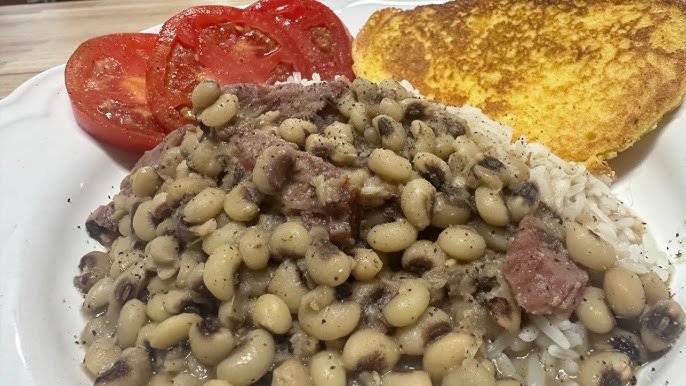
Purple Hull Peas Recipe: If you’re craving a dish that screams Southern comfort, look no further than purple hull peas. These humble legumes may not get the same spotlight as collard greens or cornbread, but in the South, they’re a staple. Not only are they rich in flavor, but they’re also simple to prepare, hearty, and pair beautifully with almost anything—fried chicken, hot biscuits, or a juicy slice of tomato.
In this guide, we’re diving deep into the ultimate Purple Hull Peas Recipe with a full step-by-step guide. Whether you’re new to Southern cooking or just looking for a tried-and-true method, this recipe will walk you through everything you need to know, right down to the last simmer.
What Are Purple Hull Peas?
Purple hull peas are a variety of cowpeas, similar to black-eyed peas but with their own unique charm. As the name suggests, they grow in pods that are often tinted purple. When shelled, the peas inside are light green and take on a nutty, earthy flavor once cooked.
These peas are incredibly popular in Southern cooking, especially in states like Mississippi, Alabama, and Louisiana. While they look similar to black-eyed peas, they tend to have a fresher, more vibrant taste that Southern cooks swear by.
So why all the fuss over purple hull peas? Simple: they’re delicious, budget-friendly, and full of soul.
Health Benefits of Purple Hull Peas
Not only are they comforting and tasty, but purple hull peas are also good for you. Here’s what they bring to the table:
- High in fiber – Great for digestion and gut health
- Rich in protein – A perfect meatless option that still fills you up
- Low in fat – A heart-healthy choice
- Full of vitamins – Especially folate, magnesium, and potassium
If you’re trying to eat cleaner while still holding onto your roots, these peas are a no-brainer.
When Are Purple Hull Peas in Season?
Purple hull peas are typically in season from June through September, making summer the best time to find them fresh at farmers markets or roadside stands. However, thanks to modern freezing methods, you can now find frozen purple hull peas year-round at many Southern grocery chains.
Canned versions exist, but if you want that down-home flavor, fresh or frozen is the way to go.
Where to Buy Purple Hull Peas
Not everyone lives in the South, but you still have options:
- Local Farmers Markets – Best place to get fresh peas during peak season.
- Southern Grocery Chains – Look for brands like PictSweet or Margaret Holmes.
- Online Stores – Many regional farms ship frozen or dried peas across the U.S.
If you’re buying fresh, make sure the pods are plump and have a rich purple or green color. Avoid shriveled or dry-looking pods.
Tools and Equipment You’ll Need
Before we jump into cooking, let’s make sure you’ve got the right tools. You won’t need anything fancy, but a few kitchen essentials go a long way.
Basic tools:
- Large pot or Dutch oven
- Cutting board and knife
- Measuring cups and spoons
- Wooden spoon or spatula
- Colander for rinsing
Optional but helpful:
- Slow cooker (for hands-free cooking)
- Pressure cooker or Instant Pot
- Cast iron skillet (for adding depth of flavor with smoked meats)
Ingredients You’ll Need
Here’s a straightforward list of everything you’ll need to cook a classic pot of Southern purple hull peas:
- 4 cups fresh or frozen purple hull peas
- 1 small onion, diced
- 2–3 cloves garlic, minced
- 1 tablespoon olive oil or bacon grease
- 1 teaspoon salt (adjust to taste)
- ½ teaspoon black pepper
- 1 teaspoon smoked paprika (optional for flavor)
- 4 cups chicken broth or water
- 1 bay leaf (optional)
- 1 smoked ham hock, turkey leg, or a few slices of bacon (for depth and smokiness)
Want to keep it vegetarian? Just skip the meat and use vegetable broth instead.
Step-by-Step Guide to Cooking Purple Hull Peas
Time to get to the good part. Here’s your step-by-step guide to making flavorful, Southern-style purple hull peas.
Step 1: Rinse and Sort the Peas
Start by rinsing your purple hull peas in cold water. Use a colander and give them a thorough wash to remove dirt, debris, or any lingering bits of shell.
Take a minute to sort through the peas, removing any that are discolored or shriveled. This step is crucial if you’re using fresh or dried peas. Frozen peas usually come pre-sorted but still benefit from a quick rinse.
Clean peas cook better and taste fresher—it’s worth the extra minute!
Step 2: Sauté the Aromatics
In a large pot or Dutch oven, heat 1 tablespoon of olive oil or bacon grease over medium heat. Add your diced onions and minced garlic. Sauté until the onions are soft and translucent, about 3–5 minutes.
This aromatic base adds depth to the peas and builds a rich Southern flavor right from the start. If you’re using bacon, now’s the time to toss it in and let it crisp up a bit.
Step 3: Simmer the Peas
Now it’s time to add your rinsed peas to the pot. Pour in 4 cups of chicken broth (or water)—enough to cover the peas by about an inch.
Toss in the bay leaf and any smoked meat you’re using (ham hock, turkey leg, or bacon). Turn the heat to high until it comes to a light boil, then reduce to low heat and let it simmer.
Cover loosely with a lid and cook for about 45 minutes to 1 hour, or until the peas are tender but not mushy.
Step 4: Season to Perfection
Once the peas are soft, remove the lid and season to taste. Start with 1 teaspoon of salt, ½ teaspoon black pepper, and a dash of smoked paprika for that bold, smoky flavor.
Stir gently and taste the broth. Adjust seasonings as needed. If you want to kick things up a notch, try a splash of hot sauce or a sprinkle of Creole seasoning.
Let everything simmer together for another 10–15 minutes to really bring those flavors together.
Step 5: Serve and Enjoy
You’ve made it! Remove the bay leaf and any large meat bones or skins. Give the peas one last stir and serve them hot.
Traditional serving ideas:
- Over white rice or cornbread
- Alongside fried chicken or pork chops
- With fresh tomatoes and onions
- Topped with a drizzle of pepper vinegar
These peas are a side dish with soul. They also make a great main when you’re keeping things simple.
Tips for Cooking the Best Purple Hull Peas
Want to take your peas from good to unforgettable? Here are some handy tips to level up your recipe:
- Use broth, not just water. Cooking your peas in chicken or vegetable broth adds a layer of savory depth that plain water just can’t match.
- Add smoked meat for real Southern flavor. Smoked turkey legs, ham hocks, or a few strips of thick-cut bacon will give your peas that slow-cooked, seasoned flavor Southern dishes are known for.
- Don’t overcook. The peas should be tender, but not mushy. Overcooking leads to a texture that’s more baby food than comfort food.
- Let them rest. After cooking, let the pot sit off the heat for 10 minutes before serving. This helps all the flavors settle and mingle together.
- Make it spicy (if you want). A splash of hot sauce or pinch of cayenne pepper adds heat and excitement without overpowering the earthy taste.
Cooking purple hull peas is a little like playing jazz—once you get the basics down, you can improvise with your own flavor notes.
Common Mistakes to Avoid
Even simple recipes have pitfalls. Watch out for these common mistakes:
- Not washing the peas thoroughly – Dirt and debris can linger on fresh or dried peas. Don’t skip the rinse!
- Using too much salt early on – If you’re cooking with smoked meats or broth, salt can sneak up on you. Wait until the end to adjust.
- Cooking at too high heat – Peas need a gentle simmer. Boiling them hard can break them down too quickly and ruin the texture.
- Skipping aromatics – Onions, garlic, and spices are key to transforming plain peas into something crave-worthy.
- Neglecting leftovers – These peas taste even better the next day! Store them properly so none of that flavor goes to waste.
Master these do’s and don’ts, and your pot of peas will come out right every time.
How to Store and Reheat Leftovers
Made a big pot? Great! Purple hull peas reheat beautifully and are even more flavorful the next day.
Storage tips:
- Allow peas to cool to room temperature before storing.
- Transfer to an airtight container.
- Refrigerate for up to 4–5 days.
Reheating instructions:
- Reheat gently on the stovetop over low heat. Add a splash of broth or water to loosen them up.
- You can also microwave them in 30-second bursts, stirring between each one.
Avoid overcooking during reheating—it can turn the peas too soft.
Freezing Purple Hull Peas
Want to enjoy purple hull peas year-round? Freezing is your friend.
Here’s how to do it right:
- Cool completely – Never freeze hot peas. Let them cool fully before storing.
- Portion them out – Use freezer-safe containers or zip-top bags.
- Leave room for expansion – Liquids expand when frozen, so don’t fill to the top.
- Label with date – Trust us, six months from now you’ll want to know when you made them.
Purple hull peas freeze well for up to 6 months. When ready to use, thaw in the fridge overnight and reheat gently.
FAQs about Purple Hull Peas Recipe
1. Can I use dried purple hull peas instead of fresh or frozen?
Yes, but you’ll need to soak them overnight and increase your cooking time by an hour or more. Dried peas are great for long-term storage.
2. Are purple hull peas the same as black-eyed peas?
Not quite. While both are cowpeas, purple hull peas have a greenish color and a slightly sweeter, nuttier flavor compared to black-eyed peas.
3. Can I make purple hull peas in a slow cooker?
Absolutely. Just toss everything in and cook on low for 6–8 hours. It’s a great option if you want to set it and forget it.
4. What are good meat alternatives for vegetarians?
Use smoked paprika, liquid smoke, or mushrooms for that umami kick without adding meat. Vegetable broth also helps deepen the flavor.
5. What should I serve with purple hull peas?
They pair beautifully with cornbread, collard greens, fried okra, rice, or grilled meats. Think classic Southern comfort foods!
Conclusion
Purple hull peas aren’t just another side dish—they’re a taste of tradition. They bring warmth to your table, fill your home with mouthwatering smells, and deliver that unmistakable Southern charm with every bite. Whether you’re making them for Sunday dinner, a potluck, or just because you’re craving something comforting, this step-by-step guide gives you everything you need to get them just right.
From rinsing and simmering to seasoning and serving, cooking purple hull peas is a journey worth taking. And now that you know exactly how to do it—go grab that pot and get cookin’.