Philly Cheesesteak Sandwich Recipe: Ever taken a bite of something so perfectly balanced, so juicy, so flavorful, that you pause mid-bite just to appreciate it? That’s the magic of a Philly Cheesesteak sandwich. Hailing from the streets of Philadelphia, this sandwich has become a culinary icon, loved by meat and cheese enthusiasts across the globe.
But here’s the deal: not all Philly Cheesesteaks are created equal. The authentic Philly Cheesesteak isn’t just any sandwich with meat and cheese thrown on bread. It’s about the right ingredients, cooked the right way, and served fresh and hot.
In this complete guide, we’ll walk you through every single step — from choosing the best ingredients to mastering the perfect sizzle on the pan. By the end of this, you’ll be crafting sandwiches that can rival the best spots in Philly.
Ready to get cooking? Let’s dive in.
A Brief History of the Philly Cheesesteak
Before we get into the kitchen, let’s rewind a bit. The Philly Cheesesteak was born in the 1930s in South Philadelphia. Pat Olivieri, a hot dog vendor, decided to grill some thinly sliced beef and toss it into an Italian roll. A passing cab driver got a whiff, tried it, and the rest is delicious history. Eventually, cheese was added, and the classic was born.
There’s been an ongoing debate over the “right” cheese to use. Some swear by Cheese Whiz for its gooey melt, while others go traditional with provolone or white American cheese. While Philly locals are passionate about their cheesesteaks, the great thing about this recipe is that you can tailor it to your taste — without losing the essence.
What Makes a True Philly Cheesesteak
So, what turns a regular steak sandwich into a Philly Cheesesteak? It’s a mix of tradition, texture, and flavor. First, the beef must be thinly sliced ribeye. This cut is rich, juicy, and grills beautifully. Next, you’ll need a long, slightly crusty roll — soft on the inside, just enough to hold everything together. Finally, the cheese must melt into the meat, binding it all together into something unforgettable.
Also key is how you cook it. The meat should be cooked on a flat-top griddle or cast-iron skillet so it stays juicy while getting those delicious browned edges. No overcooking, no boiling. Add onions (optional, but often included), and you’ve got something special.
List of Ingredients You’ll Need
Here’s your ultimate shopping list. Keep it simple, fresh, and flavorful:
For the Sandwich:
- 1 lb ribeye steak, very thinly sliced
- 4 hoagie rolls (Amoroso if possible, or other soft long rolls)
- 1 large onion, thinly sliced
- 1 green bell pepper (optional), thinly sliced
- 1 cup mushrooms (optional), sliced
- 4-6 slices provolone cheese or 1/2 cup Cheese Whiz or American cheese
- 2 tbsp vegetable oil or butter
- Salt and black pepper, to taste
Optional Toppings:
- Hot cherry peppers
- Ketchup or mayo (yes, some locals swear by it!)
- Banana peppers or jalapeños
Pro Tip: Freeze your steak for 30–45 minutes before slicing — this makes it much easier to get those paper-thin cuts that cook perfectly.
Choosing the Right Bread
When it comes to bread, this is not the place to experiment. A classic hoagie roll is essential. It should be soft inside, slightly crusty on the outside, and just sturdy enough to hold the hot meat and cheese without falling apart.
Amoroso’s rolls are the traditional choice in Philly, and for good reason. They’re chewy, airy, and soak up all that juicy flavor. If you can’t find Amoroso, look for a soft Italian roll, or even a fresh sub roll from your local bakery. Avoid anything too crusty or dense, like a baguette — that’ll ruin the texture and eatability.
Want to really take it up a notch? Lightly toast the inside of the roll with a little butter. It gives an extra crunch and helps prevent sogginess.
The Best Meat for Philly Cheesesteak
Let’s talk meat — it’s the soul of this sandwich. The traditional cut is ribeye steak. Why? Because it’s marbled, tender, and full of beefy flavor. When sliced thin and seared quickly, it delivers the perfect bite every time.
Tips for meat prep:
- Freeze your steak slightly before slicing. It’s way easier to get thin slices this way.
- Use a super-sharp knife or ask your butcher to slice it for you.
- Trim off large bits of fat, but don’t remove all of it — fat = flavor.
If you’re on a budget or ribeye isn’t available, you can substitute with sirloin or flank steak, but make sure it’s sliced very thin. Avoid ground beef — it’s not the same and won’t give you the authentic texture or sear.
Cheese Options: It’s More Than Just Flavor
Alright, now let’s dive into what arguably sparks the most debate: the cheese. Cheese isn’t just a topping here — it’s the glue that binds the entire sandwich into that rich, gooey masterpiece we all crave. But which cheese is best?
1. Provolone
Provolone is mild, smooth, and melts beautifully. It adds a subtle, creamy tang that pairs really well with the umami of the beef. If you want something balanced and classic, provolone’s your go-to.
2. American Cheese
White American cheese is another solid option. It melts easily and has a salty, buttery flavor that really seeps into the meat. It’s a little richer than provolone and gives a classic diner-style cheesesteak vibe.
3. Cheese Whiz
Now this one’s controversial — but in Philly, Cheese Whiz is iconic. This processed, ultra-melty cheese sauce was introduced in the 1950s and quickly became a staple at cheesesteak joints like Pat’s and Geno’s. It’s bold, sharp, and indulgent. Want that gooey, greasy, no-apologies cheesesteak? Go Whiz.
Pro Tip: No matter which cheese you choose, make sure it fully melts into the meat — that’s the trick. Never just place a cold slice of cheese and hope for the best. Let it ooze.
Vegetable Add-Ons (Optional but Delicious)
Some purists may frown at adding vegetables, but onions, peppers, and mushrooms bring incredible depth of flavor and texture. Plus, you’re customizing it to your taste, right? Let’s look at what works:
Onions
Sautéed onions are a classic addition. Caramelized or lightly browned, they add a sweet, soft contrast to the savory steak. Always slice them thin for even cooking.
Bell Peppers
Green, red, or yellow peppers can be added for crunch and a hint of sweetness. They’re especially great if you want a little color and extra bite in your sandwich.
Mushrooms
Sliced mushrooms, especially cremini or button mushrooms, soak up flavor and add umami richness. Sauté them well to bring out their depth.
Tip: Always sauté vegetables before you cook the meat. That way, you don’t overcrowd the pan, and everything cooks evenly.
Essential Tools for Cooking
Want that professional finish? It’s not just about the ingredients — having the right tools will make your life way easier:
- Cast Iron Skillet or Flat Top Griddle: For even heat and a deep sear.
- Sharp Chef’s Knife: Essential for slicing your steak razor-thin.
- Spatula or Grill Press: To flip and press the meat for even cooking.
- Tongs: For turning onions, peppers, or loading your roll neatly.
- Cheese Melting Dome (Optional): Helps melt cheese over meat quickly.
Investing in good tools gives you control, consistency, and confidence.
Preparation Tips Before You Start Cooking
Before turning on the stove, get everything prepped and organized. Trust me, things move fast once the meat hits the pan, so having your mise en place ready is key.
1. Slice Everything Thin
Thin slices mean faster cooking and better texture. Freeze the meat slightly so it doesn’t squish while slicing. Use a mandoline or a sharp knife for onions and peppers.
2. Get Your Cheese Ready
If you’re using sliced cheese, separate the slices ahead of time. If you’re using Cheese Whiz, warm it gently so it’s ready to pour.
3. Toast Your Rolls (Optional)
Split your rolls and toast the insides lightly on a skillet with butter. It adds crunch and helps prevent sogginess from the hot filling.
4. Seasoning
Don’t overdo it! A pinch of salt and pepper goes a long way. The flavor should come from the beef and cheese.
Now that you’re all set up, let’s get into the step-by-step magic.
Step-by-Step Guide to Making the Philly Cheesesteak
This is where the action happens — and don’t worry, we’ll walk through it all clearly.
Step 1: Freeze and Slice the Meat
Place the beef (ribeye is traditional) in the freezer for 30–45 minutes until slightly firm. This makes it easier to slice very thin. Use a sharp knife to cut the meat against the grain into paper-thin strips.
Step 2: Sauté the Vegetables
Heat a skillet or flat-top griddle over medium heat with a little oil. Add sliced onions (and bell peppers if you like). Cook until soft, golden, and slightly caramelized. Push the vegetables to the side of the pan.
Step 3: Cook the Meat
Increase the heat slightly and add the sliced beef to the empty side of the pan. Season with salt and black pepper. Let it sear briefly, then quickly stir and chop with a spatula until just cooked through. Mix the meat with the sautéed vegetables.
Step 4: Add the Cheese
Lower the heat and lay slices of cheese over the meat mixture. Provolone is classic, but American cheese or Cheese Whiz also work. Let the cheese melt, then gently fold it into the meat until creamy and well combined.
Step 5: Load It Into the Roll
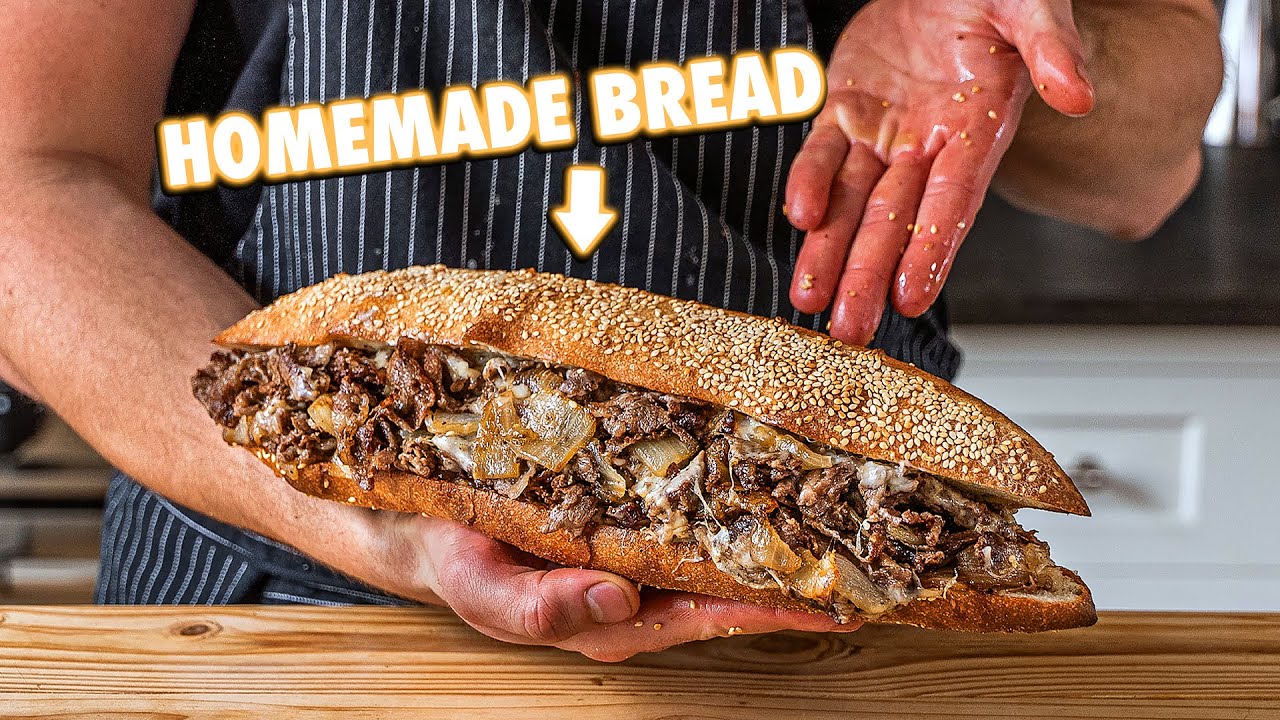
Warm a soft hoagie roll, split but not all the way through. Scoop the cheesy steak mixture into the roll, packing it generously. Serve immediately while hot.
Juicy, cheesy, and packed with flavor—the Philly cheesesteak is simple, bold comfort food at its best 🥖🧀🥩
How to Serve Your Philly Cheesesteak
You’ve built the perfect cheesesteak — now let’s talk presentation and pairings. A Philly Cheesesteak is a meal in itself, but the right sides and drinks can elevate it even further.
Serving Suggestions:
- Cut it in half for easier handling and that glorious cross-section.
- Wrap it in foil if you’re serving it later — it keeps the heat and texture intact.
- Serve it with plenty of napkins — things are about to get messy (in the best way).
Perfect Side Dishes:
- French fries or curly fries
- Potato wedges
- Onion rings
- Pickles or pickle spears
- Coleslaw (for a creamy, crunchy contrast)
Drink Pairings:
- Classic cola or root beer for the traditional diner vibe
- Iced tea or lemonade for a refreshing balance
- A cold beer (if you’re of age) — a light lager works best
Whether you’re enjoying it alone or serving a crowd, make it a full meal with a little planning.
Tips for Storing and Reheating Leftovers
Got leftovers? Philly Cheesesteaks taste amazing the next day if stored and reheated properly.
Storage Tips:
- Wrap sandwiches tightly in foil or plastic wrap.
- Store in the fridge for up to 2–3 days.
- If storing components separately, keep the steak and cheese mix in an airtight container.
How to Reheat:
- Oven (best method): Preheat to 350°F (175°C). Wrap sandwich in foil and bake for 10–15 minutes.
- Skillet: Reheat the meat and cheese on medium heat until warmed through, then load into a fresh roll.
- Microwave (quick method): Not ideal, but works in a pinch. Wrap in a paper towel and microwave for 1–2 minutes, checking halfway.
Avoid reheating too long or too hot — it can make the bread soggy and the meat rubbery.
Common Mistakes to Avoid
Let’s make sure your cheesesteak game stays strong. Here are some classic missteps — and how to dodge them:
1. Overcooking the Meat
Thin steak cooks FAST. Overcooking dries it out. Keep your pan hot but cooking time short — 2 to 3 minutes max.
2. Skipping the Cheese Melt
Don’t just throw cheese on top. Let it melt into the meat — use a lid or melting dome. That gooey texture is non-negotiable.
3. Using the Wrong Bread
Say no to baguettes, ciabatta, or overly crusty rolls. You want a soft hoagie roll that holds the goods but doesn’t fight you with every bite.
4. Crowding the Pan
Whether it’s meat or veggies, overcrowding causes steaming, not searing. Cook in batches if needed for that perfect char.
5. Not Prepping Ahead
Philly Cheesesteak is fast food — literally. If your ingredients aren’t prepped before the pan heats, you’ll scramble and lose quality.
Philly Cheesesteak Sandwich Recipe (with Video)
FAQs about Philly Cheesesteak Sandwich Recipe
1. Can I make this sandwich ahead of time?
Yes! Cook the meat and veggies in advance and refrigerate. Reheat gently in a skillet and assemble fresh when you’re ready to eat.
2. What’s the best cheese for authenticity?
Cheese Whiz is the classic Philly choice, but provolone and American cheese are also traditional and widely accepted.
3. Are Philly Cheesesteaks spicy?
Not by default. But you can add hot peppers, jalapeños, or spicy cheese if you want to kick up the heat.
4. Can I use chicken instead of beef?
Absolutely — that becomes a Chicken Philly Cheesesteak. Use thinly sliced chicken breast or thighs and follow the same steps.
5. What if I don’t have a flat top griddle?
No problem — a cast iron skillet works beautifully. Just make sure it’s hot enough for a good sear.
Conclusion
There you have it — the ultimate Philly Cheesesteak Sandwich Recipe, step by step, no fluff, just flavor. Whether you’re chasing the nostalgia of a Philly street cart or trying something new for dinner, this sandwich delivers bold, beefy satisfaction in every bite.
Just remember: quality ingredients, proper technique, and a little bit of love go a long way. Once you get the hang of it, you’ll be slinging cheesesteaks like a pro. Now go heat that skillet, load up your roll, and enjoy the melty, meaty masterpiece you just created!