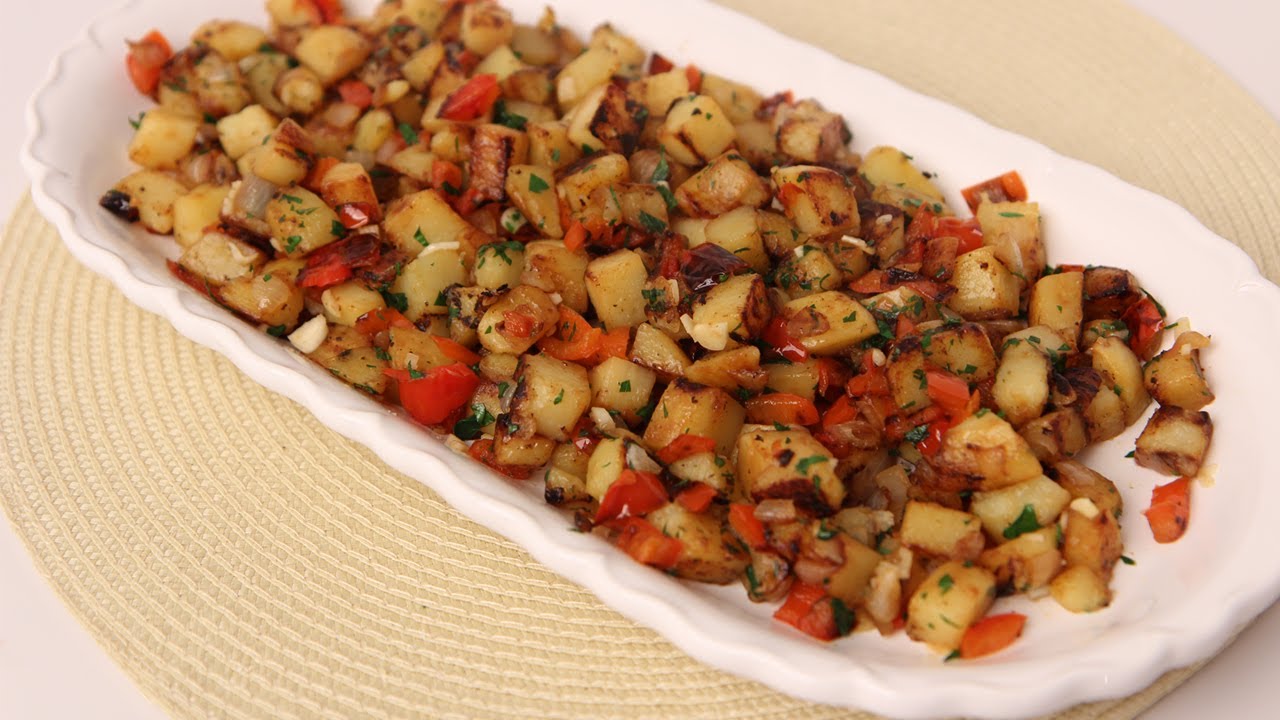
Potato Hash Recipe: Potato hash—just hearing the name might make you hungry. It’s one of those rustic, homey dishes that checks all the boxes: filling, flavorful, and fantastically flexible. Whether you’re whipping up a hearty breakfast, a quick lunch, or a comforting dinner, potato hash always delivers.
It originated as a way to use up leftovers, and now it’s a beloved staple across kitchens worldwide. The magic of hash lies in its simplicity: chopped potatoes pan-fried to golden perfection with whatever tasty add-ins you’ve got lying around—onions, peppers, meats, and eggs.
Think of it as the remix of your kitchen, where the potatoes are the beat and everything else is freestyle. Ready to make it from scratch? Let’s dig in!
Benefits of Making Potato Hash at Home
Cooking potato hash at home isn’t just about saving a few bucks—it’s a culinary win on so many levels. First, homemade means you’re in control: the amount of salt, the type of oil, what kind of veggies or proteins go in, everything. Want it spicy? Add jalapeños. Want it smoky? Toss in some paprika or smoked sausage. You’re the boss here.
Another major perk? It’s incredibly budget-friendly. A couple of potatoes, an onion, some pantry staples, and you’re halfway there. Plus, you’ll avoid the hidden sugars, fats, and preservatives often found in pre-made or frozen versions. Homemade hash is also a brilliant way to minimize food waste—got half a bell pepper left or some roast chicken from last night? Toss it in.
Lastly, it’s comforting. There’s something heartwarming about a sizzling pan of hash filling the kitchen with savory aromas. It’s a dish that says “you’re home,” whether you’re alone or feeding the whole family.
Ingredients You’ll Need
Here’s your no-nonsense list of what you need to get started. This is the classic version, but we’ll throw in a few optional add-ins to take it to the next level.
Core Ingredients:
- 4 medium potatoes (Yukon Gold or Russet work great)
- 1 medium yellow onion, diced
- 2 cloves garlic, minced
- 2 tablespoons olive oil or butter
- Salt and pepper to taste
Optional Add-ins:
- 1 bell pepper, diced
- ½ teaspoon smoked paprika
- ½ teaspoon chili flakes
- Cooked bacon, ham, sausage, or corned beef (½ cup)
- Fresh herbs like parsley or chives
- Eggs (if you want to top it off breakfast-style)
- Cheese (cheddar, mozzarella, feta—whatever your heart desires)
These ingredients are flexible, so don’t be afraid to experiment. The real star is the potato—everything else is supporting cast.
Kitchen Tools Required
Before diving into the action, make sure your kitchen is armed and ready. Don’t worry—nothing fancy required!
- Large skillet or cast-iron pan
- Sharp knife
- Cutting board
- Peeler (optional)
- Spatula (metal or wooden)
- Medium pot (for parboiling)
Using a cast-iron skillet gives your hash that unbeatable crispy crust, but any non-stick or stainless-steel pan will work fine if heated properly.
Prepping the Ingredients
Before you crank up the heat, a little prep goes a long way. Start with the potatoes: scrub them well if you’re keeping the skins (which adds texture and nutrients), or peel them for a smoother hash. Dice them into small, uniform cubes—about ½ inch. The more even the cut, the more evenly they’ll cook.
Next, dice the onion and any other veggies you’re adding. Mince the garlic last (it can dry out quickly if left sitting). If using meat, chop it into bite-sized pieces. Keep all your ingredients nearby in small bowls or plates. This way, you won’t be scrambling while your hash is sizzling. This simple mise-en-place technique (that’s French for “everything in its place”) keeps your cooking smooth and stress-free.
Step-by-Step Guide to Making the Perfect Potato Hash
Let’s roll up our sleeves. Here’s the foolproof, step-by-step method for making potato hash that’s crispy, golden, and loaded with flavor.
Step 1: Parboil the Potatoes
Bring a medium pot of salted water to a boil. Toss in the diced potatoes and boil for 5–7 minutes. You want them tender but not mushy—they should still hold their shape. This step cuts down on skillet time and helps you get that golden crust faster. Drain and let them steam dry for a few minutes.
Step 2: Sauté the Onions and Garlic
Heat 1 tablespoon of oil or butter in your skillet over medium heat. Add the diced onions and cook until translucent (about 3–4 minutes). Stir in the garlic and cook for another 30 seconds until fragrant—don’t let it burn!
Step 3: Crisp Up the Potatoes
Add the remaining oil to the pan and raise the heat slightly. Toss in the parboiled potatoes, spreading them out in a single layer. Let them sit undisturbed for 3–4 minutes so they start to brown. Flip them gently and repeat until they’re crispy and golden on all sides.
Step 4: Add Veggies and Meats
Now’s the time to mix in your diced bell peppers, leftover meats, or whatever extras you’ve chosen. Sauté everything together for another 5–7 minutes. The flavors will start to meld beautifully.
Step 5: Season to Taste
Season with salt, pepper, paprika, chili flakes, or any herbs you like. Taste and adjust as needed. Don’t be shy—it’s your dish!
Step 6: Cook Until Golden and Crispy
Let the hash continue to cook, flipping occasionally, until everything is crisped to your liking. Want a crusty bottom layer? Press it down gently and let it sit a bit longer before flipping.
Once it looks irresistible, remove it from heat and serve hot.
Tips for Crispy and Flavorful Hash
So, how do you get that golden, restaurant-quality crisp on your potato hash? The secret’s in the details. First up: choose the right oil. For a deep golden sear, go with oils that can handle high heat like canola, avocado oil, or a mix of butter and olive oil (for flavor plus crisp). Butter adds a beautiful richness, but it can burn quickly on its own—so combining it with oil is a smart move.
Heat management is key. Start at medium heat and don’t overcrowd the pan. If the skillet’s too full, your potatoes will steam instead of sear. Spread the ingredients out and give them space to breathe. Let the potatoes sit without stirring for a few minutes at a time—resist the urge to flip constantly. That undisturbed time helps them develop a crispy crust.
Use a cast iron skillet if you have one. It distributes heat evenly and holds it like a champ, making it perfect for achieving a consistent, caramelized finish. Stainless steel works too, as long as it’s hot before the potatoes go in.
And finally, season in layers. Add a pinch of salt while parboiling, another while frying, and a final one right before serving. That’s how you build deep, well-rounded flavor.
Best Meats to Add to Potato Hash
Adding meat to your potato hash takes it from side dish to satisfying main in no time. The best part? Just about any cooked meat will work, which means you can turn leftovers into a whole new meal.
Here are some top picks:
- Bacon: A classic. Crispy bacon adds smoky, salty crunch. Cook it first, then remove and crumble it back in later.
- Sausage: Spicy Italian, breakfast links, or even chorizo brings bold flavor. Remove casings and break it up as it cooks.
- Corned Beef: The king of hash meats. Salty, shredded, and perfect for a brunch vibe.
- Ham: Diced ham is a great way to use up holiday leftovers. It crisps up nicely and complements the potatoes well.
- Ground beef or turkey: Browned and seasoned, they turn hash into a hearty dinner.
Just make sure the meat is either pre-cooked or fully cooked before mixing it into your hash. This keeps things safe and helps blend the flavors better.
Vegan and Vegetarian Potato Hash Ideas
Going meat-free? No worries—potato hash is incredibly adaptable. In fact, the veggie versions are often more colorful and just as satisfying. The key to a killer vegan hash is layering flavor through spices, herbs, and umami-rich ingredients.
Here are some plant-based power-ups:
- Mushrooms: Sautéed mushrooms add depth and a meaty bite.
- Tofu: Cube and pan-fry firm tofu until golden. Season it well—smoked paprika, cumin, and soy sauce work great.
- Chickpeas or black beans: These add texture and protein.
- Sweet potatoes: Mix with regular potatoes for a sweet-savory balance.
- Spinach or kale: Add greens at the end to wilt down into the hash.
- Nutritional yeast: Sprinkle for cheesy, nutty flavor without the dairy.
Finish with a drizzle of vegan aioli or hot sauce and you’ve got a flavor-packed, cruelty-free meal.
What to Serve with Potato Hash
Potato hash is delicious on its own, but pairing it with the right sides can elevate your meal to next-level status.
Here are some winning combos:
- Fried or Poached Eggs: Classic. The runny yolk acts like a sauce and adds creaminess.
- Avocado: Sliced or mashed, it adds a creamy contrast to crispy hash.
- Toast or Biscuits: Perfect for scooping up every last bit.
- Sour Cream or Greek Yogurt: A dollop on top gives a tangy finish.
- Hot Sauce or Ketchup: Add heat or sweetness, depending on your preference.
- Fresh Fruit: For a brunch-style meal, balance savory hash with sweet berries or citrus.
Want to turn it into a full spread? Pair it with a smoothie or a simple side salad, and you’ve got a meal that hits every note.
Storing and Reheating Tips
Made too much? Lucky you. Potato hash stores like a dream and makes amazing leftovers. Just follow these tips to keep it crispy and delicious:
Storage:
- Refrigerator: Let your hash cool completely, then store it in an airtight container for up to 3–4 days.
- Freezer: Yes, you can freeze it! Spread cooled hash on a baking sheet, freeze for 1 hour, then transfer to freezer bags. It’ll keep for up to 2 months.
Reheating:
- Skillet: This is the best method. Heat a non-stick or cast iron pan with a little oil, and reheat over medium heat. Don’t stir too much—just like when you first made it, you want to revive that crispy texture.
- Oven: Spread on a baking sheet and heat at 375°F (190°C) for about 10–15 minutes.
- Microwave: Quick but not ideal. If you go this route, use a microwave-safe dish and cover it with a damp paper towel to retain moisture.
Pro tip: Add a splash of water and cover with foil if your hash is too dry when reheating in the oven or skillet.
Common Mistakes to Avoid
Potato hash seems simple—and it is—but a few small missteps can turn your crispy dream into a soggy mess. Let’s break down the common mistakes and how to avoid them, so your hash is flawless every time.
1. Using the Wrong Potatoes
Not all potatoes are created equal. Waxy varieties like red or new potatoes hold their shape better but don’t get as crispy. For that golden, crunchy texture, go for starchy potatoes like Russets or all-purpose ones like Yukon Gold. They crisp up beautifully and have that fluffy interior everyone loves.
2. Skipping the Parboil
Raw diced potatoes straight into the skillet? That’s a one-way ticket to uneven cooking and burnt edges with raw centers. Parboiling softens the potatoes just enough to speed up the pan-frying process and helps them crisp instead of burn.
3. Overcrowding the Pan
If your skillet looks more like a mountain of food than a flat layer, you’re overcrowding. Too many ingredients in one pan causes steam, not sear. That means soggy potatoes. Always cook in batches if needed, and make sure everything has room to breathe.
4. Not Heating the Pan Enough
If your oil isn’t hot when the potatoes go in, they’ll absorb it and get greasy. Preheat your skillet over medium to medium-high heat until the oil shimmers. That’s your cue it’s ready.
5. Constant Stirring
We get it—flipping food around is fun. But for crisp, golden hash, you need to leave it alone. Let it sit undisturbed for a few minutes on each side. This creates that irresistible crust we’re after.
6. Underseasoning
Potatoes are flavor sponges. If you don’t season them properly, the hash will fall flat. Season in layers—during boiling, sautéing, and again at the end.
Avoid these slip-ups, and you’ll turn out perfectly crispy, flavorful hash every time.
FAQs about Potato Hash Recipe
1. What’s the difference between hash and hash browns?
Great question! Hash typically includes diced or cubed potatoes and other ingredients like onions, peppers, and meat. It’s chunky and hearty. Hash browns, on the other hand, are shredded potatoes often cooked into patties or crispy layers. Think of hash as the freestyle jam session, while hash browns are a tight solo.
2. Can I make potato hash ahead of time?
Absolutely! You can prep everything the night before—parboil and cube your potatoes, dice the veggies, and store them separately in the fridge. When you’re ready, toss them in a hot pan and cook fresh. It’s a great time-saver for busy mornings.
3. How do I keep my potato hash from getting soggy?
It all comes down to technique. Use starchy potatoes, don’t overcrowd the pan, and let the potatoes dry well after boiling. Also, make sure your pan and oil are hot enough before you start cooking.
4. Can I bake potato hash instead of frying?
Yes, you can! Spread your prepped hash mixture on a parchment-lined baking sheet, drizzle with oil, and roast at 425°F (220°C) for 25–30 minutes, flipping halfway. It won’t be as crispy as skillet-fried, but it’s easier and healthier.
5. What herbs or spices work best in potato hash?
Fresh herbs like parsley, thyme, rosemary, and chives are amazing. For spices, try paprika (especially smoked), cumin, chili flakes, garlic powder, or even curry powder if you’re feeling adventurous. A little goes a long way!
Final Thoughts
Potato hash is the kind of meal that’s there for you when nothing else is—easy, comforting, and full of flavor. Whether you’re cooking for yourself on a slow Sunday morning or whipping up a quick dinner for the whole family, this dish never fails. It’s endlessly customizable, easy to make from pantry staples, and incredibly satisfying. Plus, it’s a great way to use leftovers without feeling like you’re eating leftovers.
The best part? You don’t need to follow a strict recipe. Once you learn the basics—parboiling, crisping, seasoning—you’re free to experiment. Go spicy with jalapeños and chorizo, keep it classic with onions and bacon, or get fancy with feta and roasted red peppers.
No matter how you spin it, one thing’s for sure: once you master potato hash, you’ll never be stuck wondering what to cook again. Now go grab that skillet and make something delicious!