Pork Butt Smoker Recipe: Smoking a pork butt might sound intimidating, but once you dive into it, you’ll realize it’s actually a super forgiving and flavorful cut to work with.
Whether you’re smoking for a backyard BBQ, tailgate party, or just craving something bold and meaty, this guide will walk you through everything you need to know—from ingredients to the final pull.
Let’s fire up that smoker and get started!
What Is Pork Butt?
Alright, first things first—don’t let the name fool you. Pork butt isn’t from the rear end of the pig. In fact, it comes from the upper part of the shoulder. Also known as Boston Butt, this cut is marbled with fat and connective tissue, which makes it ideal for slow, low-temp smoking.
So why is pork butt such a favorite among pitmasters? Because it’s hard to mess up. The fat renders slowly, basting the meat from the inside as it smokes, leading to tender, juicy, pull-apart pork. Its forgiving nature makes it ideal for first-time smokers and seasoned pros alike.
This cut is also packed with flavor. As the smoke penetrates and the rub works its magic, the outer bark gets crispy and dark, while the inside stays moist and rich. Pair it with your favorite sauce or eat it straight—either way, it’s a game changer.
Benefits of Smoking Pork Butt
Why choose smoked pork butt over other meats? Let’s break it down:
- Flavor: Smoking pork butt develops a deep, smoky flavor that you just can’t rush. It’s the kind of taste that lingers and makes you crave another bite.
- Texture: The connective tissue breaks down during the long cook, turning the pork into melt-in-your-mouth magic.
- Cost-effective: Pound for pound, pork butt is affordable. You can feed a crowd without breaking the bank.
- Versatile: Pulled pork can be used in tacos, sandwiches, pizza toppings, sliders, and more.
The long smoke time might seem daunting, but it’s well worth it—and trust me, your patience will pay off big.
Choosing the Right Pork Butt
Picking a good pork butt at the store is crucial for the best results. Here’s what to look for:
- Size: A typical pork butt weighs between 6–10 pounds. For smoking, bone-in pork butt is preferred because the bone helps conduct heat and adds flavor.
- Marbling: Look for visible streaks of fat throughout the meat. That fat is your friend—it melts down and keeps things juicy.
- Color: A fresh pork butt should have a rosy pink color with no gray or brown spots.
- Fat Cap: A layer of fat on top is fine, but you don’t need it too thick. You’ll be trimming this anyway.
When figuring out how much you need, a good rule is 1/2 pound of cooked meat per person. Since pork butt loses moisture during cooking, you’ll want to start with more—around 1 lb per person raw.
Essential Equipment for Smoking Pork Butt
Before you get into the meat, make sure you’ve got the right tools. Here’s your essential checklist:
- Smoker: Any style works—offset, pellet, electric, or even a kettle grill set up for indirect heat.
- Thermometer: You need a good digital probe thermometer to monitor internal temperature. An instant-read version is also helpful.
- Charcoal and Wood: Hardwood chunks like hickory, applewood, pecan, or cherry work great with pork.
- Drip Pan: To catch those juices and keep your smoker clean.
- Spray Bottle: For spritzing during the smoke to keep the meat moist.
- Foil or Butcher Paper: For wrapping the pork butt partway through.
This setup sets you up for smoking success, so don’t skip the prep!
Ingredients You’ll Need
Here’s your complete shopping list for the pork butt smoke session:
Main Ingredients
- 1 pork butt (6–10 lbs), bone-in preferred
- Yellow mustard or olive oil (binder)
Dry Rub Mix
- 1/4 cup brown sugar
- 2 tbsp paprika
- 1 tbsp kosher salt
- 1 tbsp black pepper
- 1 tbsp garlic powder
- 1 tbsp onion powder
- 1 tsp cayenne pepper (optional for heat)
- 1 tsp ground cumin
Spritz (optional but recommended)
- 1/2 cup apple cider vinegar
- 1/2 cup apple juice or water
- Mix in a spray bottle
These simple pantry ingredients come together to create bold, sweet, spicy, and smoky flavors that soak deep into the pork.
Preparing the Pork Butt
This part is all about setting the foundation for a juicy, flavorful smoke.
1. Trim the Fat
Use a sharp knife to trim the fat cap down to about 1/4 inch. Remove any large, hard chunks of fat that won’t render.
2. Apply the Binder
Rub a thin layer of mustard or oil all over the pork. This doesn’t affect flavor but helps the rub stick.
3. Season Generously
Coat the pork butt in your dry rub. Be generous—cover all sides and press it in so it sticks. Let it sit at room temp for about 30–45 minutes to absorb the flavors.
4. Optional Overnight Rest
For even more flavor, wrap the seasoned pork in plastic wrap and refrigerate it overnight. Let it come to room temp before smoking.
How to Set Up Your Smoker
Before you toss that pork butt on the smoker, let’s talk setup. This step is crucial—because the right heat and smoke balance will make or break your barbecue.
1. Choose the Right Temperature
You want your smoker running between 225°F and 250°F. This is the sweet spot for low-and-slow cooking. It’s hot enough to break down fat and connective tissue, but low enough to keep everything juicy and tender.
- Charcoal Smoker: Set up for indirect heat. Place lit charcoal on one side, with a drip pan and meat on the other. Add your wood chunks directly on the hot coals.
- Pellet Smoker: Just set the temperature and you’re good to go.
- Electric or Gas Smoker: Use the built-in controls and fill the wood chip tray with your preferred wood type.
2. Add Wood for Smoke
Different woods bring different flavors:
- Hickory: Strong, smoky, and traditional for pork
- Applewood: Sweet and mild—great with pork butt
- Cherry: Mild and slightly fruity, adds nice color
- Pecan: A rich but not overpowering smoke
Mix and match to create your signature flavor.
3. Manage Airflow
Use vents to control temperature. Open vents = more oxygen = hotter fire. Close them too much and your fire dies. Keep an eye on it, especially during the first hour.
Preheat the smoker for at least 20–30 minutes so it’s stable before placing your pork on.
Step-by-Step Smoking Process
Now we’re getting to the fun part—the smoke session. Here’s a full breakdown of each step, so you’re never guessing.
1. Place the Pork on the Smoker
Put the pork butt directly on the grate, fat side up, so the melting fat drips down and bastes the meat as it smokes. Position it away from direct heat, preferably in the center of the smoker.
2. Smoke Low and Slow
Maintain that 225°F–250°F temp throughout the cook. You’re looking at a general rule of 90 minutes per pound, but always go by internal temperature, not time.
3. Spritz Every Hour (Optional)
Starting around hour 2–3, open the smoker quickly and spritz the pork with your apple cider vinegar/apple juice mixture. This helps:
- Keep the meat moist
- Build a beautiful, crunchy bark
- Add a hint of sweetness and tang
Do this every hour until you’re ready to wrap.
4. Wrap at the Stall
Somewhere around 160°F–170°F, your pork will stall. This means the internal temp stops rising—sometimes for hours. That’s your cue to wrap.
Use butcher paper for better bark or foil for more moisture. Wrap it tight and return it to the smoker.
5. Finish Cooking
Keep smoking until the pork hits an internal temperature of 195°F–205°F. Most pitmasters pull it at around 203°F, but the real test is how it feels.
The Stall: What It Is and How to Handle It
The stall can mess with your head if you’re not expecting it. One minute your meat’s climbing to 160°F fast, and then it just… stops. For HOURS.
So, what’s going on?
When the pork hits around 160°F, moisture inside the meat starts evaporating, cooling the surface like sweat on skin. This slows the cooking process dramatically.
How to Beat the Stall:
- Wrap it in foil or butcher paper to trap moisture and power through the stall.
- Or ride it out if you want a firmer bark—just be prepared for a longer smoke (up to 12+ hours).
Don’t panic. Don’t crank up the heat. Be patient—the magic’s happening.
When Is Pork Butt Done?
Forget what your clock says—it’s all about internal temperature and tenderness.
Target Temp:
You want the thickest part of the pork butt to hit between 195°F and 205°F. Most people aim for around 203°F.
The Probe Test:
Take your thermometer or a skewer and gently press it into the meat. It should slide in like warm butter with no resistance.
If it still feels tough, give it more time.
Resting and Pulling the Pork
Once your pork butt hits temp, don’t pull it immediately—this is a big mistake!
Let It Rest
Remove it from the smoker, wrap it in a towel, and place it in a cooler (no ice!) or let it rest on a counter for at least 1 hour. This allows juices to redistribute, making it easier to pull and juicier to eat.
Time to Pull
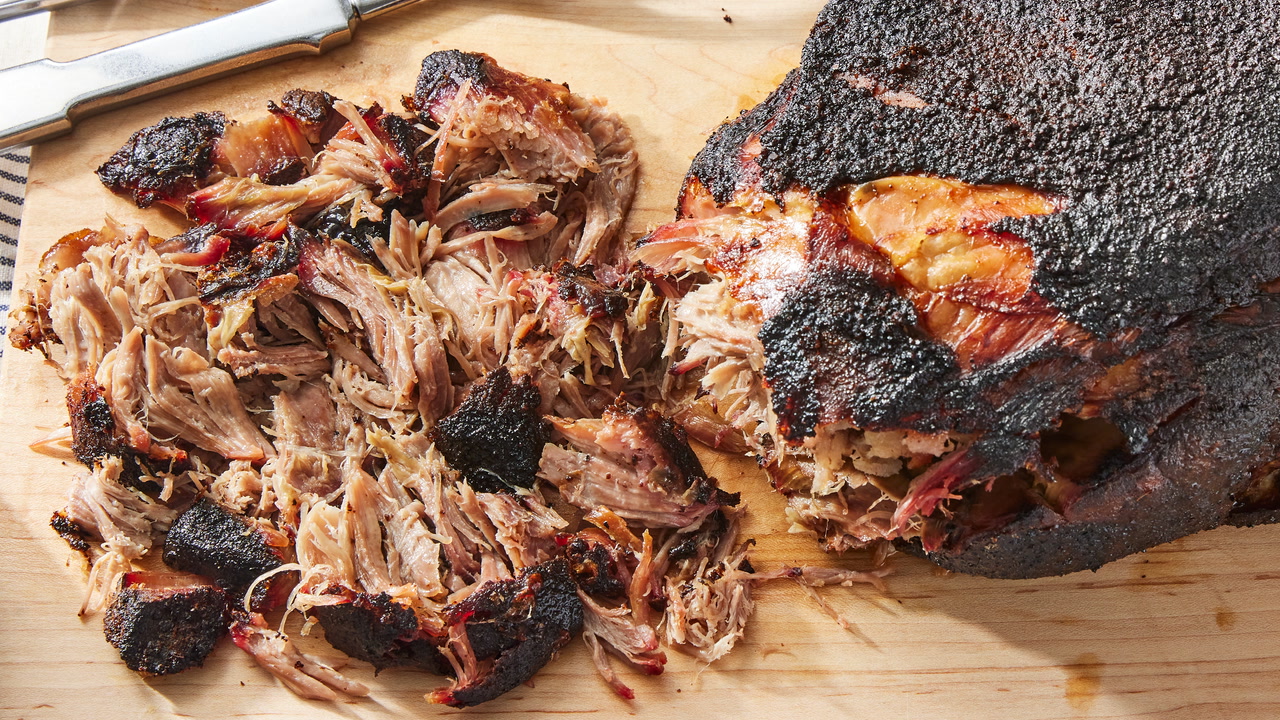
Use meat claws, forks, or your hands (with gloves) to shred the pork. Discard large pieces of fat or connective tissue that didn’t break down.
Mix the bark into the pulled meat for texture and flavor. You can also splash in a little apple cider vinegar or BBQ sauce to enhance moisture.
Serving Suggestions
So, your pork butt is perfectly smoked, pulled, and juicy… now what? Time to serve it up like a pro. One of the best things about pulled pork is how versatile it is. You can keep it classic or get creative—it’s totally up to you.
Classic Pulled Pork Plate
You can never go wrong with a traditional BBQ plate. Pile up a generous serving of pulled pork next to:
- Coleslaw
- Baked beans
- Cornbread or Texas toast
- Pickles or pickled onions
- Mac and cheese
Drizzle on your favorite BBQ sauce (vinegar-based, sweet, or mustard-style) and enjoy the smoky goodness.
Pulled Pork Sandwiches
Stack pulled pork high on a toasted bun, add a scoop of tangy slaw, and a splash of BBQ sauce. This is the ultimate handheld feast. You can even toast the buns in a bit of butter for extra flavor.
Want to level it up? Add:
- Pepper jack cheese for heat
- Pickles for tang
- Fried onions for crunch
Other Fun Ways to Use Pulled Pork
Let’s get a little wild. You can use leftover pork in:
- Tacos: Add fresh cilantro, onion, and a squirt of lime
- Nachos: Layer it over chips, cheese, jalapeños, and drizzle with sauce
- Sliders: Perfect for parties or game day
- Breakfast hash: Toss it with potatoes, onions, and top with a fried egg
- Pizza topping: BBQ sauce base + pulled pork + red onions + cheese = YES
Smoked pork butt is the gift that keeps on giving, no matter how you serve it.
Storage and Reheating Tips
Smoked pork butt makes fantastic leftovers. And the best part? It actually tastes even better the next day after those smoky flavors settle in deeper.
How to Store:
- Refrigerate: Store pulled pork in an airtight container for up to 4 days.
- Freeze: Portion into freezer bags or containers. Add a little reserved juice or BBQ sauce to keep it moist. It’ll keep for 2–3 months.
Reheating Tips:
Reheat low and slow to keep it from drying out.
- Stovetop: In a skillet with a splash of water or broth. Cover and heat on low.
- Oven: In a covered baking dish at 250°F until warmed through.
- Microwave: Use 50% power in short bursts, covered with a damp paper towel.
- Sous Vide: For best results, seal in a bag and reheat in a water bath.
Pro Tip: Add a splash of apple cider vinegar or BBQ sauce when reheating to refresh the flavor and moisture.
Common Mistakes to Avoid
Even though pork butt is forgiving, a few missteps can still throw you off. Here’s how to dodge the rookie errors:
1. Undercooking the Pork
Pulled pork needs to cook to at least 195°F, but ideally up to 205°F for perfect shreddability. Don’t go by time—go by temperature and feel.
2. Rushing the Process
Smoking takes time. If you try to rush it by turning up the heat, you’ll dry out the meat and ruin the bark. Embrace the process—trust the smoke.
3. Skipping the Rest
Resting is not optional. If you pull the pork right after cooking, all those juices will pour out and leave you with dry meat. Let it rest!
4. Not Using a Thermometer
“Eyeballing it” doesn’t work here. Use a meat probe and instant-read thermometer to ensure accuracy.
5. Ignoring the Bark
Don’t cover the pork in foil the whole time or wrap it too early—this will soften the bark. Let it smoke unwrapped for a few hours to build that crispy crust.
Troubleshooting Guide
Let’s solve some common pork butt problems, just in case your cook doesn’t go perfectly.
| Problem | Possible Cause | Fix |
|---|---|---|
| Pork is tough | Undercooked or not rested | Cook longer to 203°F+, then rest for 1 hr |
| Bark is too hard | Smoked too long unwrapped | Wrap earlier or spritz more |
| Bark is too soft | Wrapped too soon or too long | Unwrap for last hour to firm it up |
| Pork is dry | Overcooked or not enough fat | Add broth or sauce when reheating |
| Uneven cooking | Hot spots in smoker or poor airflow | Rotate meat during cook and monitor temp zones |
Use these quick fixes to save the day—even if things don’t go exactly as planned.
FAQs about Pork Butt Smoker Recipe
1. Can I smoke pork butt in a regular oven?
Yes, but you’ll miss the smoky flavor. You can roast it low and slow at 250°F, and use liquid smoke for a mild smoky effect. Wrap it in foil for part of the cook to keep it moist.
2. How long does it take to smoke an 8 lb pork butt?
At 225°F–250°F, plan on 12–14 hours, including resting time. Always go by internal temp, not clock time.
3. What wood is best for pork butt?
Hickory is a classic choice, but applewood and cherry are excellent for a sweeter, milder smoke. Pecan is a nice balance between strong and subtle.
4. Can I prep the pork a day before?
Absolutely! Season it, wrap it, and let it sit in the fridge overnight. Bring it to room temp before smoking for even cooking.
5. Is pork butt the same as Boston butt?
Yes! Boston butt is just another name for pork butt—it’s the upper shoulder part of the pig, not the actual rear.
Conclusion
Smoking a pork butt isn’t just cooking—it’s an experience. It teaches patience, rewards you with amazing flavor, and brings people together. Once you nail the process, it’ll be a go-to favorite for every cookout, weekend, or random Wednesday when you’re craving something epic.
From picking the perfect cut to that first bite of juicy, smoky pulled pork, every step in this guide brings you closer to BBQ glory. Keep practicing, keep tweaking your technique, and don’t forget to enjoy the process—because that’s half the fun.