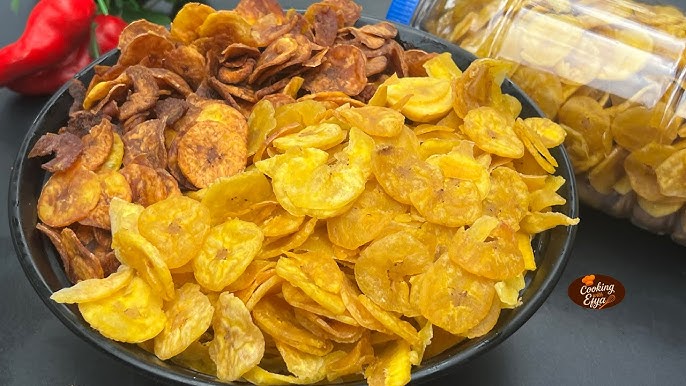
Plantain Chips Recipe: Ever tried a chip that’s crunchy, slightly sweet, a little salty, and totally addicting? Welcome to the world of plantain chips. These golden crisps aren’t just delicious—they’re a cultural staple across Africa, the Caribbean, and Latin America. Whether you’re looking for a healthy snack, a crunchy side, or a treat to impress your guests, plantain chips have got you covered.
What makes them stand out? They’re made from plantains—those banana-looking fruits that are starchier and more versatile. While potato chips are great, plantain chips offer a firmer crunch and a unique flavor profile that pairs beautifully with everything from guacamole to garlic sauce.
In this guide, you’ll get a complete breakdown of how to make plantain chips, from ingredients and tools to tips and tricks that guarantee perfect results every time.
Health Benefits of Plantains
Plantains are more than just a tasty snack base—they’re packed with nutrients that support your health. They’re rich in dietary fiber, vitamin A, vitamin C, and potassium. Unlike regular bananas, plantains are low in sugar (when green), making them a better choice for blood sugar management.
When cooked the right way—especially if you opt for baking or air-frying—plantain chips can be a part of a balanced, health-conscious diet. Green plantains in particular have resistant starch, which supports digestion and keeps you fuller for longer.
But keep in mind: how you cook them matters. Deep-fried chips soaked in oil aren’t the healthiest. But lightly fried or baked with olive oil? That’s a snack you can feel good about.
Ingredients You’ll Need
Before diving into the process, let’s get your kitchen stocked with the right ingredients. The beauty of plantain chips is their simplicity.
Basic Ingredients
- 2–3 green plantains (firm and unripe)
- Vegetable oil (sunflower, canola, or coconut oil)
- Salt (to taste)
Optional Flavorings and Spices
- Garlic powder
- Paprika
- Black pepper
- Cayenne pepper
- Curry powder
- Onion powder
- Chili flakes
- Sugar or cinnamon (for sweet versions)
You can mix and match depending on your taste. Want spicy chips? Go heavy on cayenne and black pepper. Want a sweet touch? Add cinnamon and a sprinkle of sugar after frying.
Types of Plantains to Use
Green plantains are the go-to for crispy, savory chips. They’re starchy, less sweet, and perfect for frying or baking. As they ripen, they become yellow, then black, developing a softer texture and a sweeter taste.
- Green (Unripe): Best for crispy chips. Firm, starchy, low sugar.
- Yellow (Ripe): Slightly sweet chips. Softer, less crunchy.
- Black (Overripe): Too soft for chips—better for mashing or cooking.
For that classic crunch and chip-like texture, always choose green plantains. Make sure they’re firm to the touch with no bruises or black spots.
Essential Tools and Equipment
You don’t need fancy gear, but a few tools will make your life easier:
- Sharp knife or mandoline slicer (for even, thin slices)
- Deep pan, skillet, or fryer
- Slotted spoon or skimmer
- Paper towels or wire rack (for draining oil)
- Mixing bowl
- Airtight container (for storage)
Pro tip: A mandoline ensures uniform slices, which means all your chips cook evenly.
Step-by-Step Guide to Making Plantain Chips
Step 1: Selecting and Peeling the Plantains
Start with firm, green plantains. Use a knife to cut off both ends, then make a vertical slit along the peel. Slide your fingers under the skin and pull it away. It might take a bit of effort—don’t worry, that’s normal with unripe plantains.
Step 2: Slicing Thin and Even
Slice the peeled plantains as thinly as possible—around 1/8-inch thick is ideal. You can cut straight across for round chips or diagonally for longer, oval ones. A mandoline slicer makes this step super easy and fast.
Step 3: Seasoning the Slices
Toss the slices in a bowl with a little oil and salt. Want to spice it up? Add garlic powder, paprika, chili, or any of your favorite seasonings. Make sure the slices are evenly coated.
Step 4: Frying vs. Baking vs. Air-Frying
Frying (Traditional Method):
- Heat oil in a deep pan (about 350°F/175°C).
- Add slices in small batches—don’t overcrowd.
- Fry for 2–3 minutes until golden and crisp.
- Remove with a slotted spoon and place on paper towels.
Baking:
- Preheat oven to 375°F (190°C).
- Lay slices on a parchment-lined tray in a single layer.
- Brush lightly with oil.
- Bake for 15–20 minutes, flipping halfway.
Air-Frying:
- Preheat air fryer to 350°F (175°C).
- Add slices in a single layer.
- Cook for 10–12 minutes, shaking halfway through.
Step 5: Draining and Cooling
Place the chips on a wire rack or paper towels to cool completely. This helps keep them crisp. Once cool, sprinkle extra seasoning if desired.
Flavor Variations
One of the best things about plantain chips is how versatile they are. With just a little creativity, you can whip up a batch that hits your exact flavor craving—whether sweet, spicy, salty, or even tangy.
Sweet Plantain Chips
If you’re using semi-ripe (yellow) plantains, you’ll naturally get a sweeter chip. After frying or baking, dust them lightly with a mix of cinnamon and brown sugar. For a tropical twist, drizzle with a touch of honey or coconut flakes after cooling. Sweet plantain chips pair perfectly with vanilla yogurt or fruit salsa.
Spicy Plantain Chips
Craving heat? Add cayenne pepper, chili powder, or crushed red pepper flakes to your pre-frying seasoning. For a Latin-inspired zing, squeeze a little lime juice over the hot chips and sprinkle with Tajin or chili-lime seasoning.
Savory and Herbed Chips
A savory fan? Go for garlic powder, onion powder, black pepper, or even smoked paprika. For herb lovers, toss the warm chips with rosemary, oregano, or thyme flakes. Sprinkle with Parmesan cheese while they’re still warm for an umami-rich snack.
Mixing and matching flavors is half the fun—don’t be afraid to get experimental!
Storage Tips
You’ve made the chips—now how do you keep them crispy and fresh?
How to Store
- Let chips cool completely before storing.
- Use an airtight container or ziplock bag.
- Store in a cool, dry place (avoid the fridge—moisture ruins the crunch).
Shelf Life
Homemade plantain chips stay fresh for up to 7–10 days if stored properly. For maximum freshness, toss a silica gel packet (like the ones in store-bought snacks) into the container to absorb moisture.
If they get a little soft, just reheat them in the oven at 300°F for 3–5 minutes to crisp them back up.
Common Mistakes to Avoid
Want perfect chips every time? Avoid these rookie mistakes:
1. Overcrowding the Pan
This causes the oil temperature to drop, resulting in soggy chips. Fry in small batches for best results.
2. Slicing Too Thick or Unevenly
Thick slices won’t crisp up properly. Uneven slices mean some will burn while others stay soft. Use a mandoline for consistency.
3. Using Low-Quality Oil
Old or low-smoke-point oil can affect flavor and texture. Go with refined coconut oil, canola, or sunflower oil.
4. Skipping the Drain
After frying, place chips on a paper towel-lined plate or cooling rack to drain off excess oil. Skipping this step will make them greasy and soft.
Serving Suggestions
Plantain chips are awesome on their own, but they shine even brighter when paired with the right dip or dish.
As a Snack
- Eat them plain or flavored
- Add them to lunchboxes or movie-night platters
With Dips
- Guacamole
- Hummus
- Spicy garlic mayo
- Mango salsa
- Greek yogurt dip with herbs
As a Side Dish
- Pair with grilled chicken, jerk pork, or fish tacos
- Serve alongside soups or stews as a crunchy side
They’re also a great gluten-free replacement for crackers in cheese boards!
How to Make Plantain Chips for Business
Want to turn this snack into a side hustle? Here’s what you need to keep in mind:
Small-Scale Production Tips
- Use a mandoline slicer for speed and consistency
- Standardize your recipes for uniform taste
- Fry in large batches and use a draining rack
Packaging
- Use resealable pouches or vacuum-sealed bags
- Include labels with ingredients, expiration dates, and contact info
Shelf Life and Safety
- Use food-safe packaging
- Store in cool, dry conditions
- Use preservative-free silica packs to extend crispness
Starting small at farmers’ markets or local stores can be a great way to test your product.
Are Plantain Chips Gluten-Free?
Absolutely! Plantains are a naturally gluten-free food, and as long as you don’t coat them with flour or seasoning blends containing gluten, the chips will remain safe for gluten-sensitive folks and those with celiac disease.
When seasoning, double-check your spice labels to make sure they don’t contain added starch or wheat.
Cost Comparison: Homemade vs. Store-Bought
Let’s talk money.
- A store-bought bag (3–4 oz): $2.99–$4.99
- Homemade chips (from 3 plantains): Under $2 and yields 2–3 times more!
Besides saving cash, you’re also getting better taste, more chips per plantain, and the freedom to season them any way you want.
Cultural Significance of Plantain Chips
Across many regions, plantain chips are more than a snack—they’re a part of life.
In Africa
Known as “kpekere” in Nigeria or “chifles” in East Africa, they’re commonly sold by street vendors or served with drinks and stews.
In the Caribbean and Latin America
They go by names like tostones, mariquitas, or platanitos. They’re often served alongside grilled meats or with spicy dipping sauces.
Every culture puts its own spin on it—but at the heart of it all, it’s about simple ingredients and bold flavor.
FAQs about Plantain Chips Recipe
1. Can I use ripe plantains instead of green ones?
Yes, but expect a sweeter, softer chip. Green plantains make crispier, savory chips.
2. How do I make them extra crispy?
Slice them thin, fry at the right temperature, and let them cool completely on a wire rack.
3. Can I use coconut oil for frying?
Yes! Refined coconut oil works great and adds a subtle sweetness.
4. Are plantain chips keto-friendly?
Not really. Plantains are high in carbs, so they aren’t ideal for strict keto diets.
5. Can I store them for more than a week?
If stored in an airtight container with a moisture absorber, they can last up to 10–14 days.
Conclusion
So there you have it—the ultimate guide to making crispy, flavorful plantain chips at home. With just a handful of ingredients and a little know-how, you can transform a humble green plantain into a snack that’s crunchy, tasty, and 100% better than anything store-bought.
Whether you’re frying, baking, or air-frying, the key is thin slices, hot oil (or oven), and the seasoning of your dreams. Don’t forget to store them right, and you’ll always have a fresh batch ready for snack time.
Get creative, try different seasonings, and most of all—have fun with it. Your taste buds (and your snack game) will thank you.