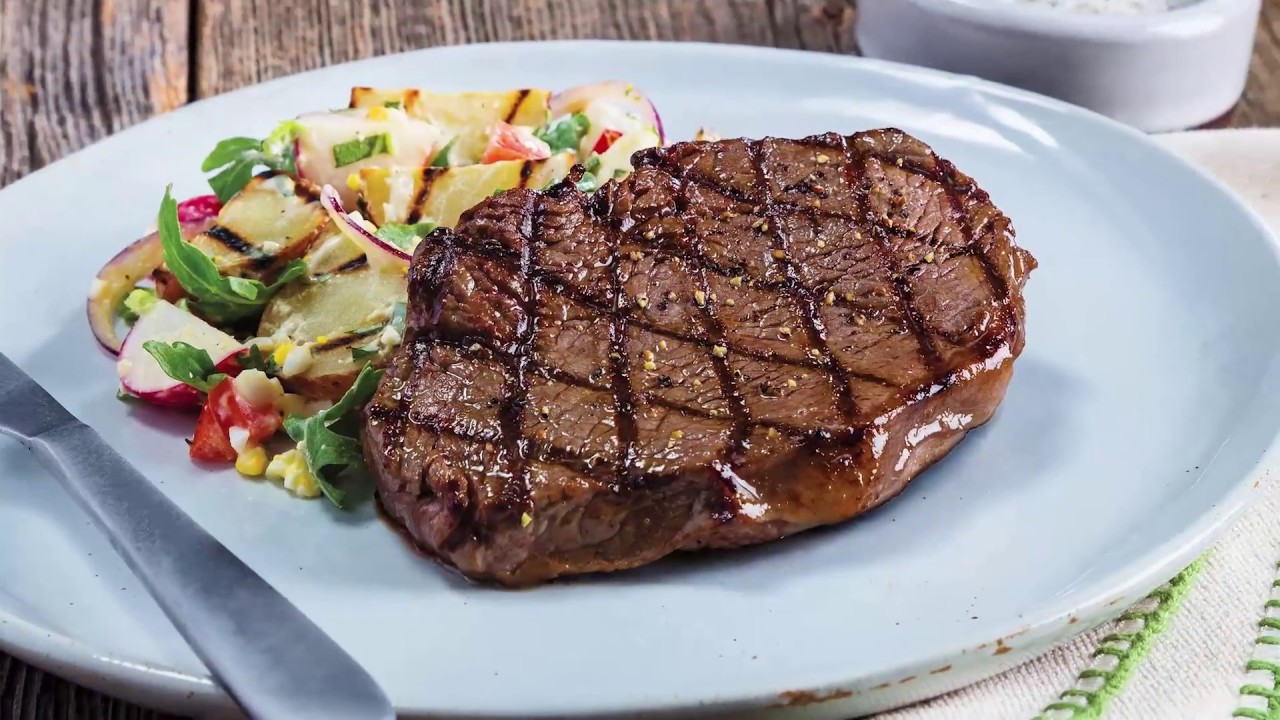
Petite Sirloin Steak Recipe: Looking to enjoy a mouthwatering steak night without breaking the bank or spending hours prepping? Let me introduce you to the petite sirloin steak—your new go-to cut for affordable, flavorful, and easy-to-cook steak dinners. Petite sirloin is the little sibling of the top sirloin, cut from the rear back portion of the cow. It’s leaner than ribeye, more tender than round, and just as satisfying when cooked right.
If you’ve ever felt intimidated by cooking steak at home, this guide will walk you through everything step by step. Whether you want to pan-sear, grill, roast, or sous vide it, you’ll learn how to master the technique that fits your kitchen setup and your taste buds.
Ready to turn that humble cut into something fancy on the plate? Let’s get started!
Ingredients You’ll Need
Cooking petite sirloin steak doesn’t require a long grocery list. You’ll need a few essentials to bring out the best in the meat, and we’ll also give you some optional ingredients if you want to get a little creative with flavor.
Essential Ingredients:
- 2 petite sirloin steaks (6–8 oz each)
- Salt (Kosher or sea salt works best)
- Freshly ground black pepper
- Olive oil or avocado oil (for high-heat searing)
- Butter (for finishing, optional but adds richness)
Optional Add-Ons for Flavor:
- Garlic cloves (crushed or minced)
- Fresh herbs (rosemary, thyme, oregano)
- Onion powder or garlic powder
- Paprika or cayenne (for a kick)
- Balsamic vinegar or soy sauce (for marinades)
- Worcestershire sauce (depth of umami)
Tools You’ll Need:
- Cast iron skillet or grill pan
- Tongs (never use a fork to flip steak!)
- Instant-read thermometer
- Cutting board
- Aluminum foil (for resting)
You can always keep it simple with just salt and pepper—or go bold with a garlic-herb marinade. Either way, it’s going to be delicious.
Choosing the Right Petite Sirloin
Not all steaks are created equal—even within the same cut. Choosing the right petite sirloin is where it all begins. First things first: what even is it?
Petite sirloin comes from the bottom sirloin subprimal, right near the round and just below the top sirloin. It’s affordable, decently tender, and great for weeknight meals.
How to Pick the Best Cut:
- Look for marbling – While petite sirloin is leaner, a little fat webbing throughout the steak adds flavor and moisture.
- Firm, bright red color – This means it’s fresh. Avoid steaks with grayish or brownish hues.
- Even thickness – Helps ensure even cooking; steaks that are too thin might overcook too fast.
Grass-Fed vs Grain-Fed:
Grass-fed beef tends to be leaner, slightly gamier in flavor, and higher in omega-3s. Grain-fed has more fat and usually a more buttery taste. Either is great—it depends on your preference and dietary goals.
So next time you’re at the butcher or grocery store, don’t just grab the first package you see. Check the label, inspect the meat, and choose wisely. It makes all the difference.
Preparation Tips Before Cooking
Think of steak prep like warming up before a workout—skip it, and you’re asking for problems.
1. Let It Reach Room Temperature
Taking your steak out of the fridge 30–45 minutes before cooking helps it cook evenly. Cold steak straight into a hot pan = burnt outside, raw inside.
2. Pat It Dry
Moisture is the enemy of a good sear. Use paper towels to blot the steak dry before seasoning.
3. Trim Excess Fat or Silver Skin
Most petite sirloins don’t need much trimming, but if you see any tough connective tissue, remove it for a smoother bite.
4. Marinate or Rub?
If you’ve got time, a 1–2 hour marinade adds a lot of flavor. No time? A simple salt-and-pepper rub 10 minutes before cooking works beautifully.
Remember: a well-prepped steak is halfway to being a great steak.
Marinade or Seasoning Options
Let’s talk flavor! One of the best things about petite sirloin steak is its versatility. You can go classic with salt and pepper, or get bold with spices and herbs. Whether you prefer a simple rub or a flavorful marinade, here are some great options to match your mood and taste.
1. Classic Salt and Pepper Rub
Don’t underestimate the power of simplicity. Just generously season both sides of your steak with Kosher salt and freshly cracked black pepper. Let it sit for about 10–15 minutes to absorb flavor and allow the salt to start breaking down the meat fibers, helping with tenderness.
2. Garlic and Herb Marinade
Want something a bit more elevated? Try this blend:
- 3 tbsp olive oil
- 1 tbsp balsamic vinegar
- 2 cloves garlic (minced)
- 1 tsp fresh rosemary or thyme
- Salt and pepper to taste
Marinate your steak for at least 1 hour, or up to 8 hours in the fridge. This gives it an herby kick with a tenderizing touch.
3. BBQ-Inspired Dry Rub
Prefer a smoky flavor? Mix the following:
- 1 tsp smoked paprika
- ½ tsp cayenne (optional, for heat)
- ½ tsp garlic powder
- ½ tsp onion powder
- 1 tsp brown sugar
- Salt and pepper
Rub it generously over the steak. Let it rest for 15–30 minutes before cooking to let the flavors stick.
Pro tip: If you’re short on time, you can combine a dry rub with a splash of olive oil for a quick-flavor marinade that doesn’t need hours to work.
Cooking Methods for Petite Sirloin
Now that your steak is seasoned and ready, it’s time to decide how you’ll cook it. The petite sirloin is leaner, so cooking it right means not overdoing it. Here are the most effective methods to bring out the best flavor and texture.
Pan-Searing
This is the go-to for most home cooks. It gives you a beautiful crust and a juicy interior.
- Best for: Quick dinners, minimal setup
- Tools: Cast iron or stainless-steel pan
- Time: 6–10 minutes total
Grilling
Perfect for outdoor cooking and that smoky, charred finish.
- Best for: BBQ nights, summer meals
- Tools: Gas or charcoal grill
- Time: 8–12 minutes depending on thickness
Oven Roasting
Oven cooking helps when you want slow, even cooking—especially for thicker steaks.
- Best for: Controlled cooking, meal prep
- Tools: Oven-safe skillet or baking sheet
- Time: 15–25 minutes
Sous Vide with Pan Finish
Sous vide ensures perfect doneness edge to edge. A hot sear afterward gives you that satisfying crust.
- Best for: Precision, ultra-tender results
- Tools: Sous vide machine + skillet
- Time: 1–2 hours sous vide + 2 min per side sear
Each method has its pros. Pick based on your kitchen setup and time on hand—but don’t worry, we’ll walk you through them!
Step-by-Step Guide to Pan-Searing Petite Sirloin
If you’re cooking indoors, pan-searing is the simplest and most satisfying way to make a restaurant-quality steak at home. Here’s a foolproof guide:
Step 1: Season the Steak
Make sure the steak is at room temperature, and pat it dry. Season generously on both sides with salt, pepper, or your preferred rub.
Step 2: Preheat the Pan
Heat your skillet over medium-high heat until it’s ripping hot—about 3–5 minutes. You should see light smoke. Add 1–2 tablespoons of high-smoke point oil like avocado or canola.
Step 3: Sear the Steak
Carefully lay the steak into the hot pan away from you. Don’t move it around! Let it sear for 3–4 minutes on the first side until a deep brown crust forms.
Flip and sear the second side for another 3–4 minutes. If you want, add 1 tbsp butter, a crushed garlic clove, and a sprig of rosemary for an aromatic finish. Baste the steak in the melted butter for the final minute.
Step 4: Check the Temperature
Use a meat thermometer to check doneness:
- Rare: 120–125°F
- Medium-rare: 130–135°F
- Medium: 140–145°F
- Well-done: 150°F+ (not recommended for this cut)
Step 5: Rest Before Cutting
Transfer the steak to a plate and cover loosely with foil. Let it rest for 5–10 minutes so the juices redistribute.
That’s it. Slice against the grain and enjoy one of the juiciest, easiest steaks you’ve ever made.
How to Grill Petite Sirloin Steak Perfectly
Grilling a petite sirloin takes it to the next level—charred edges, smoky flavor, and juicy bites. Here’s your go-to grilling method:
Preheat the Grill
Set your gas grill to high heat or prepare your charcoal grill for direct heat cooking. Make sure the grates are clean and well-oiled.
Season and Rest
Season your steak with salt, pepper, and your favorite rub. Let it sit while the grill heats up.
Grill Time
- Place the steak directly over high heat.
- Sear each side for 2–4 minutes, depending on thickness.
- For medium-rare, total grill time should be 7–9 minutes.
Crosshatch Grill Marks
Rotate the steak 90° halfway through cooking each side for those signature marks.
Check Temperature
Use an instant-read thermometer to get it just right.
Rest and Serve
Let the steak rest off the grill, covered loosely with foil, for 5–10 minutes.
The result? A grilled petite sirloin that’s smoky, tender, and totally satisfying.
Oven Cooking Method
Not everyone has a grill, and maybe you don’t want to deal with splattering oil on the stove. That’s where the oven comes in—it’s one of the most consistent ways to cook petite sirloin steak, especially if you’re after that perfect medium-rare without constantly hovering over the heat.
Step 1: Preheat and Prep
Start by preheating your oven to 400°F (200°C). While the oven’s heating, take your seasoned steak out of the fridge and let it reach room temperature. A quick sprinkle of olive oil and a final dusting of seasoning ensures a flavorful crust.
Step 2: Sear First
For the best texture, first sear the steak in a hot oven-safe skillet over medium-high heat. Sear each side for 2–3 minutes to lock in juices and develop that beautiful crust.
Step 3: Transfer to Oven
Once both sides are browned, move the skillet directly into the oven (or transfer the steak to a baking dish). Roast for:
- 5–6 minutes for medium-rare
- 7–9 minutes for medium
- Up to 11 minutes for well-done (but beware of drying it out)
Use a thermometer to be precise.
Step 4: Resting Time
Take the steak out and tent it with foil for 5–10 minutes. This lets the meat relax and reabsorb all the delicious juices.
Oven-cooked petite sirloin turns out juicy, tender, and evenly cooked—without the fuss of flames or hot grease.
Sous Vide for Juicy Results
Want restaurant-level perfection? Try the sous vide method. This water bath technique cooks the steak to an exact internal temperature, making it nearly impossible to overcook.
Step 1: Season and Bag It
Season your petite sirloin with salt, pepper, and aromatics like garlic and thyme. Place it in a vacuum-sealed bag or use the water displacement method with a zip-lock freezer bag.
Step 2: Set Temperature
- Medium-rare: 130°F (54°C)
- Medium: 140°F (60°C)
- Well-done (if you must): 150°F (65.5°C)
Cook for 1.5 to 2 hours. You can even leave it for up to 4 hours—it won’t overcook, which is the beauty of sous vide.
Step 3: Sear It Hot
After sous vide cooking, remove the steak and pat it completely dry. Get a cast iron skillet blazing hot and sear each side for 1–2 minutes until you get a golden brown crust.
The result? A steak that’s perfectly pink from edge to edge, with a mouthwatering sear outside. You can’t beat it.
How to Check Doneness
You don’t want to slice open your steak mid-cook to guess if it’s done. That’s how you lose all the juice! Use these methods to check doneness accurately:
1. Meat Thermometer (Most Reliable)
Stick an instant-read thermometer into the center of the steak (not touching bone or pan):
- Rare: 120–125°F (49–52°C)
- Medium-rare: 130–135°F (54–57°C)
- Medium: 140–145°F (60–63°C)
- Medium-well: 150–155°F (66–68°C)
- Well-done: 160°F+ (71°C+)
2. Finger Test (Old School Method)
Compare the firmness of the steak to the fleshy part of your palm under the thumb:
- Soft = rare
- Slightly firm = medium-rare
- Firm = well-done
It takes practice, but it works when you get the hang of it.
3. Visual Cues
- Rare: deep red, cool center
- Medium-rare: warm, red center
- Medium: pink center
- Well-done: no pink at all, brown throughout
Trust your thermometer for best results, but the other methods are helpful in a pinch.
Letting the Steak Rest
It might be tempting to dive right in, but resting your steak is non-negotiable. Think of it like letting a soda fizz settle—you don’t want all the good stuff to burst out the second you cut in.
Why Rest?
When steak cooks, the juices move toward the surface. Resting gives those juices time to redistribute, keeping your meat juicy and flavorful.
How Long to Rest?
- For petite sirloin (6–8 oz): 5–10 minutes
- Bigger cuts may need up to 15 minutes
How to Rest Steak
- Remove from heat
- Place on a clean plate or board
- Cover loosely with foil to keep it warm
This small step makes a massive difference in texture and flavor.
Serving Suggestions
Now that you’ve nailed the cook, let’s plate it like a pro. A great steak needs great company, and we’re not talking people (though they help too).
Side Dishes That Work Every Time
- Garlic mashed potatoes
- Grilled asparagus or green beans
- Creamed spinach
- Roasted sweet potatoes
- Crispy French fries or wedges
Sauces That Elevate the Steak
- Garlic butter
- Chimichurri (fresh and zesty)
- Peppercorn cream sauce
- Mushroom gravy
- Béarnaise (for a fancy twist)
Pro Tips for Plating
- Slice steak against the grain for max tenderness
- Fan slices out for presentation
- Drizzle sauce just before serving or serve on the side
Presentation matters—because we eat with our eyes first.
Storing Leftovers the Right Way
Cooked more than you can eat? No problem. Petite sirloin stores well if you handle it properly.
In the Fridge
- Cool the steak to room temp before storing
- Wrap tightly in foil or use an airtight container
- Good for 3–4 days
In the Freezer
- Slice or store whole (wrapped tightly)
- Use a freezer-safe bag or container
- Good for up to 3 months
Reheating Tips
- Avoid the microwave—it zaps moisture
- Reheat gently in a skillet over low heat with a bit of broth or butter
- Or use an oven at 250°F until warmed through
Pro tip: Leftover petite sirloin is great in wraps, tacos, salads, or stir fry.
Common Mistakes to Avoid
Even seasoned cooks slip up sometimes. Here are the top pitfalls when cooking petite sirloin—and how to avoid them:
1. Overcooking the Steak
This cut is lean, so it gets dry fast. Always use a meat thermometer to avoid rubbery results.
2. Not Letting the Steak Rest
Cutting too soon releases all the juices. Always wait 5–10 minutes before slicing.
3. Not Preheating Your Pan or Grill
A cold pan means no sear—and no flavor crust. Make sure it’s hot before the steak hits it.
4. Underseasoning
This cut needs bold seasoning. Don’t be afraid to go heavy on salt, pepper, and herbs.
5. Cutting With the Grain
Always slice against the grain to make each bite tender and chewable.
FAQs about Petite Sirloin Steak Recipe
1. What is the ideal internal temperature for petite sirloin?
Medium-rare is ideal—around 130–135°F. It keeps the steak juicy without being overly rare.
2. Can I cook petite sirloin from frozen?
Yes, but it’s better to thaw it first. If cooking from frozen, expect longer cook times and lower crust development.
3. How do I tenderize petite sirloin?
Marinating with acidic ingredients (like vinegar or lemon juice) or using a meat mallet can help soften the fibers.
4. Is petite sirloin good for stir fry?
Absolutely! Slice it thin against the grain and stir-fry quickly over high heat for best results.
5. What sauces go best with petite sirloin?
Garlic butter, chimichurri, peppercorn sauce, and mushroom gravy all pair beautifully with petite sirloin’s bold flavor.
Conclusion
Cooking the perfect petite sirloin steak at home is totally doable—even if you’re not a pro chef. With the right cut, a little seasoning love, and careful cooking, this affordable steak can rival your favorite restaurant meal. Whether you pan-sear, grill, roast, or sous vide, you’ve got the tools and tips now to make it unforgettable.
Steak night doesn’t have to be intimidating. Just keep it simple, stay patient, and treat your ingredients with care. Your taste buds (and guests) will thank you.