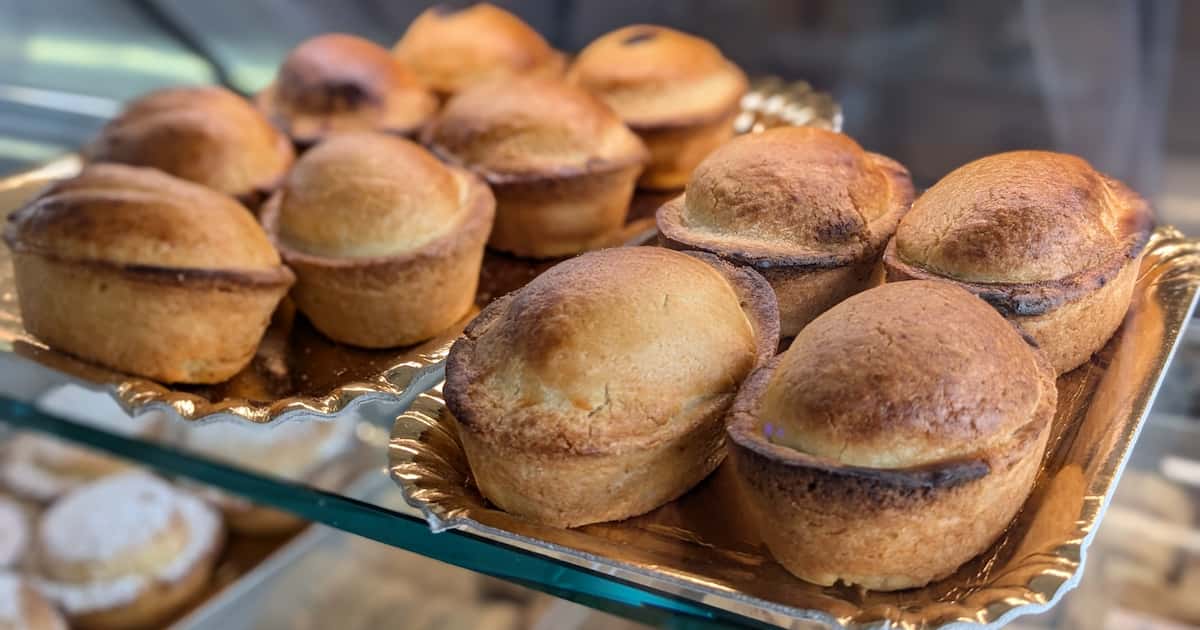
Pasticciotto Leccese Recipe: If you’ve ever visited Southern Italy, especially the sun-kissed region of Puglia, you’ve probably been offered a golden, warm, custard-filled delight known as Pasticciotto Leccese. This small pastry has become a breakfast staple in Lecce and throughout Salento, charming locals and tourists alike with its delicate crust and creamy heart. Now, imagine biting into a buttery pastry shell that gives way to a rich, velvety pastry cream—it’s love at first bite.
Whether you’re looking to relive a vacation memory or simply want to impress your friends with an authentic Italian dessert, this step-by-step guide will walk you through how to make pasticciotto at home like a true Salentino. From the ingredients list to tips for that perfect golden crust, you’re in for a baking experience that’s just as delightful as the dessert itself.
What Is Pasticciotto Leccese?
Pasticciotto Leccese is more than just a dessert—it’s a cultural icon. Originating in Lecce, a historic town in the southern region of Puglia, this sweet treat is a morning favorite enjoyed with an espresso. It consists of a shortcrust pastry (pasta frolla) filled with luscious pastry cream (crema pasticcera) and baked to perfection.
The pastry’s roots date back to the 18th century when a local baker supposedly invented it by accident. He had leftover dough and cream and decided to bake them together in a small mold. The result? A culinary masterpiece that quickly gained fame across Italy.
You’ll find pasticciotti in every bakery in Lecce, often warm from the oven and dusted lightly with powdered sugar. Traditionally, they’re made in small oval molds, but you can get creative with muffin tins if needed.
Why You’ll Love This Recipe
Pasticciotto is one of those rare desserts that’s both humble and luxurious. It’s not overly sweet, yet it feels indulgent. The contrast between the buttery crust and the silky cream creates a harmony that makes you crave more after the first bite.
Here’s why this recipe is a keeper:
- Authenticity: This recipe stays true to the classic Salento style.
- Beginner-friendly: You don’t need fancy skills—just a little patience and love for baking.
- Customizable: Want to add chocolate? Prefer lemon zest over vanilla? Totally doable.
- Impressive results: It looks professional and tastes like a bakery-made treat.
Whether for a brunch, dinner party, or quiet morning with coffee, pasticciotto fits the bill perfectly. It’s nostalgic yet timeless, comforting yet classy.
Ingredients You’ll Need
Let’s get down to the heart of this recipe—the ingredients. Keep it simple, but make sure they’re high quality. Freshness matters here more than complexity.
For the Shortcrust Pastry:
- 2 ½ cups (300g) all-purpose flour
- ½ cup (100g) granulated sugar
- 1 tsp baking powder
- Pinch of salt
- 1 stick + 1 tbsp (125g) unsalted butter, cold and diced
- 2 egg yolks
- 1 whole egg
- 1 tsp vanilla extract or seeds from 1 vanilla bean
- Zest of 1 lemon (optional)
For the Pastry Cream (Crema Pasticcera):
- 2 cups (500ml) whole milk
- ½ cup (100g) granulated sugar
- 4 egg yolks
- ⅓ cup (40g) cornstarch
- 1 tsp vanilla extract or vanilla bean
- Zest of 1 lemon or orange (optional)
Optional Add-ins:
- Chocolate chips or chunks
- Chopped pistachios
- Cherry preserves
Tools You’ll Need:
- Mixing bowls
- Saucepan
- Whisk
- Rolling pin
- Pastry molds (oval or muffin tin)
- Spatula
- Fine mesh sieve (for pastry cream)
- Oven
Choosing the Right Ingredients
To make a pasticciotto that melts in your mouth, the quality of ingredients is everything. Don’t skimp here!
- Flour: Use all-purpose flour for a balanced texture—not too soft, not too crumbly.
- Butter: Cold, high-fat European-style butter is best. It adds richness and structure.
- Eggs: Go for free-range eggs with rich, orange yolks. They enhance both color and flavor.
- Vanilla: A vanilla bean pod is ideal, but pure extract will do in a pinch. Avoid artificial flavorings.
- Milk: Whole milk gives the cream body and a velvety mouthfeel. Avoid low-fat alternatives.
This recipe doesn’t need fancy extras. It shines because of the balance and freshness of simple, honest ingredients.
Step-by-Step Guide to Making Pasticciotto Leccese
Pasticciotto Leccese is a beloved pastry from southern Italy, featuring a buttery shortcrust shell filled with smooth vanilla custard. Here’s a clear, easy guide to making it at home.
Step 1: Prepare the Pastry Dough (Pasta Frolla)
In a bowl, combine flour, sugar, and a pinch of salt. Add cold butter and rub it in until the mixture resembles breadcrumbs. Mix in an egg and a little lemon zest to form a soft dough. Knead lightly—do not overwork. Wrap and refrigerate for at least 30 minutes to achieve a tender, crumbly crust.
Step 2: Make the Italian Pastry Cream (Crema Pasticcera)
Heat milk with lemon peel or vanilla until warm. In a separate bowl, whisk egg yolks with sugar and cornstarch until smooth. Slowly pour in the warm milk while whisking. Return the mixture to the pan and cook over low heat, stirring constantly, until thick and creamy. Remove from heat and let it cool slightly.
Step 3: Assemble the Pasticciotti
Roll out the chilled dough to about 3–4 mm thick. Line greased oval molds, pressing gently into the edges. Fill each mold about three-quarters full with pastry cream. Cover with a thin layer of dough and seal the edges carefully.
Step 4: Bake to Golden Perfection
Brush the tops with beaten egg. Bake at 180°C (350°F) for 25–30 minutes until deeply golden. Let them cool slightly and serve warm for the best flavor and texture.
Cooling and Serving Suggestions
Cooling: Cooling is just as important as baking. Letting the pastries set helps the filling firm up and allows the flavors to settle. It’s tempting to dig in while they’re hot, but give them at least 10–15 minutes before serving.
Serving: Traditionally, pasticciotti are served warm for breakfast alongside an espresso or cappuccino. The contrast of warm cream and flaky crust with bitter coffee? Chef’s kiss.
Modern ideas:
- Dust with powdered sugar for an elegant finish.
- Serve with a small scoop of gelato for a dessert twist.
- Add a drizzle of chocolate or fruit compote on the plate if you’re feeling fancy.
No matter how you serve them, they’re sure to impress.
Expert Tips for Perfect Pasticciotti
Want bakery-quality results at home? Here are some tips to take your pasticciotto to the next level:
- Don’t skip chilling the dough. It helps prevent shrinking and ensures a tender crust.
- Use cold butter for the dough—it makes it flakier.
- Strain your pastry cream through a sieve after cooking to eliminate lumps.
- Don’t overfill the molds. The filling expands slightly during baking.
- Seal the edges well so the cream doesn’t leak out.
- Use metal molds if you can—they heat more evenly and give a crispier crust.
Storage tip:
Store pasticciotti in an airtight container in the fridge for up to 3 days. Reheat slightly before serving for that fresh-from-the-oven taste.
Pasticciotto Variations to Try
Once you’ve nailed the classic, there’s a whole world of variations to explore!
Chocolate Pasticciotto:
- Add 2 tbsp of cocoa powder to your dough.
- Fill with chocolate pastry cream or even Nutella for a rich twist.
Pistachio Pasticciotto:
- Add ground pistachios to the cream.
- Use pistachio paste for a bold nutty flavor.
Fruit-Filled:
- Mix in cherry preserves, amarena cherries, or berry compote into the cream.
Vegan Version:
- Use plant-based butter and milk.
- Substitute eggs with cornstarch and turmeric for color.
Gluten-Free:
- Use a good quality gluten-free flour blend.
- Add a teaspoon of xanthan gum to help the dough hold together.
The possibilities are endless once you understand the base recipe.
History and Tradition Behind the Dish
The pasticciotto’s origin is steeped in Southern Italian pride. It’s said to have been created by Andrea Ascalone in Galatina, near Lecce, in 1745. Legend has it he was experimenting with leftover ingredients and accidentally created this masterpiece.
Today, pasticciotto is more than a dessert—it’s a symbol of Lecce. Locals eat it at breakfast, as a snack, and during festivals. Every bakery has its signature twist, and there’s even a “Pasticciotto Day” celebrated in Salento!
Eating a pasticciotto connects you to centuries of culinary heritage and the warmth of Italian hospitality.
Pairing Suggestions
Wondering what to serve with your pasticciotto? Here are some tasty ideas:
- Coffee: Espresso or cappuccino is the traditional go-to. The bitterness complements the sweet cream perfectly.
- Tea: Try a strong black tea like Assam or Darjeeling.
- Wine: A sweet dessert wine like Vin Santo or Moscato d’Asti pairs wonderfully.
- Limoncello: For a Southern Italian vibe, enjoy it with a chilled glass of limoncello.
Whether for breakfast, tea time, or dessert, pasticciotto shines.
FAQs about Pasticciotto Leccese Recipe
1. Can I freeze pasticciotti?
Yes! Freeze them baked and cooled. Reheat in the oven at 160°C (320°F) for 10–12 minutes. They’ll taste freshly made.
2. Can I use custard instead of pastry cream?
Pastry cream is best for authentic flavor and texture, but a thick, egg-rich custard can work in a pinch.
3. What if I don’t have special molds?
No worries—muffin tins work great. Just grease them well and adjust the size of your dough circles.
4. Is it best served warm or cold?
Traditionally, it’s served warm. But many love it at room temperature or even chilled from the fridge.
5. How long does it stay fresh?
They’re best eaten within 2–3 days. Store them in the fridge and reheat slightly before serving.
Conclusion
So there you have it—the full, detailed, step-by-step guide to making Pasticciotto Leccese right in your own kitchen. This iconic Southern Italian pastry may seem fancy, but it’s all about simplicity, tradition, and a whole lot of heart.
Once you’ve made it once, it’ll become a favorite in your baking repertoire. Whether you stick to the classic or try a new twist each time, the result is always delicious. And remember—what makes pasticciotto special isn’t just the ingredients, but the love and care baked into every bite.
Get your hands floured, turn on some Italian music, and bring a piece of Lecce into your home.