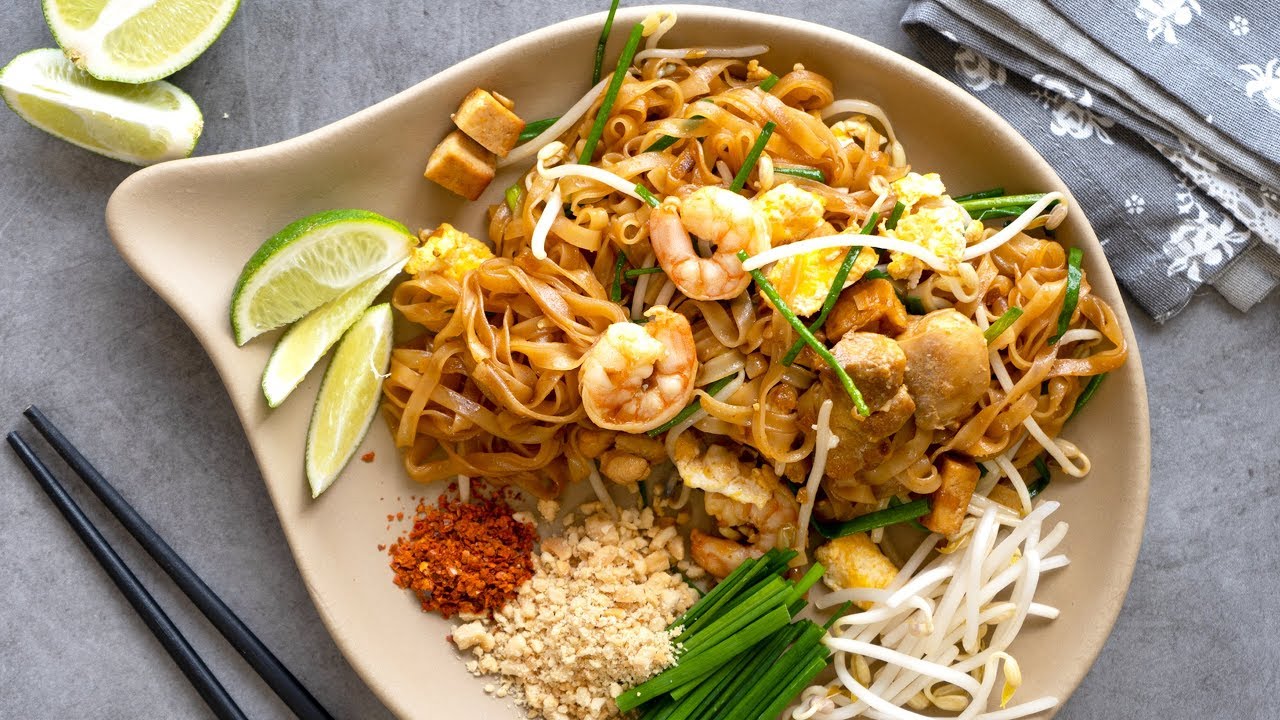
Pad Thai Noodles Recipe: Pad Thai is one of those dishes that’s a guaranteed crowd-pleaser. It’s sweet, tangy, salty, a bit spicy, and just bursting with umami flavors that instantly make you go “Wow!” Whether you’ve had it at your favorite Thai restaurant or you’re trying it for the first time, Pad Thai delivers a delightful balance of textures and tastes. But here’s the good news — you don’t need to travel to Thailand or order takeout every time you crave it. You can make restaurant-quality Pad Thai noodles at home, and it’s a lot easier than you think.
So what is Pad Thai? At its core, Pad Thai is a stir-fried noodle dish made with rice noodles, a tangy sauce, and a protein like shrimp, chicken, or tofu. Tossed with scrambled eggs, crunchy peanuts, and fresh lime juice, it’s the ultimate fusion of flavor and texture. And once you make it yourself, you’ll realize just how customizable it can be.
Whether you’re a beginner in the kitchen or someone who’s already mastered a few Asian dishes, this step-by-step guide will help you perfect the art of cooking Pad Thai noodles — right in your own home. Ready to give it a go?
List of Ingredients You’ll Need
Cooking Pad Thai at home starts with gathering the right ingredients. The good news? Most of these are pantry staples or easy to find at your local Asian market or grocery store. Here’s everything you’ll need:
Main Ingredients for Pad Thai
- 8 oz flat rice noodles (medium-width, ideally)
- 2 tablespoons vegetable oil (or peanut oil for extra flavor)
- 2 cloves garlic, minced
- 1 shallot, finely chopped
- 2 eggs, beaten
- 1 cup bean sprouts, rinsed
- ½ cup carrots, julienned (optional)
- ¼ cup green onions, chopped
- ¼ cup crushed peanuts
- 1 lime, cut into wedges
- Fresh cilantro, for garnish (optional)
Protein Options (Choose one or combine)
- Shrimp (peeled and deveined)
- Chicken breast or thighs (thinly sliced)
- Extra-firm tofu (cubed)
Pad Thai Sauce Ingredients
- 3 tablespoons fish sauce (use soy sauce for vegetarian)
- 1 tablespoon soy sauce
- 1½ tablespoons tamarind paste
- 1½ tablespoons brown sugar (or palm sugar)
- 1 teaspoon chili flakes (adjust to taste)
Optional Add-Ins and Substitutes
- Bell peppers or snap peas for added crunch
- Bok choy or spinach for greens
- Mushrooms for umami flavor
- Sriracha or chili garlic sauce for extra heat
Keep in mind, Pad Thai is super flexible. Allergic to peanuts? Use cashews. Vegetarian? Go with tofu and skip the fish sauce. Want it spicy? Bring the heat. It’s all up to you.
Essential Tools & Kitchen Equipment
To make Pad Thai successfully at home, you don’t need a professional kitchen, but having the right tools makes a difference.
Wok vs. Skillet
A wok is traditionally used because of its high sides and ability to handle high heat evenly. But if you don’t have one, a large non-stick skillet works just fine. Just make sure it’s big enough to toss all your ingredients together without overcrowding.
Other Handy Tools
- Sharp knife for chopping veggies and protein
- Cutting board
- Tongs or a spatula for stir-frying
- Measuring spoons to keep the sauce balanced
- Mixing bowls for prepping ingredients
Having your tools and ingredients prepped and ready before you turn on the stove is key to making a smooth, quick stir-fry.
Choosing the Right Noodles
Noodles are the heart and soul of Pad Thai, so choosing the right kind is essential.
Types of Rice Noodles
Pad Thai typically uses flat rice noodles, often labeled as “rice sticks.” They come in different widths — go for medium-width for an authentic texture. Brands like Thai Kitchen or A Taste of Thai work well and are easy to find.
Tips for Preparing Noodles
- Soak, don’t boil: Most rice noodles just need a 30-minute soak in warm water until pliable. Boiling them often leads to mushy noodles.
- Drain and rinse: After soaking, drain and rinse under cold water to stop any residual cooking.
- Don’t overcook in the pan: The noodles will finish cooking once you stir-fry them with the sauce. If they’re fully cooked before that, they might get soggy.
Rice noodles are naturally gluten-free and perfect for absorbing all that tangy-sweet-savory sauce.
How to Make the Perfect Pad Thai Sauce
Here’s where the magic happens. The sauce ties everything together and gives Pad Thai its iconic flavor.
Traditional Pad Thai Sauce Ingredients
A balance of these four flavor profiles is key:
- Salty – Fish sauce
- Sweet – Brown sugar or palm sugar
- Sour – Tamarind paste
- Spicy – Chili flakes or hot sauce (optional)
Basic Sauce Recipe:
- 3 tbsp fish sauce
- 1½ tbsp tamarind paste
- 1½ tbsp brown sugar
- 1 tbsp soy sauce
- 1 tsp chili flakes
Adjusting the Sauce to Taste
Love it spicier? Add more chili. Need it sweeter? Bump up the sugar. If you’re vegetarian, skip the fish sauce and use extra soy sauce or tamari. Tamarind paste can be tricky to find — if needed, substitute with lime juice plus a bit of brown sugar, though it won’t be quite the same.
Once you get the balance right, you’ll want to use this sauce on everything.
Step-by-Step Guide to Making Pad Thai Noodles
Pad Thai is all about balance—sweet, salty, tangy, and savory in one satisfying bowl. Once everything is prepped, it comes together fast.
Step 1: Soak or Cook the Noodles
Place dried rice noodles in a bowl and cover with warm water. Let them soak for 20–30 minutes until pliable but not mushy. Drain and set aside. If using fresh noodles, loosen them according to package instructions.
Step 2: Prepare the Sauce
In a small bowl, mix tamarind paste, fish sauce, palm sugar (or brown sugar), and a splash of soy sauce. Stir until the sugar dissolves. Taste and adjust to achieve a sweet-tangy balance.
Step 3: Prep Your Ingredients
Slice your protein of choice (shrimp, chicken, or tofu). Chop green onions, crush garlic, and measure bean sprouts and peanuts. Having everything ready makes cooking smooth and stress-free.
Step 4: Cook the Protein
Heat oil in a wok or large pan over medium-high heat. Add the protein and stir-fry until just cooked through. Remove and set aside to avoid overcooking.
Step 5: Add Veggies and Aromatics
In the same pan, add a bit more oil if needed. Sauté garlic and shallots until fragrant, then toss in green onions and a handful of bean sprouts.
Step 6: Combine Noodles with Sauce
Add the soaked noodles to the pan and pour in the prepared sauce. Toss continuously, letting the noodles soften and absorb the flavors.
Step 7: Scramble Eggs In-Wok
Push noodles to one side of the pan. Crack eggs into the empty space and gently scramble until just set, then mix into the noodles.
Step 8: Stir Everything Together
Return the cooked protein to the pan. Toss everything together over high heat until well combined and glossy.
Step 9: Garnish and Serve
Remove from heat and garnish with crushed peanuts, fresh lime wedges, and extra bean sprouts. Serve immediately for the best flavor and texture 🍜🍋
Tips for the Best Homemade Pad Thai
Want your Pad Thai to come out perfectly every time? Here are a few expert tips to keep in mind:
Common Mistakes to Avoid
- Overcooking the noodles: Soaking is better than boiling. Rice noodles cook fast — don’t let them turn to mush.
- Skipping the prep: This dish moves quickly. Have every ingredient chopped and ready before you start cooking.
- Crowding the pan: Use a large wok or skillet. Overcrowding leads to steaming instead of stir-frying.
- Not balancing the sauce: Sweet, sour, salty, and spicy — balance is everything.
Ingredient Swaps
- No tamarind? Use lime juice and a touch of vinegar with brown sugar.
- No fish sauce? Use soy sauce or tamari for a vegetarian version.
- Allergic to peanuts? Toasted cashews or sunflower seeds work great.
Consistency and confidence will improve the more you make it. So don’t worry if your first batch isn’t perfect — you’re learning!
Pad Thai Variations to Try
One of the best things about Pad Thai is how versatile it is. Here are a few popular variations to experiment with:
Vegan Pad Thai
Skip the eggs and fish sauce. Use tofu and soy sauce or tamari in the sauce. Add more veggies like mushrooms, bell peppers, and snap peas.
Shrimp Pad Thai
Quick-cooking and flavorful, shrimp is a favorite. Sear them until pink and curled, then toss them in at the end for juicy bites.
Chicken Pad Thai
Thinly sliced chicken breast or thighs are marinated briefly in a bit of soy sauce and cornstarch for extra tenderness. A protein-packed option that’s always satisfying.
Tofu Pad Thai
Use firm or extra-firm tofu. Press it to remove moisture, cube it, and fry until golden before adding to the dish. Perfect for vegetarians or anyone looking for a plant-based option.
You can also mix and match proteins or load it up with vegetables. The possibilities are endless.
Nutritional Information
Here’s an approximate breakdown for one serving of traditional chicken Pad Thai (made with oil, eggs, and peanuts):
| Nutrient | Amount |
|---|---|
| Calories | 450–550 kcal |
| Protein | 25–30g |
| Carbohydrates | 50–60g |
| Fat | 15–20g |
| Fiber | 3–5g |
| Sodium | 800–1000mg |
Keep in mind, this varies based on portion size and ingredients used. You can make it lighter by using less oil and sugar, or bulk it up with more vegetables.
Serving Suggestions
Want to turn your Pad Thai meal into a full Thai feast? Here’s what to serve alongside:
Best Sides with Pad Thai
- Thai cucumber salad – light, tangy, and refreshing
- Spring rolls – crispy and perfect for dipping
- Tom Yum soup – spicy and sour balance
- Sticky rice – a traditional Thai side that complements spicy dishes
Drinks to Pair
- Thai iced tea – creamy and sweet, balances the spice
- Lime soda – citrusy and refreshing
- Cold beer – for a casual dinner vibe
- Coconut water – natural and hydrating
These sides and drinks round out the meal beautifully and highlight those bold Pad Thai flavors.
Storage and Reheating Tips
Have leftovers? No problem! Here’s how to keep your Pad Thai tasting great:
- Refrigerate: Store in an airtight container for up to 3 days.
- Reheat: Warm in a nonstick pan over medium heat. Add a splash of water or broth to loosen it up.
- Microwave: You can microwave it too, but the texture may be a bit softer. Use a microwave-safe dish, cover lightly, and heat in short bursts.
- Freezing: Not recommended. The noodles tend to break down and get mushy after thawing.
Make sure to store garnishes separately, especially the peanuts and fresh lime, to keep their crunch and flavor.
Make-Ahead and Meal Prep Ideas
Pad Thai is a great candidate for meal prep — just keep the components separate until you’re ready to eat.
- Make the sauce in advance: Store in the fridge for up to a week.
- Pre-chop your veggies and protein: Keep in containers ready to stir-fry.
- Soak noodles and store dry: You can pre-soak and chill them or soak just before cooking.
Want to pack lunch for work? Just reheat with a splash of water and top with fresh garnishes.
FAQs about Pad Thai Noodles Recipe
Q1: Can I make Pad Thai without tamarind paste?
Yes, you can substitute tamarind paste with a mixture of lime juice, vinegar, and a bit of sugar. It won’t be exactly the same, but it still tastes great.
Q2: What’s the difference between Pad Thai and lo mein?
Pad Thai uses rice noodles and a tangy, sweet sauce. Lo mein uses wheat noodles and soy-based sauce, and it’s typically Chinese-style.
Q3: Is Pad Thai gluten-free?
It can be! Just make sure to use gluten-free soy sauce or tamari, and double-check all your ingredient labels.
Q4: How do I make Pad Thai spicy?
Add chili flakes to the sauce, or top the final dish with Sriracha, chili oil, or crushed Thai chilies.
Q5: What kind of oil is best for Pad Thai?
Use neutral oils like vegetable or peanut oil. Sesame oil has a strong flavor and is better used in small amounts as a finishing oil.
Conclusion
Pad Thai is more than just a popular takeout dish — it’s a satisfying, flavorful meal you can make at home any night of the week. Once you get the hang of soaking the noodles, balancing the sauce, and stir-frying everything together, you’ll never need to rely on takeout again. It’s flexible, fast, and endlessly delicious.
So go ahead — grab those noodles, fire up the stove, and impress your taste buds (and maybe your friends) with a homemade Pad Thai they won’t forget.