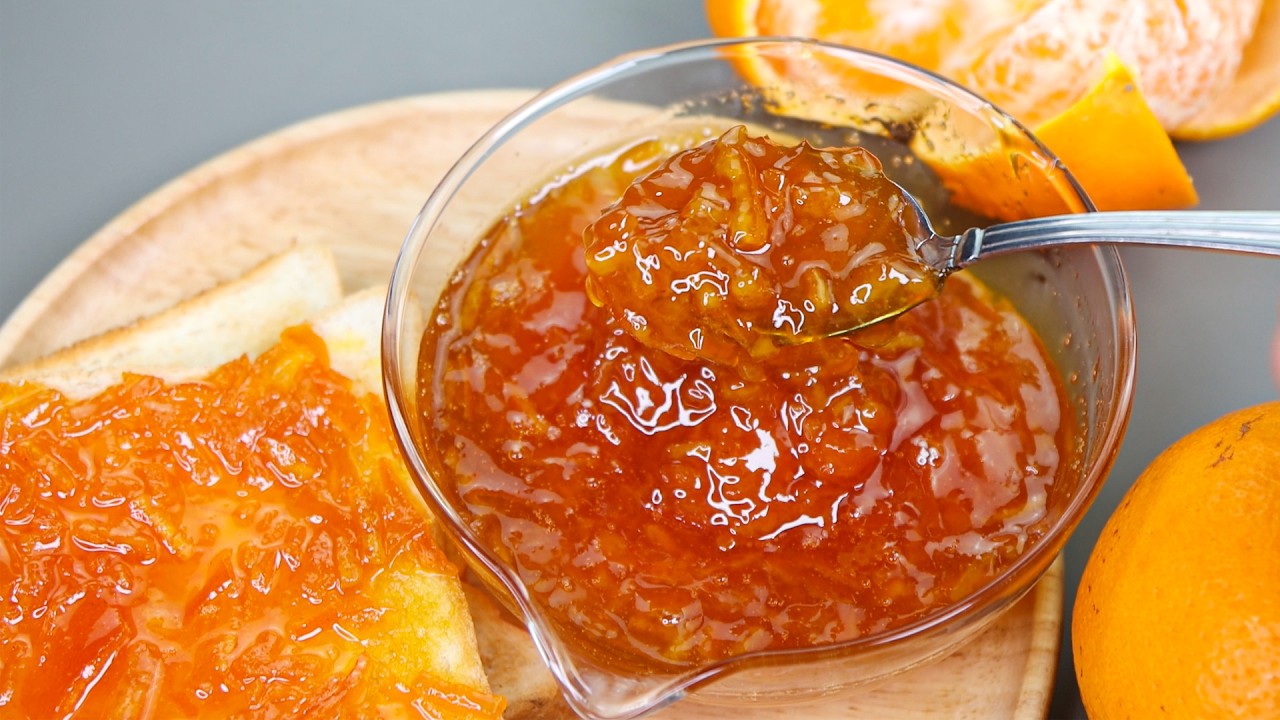
Orange Peel Marmalade Recipe: There’s something magical about spreading a thick layer of orange peel marmalade on warm toast. It’s sweet, a little tangy, slightly bitter, and full of flavor. Making marmalade at home not only ensures the best ingredients but also reduces waste by using the peels you’d otherwise toss.
So let’s dive into a tried-and-true method to make your very own orange peel marmalade, right in your kitchen!
What is Orange Peel Marmalade?
Orange peel marmalade is a type of preserve made primarily from the outer rind (peel) and sometimes the flesh of oranges. Unlike traditional fruit jams that are often purely sweet, marmalade brings a delightful balance of sweet, sour, and slightly bitter notes, thanks to the essential oils and pectin naturally present in citrus peels. The word “marmalade” actually originates from the Portuguese word marmelada, referring to a quince jam, but the version we know today—especially the British-style—is dominated by citrus fruits, especially oranges.
The main character of this preserve is the orange peel itself. When properly prepared, the peel offers a slightly chewy texture with a strong burst of orange flavor that’s intensified by the slow cooking and sugar infusion process. The sugar not only adds sweetness but acts as a preservative, allowing your marmalade to last for months when stored correctly.
Why Make Marmalade from Orange Peels?
Let’s face it—how many times have we peeled an orange and tossed the skins in the trash or compost? But those peels are loaded with flavor, natural oils, and pectin that can transform a basic breakfast into something truly gourmet.
Here’s why using the peels makes so much sense:
- Less Waste: Reduce your kitchen waste by using what you’d normally discard.
- Natural Pectin: Orange peels contain natural pectin, which helps the marmalade thicken without any need for added gelling agents.
- Intense Citrus Flavor: The zest and peel carry the most aromatic oils of the fruit, giving your marmalade that bright, bold citrus punch.
- Cost-Effective: Using the peel makes use of the entire fruit, giving you more bang for your buck.
Whether you’re a sustainability enthusiast or simply love a great toast spread, making marmalade from orange peels is a win-win.
Benefits of Homemade Orange Peel Marmalade
Store-bought marmalade might be convenient, but nothing beats the flavor and freshness of homemade. Here’s what you gain by making it yourself:
- No Preservatives or Additives: You’re in full control of what goes into your jar.
- Customizable Sweetness and Texture: Like it chunkier? Sweeter? More bitter? You’re the boss.
- Aromatic and Flavorful: Home cooking preserves more of the natural oils and zestiness of orange peel.
- Impressive Homemade Gift: Packed in a mason jar with a cute ribbon? Homemade marmalade makes a fantastic gift.
- Budget-Friendly: Especially if you’re already buying oranges for juice or snacking.
There’s also the simple joy of transforming something ordinary into something truly special with your own two hands.
Choosing the Right Oranges
Not all oranges are created equal when it comes to marmalade. Here’s what you need to know.
Navel vs. Seville Oranges
- Navel Oranges: Sweet, juicy, and readily available. However, they contain less pectin and might need added lemon juice to help with setting.
- Seville Oranges: Traditional choice for marmalade. Bitter and high in pectin, making them perfect for that classic tangy flavor and thick consistency.
Organic vs. Non-Organic
Since you’re using the peels, organic oranges are strongly recommended. Non-organic peels may carry pesticide residues that you don’t want in your marmalade.
List of Ingredients You’ll Need
Here’s everything you need for a basic batch of orange peel marmalade:
- 4 to 5 medium-sized organic oranges
- 4 cups granulated sugar
- 1 cup fresh lemon juice
- 8 cups water
- Optional: 1 cinnamon stick or a pinch of clove for warmth
Feel free to scale up depending on how much you want to make. Just keep the ratios balanced: equal parts peel and water, with sugar and acid to set and preserve.
Tools and Equipment Required
Before you start, gather these tools:
- A sharp knife or vegetable peeler
- Cutting board
- Large heavy-bottomed saucepan
- Wooden spoon
- Cheesecloth or strainer (for optional pulp removal)
- Canning jars with lids
- Funnel and ladle
- Candy thermometer (optional but useful)
- Clean towel or rack for jar cooling
Having the right tools makes the whole process smoother and safer, especially when dealing with hot mixtures and glass jars.
Preparation Before You Begin
Getting ready is half the work, and it pays off with better flavor and easier cooking.
Cleaning the Oranges
Rinse the oranges thoroughly under warm water and scrub them with a brush to remove any wax or surface dirt. Pat dry with a clean towel.
Peeling and Slicing
- Use a sharp knife or peeler to remove the peel in long, thin strips.
- Try to avoid too much of the white pith—it can make your marmalade overly bitter.
- Slice the peels into thin slivers or small dice, depending on your preferred texture.
Some recipes also include the pulp or juice, but in our recipe, we’ll focus mainly on the peel to keep the flavor concentrated and reduce prep time.
Step-by-Step Guide to Making Orange Peel Marmalade
Step 1: Blanching the Peels
Wash oranges thoroughly, then peel and slice the peels into thin strips. Place the peels in a pot of cold water, bring to a boil, and simmer for 10 minutes. Drain and repeat once or twice to reduce bitterness.
Step 2: Boiling and Simmering
Return the blanched peels to the pot and add fresh water to cover. Simmer gently for 30–40 minutes, or until the peels are tender and translucent.
Step 3: Adding Sugar and Lemon Juice
Add sugar to the pot, using roughly equal weight of sugar to cooked peels. Stir until dissolved. Add fresh lemon juice, which helps balance sweetness and supports proper setting.
Step 4: Cooking to the Perfect Consistency
Increase heat slightly and cook the mixture, stirring often, until it thickens and becomes glossy. This usually takes 20–30 minutes. Be careful not to scorch the bottom.
Step 5: Testing the Set
Place a small spoonful of marmalade on a chilled plate. Let it cool briefly, then push it with your finger. If it wrinkles slightly, it’s ready. If not, cook a few minutes longer and retest.
Step 6: Sterilizing and Filling the Jars
Sterilize jars in boiling water or a hot oven. Carefully ladle hot marmalade into the jars, leaving a little headspace. Seal tightly and allow to cool before storing.
Tips to Get the Best Flavor and Texture
- Use fresh, in-season oranges for the brightest flavor.
- Don’t skip the blanching step—it’s essential to remove excess bitterness.
- Balance the sweetness with lemon juice or even a touch of zest for added depth.
- If your marmalade is too thick, stir in a little hot water before storing.
- For a more gourmet version, infuse with spices like cardamom, cinnamon, or a splash of bourbon.
Common Mistakes to Avoid
- Skipping sterilization: This can ruin your hard work by causing spoilage.
- Overcooking: Leads to overly thick or burnt marmalade.
- Using too much pith: Makes the marmalade bitter.
- Not stirring enough: The sugar can settle and scorch the bottom.
- Filling jars while marmalade is too hot or too cool: Can affect sealing and shelf life.
Storing and Preserving Orange Peel Marmalade
For long-term storage:
- Keep jars in a pantry or cupboard, away from light and heat.
- Always use clean utensils when scooping to avoid contamination.
If you’ve made a large batch, consider freezing portions in freezer-safe containers. Marmalade can also be gifted in decorative jars—just add a label and ribbon.
Creative Ways to Use Orange Peel Marmalade
This marmalade isn’t just for toast! Try these fun ways to enjoy it:
- Glaze for chicken or duck
- Swirl into plain yogurt or oatmeal
- Filling for thumbprint cookies
- Serve with cheese and crackers
- Spread over warm scones or pancakes
The balance of sweet, sour, and bitter makes it an amazing condiment that pairs well with both sweet and savory dishes.
Nutritional Information (Per Tablespoon)
| Nutrient | Approximate Value |
|---|---|
| Calories | 50–60 kcal |
| Sugar | 12–14g |
| Carbs | 14g |
| Fat | 0g |
| Fiber | 0.5–1g |
| Vitamin C | 10–15% DV |
Note: Values can vary based on the specific recipe and ingredients used.
FAQs about Orange Peel Marmalade Recipe
Q1: Can I use other citrus peels like lemon or grapefruit?
Yes! Lemon and grapefruit peels work beautifully, though grapefruit tends to be more bitter. You can even mix peels for a citrus blend.
Q2: How do I reduce the bitterness of the marmalade?
Blanch the peels 2–3 times before cooking to mellow out the bitterness. Removing as much of the white pith as possible also helps.
Q3: Can I use brown sugar instead of white?
Yes, but it will change the flavor and color. Brown sugar adds a caramel-like richness that some people love.
Q4: Is it okay to skip lemon juice?
Not recommended. Lemon juice provides acidity for flavor and helps the marmalade set by activating natural pectin.
Q5: How do I know if the marmalade has spoiled?
If you see mold, smell anything off, or notice bubbling/fizzing when you open it, discard immediately.
Conclusion
Orange peel marmalade is a sweet, tangy, and slightly bitter preserve that brings brightness to any meal. With just a few ingredients and some patience, you can turn something as humble as orange peels into jars of liquid gold. From breakfast spreads to marinades, this homemade marmalade adds flavor and charm to your kitchen in the most delightful way.
So the next time life gives you oranges—don’t just make juice. Make marmalade.