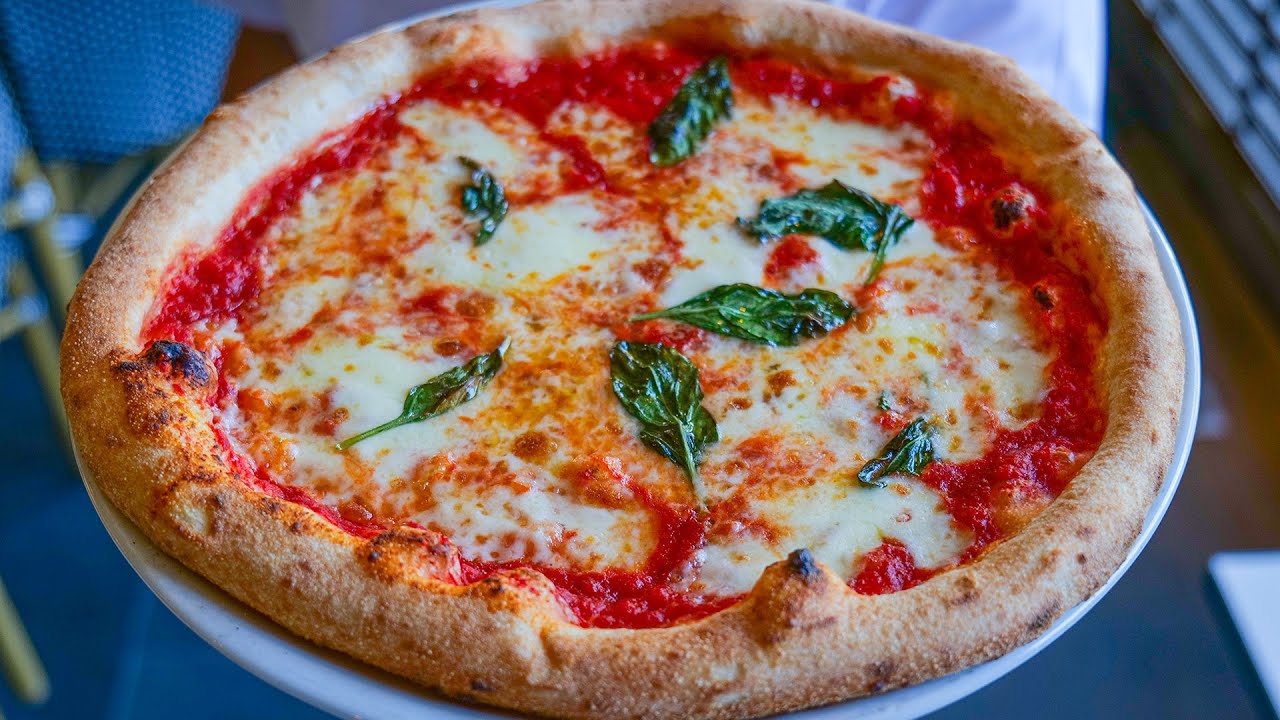
Neapolitan Pizza Recipe: You haven’t really lived until you’ve tasted a real Neapolitan pizza. This isn’t your average slice of delivery pizza. We’re talking about a handcrafted pie with a soft, pillowy crust, slightly charred edges, a light tomato sauce bursting with flavor, fresh mozzarella that melts just right, and that one single basil leaf—simple, but perfect.
So what makes Neapolitan pizza stand out from the crowd? It’s all about tradition. Originating in Naples, Italy, this style of pizza is protected by law in the EU—it’s that serious. Authentic Neapolitan pizza is made using specific ingredients, methods, and a very hot oven. But don’t worry—you can recreate this magic right in your kitchen, even without a wood-fired oven.
In this step-by-step guide, you’ll get everything you need: ingredients, tools, techniques, and tips from the pros. You’re not just making pizza. You’re creating a masterpiece.
Ingredients You’ll Need
Making Neapolitan pizza is all about quality over quantity. You don’t need a long list—just the best of each. Here’s what you’ll need to get started:
Dough Ingredients:
- 500g (about 3 ⅓ cups) of 00 flour – This finely milled Italian flour creates that light and chewy crust.
- 325ml (1 ⅓ cups) of cold water
- 2 tsp of salt
- ¼ tsp of active dry yeast (or a pinch if using fresh yeast)
Sauce Ingredients:
- 1 can (400g) of San Marzano tomatoes – These are sweet and low in acidity.
- Salt to taste
- 1 tbsp extra virgin olive oil
- 1 garlic clove (optional, for added flavor)
Toppings:
- 200g (7 oz) of fresh mozzarella (preferably mozzarella di bufala)
- Fresh basil leaves
- Extra virgin olive oil (for drizzling)
That’s it—no complicated lists or fancy ingredients. This simplicity is what makes Neapolitan pizza so authentic and delightful. Quality matters here more than quantity.
Essential Tools for Making Neapolitan Pizza
Before diving in, let’s talk gear. While a traditional wood-fired oven would be amazing, it’s not necessary. You just need a few key tools to mimic that environment.
Must-Have Equipment:
- Pizza stone or pizza steel – These help replicate the high heat of a pizza oven.
- Pizza peel – To transfer your pizza in and out of the oven easily.
- Mixing bowls – For preparing and fermenting your dough.
- Digital scale – Accuracy is everything when it comes to dough.
- Infrared thermometer – Optional, but helpful to measure your stone’s temperature.
Pizza Stone vs. Pizza Steel:
- Stone: More affordable, but takes longer to heat and is fragile.
- Steel: Heats faster, more durable, and gives better bottom crust results in a home oven.
With these tools ready, you’re all set to start your Neapolitan pizza journey like a pro.
Understanding the Dough
Let’s get something straight—dough is everything in Neapolitan pizza. It’s the foundation, the soul, the reason people swoon over that soft, leopard-spotted crust.
What makes Neapolitan dough different from your average pizza base? A few things:
- No sugar or oil in the dough.
- Slow fermentation for better flavor.
- High hydration (about 65% water) for a light and airy texture.
- 00 flour which creates a soft yet elastic dough that’s easy to shape.
This kind of dough takes patience, but the reward is massive. Think of it like letting good wine age—it only gets better with time.
Making the Perfect Dough
Here’s the magic formula, broken down so you can follow it easily:
Step-by-Step Dough Preparation:
- Dissolve the yeast in cold water.
- Add half the flour, mix to form a batter.
- Add salt, then slowly mix in the remaining flour.
- Knead the dough for 10-15 minutes until smooth and elastic.
- Let it rest at room temperature for 2 hours, covered.
Fermentation:
- After the initial rest, divide into 2-3 dough balls.
- Place them in an oiled container or covered tray.
- Let them ferment in the fridge for 18–24 hours.
- Remove and let sit at room temperature for 2 hours before baking.
This slow fermentation is what gives the dough that signature flavor and perfect structure. Don’t rush it.
Crafting the Classic Neapolitan Sauce
Now let’s move on to the heart of the pizza—the sauce. Neapolitan pizza sauce is raw, fresh, and unpretentious. No simmering, no sugar, no onions—just pure, clean tomato flavor. It complements the dough and mozzarella without overpowering them.
Choosing the Right Tomatoes
For true Neapolitan flavor, San Marzano tomatoes are your go-to. They grow in volcanic soil near Naples, which gives them a sweeter and less acidic profile. If you can’t find San Marzano, opt for any high-quality whole peeled plum tomatoes.
Step-by-Step Sauce Preparation:
- Drain excess liquid from the canned tomatoes (you don’t want a soggy pizza).
- Pour tomatoes into a bowl and crush by hand or pulse lightly in a blender. You want it chunky, not smooth.
- Add a pinch of salt—just enough to enhance the natural flavor.
- (Optional) Add a smashed garlic clove or a drizzle of extra virgin olive oil for depth.
- Let the sauce sit for 10-15 minutes so the flavors meld.
That’s it. No cooking required. This raw sauce will cook directly on the pizza in the oven, locking in its fresh, vibrant taste.
Preparing the Toppings
Neapolitan pizza is all about balance. It’s not a “load-it-up” kind of pizza. Each topping plays a role, and too much of anything throws the whole pie off. Simplicity here equals elegance.
Traditional Toppings:
- Fresh mozzarella: Tear it by hand into small chunks. Don’t slice—this helps with even melting.
- Fresh basil leaves: One or two per pizza is enough.
- Extra virgin olive oil: A light drizzle just before baking.
Optional Add-Ons (Use Sparingly):
- Parmesan or Pecorino Romano: Light shaving after baking adds a salty punch.
- Chili flakes: For those who like a kick.
- Anchovies: Traditional but divisive—adds umami.
Resist the urge to pile it on. Remember, Neapolitan pizza is a minimalistic art form.
Shaping the Pizza Base
Shaping the dough properly is a crucial step—this is where the magic starts to come alive. No rolling pins here, folks! Only your hands.
Hand-Stretching Techniques:
- Lightly flour your work surface.
- Place a dough ball and gently flatten the center with your fingertips.
- Push the air outward to create a puffy crust.
- Pick up the dough and stretch it over your knuckles, rotating slowly.
- The ideal size is about 10-12 inches in diameter with a thin center and thick outer edge.
Common Mistakes to Avoid:
- Using a rolling pin: It pushes out all the air pockets you worked so hard to create.
- Overworking the dough: This makes it tough and chewy.
- Tearing: If it tears, patch it gently or start again. Don’t force it.
Take your time here—this is where your pizza begins to look like the real deal.
Assembling Your Neapolitan Pizza
Now we build. This part is quick, so have everything prepped and ready. The dough waits for no one.
Order of Assembly:
- Place the stretched dough on a floured pizza peel.
- Spoon on a small amount of sauce (about 2-3 tbsp). Spread evenly with the back of the spoon.
- Add mozzarella chunks, spaced evenly.
- Tear fresh basil and place on top.
- Drizzle olive oil in a thin stream over the surface.
Less Is More:
Keep toppings minimal. Overloading the pizza makes the center soggy and the crust limp. You want each element to shine without competing.
Mastering the Bake
Here’s where things get hot—literally. Neapolitan pizza needs intense heat to rise fast and cook in 60-90 seconds. That’s not a typo.
Ideal Oven Conditions:
- Temperature: 800°F (430°C) is ideal. At home, 500°F (260°C) is the best most ovens can do.
- Preheat your pizza stone/steel for at least 45–60 minutes before baking.
- Slide your pizza onto the stone and bake for 6–8 minutes, or until:
- The crust is puffed and blistered.
- The cheese is melted and bubbly.
- The base is firm but foldable.
Watch it closely—at these temperatures, it can go from perfect to burnt fast.
How to Use a Home Oven for Authentic Results
No wood-fired oven? No problem. You can still achieve an excellent result with a few tricks.
Home Oven Hacks:
- Use the top rack, close to the broiler.
- After 6 minutes of baking, turn on the broiler for the final 1–2 minutes.
- If your oven has convection mode, use it for more even heat.
Bonus Tips:
- Use a pizza steel if you can. It holds and transfers heat better than stone.
- Open your oven door as little as possible to keep the heat in.
- Consider using a cast iron skillet for a faux wood-fired finish if needed.
These tips bridge the gap between your home oven and a Neapolitan pizzeria.
Finishing Touches
Your pizza’s out of the oven, the crust is blistered, and the cheese is bubbling—now it’s time for those final little tweaks that make all the difference. Don’t skip this part. It’s the finishing touches that transform a good pizza into a great one.
Drizzling Olive Oil
Grab your best extra virgin olive oil—not the everyday cooking one. Drizzle it lightly across the hot pizza right after it comes out of the oven. This adds aroma, richness, and that classic glossy finish. A little goes a long way, so don’t overdo it.
Garnishing with Basil and Parmesan
While some folks add fresh basil before baking, many purists prefer adding it right after the pizza comes out, so it doesn’t burn. The residual heat will wilt the basil just enough to release its oils without turning it crispy. If you’re feeling fancy, you can also:
- Grate a little Parmesan or Pecorino Romano on top for extra umami.
- Add crushed red pepper flakes if you like heat.
- Sprinkle a pinch of sea salt flakes for crunch and flavor pop.
These final touches add layers of flavor and texture, elevating your pizza from homemade to gourmet.
Serving and Enjoying Your Pizza
Now comes the best part—eating it! But don’t just dive in like it’s any old slice. Neapolitan pizza is meant to be appreciated.
How to Slice and Serve
- Use a sharp pizza cutter or a long knife.
- Slice into four or six even wedges (not the usual eight).
- Serve on a wooden board or large plate.
Traditional Eating Method
In Naples, locals often fold each slice in half—known as a libretto—and eat it by hand. This keeps the soft center from flopping and makes it super satisfying to bite into.
Pairing with Drinks
Pair your Neapolitan pizza with:
- A glass of Chianti or light Italian red wine
- A cold Peroni or Moretti beer
- Sparkling water with lemon for a non-alcoholic option
Keep it simple, fresh, and authentic—the same vibe as the pizza itself.
Common Mistakes to Avoid
Even with the best ingredients and tools, mistakes happen. Don’t worry—you’ll get better with every pie. Here are some common pitfalls to watch out for:
1. Overproofing the Dough
If your dough sits too long, it becomes overly gassy and hard to shape. Stick to the 18–24 hour cold ferment window and bake within 2–3 hours of bringing it to room temperature.
2. Using Too Much Sauce or Cheese
Resist the urge! Too much moisture leads to a soggy center. Use just enough to cover the base without pooling.
3. Not Heating the Stone/Steel Long Enough
This is a big one. If your pizza stone isn’t blazing hot, you’ll end up with a pale crust and undercooked bottom. Preheat for at least 45 minutes, no shortcuts.
4. Overloading with Toppings
Neapolitan pizza isn’t a buffet. Stick to 3-4 toppings max. Let each ingredient shine.
5. Opening the Oven Door Too Often
Every time you open the door, the temperature drops. Get in, launch the pizza, and close it fast.
Avoiding these mistakes is the difference between “pretty good” and “holy wow.”
Tips from Professional Pizza Makers
Want to cook like a pizzaiolo? Here are some real pro insights that will give you the edge:
Use Ice-Cold Water for Dough
Pros often use cold water to slow fermentation and prevent the dough from overheating during mixing. This leads to better flavor development.
Autolyse Your Dough
Let your flour and water sit for 20–30 minutes before adding yeast and salt. This gives the gluten a head start and makes the dough easier to handle.
Store Dough in Round Containers
Use airtight round containers to store dough balls—this helps them keep their shape and makes them easier to work with later.
Don’t Rush the Fermentation
Great pizza dough takes time. If you’re in a hurry, you’re doing it wrong. 24-hour cold ferment is the sweet spot for flavor and structure.
Practice Launching the Pizza
Get comfortable sliding your pizza from the peel to the stone. Use semolina flour or cornmeal on the peel to prevent sticking. Practice with a cold, untopped dough until you get it right.
These pro tips will make you feel like you’ve got an Italian nonna coaching you in the kitchen.
FAQs about Neapolitan Pizza Recipe
1. How long should I ferment the dough?
For best results, ferment the dough in the fridge for 18 to 24 hours, then let it come to room temperature for 2 hours before shaping.
2. Can I use regular flour instead of 00 flour?
Technically yes, but 00 flour gives that light, chewy texture that’s hard to replicate. All-purpose flour will work in a pinch, but the result won’t be quite the same.
3. What’s the best cheese for Neapolitan pizza?
Authentic recipes use fresh mozzarella—preferably mozzarella di bufala or fior di latte. Avoid low-moisture shredded cheese as it doesn’t melt the same way.
4. Can I freeze the dough?
Yes! After portioning, lightly oil the dough balls and freeze in airtight bags. Let them thaw overnight in the fridge and rest at room temp before baking.
5. Why is my pizza soggy in the middle?
Too much sauce, wet cheese, or an underheated pizza stone can cause sogginess. Stick to small amounts of toppings and preheat your stone thoroughly.
Conclusion
And there you have it—your ultimate step-by-step guide to crafting authentic Neapolitan pizza at home. From flour to fermentation, sauce to toppings, every step plays a crucial role in creating that perfect pie. It’s not just about making food—it’s about respecting tradition, slowing down, and putting love into every bite.
Making Neapolitan pizza is more than a recipe—it’s a ritual. One that connects you to centuries of Italian culinary heritage. Sure, it takes a little more time and care, but the reward? A blistered, bubbly, heavenly pie that transports you straight to the streets of Naples with every bite.
So what are you waiting for? Grab that flour, crank up your oven, and start your Neapolitan pizza journey today.