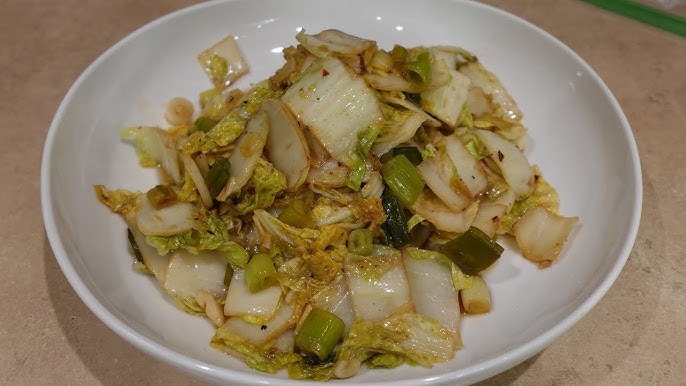
Sautéed Napa Cabbage Recipe: Napa cabbage is often overshadowed by its crunchy cousin, green cabbage, but when it comes to flavor and texture, Napa brings a tender sweetness that’s hard to beat. Whether you’re craving a quick side dish, a light lunch, or a healthy addition to your dinner plate, sautéed Napa cabbage checks every box. It’s quick, healthy, and absolutely delicious.
Let’s dive into this complete step-by-step guide and discover how to turn this humble leafy vegetable into something truly special.
What is Napa Cabbage?
Napa cabbage, also known as Chinese cabbage, is a pale green, oblong-shaped vegetable with ruffled leaves and a mild, slightly sweet taste. It hails from East Asia and is a staple ingredient in many Asian dishes like kimchi, stir-fries, and soups. What makes Napa cabbage unique is its delicate, almost buttery texture that cooks down beautifully without turning mushy.
Unlike traditional cabbage, which can be dense and a bit bitter, Napa cabbage has a softer crunch and a more nuanced flavor. It’s incredibly versatile, soaking up sauces and seasonings like a sponge while retaining just the right amount of bite.
Why You’ll Love This Recipe
Here’s why this sautéed Napa cabbage recipe deserves a permanent spot in your rotation:
- Quick & Easy: Ready in under 15 minutes from start to finish.
- Healthy: Low in calories, high in fiber, and rich in vitamins A and C.
- Customizable: Add garlic, sesame oil, or protein like tofu or shrimp to make it a full meal.
- Budget-Friendly: A whole head of Napa cabbage is affordable and goes a long way.
- Perfect Side Dish: Pairs beautifully with rice, noodles, grilled meats, or tofu.
Still not convinced? Once you try it, you’ll wonder how you ever lived without this gem of a dish.
Health Benefits of Napa Cabbage
Not only is Napa cabbage a delight for your taste buds, but it also packs a powerful nutritional punch:
- Rich in Antioxidants: Helps fight inflammation and oxidative stress.
- High in Fiber: Supports healthy digestion and gut health.
- Low in Calories: A great option for weight management without sacrificing flavor.
- Good Source of Vitamin C and K: Supports immune health and proper blood clotting.
- Hydrating: Thanks to its high water content, it keeps you feeling fresh and full.
Eating Napa cabbage regularly can help you stay energized, support heart health, and even promote healthy skin.
Culinary Uses of Napa Cabbage
Don’t box Napa cabbage into just salads or soups—this leafy green is far more versatile. It shines in:
- Stir-fries with garlic and soy sauce
- Soups like hot pot or miso
- Kimchi, the famous fermented Korean dish
- Noodle bowls, adding both texture and nutrition
- Lettuce wraps, used in place of tortillas or rice paper
But today, we’re going to focus on one of the simplest and most delicious ways to enjoy it—sautéed in a hot pan with a few flavorful seasonings.
List of Ingredients You’ll Need
Let’s start with the core of any great recipe—the ingredients. Here’s what you’ll need for a basic sautéed Napa cabbage:
Fresh Produce
- 1 head of Napa cabbage, washed and chopped
- 2–3 cloves of garlic, minced
- 1 small onion, thinly sliced (optional)
- 1–2 green onions or scallions for garnish
Oils and Fats
- 2 tablespoons of vegetable oil, olive oil, or sesame oil (for extra flavor)
Seasonings and Sauces
- 1 tablespoon soy sauce
- 1 teaspoon rice vinegar or white vinegar (optional, for a tangy kick)
- Salt and pepper to taste
- Optional: a dash of red pepper flakes or a teaspoon of chili oil for heat
You can easily customize this list based on what you have at home, which is one of the reasons this recipe is so convenient.
Choosing the Right Napa Cabbage
Not all Napa cabbages are created equal. When shopping, look for:
- Firm and tight leaves: Avoid wilted or bruised ones.
- Bright green outer leaves: They should look fresh, not yellow or dried out.
- Heavy for its size: A good head of Napa cabbage will feel dense when you pick it up.
- No funky smell: It should smell clean and earthy, not sour or funky.
The fresher your cabbage, the better your dish will taste—simple as that.
Prepping the Ingredients
Before you hit the stove, you’ll want to get your mise en place ready. That’s just a fancy way of saying “prep everything ahead of time.”
- Rinse the cabbage thoroughly, especially between the leaves where dirt can hide.
- Chop the cabbage into bite-sized pieces, separating the crunchy white stems from the leafy green tops.
- Mince the garlic finely, and slice any optional ingredients like onions or scallions.
- Measure out your seasonings and sauces so they’re ready to go once you start cooking.
Prepping in advance makes the cooking process smoother and ensures nothing burns while you’re scrambling to find the soy sauce.
Essential Tools for Cooking
Here’s what you’ll need in your kitchen:
- Large skillet or wok: The bigger, the better. You want enough room to toss the cabbage without crowding the pan.
- Cutting board and sharp knife
- Wooden spoon or spatula
- Small bowls for holding prepped ingredients
- Measuring spoons
Having the right tools will make your cooking experience faster and more enjoyable. Trust me, a good wok changes the game.
Step-by-Step Guide to Sautéed Napa Cabbage
Let’s walk through the full cooking process in clear, manageable steps.
Step 1: Wash and Chop the Napa Cabbage
Rinse the napa cabbage thoroughly under running water to remove any dirt. Shake off excess water and pat dry. Cut the cabbage in half lengthwise, remove the core, then slice into bite-sized pieces, keeping the thicker stems separate from the softer leaves if possible.
Step 2: Heat the Pan
Place a large skillet or wok over medium-high heat. Add oil and let it heat until shimmering but not smoking. A hot pan helps prevent sogginess.
Step 3: Add Aromatics
Add minced garlic, sliced onion, or ginger to the hot oil. Sauté for 30–60 seconds until fragrant, stirring constantly to avoid burning.
Step 4: Toss in the Cabbage
Add the thicker cabbage stems first and stir-fry for 1–2 minutes. Then add the leafy parts. Toss quickly to coat everything in the aromatic oil.
Step 5: Season and Sauté
Season with salt and black pepper, or add soy sauce for a savory touch. Stir-fry continuously so the cabbage cooks evenly without steaming.
Step 6: Cook to Desired Texture
Continue cooking for 3–5 minutes until the cabbage is tender but still slightly crisp. Avoid overcooking to maintain texture and flavor.
Step 7: Garnish and Serve
Remove from heat and garnish with sesame oil, chopped green onions, or sesame seeds. Serve immediately as a side dish or over rice.
Tips to Elevate the Flavor
Want to take this dish to the next level? Try these simple tweaks:
- Use sesame oil for a nutty depth—add it at the end to preserve its aroma.
- Add protein like tofu cubes, shredded chicken, or shrimp to make it a full meal.
- Include mushrooms such as shiitake or cremini for extra umami.
- Throw in ginger along with garlic for a bold, zesty punch.
- Add a splash of broth (chicken or veggie) for a slightly saucier version.
Sautéed Napa cabbage is like a blank canvas—it’s simple enough to stand alone but versatile enough to play well with almost any flavor profile.
Variations and Add-ons
This recipe is extremely adaptable. Depending on your mood or pantry, try these delicious add-ons:
- Asian-Inspired: Add hoisin sauce, oyster sauce, or a dash of fish sauce.
- Korean Flair: Toss in gochujang or kimchi for a spicy twist.
- Garlic Lovers’ Dream: Double or triple the garlic—seriously, it’s worth it.
- Crispy Crunch: Top with crushed peanuts or fried shallots before serving.
- Low-Carb Stir Fry: Combine with zucchini noodles or shirataki noodles.
You’re only limited by your imagination here. Napa cabbage doesn’t mind sharing the spotlight—it enhances everything around it.
Common Mistakes to Avoid
Even simple recipes can go wrong if you’re not careful. Avoid these common pitfalls:
- Overcrowding the pan: This leads to steaming instead of sautéing. Use a big enough skillet or cook in batches.
- Skipping the oil preheat: Cold oil = soggy cabbage. Hot oil ensures everything sizzles beautifully.
- Overcooking: Mushy cabbage is a crime. Keep an eye on texture and remove from heat promptly.
- Not seasoning enough: Cabbage is mild, so don’t be shy with your seasonings—taste and adjust.
- Adding too much liquid: You want a sauté, not a stew. A splash is fine, but don’t drown it.
Mastering these small details makes all the difference between “meh” and “mouthwatering.”
What to Serve With Sautéed Napa Cabbage
This dish pairs like a dream with so many meals. Here are a few favorites:
- Steamed jasmine or brown rice
- Grilled teriyaki chicken or miso-glazed salmon
- Fried rice or lo mein noodles
- Asian-style tofu or tempeh
- Inside wraps with grilled meat or veggies
It’s also a great addition to a meal prep routine. Cook a batch and pair it with protein and rice for healthy lunches all week.
Storing and Reheating Leftovers
If you have leftovers (though that’s rare), store them right and they’ll stay tasty:
- Fridge: Place in an airtight container and refrigerate for up to 3–4 days.
- Reheat: Warm in a skillet over medium heat with a splash of water or oil, or microwave in 30-second intervals.
- Do not freeze: Napa cabbage doesn’t freeze well—it turns mushy and loses its delicate flavor.
Make sure it’s fully cooled before refrigerating to prevent condensation that can make it soggy.
FAQs about Sautéed Napa Cabbage Recipe
1. Can I use regular cabbage instead of Napa cabbage?
Yes, but keep in mind that regular cabbage has a tougher texture and stronger flavor. Cooking time may need to be adjusted.
2. Is sautéed Napa cabbage spicy?
Not by default. You can keep it mild or spice it up with chili oil or red pepper flakes.
3. Can I make this dish oil-free?
You can try sautéing with a splash of broth or water, but the flavor and texture won’t be quite the same.
4. How do I keep the cabbage from getting soggy?
Use a hot pan, don’t overcrowd it, and avoid overcooking. Cook in batches if needed.
5. What’s the best way to cut Napa cabbage for sautéing?
Chop into 1-inch strips, separating the crunchy stems from the tender leaves so you can cook them at different times.
Conclusion
Sautéed Napa cabbage is one of those rare dishes that’s fast, flavorful, and full of health benefits without requiring any fancy ingredients or cooking skills. Whether you’re whipping it up as a quick side or building a full meal around it, this versatile vegetable won’t disappoint. You’ve got the step-by-step guide, pro tips, and even variations to suit your style—so what are you waiting for?
Grab a head of Napa cabbage and make this recipe your own. Your taste buds will thank you.