Mustard Vinaigrette Recipe: There’s something magical about homemade vinaigrette—it’s simple, flavorful, and totally customizable. And mustard vinaigrette? Oh, it’s next-level stuff.
Whether you’re tossing it into a crisp salad or drizzling it over roasted veggies, it brings a tangy punch that elevates every bite.
In this complete step-by-step guide, you’ll learn how to whip up a delicious mustard vinaigrette right in your kitchen, using fresh ingredients and just a few minutes of your time.
What is Mustard Vinaigrette?
Mustard vinaigrette is a type of salad dressing made from a blend of mustard, vinegar, oil, and seasonings. It’s known for its creamy texture, sharp bite, and perfectly balanced acidity. The mustard not only brings flavor but also acts as an emulsifier—meaning it helps oil and vinegar stay blended. That’s the secret to that thick, silky consistency we all crave in a dressing. Unlike creamy ranch or calorie-heavy Caesar, mustard vinaigrette is lighter and often healthier.
Think of it like a flavor amplifier. You get tartness from vinegar, richness from oil, and that bold, peppery pop from the mustard. Depending on how you tweak it—adding garlic, honey, or herbs—you can take it in dozens of delicious directions.
Why Make Your Own Mustard Vinaigrette?
Freshness and Flavor
Store-bought dressings are convenient, sure—but they’re often packed with preservatives, sugar, and unpronounceable ingredients. Homemade vinaigrette is fresher, cleaner, and more flavorful. You taste the real mustard, the quality oil, the sharpness of vinegar—not additives.
Control Over Ingredients
You decide what goes in and what stays out. Want less salt? Prefer honey to sugar? Gluten-free? Vegan? It’s all in your hands. Making your own dressing puts you in the driver’s seat. And yes, it’s easier than you think.
Cost-Effective and Quick
Buying a bottle every few weeks adds up. But making your own dressing costs cents per batch and takes literally 5 minutes. Keep your pantry stocked with the basics and you’ll never need to hit the dressing aisle again.
Types of Mustard You Can Use
The mustard you choose changes everything. Here’s how:
Dijon Mustard
Creamy, sharp, and smooth, Dijon is the go-to. It blends effortlessly and offers a mellow heat. It’s ideal for classic vinaigrettes.
Whole Grain Mustard
If you love texture, this is it. Whole grain mustard adds visual appeal and a slight crunch. It’s less refined and more rustic.
Yellow Mustard
Less fancy, but still good in a pinch. It’s milder and more vinegary. Use it for a tangy, kid-friendly twist.
List of Ingredients You’ll Need
Here’s your ultimate mustard vinaigrette shopping list. Keep these on hand and you’re set for success.
Must-Have Ingredients:
- Mustard (Dijon, whole grain, or yellow)
- Vinegar (red wine, white wine, apple cider, or balsamic)
- Oil (extra virgin olive oil, avocado oil, grapeseed)
- Salt & Pepper
Optional Add-ins:
- Garlic (minced or grated)
- Shallots
- Honey or maple syrup
- Lemon juice
- Fresh herbs (parsley, thyme, chives)
Basic Ratio:
- 1 tablespoon mustard
- 3 tablespoons vinegar
- ½ teaspoon salt
- ¼ teaspoon pepper
- ½ to ⅔ cup oil
- 1 teaspoon sweetener (optional)
Tools You’ll Need
This isn’t a fancy-chef situation. You need minimal equipment.
- Whisk – To mix everything until smooth.
- Mason Jar – Shake it up—no whisk needed!
- Bowl – A medium mixing bowl will do the trick.
- Measuring Spoons & Cups – Precision matters.
- Microplane – For grating garlic or shallots finely.
Step-by-Step Guide to Making Mustard Vinaigrette
Here’s where the magic happens—step by step, no stress.
Step 1: Add the Mustard
Start with 1 tablespoon of mustard in your bowl or jar. This is your emulsifier and flavor base. Dijon is perfect, but feel free to experiment.
Step 2: Add Vinegar
Pour in 2–3 tablespoons of your chosen vinegar. Red wine vinegar is a classic choice. Add lemon juice if you want extra brightness.
Step 3: Add Seasonings
Toss in ½ teaspoon salt and ¼ teaspoon black pepper. Add minced garlic, shallots, or herbs here too if you’re going gourmet.
Step 4: Slowly Whisk in the Oil
Now, slowly drizzle in ½ to ⅔ cup oil while whisking steadily. This slow pour is key. It lets the mustard and vinegar emulsify with the oil, giving you that creamy, unified dressing.
Step 5: Taste and Adjust
Taste it! Need more zing? Add vinegar. Too sharp? Whisk in a bit more oil or a teaspoon of honey. Want it spicier? Try a dash of chili flakes.
Tips to Perfect Your Vinaigrette
Let’s be honest: vinaigrette is easy to make—but mastering it? That’s an art. These pro tips can help you get restaurant-quality flavor every single time.
- Use fresh ingredients. The fresher your oil, mustard, and vinegar, the better your vinaigrette will taste. Old oil can go rancid, and stale mustard loses its kick.
- Room temperature is key. Cold ingredients can cause separation and clumping. Bring everything to room temp for better emulsification.
- Balance is everything. A good rule of thumb is 3 parts oil to 1 part vinegar, but this can vary. Adjust based on your taste buds.
- Shake it like you mean it. If using a jar, seal it tight and shake vigorously for 30–60 seconds. This helps emulsify and blend flavors.
- Let it sit for 10 minutes. Giving your vinaigrette time to rest allows flavors to mingle and mellow out, especially with garlic or shallots.
Making vinaigrette is more intuition than science. Trust your palate, taste as you go, and tweak based on the meal you’re pairing it with.
Best Oils for Mustard Vinaigrette
Not all oils are created equal. Some are rich and fruity; others are neutral and light. Here’s how to choose the best oil for your flavor goals.
Olive Oil
Extra virgin olive oil is a top pick. It adds richness and depth, but can sometimes overpower if used too much. Ideal for Mediterranean-style vinaigrettes.
Avocado Oil
Mild, buttery, and loaded with healthy fats, avocado oil is a great neutral choice. It won’t interfere with mustard’s sharpness or the tang of vinegar.
Grapeseed Oil
Light and clean-tasting, grapeseed oil is another solid option. It lets your mustard and vinegar flavors shine without adding any bitterness.
Pro Tip:
Avoid strongly flavored oils like sesame or toasted walnut unless you’re going for a very specific twist.
Best Vinegars to Use
The vinegar you pick shapes the personality of your vinaigrette. Here are the best contenders:
Red Wine Vinegar
The classic. Bold, acidic, and versatile. It pairs well with all types of mustard and greens.
Apple Cider Vinegar
A bit fruity, slightly sweet, and less sharp than red wine vinegar. Great for fall salads or pairings with apples, nuts, or roasted root veggies.
Balsamic Vinegar
Adds a rich, slightly sweet undertone. Best with Dijon mustard and a touch of honey. Ideal for drizzling over tomatoes, mozzarella, or grilled veggies.
Flavor Variations to Try
Mustard vinaigrette doesn’t have to be a one-flavor show. Check out these simple but amazing variations to keep things interesting:
Honey Mustard Vinaigrette
Add 1–2 teaspoons of honey to your base vinaigrette. It softens the acidity and adds a lovely sweetness. Perfect for spinach salads or grilled chicken.
Garlic Herb Mustard Vinaigrette
Add 1 grated garlic clove and a mix of chopped fresh herbs (like parsley, chives, and thyme). This earthy blend is excellent on roasted vegetables or grain bowls.
Spicy Mustard Vinaigrette
Toss in a dash of hot sauce, red chili flakes, or even a bit of wasabi. It brings heat that works beautifully with bitter greens like arugula.
The possibilities are endless. Once you master the base, you’re free to explore bold new combos.
How to Store Mustard Vinaigrette
Once made, your vinaigrette can hang out in the fridge and be ready anytime you need a flavor boost.
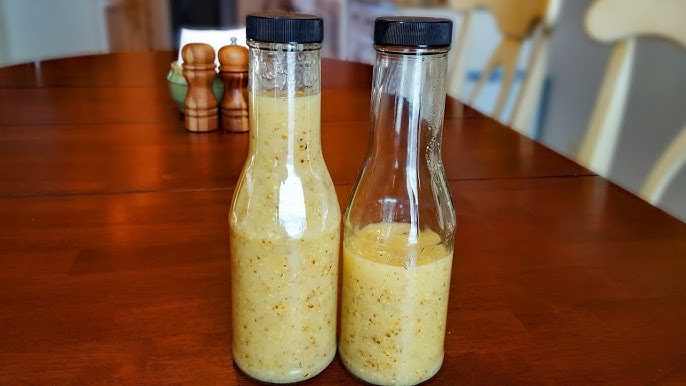
- Use an airtight container. Mason jars or glass bottles with tight lids are perfect.
- Refrigerate immediately. It stays fresh for up to 1–2 weeks.
- Shake before each use. Natural separation will happen, especially if no additives are used. A quick shake brings it right back together.
- Don’t double-dip. Use clean spoons to avoid contaminating the dressing and extending its shelf life.
If your vinaigrette thickens too much in the fridge, let it warm up at room temp for 10 minutes and give it another shake.
Serving Ideas and Pairings
This vinaigrette isn’t just for salads—it’s a kitchen MVP. Check out these serving ideas:
- Classic green salads – romaine, spinach, arugula, mixed spring greens.
- Roasted vegetables – drizzle over roasted carrots, Brussels sprouts, or potatoes.
- Grain bowls – quinoa, farro, or brown rice get a serious upgrade.
- Marinade for chicken or tofu – mustard tenderizes meat and adds depth.
- Sandwich drizzle – elevate wraps or baguettes with a zingy splash.
Vinaigrette works well in unexpected places. Once you try it as a marinade or finishing sauce, you’ll wonder why you didn’t sooner.
Common Mistakes to Avoid
Using too much mustard
Yes, mustard is the star—but too much can overpower everything. Stick to 1 tablespoon per batch and taste before adding more.
Skipping the emulsification step
Just dumping oil and vinegar together won’t work. You’ll get separation, not a smooth dressing. Whisk slowly or shake vigorously to blend.
Wrong oil-to-vinegar ratio
Too much vinegar makes it sour and sharp. Too much oil and it’s greasy. Start with a 3:1 ratio and adjust to taste.
Storing too long
Even though vinaigrette keeps for a while, the flavor can dull over time. Make small batches more often for maximum freshness.
Nutrition Facts of Mustard Vinaigrette
Here’s an approximate breakdown for a 2-tablespoon serving:
| Nutrient | Amount |
|---|---|
| Calories | 120–140 kcal |
| Total Fat | 13g |
| Saturated Fat | 1.5g |
| Sodium | 150mg (varies) |
| Sugar | 1–2g (if added) |
| Carbohydrates | 2g |
| Protein | 0g |
Keep in mind, homemade vinaigrette has no preservatives or artificial ingredients, making it a healthier choice when used in moderation.
FAQs about Mustard Vinaigrette Recipe
1. Can I use honey instead of sugar in my vinaigrette?
Absolutely! Honey adds natural sweetness and also helps with emulsification. It’s a great way to soften the sharpness of vinegar.
2. What’s the ideal oil-to-vinegar ratio?
A standard rule is 3 parts oil to 1 part vinegar, but feel free to adjust based on your taste preferences.
3. How long can homemade vinaigrette last?
Stored in the fridge in an airtight container, it lasts about 1–2 weeks. Always use clean utensils to keep it fresh.
4. Can I freeze mustard vinaigrette?
It’s not recommended. Freezing can break the emulsion and alter the texture. It’s best made fresh or stored in the fridge.
5. Is this vinaigrette keto or paleo-friendly?
Yes! If you skip added sugars and use healthy oils, mustard vinaigrette can fit both keto and paleo diets easily.
Conclusion
There you have it—your complete, step-by-step guide to mastering mustard vinaigrette. Whether you’re aiming for bold and tangy, sweet and mellow, or spicy and bold, this dressing can do it all. With just a few pantry staples and five minutes, you’ve got a fresh, flavorful addition to almost any dish. Once you make it yourself, you’ll never go back to store-bought. So grab your whisk, get mixing, and let your salads (and more!) shine.