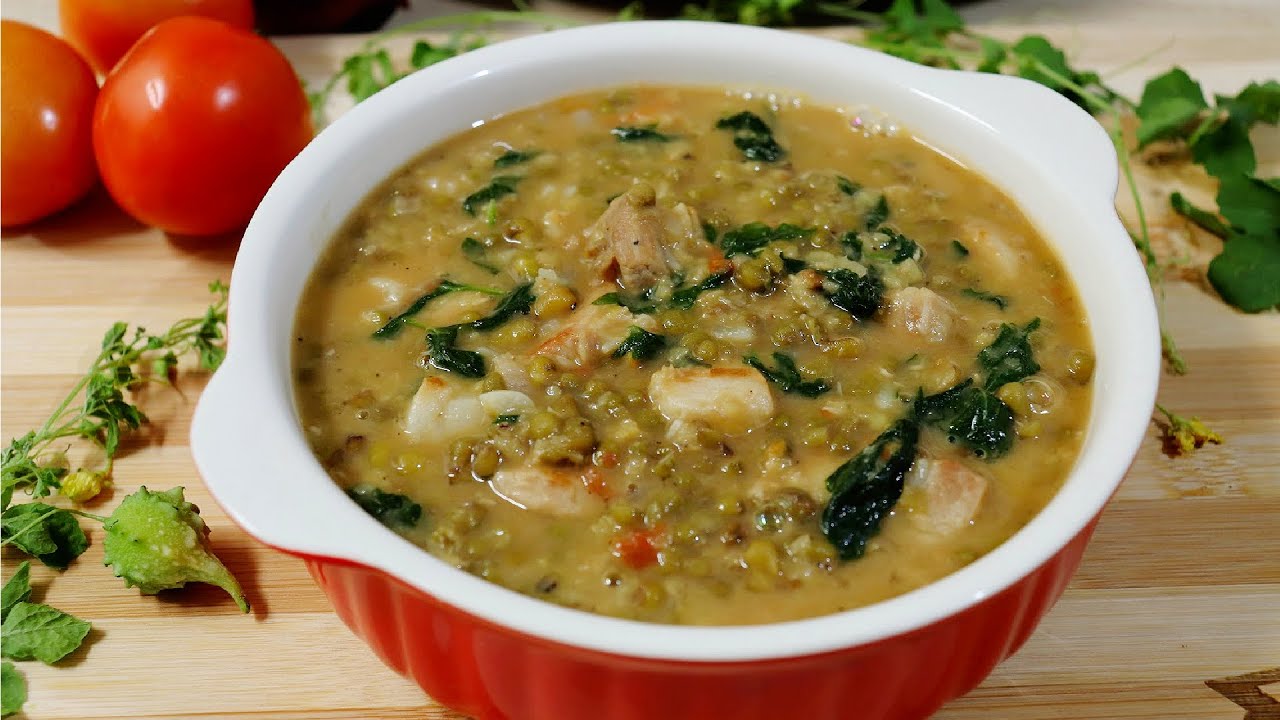
Monggo Recipe: Monggo, also known as “Ginisang Monggo” in the Philippines, is a classic Filipino mung bean stew. It’s humble, hearty, and packed with flavor — the kind of dish that brings back memories of childhood, rainy afternoons, and comforting home-cooked meals. Made primarily with mung beans (monggo), garlic, onions, tomatoes, and occasionally enriched with meat like pork or shrimp, it’s one of those dishes that effortlessly blend simplicity and satisfaction.
What makes monggo so unique? It’s a flexible base dish. Some love it soupy; others make it thick. Some cook it vegetarian, while others add crispy fried pork or shrimp for a meatier punch. You can even make it creamy by adding coconut milk (gata). It’s a weekday staple and, in some Filipino homes, a traditional Friday meal.
Monggo is often enjoyed with steamed rice and maybe a side of fried fish or lumpia. If you’re craving comfort food that’s both nourishing and delicious, this is your go-to. Now let’s dive into why this dish is loved by so many!
Why Filipinos Love Monggo
Filipinos are big fans of food that brings both comfort and practicality—and Monggo ticks all the boxes. For one, it’s affordable. Mung beans are inexpensive, widely available, and store well, making them a pantry staple across the country. But it’s not just about cost; it’s about culture.
Many households grew up with monggo as a go-to dish, especially on Fridays when traditional practices discouraged eating meat. It’s nourishing, easy to make, and adaptable to whatever ingredients you have in your fridge. Some love it with pork belly, others with shrimp or smoked fish, and still others with malunggay (moringa leaves) or spinach for a healthy twist.
Also, monggo represents more than just a meal—it’s family, heritage, and a reminder of simpler times. Every region—and even every household—has its own take. From the Ilocanos up north to the Visayans in the south, everyone adds their own flair. That’s what makes monggo so beautiful: it’s never just one thing.
Health Benefits of Monggo
Rich in Nutrients
Mung beans are a powerhouse of nutrition. They’re packed with protein, fiber, iron, potassium, magnesium, and vitamins like B6 and folate. That makes monggo not just filling but incredibly nourishing. It’s especially good for people on a plant-based diet or those looking to reduce their meat intake.
Great for Digestion
Thanks to its fiber content, monggo supports healthy digestion. It can help regulate bowel movements, reduce bloating, and even lower cholesterol levels. Adding leafy greens like malunggay or spinach makes it even better for gut health.
Perfect for Plant-Based Diets
Trying to cut down on meat? Monggo is a fantastic alternative. You can skip the pork and use tofu, mushrooms, or just keep it all-veggie with tomatoes, garlic, onions, and greens. You won’t lose flavor—mung beans absorb all the spices and aromatics beautifully.
Ingredients You’ll Need
Here’s what you’ll typically need for a classic monggo dish:
Fresh and Essential Ingredients:
- 1 cup mung beans (monggo)
- 5 cups water (for boiling)
- 4 cloves garlic, minced
- 1 medium onion, chopped
- 2 medium tomatoes, chopped
- 2 tbsp cooking oil
- Salt and pepper to taste
- Fish sauce (optional)
Optional Add-Ins:
- ½ lb pork belly or shrimp
- 1 cup coconut milk (for Monggo sa Gata)
- 1 cup malunggay or spinach
- 1 small ampalaya (bitter melon), sliced
- Crushed chicharrón (pork cracklings) for garnish
Feel free to swap out or adjust ingredients depending on what you have. Monggo is forgiving — it’s meant to adapt.
Tools & Equipment You’ll Need
- Medium-sized pot
- Skillet or sauté pan
- Knife and chopping board
- Wooden spoon or ladle
- Measuring cups/spoons
- Strainer (if you want to rinse or soak beans)
You don’t need any fancy kitchen tools here—just the basics will do. What matters most is the time and love you put into it.
Tips Before You Start Cooking
Before we hit the stove, here are a few quick pointers:
- Soak your mung beans: This cuts cooking time and helps with digestion.
- Use ripe tomatoes: They bring natural sweetness and depth to your stew.
- Go slow on the heat: Let flavors develop; don’t rush the sautéing process.
- Customize: Monggo is flexible. Don’t worry if you’re missing an ingredient—use what you have.
- Don’t overcook: You want the beans soft, not mushy.
Ready? Let’s get into the step-by-step cooking guide.
Step-by-Step Guide to Cooking Monggo
Step 1: Soaking the Monggo Beans
Rinse the monggo (mung beans) thoroughly under running water. Soak them in clean water for 2–4 hours, or overnight if possible. Soaking shortens cooking time and helps the beans soften evenly.
Step 2: Boiling the Beans Until Soft
Drain the soaked beans and place them in a pot with fresh water. Bring to a boil, then lower the heat and simmer for 30–40 minutes, or until the beans are tender and starting to break down. Skim off any foam that rises to the surface.
Step 3: Preparing the Aromatics
While the beans cook, chop onions, mince garlic, and slice tomatoes. These aromatics form the flavor base of the dish.
Step 4: Sautéing for Flavor
In a separate pan, heat oil over medium heat. Sauté onions until soft and translucent. Add garlic and cook until fragrant, then stir in tomatoes and cook until they soften and release their juices.
Step 5: Combining Everything Together
Transfer the sautéed aromatics into the pot of cooked monggo beans. Stir gently to combine, allowing the flavors to blend.
Step 6: Simmer and Season
Let the mixture simmer for another 10–15 minutes. Season with salt, pepper, and fish sauce to taste. Adjust consistency by adding water or broth if needed.
Step 7: Optional Additions – Meat, Vegetables & More
Add cooked pork, shrimp, or fish for protein. You can also stir in leafy greens like spinach or malunggay leaves during the last few minutes of cooking. Simmer briefly until everything is heated through.
Serve hot with rice for a comforting, hearty meal.
How to Make Monggo with Pork
Want a heartier version of monggo? Pork is a classic protein to pair with this dish. Here’s how to do it:
- Use pork belly or shoulder for tender, flavorful results.
- Sauté the pork until browned before adding the aromatics. This step brings out its richness.
- Let the pork simmer with the mung beans for at least 20–30 minutes to soften and absorb the flavors.
You’ll end up with a satisfying, meaty stew that’s perfect for big appetites or chilly days.
How to Make Vegan Monggo
Going meatless? No problem—monggo is incredibly vegan-friendly. Here’s how to make a plant-based version:
- Skip the pork and fish sauce. Use soy sauce or mushroom seasoning instead.
- Add vegetables like eggplant, okra, spinach, and tomatoes.
- You can also add tofu cubes for a protein boost.
The result? A hearty, wholesome, and guilt-free version that’s every bit as satisfying as the traditional.
How to Make Monggo with Coconut Milk (Gata)
Monggo sa Gata is a popular variation in the Bicol region. Coconut milk adds creaminess and a subtle sweetness that balances the earthy flavor of mung beans.
How to do it:
- Add 1 cup of coconut milk after the mung beans have softened and the sautéed ingredients are added.
- Simmer for 10–15 minutes, stirring occasionally to avoid curdling.
- Finish with greens like malunggay or kangkong for the full experience.
It’s a great twist on the classic and an absolute crowd-pleaser.
Common Mistakes When Cooking Monggo
Even with a simple recipe, a few missteps can make your monggo less than perfect. Here’s what to avoid:
- Not soaking the beans: This leads to longer cooking times and harder beans.
- Using too much water: Monggo can go from stew to soup fast. Control the liquid.
- Skipping the sauté: Sautéing aromatics is essential for deep flavor.
- Adding greens too early: They’ll get soggy and lose color.
- Overcooking: This makes the beans mushy and unappetizing.
Keep these tips in mind for that perfect, cozy bowl every time.
Pro Tips for Perfect Monggo
Want to take your monggo to the next level? Try these:
- Use broth instead of water for deeper flavor.
- Add a pinch of sugar to balance acidity from tomatoes.
- Use ripe, fresh tomatoes instead of canned for a more vibrant taste.
- Add chicharrón or tinapa flakes on top just before serving for crunch and umami.
- Let it sit for an hour before serving—it tastes even better as the flavors develop.
Small tweaks like these turn your average monggo into something truly memorable.
Serving Suggestions
Monggo is typically served hot, with steamed white rice. But there are lots of ways to enjoy it:
- With fried fish (like galunggong or tilapia) on the side
- Topped with crushed chicharrón for added crunch
- Paired with a simple tomato salad
- With a slice of calamansi or lemon for brightness
Don’t forget that this dish is great for meal prep. The flavors improve overnight, making it even tastier the next day.
Storage and Reheating Tips
Made a big batch? Perfect. Monggo stores beautifully.
- Refrigerate: Store in an airtight container for up to 4 days.
- Freeze: Keeps well for up to 2 months. Just skip adding leafy greens before freezing.
- Reheat: Add a splash of water and stir well. Use low heat to avoid burning the bottom.
Always check for signs of spoilage—mung beans can sour if left out too long, especially in warm climates.
FAQs about Monggo Recipe
1. Do I need to soak mung beans before cooking?
It’s recommended but not required. Soaking shortens the cooking time and improves digestion.
2. Can I use canned coconut milk for Monggo sa Gata?
Yes! Just make sure to stir well and avoid boiling too hard to prevent curdling.
3. What can I substitute for fish sauce in vegan monggo?
Soy sauce, mushroom sauce, or salt with a bit of lemon juice works well.
4. Can I make monggo spicy?
Absolutely. Add sliced chili peppers while sautéing or top with chili oil.
5. How long does it take to cook mung beans?
Without soaking, it takes around 35–45 minutes. With soaking, 20–30 minutes is enough.
Conclusion
Monggo isn’t just another Filipino dish—it’s a cultural staple, a comfort food, and a flexible recipe that fits almost any budget, diet, or craving. Whether you like it meaty, vegan, spicy, creamy, or plain and simple, there’s a monggo variation that fits your style. It’s nutritious, affordable, and—let’s be real—absolutely delicious.
Now that you know how to make it from scratch, with all the flavor and none of the stress, go grab those mung beans and get cooking. Whether it’s a weekday dinner or a cozy weekend meal, monggo is sure to hit the spot.