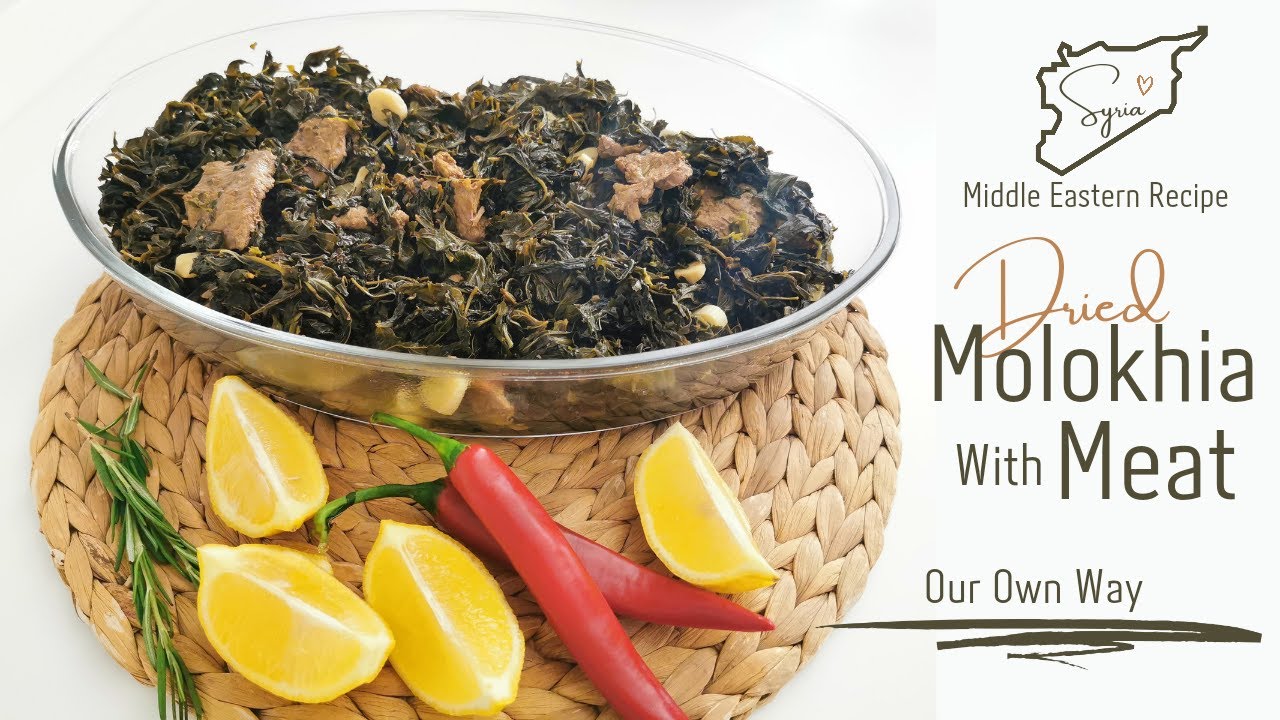
Molokhia Recipe: Molokhia (also spelled Mulukhiyah, Molokheya, or Jew’s mallow) is a deeply loved dish across the Middle East and North Africa. With its silky, rich, and garlicky broth, this green soup-style meal is like a warm hug in a bowl. Traditionally made with chopped molokhia leaves, garlic, and coriander, it’s paired with chicken, rabbit, or beef and poured over rice or served with bread. Think of it as a green version of a comfort stew—but packed with nutrients, flavor, and history.
This dish has Egyptian roots but is beloved in countries like Lebanon, Syria, Palestine, and Tunisia, each with their own twist. What makes Molokhia special is how the slimy texture turns into a silky broth once cooked properly, making it a favorite for generations.
So, if you’ve never had it, you’re in for something different—but delicious. If you’ve grown up with it, get ready to relive those tasty memories.
Ingredients You’ll Need
To make the perfect Molokhia, you need a balance of greens, aromatics, protein, and spices. Here’s a breakdown of what you’ll need:
Main Ingredients:
- Molokhia leaves (400g fresh or 1 pack of frozen chopped molokhia)
- Chicken or rabbit (Whole or pieces, about 1kg)
- Garlic cloves (8-10, minced or crushed)
- Ground coriander (1 tablespoon)
- Chicken broth (4-5 cups, preferably homemade)
- Butter and oil (2 tablespoons each)
- Salt and black pepper (to taste)
- Bay leaf and onion (for broth flavoring)
- Lemon juice (Freshly squeezed, for serving)
Optional Add-ins:
- Cinnamon stick (for added depth in the broth)
- Cardamom pods
- Green chili pepper (for heat, especially in Levantine versions)
Using fresh molokhia gives a vibrant color and aroma, but frozen molokhia is more convenient and often used outside the Middle East. Always look for chopped frozen molokhia in international or Middle Eastern grocery stores if fresh isn’t available.
Tip: Prepare your ingredients in advance and measure everything to make the cooking process smooth and easy.
Types of Molokhia
Molokhia isn’t one-size-fits-all—its style varies across regions. Here are the most popular versions:
Egyptian Molokhia:
This is the most well-known version, made with finely minced molokhia leaves simmered in garlic-coriander butter and rich chicken broth. The broth is green and pourable, almost soup-like.
Levantine (Palestinian/Lebanese/Syrian):
The leaves are kept whole, and the dish is more stew-like. Often served with chunks of chicken and served over rice, with lemon juice and sometimes onions or tomatoes added for depth.
Tunisian & North African Variants:
Here, dried molokhia powder is used. The cooking takes hours and results in a thick, dark stew more like a sauce than soup. It’s intensely flavored and served with lamb or beef.
Each variation brings something unique to the table. Choose one based on your preference for texture and flavor intensity.
How to Prepare Molokhia Leaves
Fresh molokhia leaves require a bit of prep, but it’s worth it.
Using Fresh Leaves:
- Pluck the leaves from the stem and discard the stalks.
- Wash thoroughly 3-4 times until the water runs clear.
- Dry the leaves completely (a salad spinner helps).
- Finely chop the leaves using a mezzaluna, sharp knife, or food processor.
Using Frozen Leaves:
Frozen chopped molokhia is a time-saver.
- Thaw in the fridge overnight or in a bowl of cold water.
- Do not microwave or heat directly.
- Let it come to room temperature before cooking to maintain texture.
Fresh molokhia will always smell more earthy and fragrant, but frozen is a great second option that retains much of the flavor when cooked properly.
Step-by-Step Cooking Instructions for Molokhia
This is where the magic happens! Follow these steps for a perfect, flavorful molokhia.
Step 1: Preparing the Broth
In a pot, bring chicken or beef broth to a gentle simmer. Season lightly with salt and black pepper. A clear, well-seasoned broth is the foundation of a good molokhia.
Step 2: Cooking the Protein
Add cooked chicken pieces or beef to the simmering broth. Let it cook gently for a few minutes so the protein absorbs the flavor. Keep the heat low to avoid boiling.
Step 3: Preparing the Ta’leya (Garlic–Coriander Mixture)
In a small pan, heat butter or oil over medium heat. Add minced garlic and ground coriander. Stir constantly until fragrant and lightly golden. Be careful not to burn it—this step gives molokhia its signature aroma.
Step 4: Adding Molokhia to the Broth
Lower the heat and slowly add finely chopped or frozen molokhia leaves to the broth. Stir gently until fully incorporated. Do not let the soup boil after adding the molokhia, as boiling can affect texture and flavor.
Step 5: Final Simmer and Seasoning
Pour the hot ta’leya directly into the pot—you should hear a sizzle. Stir gently, then simmer on very low heat for 3–5 minutes. Adjust seasoning with salt and pepper as needed.
Step 6: Serving Tips and Tricks
Serve molokhia hot with rice or flatbread. It pairs perfectly with lemon wedges and pickled vegetables. For best results, enjoy immediately while the flavor and texture are at their peak.
Tips for the Best Molokhia
Making molokhia might seem simple, but a few small tweaks can take your dish from good to unforgettable. Here are some essential tips every home cook should know:
1. Don’t Overcook the Leaves
Molokhia should be gently simmered—not boiled—to preserve its bright green color and nutritional value. Overcooking leads to a darker, slimier consistency that can turn people off.
2. Use Fresh Garlic for Maximum Flavor
Fresh garlic cloves give a richer, deeper aroma than pre-minced garlic or garlic powder. The ta’leya (garlic-coriander mix) is the soul of the dish, so don’t skip or rush it.
3. Butter + Oil = Best Flavor
Using a combination of butter and oil gives the ta’leya a balanced richness. Ghee works beautifully too and adds an extra layer of nuttiness.
4. Season in Layers
Season your broth, your meat, and your molokhia separately. This builds depth and ensures every bite is flavorful.
5. Lemon Juice is Your Secret Weapon
A splash of lemon juice at the end brightens up the dish and balances the slightly earthy flavor of the molokhia leaves.
Serving Suggestions
Wondering how to serve molokhia? The great thing is—there are no strict rules. But here’s how it’s traditionally enjoyed:
1. With Egyptian Rice
The most popular side is short-grain white rice cooked with ghee and broken vermicelli noodles. It soaks up the molokhia broth perfectly.
2. With Baladi Bread or Pita
Dip soft, warm flatbread into the stew for a more rustic, hands-on experience. This is common in Upper Egypt and rural areas.
3. With Roasted Chicken or Rabbit
Serve your protein on the side or shredded right into the bowl of molokhia. Some even deep-fry the meat before serving for a crispy contrast.
4. Add Pickled Vegetables or Onions
Sharp, sour pickles cut through the richness of the stew and add a satisfying crunch.
5. A Squeeze of Lemon
Offer lemon wedges on the side. It’s a game-changer—just like squeezing lemon on soup or stew, it adds brightness and balance.
Storing and Reheating Molokhia
Molokhia stores surprisingly well. In fact, some say it tastes even better the next day.
Storing:
- Fridge: Let molokhia cool completely. Transfer to airtight containers and refrigerate for up to 4 days.
- Freezer: Freeze in small batches in freezer-safe containers or bags. It keeps well for 2-3 months.
Reheating:
- Stovetop: Gently warm on low heat. Add a splash of water or broth if it thickens too much.
- Microwave: Reheat in short bursts, stirring often to prevent uneven heating.
Do not boil while reheating—you want to preserve the texture and flavor.
Vegetarian/Vegan Molokhia Option
You don’t have to include meat to enjoy a bowl of hearty molokhia.
How to Do It:
- Use vegetable broth made from onions, carrots, celery, and garlic.
- Add chickpeas, lentils, or sautéed mushrooms for protein.
- Skip the butter and use olive oil or plant-based butter for the ta’leya.
The result is just as rich and comforting—with a plant-based twist.
Molokhia Nutritional Value
This humble stew is not only delicious but also packed with nutrients.
Health Benefits:
- High in fiber: Great for digestion and gut health.
- Rich in iron and calcium: Supports blood and bone health.
- Vitamin A & C: Boosts immunity and skin health.
- Low in calories: Ideal for weight management.
- Antioxidants: Molokhia is considered a superfood in many cultures.
And because it’s paired with garlic and coriander, it also has anti-inflammatory and immune-supporting properties.
Common Mistakes to Avoid
To get that perfect bowl of molokhia, watch out for these pitfalls:
1. Overcooking the Molokhia
It’s tempting to let it simmer for longer, but this can destroy its texture and color.
2. Skipping the Garlic-Coriander Step
That golden garlic is essential. Without it, the dish lacks its signature aroma and flavor punch.
3. Adding Molokhia to Boiling Broth
Always lower the heat before adding the leaves. Boiling ruins the consistency and color.
4. Using Too Much or Too Little Garlic
Balance is key. Use 8–10 cloves for depth but don’t let it overpower the dish.
5. Rushing the Broth
A well-developed broth gives molokhia its rich base. Take your time, skim the foam, and season it well.
FAQs about Molokhia Recipe
1. Can I freeze molokhia after cooking it?
Yes! Let it cool, portion it out, and freeze in airtight containers. It lasts up to 3 months. Thaw in the fridge and reheat gently.
2. What meat goes best with molokhia?
Chicken is the most common, but rabbit (traditional in Egypt) and beef or lamb also work beautifully. For a rich taste, go for bone-in meats.
3. How do I make molokhia less slimy?
Avoid boiling it and don’t overcook. Adding a splash of lemon juice while simmering helps reduce the slimy texture.
4. Is molokhia healthy for everyday consumption?
Absolutely. It’s low in fat, high in fiber and vitamins, and pairs well with lean proteins or plant-based ingredients.
5. Can I make molokhia without broth?
Technically yes, but it won’t have the same depth of flavor. If you must, season water well and boost with sautéed onions, garlic, and spices.
Conclusion
Molokhia might be new to your kitchen, but once you master it, it becomes a go-to comfort dish. It’s rich in flavor, deeply rooted in cultural tradition, and customizable to your tastes—whether you go for the classic Egyptian version or try a vegetarian twist.
Don’t be intimidated by the texture or the garlic—it’s all part of the magic. From the ta’leya to the silky broth, every bite tells a story.
So go ahead—grab your molokhia leaves and start cooking. Your taste buds will thank you.