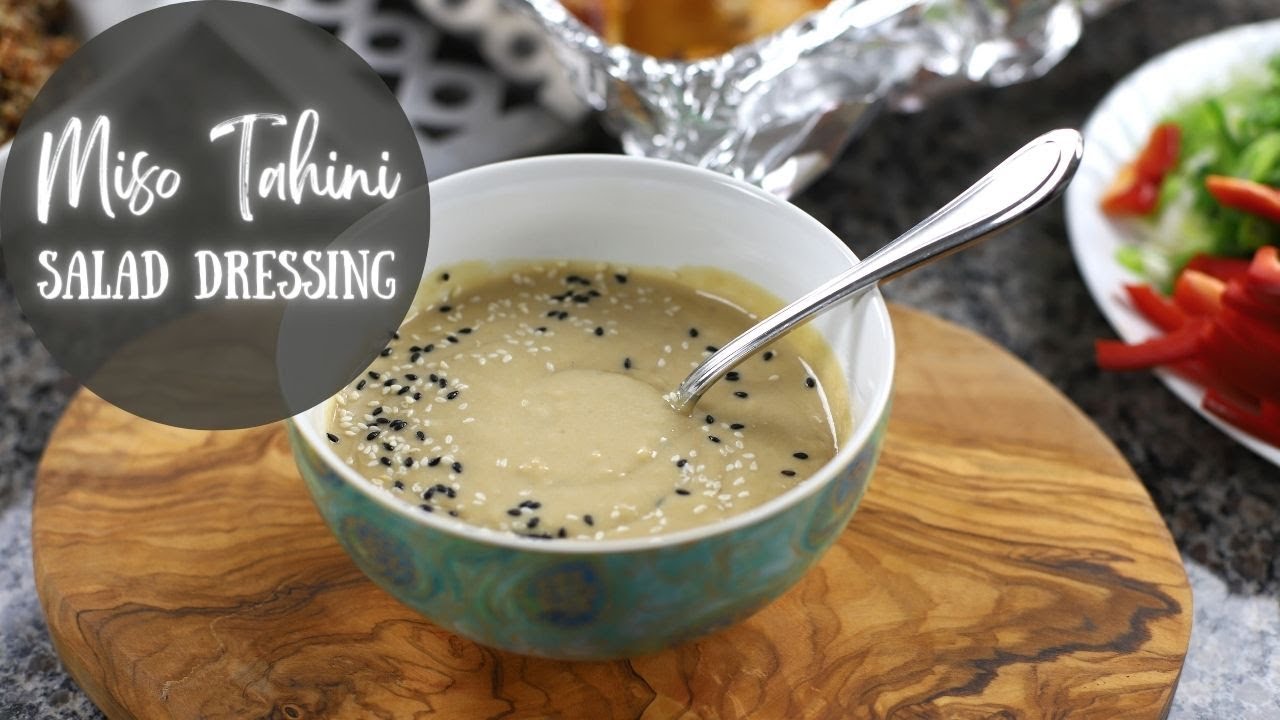
Miso Salad Dressing Recipe: If you’ve ever had a salad at a Japanese restaurant and wondered what made it taste so irresistible, the answer is likely miso dressing. This bold, savory dressing packs a punch with its umami-rich miso paste, tangy vinegar, a hint of sweetness, and a smooth texture that coats greens perfectly. But here’s the kicker—you don’t need to dine out to enjoy it. Making miso salad dressing at home is incredibly simple, and once you taste it, there’s no turning back.
Homemade miso dressing elevates any salad, but it can also double as a marinade, dip, or even a drizzle over grain bowls. What makes this dressing special is not just its flavor but also its health benefits—miso is a fermented food packed with gut-friendly probiotics, and when paired with other wholesome ingredients like rice vinegar, sesame oil, and ginger, you’ve got yourself a nutrient-packed, flavor-loaded dressing you’ll want to put on everything.
What is Miso?
Miso is a traditional Japanese ingredient made by fermenting soybeans with salt and a fungus called koji. The result? A thick paste that’s both salty and umami-rich, making it a flavor bomb in soups, sauces, and of course—salad dressings.
There are several types of miso, and each brings its own flair to the table:
- White Miso (Shiro Miso): The mildest and slightly sweet. Great for salad dressings.
- Yellow Miso (Shinshu Miso): Medium strength, with more depth but still versatile.
- Red Miso (Aka Miso): Aged longer, bolder, and saltier. Best in soups and heavier sauces.
For a salad dressing, white or yellow miso works best because they’re mellow enough to blend well with acidic ingredients like vinegar and citrus juice.
Why Make Miso Dressing at Home?
Pre-made dressings often come loaded with preservatives, added sugar, and oils that aren’t the healthiest. When you make your own miso salad dressing at home, you control every drop of what goes into the bottle. Want it tangier? Add more vinegar. Prefer it sweeter? A dash of maple syrup does the trick.
Besides, nothing beats the flavor of freshly whisked miso dressing made with ingredients you love. It’s also budget-friendly—store-bought miso paste lasts for months in your fridge, and the rest of the ingredients are probably already in your kitchen.
Plus, you get to skip the plastic bottles, which makes this a win for your taste buds and the planet.
List of Ingredients You’ll Need
Here’s everything you need to whip up a classic miso salad dressing:
Primary Ingredients:
- 2 tablespoons white miso paste
- 3 tablespoons rice vinegar (unseasoned)
- 1 tablespoon sesame oil
- 1 tablespoon olive oil
- 1 tablespoon soy sauce or tamari (for gluten-free)
- 1 tablespoon maple syrup or honey
- 1 clove garlic, minced
- 1 teaspoon fresh grated ginger
- 2 tablespoons water (to adjust consistency)
Optional Add-Ins:
- A splash of lime or lemon juice
- Crushed red pepper for heat
- Toasted sesame seeds
- A teaspoon of tahini for creaminess
These ingredients come together like a flavor orchestra—savory, tangy, slightly sweet, and just enough kick from the garlic and ginger to keep it interesting.
Equipment You’ll Need
You don’t need fancy gadgets to make this dressing. Here’s your simple gear checklist:
- A small mixing bowl or a mason jar
- A whisk or fork
- Measuring spoons
- A microplane or grater (for the ginger and garlic)
- Optional: immersion blender for extra-smooth consistency
That’s it. No food processor required unless you’re doubling or tripling the batch.
Choosing the Right Miso
Not all miso is created equal. The miso you choose will heavily influence the final taste of your dressing. If you’re aiming for a mellow, versatile flavor, stick to:
- White Miso (Shiro Miso): Slightly sweet and less salty. Best for light dressings.
- Yellow Miso (Shinshu Miso): More fermented, deeper flavor, still salad-friendly.
- Red Miso (Aka Miso): Best avoided in salad dressings unless you want a bolder, earthier punch.
Pro tip: Look for non-GMO, organic miso for a cleaner ingredient profile. It’s a little pricier but goes a long way.
Step-by-Step Guide to Make Miso Salad Dressing
Let’s break down the process into easy steps:
Step 1: Prep Your Ingredients
Start by measuring out all your ingredients. Mince the garlic, grate the ginger, and gather your miso, oils, and vinegar. Having everything ready will make mixing a breeze.
Step 2: Combine the Base
In your bowl or jar, start with the miso paste. Add the rice vinegar and soy sauce to help dissolve the miso. Whisk until smooth—this step ensures your base is lump-free.
Step 3: Blend It Right
Add the sesame oil, olive oil, maple syrup (or honey), garlic, and ginger. Whisk again until everything is well incorporated. If you’re using an immersion blender, now’s the time to blend until creamy.
Step 4: Taste and Adjust
Taste a small spoonful. Too salty? Add a bit more water or vinegar. Not tangy enough? Add lemon juice. Like it spicy? Toss in some chili flakes. You’re the boss here.
Step 5: Store Properly
Pour your finished dressing into a sealed container. A glass mason jar is perfect. Store in the fridge for up to 1 week. Shake well before each use as natural separation may occur.
Tips for Perfect Miso Salad Dressing
Even though this dressing is simple to make, a few extra tips can take it from good to absolutely unforgettable.
- Use warm water to thin the miso paste. This helps dissolve the miso smoothly, especially if it’s cold or thick from refrigeration.
- Balance the saltiness. Miso and soy sauce are both salty, so taste as you go. A touch of sweetness from honey or maple syrup keeps things balanced.
- Whisk well or use a blender. If you want that silky, restaurant-style texture, an immersion blender or small food processor makes it super creamy.
- Let it rest. After mixing, let the dressing sit for at least 10 minutes. This allows the flavors to blend and mellow.
- Adjust the consistency. If it’s too thick, add water a teaspoon at a time. If it’s too thin, a bit more miso or tahini can thicken it up.
Consistency, flavor, and balance are everything. You’ll find your own sweet spot after a few tries—and trust me, once you do, you’ll want to pour this dressing on everything.
Flavor Variations to Try
One of the best things about homemade dressings is the freedom to experiment. Here are some fun and delicious variations to try once you’ve mastered the basic miso recipe:
Spicy Miso Dressing
- Add 1–2 teaspoons of sriracha or chili garlic sauce
- Perfect for spicy tofu bowls or soba noodle salads
Citrus Miso Dressing
- Swap out some of the vinegar for fresh orange or lime juice
- Adds brightness and a refreshing twist
Creamy Sesame Miso
- Add a tablespoon of tahini or plain Greek yogurt
- Creamy, nutty, and great on roasted vegetables
Ginger-Scallion Miso
- Mix in finely chopped scallions and extra grated ginger
- Pairs well with Asian-style slaws or grilled chicken
These variations let you keep things fresh and seasonal while sticking to the base recipe. Don’t be afraid to get creative—miso is incredibly versatile.
Best Salads to Pair with Miso Dressing
So now you’ve got your jar of golden, umami-packed miso dressing—what should you pour it on? Here are some top salad ideas to match it with:
Asian-Style Slaw
- Shredded cabbage, carrots, green onions, and sesame seeds
- The miso dressing adds richness and depth
Mixed Greens with Tofu
- Baby spinach, arugula, cucumber, cherry tomatoes, and crispy tofu cubes
- A protein-packed meal with bright flavors
Seaweed Salad
- Wakame seaweed, cucumber slices, and sesame seeds
- A perfect low-calorie dish with bold umami taste
Grain Bowls
- Brown rice or quinoa, roasted veggies, avocado, and edamame
- Drizzle the dressing over the top for a delicious lunch or dinner
The key is to pair this dressing with fresh, crisp veggies or grains that complement its creamy, tangy texture and deep flavor.
Nutritional Benefits of Miso Dressing
Aside from tasting amazing, miso salad dressing brings several nutritional benefits to your plate. Here’s a breakdown of why it’s not just tasty—it’s also good for you:
- Rich in probiotics: Because miso is a fermented food, it contains beneficial bacteria that can support gut health.
- Low in sugar: Unlike many commercial dressings, homemade miso dressing lets you control (or skip) added sugars.
- Healthy fats: From olive and sesame oils, which support heart and brain health.
- Vitamin-rich: Thanks to fresh ginger, garlic, and vinegar, which all add antioxidants and anti-inflammatory properties.
And best of all? You’re getting real food—no mystery ingredients, no preservatives, and nothing you can’t pronounce.
Storage Tips and Shelf Life
Once you’ve made your miso dressing, you’ll want to store it properly to maintain its flavor and freshness. Here’s how:
- Refrigerator: Store the dressing in an airtight glass jar in the fridge. It will keep fresh for up to 7 days.
- Shake before use: Natural separation is normal—just shake or stir before each use.
- Freezing isn’t ideal: Miso dressing can separate and lose texture when frozen and thawed, so it’s best to make small batches regularly.
If you want to keep it longer, prep the base mixture without garlic and ginger, and mix in fresh aromatics right before serving.
Mistakes to Avoid
Even a simple dressing can go sideways if you’re not careful. Here are some common mistakes to steer clear of:
- Using the wrong miso: Red miso is too strong and salty for dressing. Stick with white or yellow miso for balance.
- Not blending well: Clumps of miso can ruin the texture. Always whisk thoroughly or use a blender.
- Skipping taste tests: Always taste as you go—everyone’s flavor preferences are different.
- Over-oiling: Too much oil can make the dressing greasy instead of silky.
- Using seasoned rice vinegar: It can throw off the balance with added sugar or salt. Choose unseasoned.
Avoid these slip-ups and you’ll end up with a pro-level dressing every time.
Serving Ideas Beyond Salad
You don’t have to limit this dressing to greens—miso dressing is one of those all-star condiments that makes everything better. Here’s how to stretch it:
- As a dip: Perfect for raw veggies like carrots, cucumber, and snap peas.
- Drizzled on roasted veggies: Adds a savory-sweet pop to dishes like roasted sweet potatoes or broccoli.
- Grain bowls: Use as a finishing sauce for brown rice, quinoa, or farro bowls.
- Marinade for tofu or chicken: The acids and salt tenderize proteins while infusing flavor.
- Noodle dishes: Toss with cold soba noodles and cucumbers for a quick meal.
Think of miso dressing as your secret flavor weapon in the kitchen. It’s not just a salad topping—it’s a game-changer.
FAQs about Miso Salad Dressing Recipe
1. Can I use red miso for dressing?
You can, but it’s not ideal. Red miso has a much stronger, saltier flavor that can overwhelm lighter ingredients. Stick with white or yellow miso for best results.
2. How long does miso dressing last?
When stored in the fridge in a sealed container, homemade miso dressing lasts up to 7 days. Always stir or shake before use.
3. Is miso dressing gluten-free?
If you use gluten-free miso and tamari instead of soy sauce, then yes—your dressing will be gluten-free. Always double-check labels to be sure.
4. Can I make this dressing without oil?
Yes, though the texture will be less smooth. Try replacing oil with water, tahini, or even avocado for a creamy, oil-free version.
5. What’s the best vinegar substitute?
If you don’t have rice vinegar, you can use apple cider vinegar, white wine vinegar, or even lemon juice. Just adjust to taste, as each has a slightly different acidity.
Conclusion
There you have it—a full breakdown of how to make your own miso salad dressing from scratch, along with endless ways to enjoy it. It’s easy, it’s delicious, and once you’ve made it yourself, you’ll never go back to the store-bought kind.
Whether you like it zesty, creamy, spicy, or sweet, miso dressing has a variation for every craving. Plus, with its gut-boosting probiotics and whole-food ingredients, it’s as healthy as it is tasty.
So go ahead—grab that jar of miso from the fridge and start experimenting. Your salads (and tastebuds) will thank you.