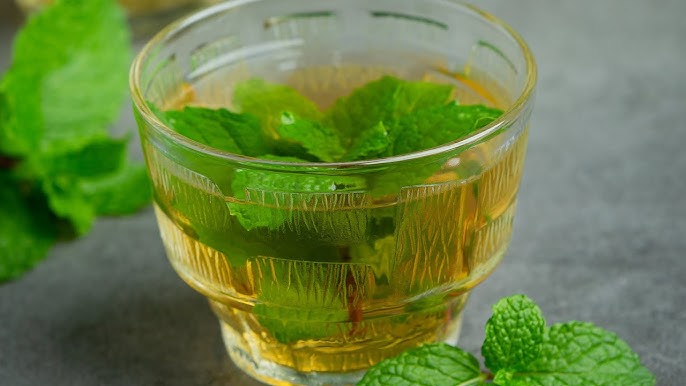
Mint Tea Recipe: There’s nothing like a cup of mint tea to refresh your senses, soothe your belly, and calm your mind. Whether you’re winding down after a long day, looking to aid digestion after a heavy meal, or simply craving something cozy and caffeine-free, mint tea is your best friend. This cooling, aromatic brew has been loved across cultures for centuries—from the teahouses of Morocco to the kitchens of grandmothers around the world.
So how do you make the perfect mint tea at home? You’re about to learn everything—from ingredients and tools to variations and expert tips. Let’s dive in and turn your kitchen into a mini tea haven.
What is Mint Tea?
Mint tea is a herbal infusion made from fresh or dried mint leaves steeped in hot water. While it’s often served plain, it can be customized with lemon, honey, ginger, or even blended with other teas like green or black. It’s naturally caffeine-free, making it ideal for any time of the day or night.
Depending on the region and cultural practices, the flavor, preparation style, and even the type of mint used can vary. In North Africa, for instance, mint tea is sweet, strong, and made with green tea. Meanwhile, in Europe and North America, people often prefer a more subtle, fresh version using only mint leaves.
Health Benefits of Mint Tea
Mint tea isn’t just tasty—it’s packed with health perks too. It’s like a natural remedy hiding in your cup.
- Soothes digestion: Mint helps relieve bloating, gas, and stomach cramps. That’s why it’s often served after meals.
- Clears the mind: The menthol in mint can help reduce headaches, clear nasal passages, and sharpen your focus.
- Boosts immunity: Mint contains antioxidants and antimicrobial properties that support your immune system.
- Reduces stress: A warm cup of mint tea can be incredibly calming, helping you unwind and lower anxiety.
It’s a gentle and effective herbal brew with zero caffeine or sugar—unless you choose to add a bit of sweetness.
When to Drink Mint Tea
There’s no wrong time to enjoy mint tea, but here are some of the best times to sip:
- After meals: Perfect for aiding digestion and freshening your breath.
- Before bed: Since it’s caffeine-free, it won’t disrupt your sleep and may help you relax.
- Midday pick-me-up: Its refreshing taste can energize you without the crash of coffee.
- During hot weather: Served cold, it becomes a hydrating and cooling drink.
Fresh Mint vs. Dried Mint: Which is Better?
Both fresh and dried mint have their place in the kitchen. But when it comes to tea, they do offer different experiences:
| Feature | Fresh Mint | Dried Mint |
|---|---|---|
| Flavor | Light, crisp, aromatic | Stronger, concentrated |
| Color | Vibrant green brew | Slightly brownish or muted green |
| Shelf Life | Short—must be used within days | Long—can last several months |
| Availability | Seasonal or garden-grown | Year-round, store-bought friendly |
If you’re aiming for the freshest taste and can get your hands on some mint leaves, fresh is best. But dried mint is a great backup, especially in colder months.
Types of Mint You Can Use
You might be surprised to learn there’s more than one kind of mint out there. Each type adds a unique twist to your tea.
- Spearmint: Sweet and mild, it’s the most common choice for mint tea.
- Peppermint: Strong and sharp, with a cooling aftertaste—ideal for clearing sinuses.
- Apple mint: Slightly fruity and mellow, perfect for blending with green tea.
- Chocolate mint: Yes, it exists! It has a faint cocoa aroma and is great for dessert-style teas.
Try mixing and matching to find your perfect blend.
Kitchen Tools You’ll Need
You don’t need fancy equipment to make mint tea, but having the right tools makes it easier:
- Teapot or saucepan: For boiling and steeping water.
- Strainer or tea infuser: To separate the leaves from the tea.
- Teacups or mugs: Choose your favorite cozy cup.
- Measuring cup: Optional, but helpful for consistency.
- Kettle (electric or stovetop): Heats water quickly and evenly.
If you’re using loose dried mint, a tea infuser or strainer is a must.
Ingredients You’ll Need
Let’s keep it simple. Here’s what you need for a basic mint tea recipe:
- 1 cup of fresh mint leaves (washed and loosely packed)
- 2–3 cups of water
- Optional:
- 1 teaspoon honey or sugar
- 1 slice of lemon
- 1-inch piece of fresh ginger
- 1 teaspoon green or black tea leaves
Make sure the mint leaves are clean and free from any bugs or dirt.
Step-by-Step Guide to Making Mint Tea
Step 1: Pick Fresh Mint
If you’re growing mint at home, cut a few fresh sprigs. Morning is the best time to harvest, as the oils are most concentrated. No garden? No problem. Store-bought mint works just fine.
Choose leaves that are vibrant green and avoid any that look wilted or yellow.
Step 2: Rinse and Prep the Leaves
Rinse the mint under cold water to remove any dirt. You can gently pat them dry or leave them damp—either way works. Strip the leaves from the stems, but don’t worry if a few stems sneak in—they add a bit of flavor too.
Crush the leaves slightly in your hands to release their essential oils. This boosts the aroma and flavor.
Step 3: Boil the Water
Bring 2–3 cups of water to a rolling boil in a teapot or saucepan. Use filtered water for the cleanest taste. Once boiling, turn off the heat and let it cool for 30 seconds—boiling water can sometimes “burn” herbs and affect the flavor.
Step 4: Steep the Mint
Place your crushed mint leaves into the pot of hot water. Cover with a lid and let it steep for 5 to 10 minutes. The longer you steep, the stronger the flavor.
Want it bold and intense? Go for the full 10. Prefer something milder? Start tasting at 5 minutes.
Step 5: Add Optional Ingredients
Now’s the time to get creative. Add a slice of lemon, a teaspoon of honey, or a sliver of fresh ginger for extra flavor. If you’re adding tea leaves, do it at the same time as the mint, but don’t steep more than 3 minutes if using green tea—it can turn bitter.
Step 6: Strain and Serve
Use a strainer to pour the tea into your cup, catching any leaves. Sip it hot, or let it cool and serve over ice for a refreshing cold brew.
Moroccan Mint Tea Variation
If you’ve ever had tea in Morocco, you know it’s not just a drink—it’s a full-on experience. Moroccan mint tea, also called “Maghrebi mint tea,” is a rich blend of green tea, fresh mint, and a whole lot of sugar. It’s traditionally poured from a height to create foam and served in ornate glasses.
Here’s what makes Moroccan mint tea special:
Ingredients:
- 1 tablespoon Chinese gunpowder green tea
- 1 large bunch fresh spearmint
- 3–4 tablespoons sugar (adjust to taste)
- 4 cups water
Preparation:
- Rinse the green tea with a small amount of boiling water and discard that first rinse. This cleans the tea and reduces bitterness.
- Add the tea to a teapot with the sugar and pour in boiling water. Let it steep for a few minutes.
- Add the fresh mint and steep again for 3–5 minutes.
- Pour the tea from a height into small glasses to aerate it and create that iconic frothy top.
The result? A bold, sweet, and super fragrant tea that’s perfect for sipping with friends or after a hearty meal.
Iced Mint Tea Recipe
Mint tea is fantastic chilled, especially during hot summer months. Iced mint tea is incredibly easy to make and keeps well in the fridge for a couple of days.
How to Make Iced Mint Tea:
- Follow the basic mint tea recipe using double the amount of mint for a more intense flavor.
- After straining, let the tea cool to room temperature.
- Transfer to a pitcher and refrigerate for at least 1–2 hours.
- Serve over ice with lemon slices, cucumber, or a sprig of fresh mint.
Optional Add-ins:
- A splash of orange juice
- A few crushed berries
- Sparkling water for a fizzy twist
This version is refreshing, hydrating, and great for gatherings, picnics, or just lounging on the porch.
Tips for Enhancing the Flavor
Want to take your mint tea to the next level? Here are some ways to get creative:
- Mix herbs: Add basil, lemongrass, or rosemary for a unique herbal blend.
- Add spices: A pinch of cinnamon or a few crushed cardamom pods can create a warming profile.
- Sweeten wisely: Use honey, agave syrup, or even stevia if you’re cutting back on sugar.
- Use citrus zest: Orange or lemon zest adds brightness and depth.
- Cold-brew it: Let the leaves steep in cold water overnight for a smoother, less bitter taste.
Experiment and find your signature style.
Common Mistakes to Avoid
Even something as simple as mint tea can go wrong if you’re not careful. Here are a few mistakes to watch out for:
- Over-steeping: Leaving the mint in too long can make the tea taste grassy or bitter. Stick to 5–10 minutes max.
- Using too little mint: If you’re going for flavor, don’t be shy—pack those leaves in.
- Adding sweeteners too early: Wait until after steeping to add honey or sugar. Heat can change their flavor.
- Boiling the leaves: Mint is delicate. Never boil it directly in water or you’ll lose those essential oils.
- Not rinsing mint: Dirt or pesticides can ruin the taste and make the tea unsafe.
Avoiding these pitfalls ensures a delicious, clean, and aromatic cup every time.
Storing Leftover Mint Tea
If you’ve made a big batch, no worries. Mint tea stores quite well when handled properly.
How to Store It:
- Refrigerator: Keep in an airtight jar or pitcher for up to 3 days.
- Freezer: Pour into ice cube trays and freeze for later use in smoothies or cold teas.
- Avoid reheating in microwave: This can alter the flavor. Instead, gently reheat on the stovetop.
Bonus Tip: Add leftover mint tea to your skincare routine—use it as a facial toner or hair rinse. It’s packed with soothing properties
FAQs about Mint Tea Recipe
1. Can I use mint extract instead of fresh mint?
Yes, but it’s not recommended for tea. Mint extract is concentrated and often contains alcohol, which can affect the flavor. Stick to fresh or dried mint leaves for the best taste and aroma.
2. Is mint tea safe for kids?
Absolutely! Since it’s caffeine-free and naturally soothing, mint tea is generally safe for children. Just skip the added sugar or sweeten lightly with honey (only for kids over 1 year old).
3. How long should I steep mint tea?
Ideally, 5 to 10 minutes. Any longer, and it may start to taste bitter or overly earthy. If you prefer a strong brew, use more mint instead of extending steeping time.
4. Can I mix mint tea with green or black tea?
Yes! Mint pairs beautifully with both. Green tea with mint is especially popular in North African traditions, while black tea with mint gives a bold, aromatic twist. Just adjust steeping time accordingly to avoid bitterness.
5. How do I grow my own mint for tea?
Mint is super easy to grow—just plant it in a pot (it spreads fast) and keep it in partial sunlight. Water regularly, and you’ll have a steady supply of fresh leaves all season long. Snip sprigs as needed and watch it flourish.
Conclusion
Mint tea isn’t just a beverage—it’s a ritual, a remedy, and a moment of peace in your day. Whether you’re savoring a quiet morning or unwinding before bed, it’s always a good time for a minty brew. With just a handful of ingredients and a few minutes, you can create a cup of comfort that’s good for the body and soul.
You can enjoy it hot or cold, alone or with friends, sweetened or strong—mint tea adapts to your vibe. So don’t overthink it. Brew a pot, sip slowly, and make it a cherished part of your daily routine.