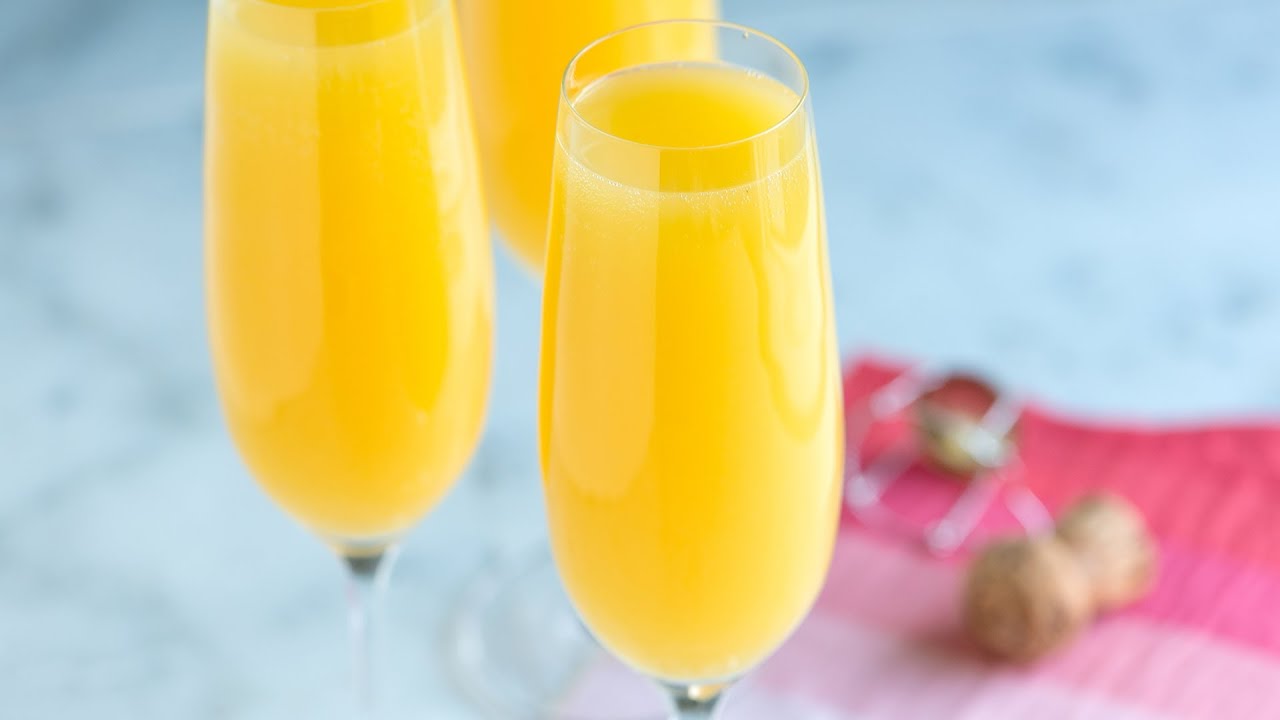
Mimosa Cocktail Recipe: There’s something about sipping a refreshing Mimosa that instantly elevates a lazy Sunday or a festive brunch gathering.
This elegant yet simple cocktail blends just two ingredients—champagne and orange juice—to create a bubbly, fruity drink that never fails to impress.
Whether you’re hosting a brunch, celebrating a milestone, or just craving a morning cocktail, the Mimosa has your back.
In this guide, you’ll learn exactly how to craft the perfect Mimosa, along with tips, variations, and serving suggestions to make it truly unforgettable.
What is a Mimosa?
A Mimosa is a classic cocktail that combines sparkling wine (usually champagne) with orange juice. Named after the yellow mimosa flower due to its vibrant color, this drink first gained popularity in the 1920s and has been a brunch staple ever since. It’s loved for its simplicity, lightness, and the delightful fizz that comes from the champagne. While traditionally served in a champagne flute, it’s the balance of citrus and bubbles that keeps people coming back for more.
This drink is often associated with daytime events, particularly brunches, but it’s just as fitting for holiday mornings, bridal showers, or even casual weekends. The best part? You don’t need to be a professional bartender to make one. With just a few basic ingredients and a minute of your time, you can pour yourself a glass of bubbly citrus heaven.
Why You’ll Love This Recipe
- Simple and Quick: You only need two ingredients and a minute of your time. It doesn’t get easier than that!
- Elegant and Festive: The Mimosa adds a touch of class to any event. Perfect for holidays, brunches, or celebrations.
- Versatile: You can easily switch up the juice, try different types of sparkling wine, or even make it non-alcoholic.
- Refreshing: It’s light, fizzy, and incredibly drinkable. A Mimosa hits the spot on warm days or lazy mornings.
- Crowd-Pleaser: This cocktail is nearly universally loved and works for a wide range of palates.
Once you know how to make a Mimosa, it becomes your go-to cocktail for all kinds of occasions. And once you taste it made the right way, there’s no going back.
Ingredients You’ll Need
Here’s what you’ll need to make the perfect Mimosa:
- Champagne or Sparkling Wine – Brut (dry) is usually best
- Orange Juice – Freshly squeezed is ideal, but store-bought works too
- Garnishes (Optional) – Orange slices, strawberries, or mint sprigs
Let’s break it down a bit more:
- Champagne: Choose a dry (Brut) style to balance the sweetness of the orange juice. Cava or Prosecco are great budget-friendly options.
- Orange Juice: Go for pulp-free if you want a clean, smooth look. Freshly squeezed juice really elevates the flavor.
- Optional Add-ins: A splash of Grand Marnier, a twist of blood orange, or flavored sparkling wine can add a unique twist.
Make sure everything is chilled before mixing. No one likes a warm Mimosa!
Choosing the Right Champagne
The champagne you pick can make or break your Mimosa. While traditional Champagne (from France) is fantastic, it’s also pricey. The good news? There are great alternatives:
- Cava (Spain) – Dry, bubbly, and affordable.
- Prosecco (Italy) – Slightly sweeter, adds a fruitier touch.
- Domestic Sparkling Wine – Many U.S. options are great and easy on the wallet.
Stick with Brut or Extra Brut to keep things from getting too sweet. Avoid Doux or Demi-Sec, which are on the sweeter side and can make your Mimosa feel heavy.
Remember: You don’t need top-shelf bubbly—save that for sipping solo. Something in the $10–$15 range usually works perfectly.
Picking the Best Orange Juice
Orange juice is half the drink, so it deserves just as much attention.
Freshly squeezed orange juice will always give you the brightest, most natural flavor. It’s worth the extra 5 minutes if you have a citrus juicer.
If you’re going with store-bought juice, choose:
- 100% orange juice
- No added sugar
- No pulp, if you want a smooth finish
Some people like the flavor complexity of juices like blood orange or Valencia oranges, which give a slightly deeper citrus note.
For a shortcut that still tastes great, look for cold-pressed or freshly squeezed options in the refrigerated section of the store.
Optional Add-ins and Variations
Want to level up your Mimosa game? Try one of these creative twists:
- Strawberry Mimosa: Add a splash of strawberry puree
- Pineapple Mimosa: Sub in pineapple juice for a tropical vibe
- Cranberry Mimosa: Perfect for the holidays
- Bellini: Swap orange juice for peach puree
- Mocktail Mimosa: Use sparkling cider or club soda in place of champagne
You can even add a dash of triple sec or Grand Marnier for an extra citrus punch. Garnish with a sprig of mint or a twist of orange peel for flair.
Equipment You’ll Need
You don’t need a fancy home bar to make a Mimosa, but a few basics help:
- Champagne flutes – Tall and narrow to keep bubbles longer
- Citrus juicer – If squeezing your own juice
- Pitcher – If making for a crowd
- Measuring jigger – Optional but helpful for perfect ratios
If you’re serving guests, chilling everything ahead of time and having extra flutes on hand is key.
Step-by-Step Guide to Making a Mimosa
Let’s get into it. Follow these simple steps for Mimosa perfection:
Step 1: Chill Your Ingredients
Make sure your champagne and orange juice are cold. No ice—just keep everything in the fridge.
Step 2: Pour the Champagne First
This reduces foam and splash. Fill the flute about halfway with champagne.
Step 3: Add the Orange Juice
Top off the rest of the glass with orange juice. Go slowly so it doesn’t fizz over.
Step 4: Garnish (Optional)
Add a fresh orange slice to the rim, a few berries, or a mint sprig. Looks great, tastes better.
Pro Tip: Don’t stir! Stirring breaks up the bubbles. Just pour and serve.
Mimosa Ratio: Getting It Just Right
Getting the Mimosa ratio right is what separates an “okay” cocktail from a wow-worthy one. The most traditional ratio is 1:1 — one part champagne to one part orange juice. This creates a perfectly balanced drink that isn’t too strong or too citrusy.
But don’t be afraid to customize based on your taste or the occasion:
- Stronger Mimosa: Use 2 parts champagne to 1 part juice. Great if you prefer a drier, bubblier drink.
- Lighter Mimosa: Use more orange juice than champagne — ideal for morning sipping or longer brunches.
- Party Pitcher: For large groups, stick to the 1:1 ratio in a big pitcher, but serve immediately so the bubbles don’t disappear.
You can even go the “Splash” route — pour nearly a full flute of champagne and just add a splash of orange juice for color and taste. Some people swear by this method, especially if they’re working with top-quality bubbly.
Bottom line: Start with equal parts and adjust until it feels just right. There’s no wrong way — just your way.
Tips for the Perfect Mimosa
Here are some expert tips to take your Mimosa from average to unforgettable:
- Keep Everything Cold: Warm ingredients = flat fizz. Chill your juice and champagne for at least 2 hours before serving.
- Pour Champagne First: This helps maintain the bubbles and avoids an overflow of foam.
- Don’t Stir: Stirring kills the fizz. Let the two ingredients mix naturally as you pour.
- Use Fresh Juice: It really does make a difference. If you can squeeze oranges right before serving, do it.
- Serve in Flutes: Champagne flutes help preserve carbonation and keep the bubbles rising longer.
- Don’t Add Ice: It dilutes the drink and messes with the flavor. If you must, chill the glasses instead.
Want to impress guests? Line up a few garnishes like fresh berries, herbs, or orange twists. Presentation goes a long way!
Common Mistakes to Avoid
Even a simple cocktail like the Mimosa has a few traps you’ll want to steer clear of:
- Using Warm Champagne: This is a one-way ticket to a flat, lukewarm drink.
- Overfilling the Glass: Leave some room at the top so the juice doesn’t overflow when added.
- Using Pulp-Heavy Juice: It can cause an unappetizing texture and appearance. Stick with pulp-free for the cleanest result.
- Pouring Too Fast: If you pour the juice quickly into bubbly, it can cause it to foam over.
- Choosing Sweet Champagne: Orange juice is already sweet. Adding sweet wine will make your drink overly sugary.
Keep it cool, keep it simple, and remember: less is often more with this elegant cocktail.
Best Occasions to Serve Mimosas
The Mimosa isn’t just a drink — it’s a vibe. It sets the tone for relaxing mornings and festive moments. Here are the best times to whip up a round:
- Weekend Brunch: Eggs Benedict, avocado toast, and a Mimosa? Yes, please.
- Bridal Showers: Chic, classy, and colorful. Add a Mimosa bar for extra fun.
- Baby Showers: Offer a non-alcoholic version so everyone can enjoy.
- Holiday Mornings: Christmas, New Year’s Day, Easter — Mimosas are made for slow, celebratory starts.
- Picnics & Garden Parties: Lightweight and portable when made in a bottle or pitcher.
Honestly, there’s never a bad time to serve Mimosas. They’re easy, elegant, and just plain fun.
Food Pairings That Go Great with Mimosas
Pairing food with your Mimosa takes the experience up a notch. Since it’s light and citrusy, it goes well with a wide range of dishes.
Sweet Pairings:
- Fresh fruit salads
- French toast with maple syrup
- Pancakes or waffles
- Croissants with jam
Savory Pairings:
- Quiche Lorraine or spinach quiche
- Smoked salmon bagels
- Avocado toast with poached egg
- Eggs Benedict
Heavier Brunch Foods:
- Breakfast casseroles
- Hash browns and bacon
- Cheese boards with fruit and nuts
The key is balance. The acidity of the orange juice and the dryness of the champagne help cut through rich, fatty foods—making it a perfect palate cleanser between bites.
Mimosa Bar for Parties: How to Set One Up
If you really want to wow your guests, set up a DIY Mimosa bar! It’s interactive, colorful, and perfect for parties. Here’s how:
What You’ll Need:
- A variety of juices (orange, cranberry, pineapple, peach, mango)
- A few bottles of chilled champagne or sparkling wine
- Garnishes (berries, citrus slices, mint leaves)
- Pitchers or carafes for juice
- Ice bucket for champagne
- Cute labels or signage
Tips for Setup:
- Use clear glassware so the vibrant colors show through
- Set up a small chalkboard or printed sign explaining ratios
- Include a non-alcoholic bubbly like sparkling cider for younger guests or those avoiding alcohol
- Provide tongs, stir sticks (for garnishes), and napkins
Let guests build their own drinks, mix flavors, and get creative. It’s a great way to keep things casual and fun.
FAQs about Mimosa Cocktail Recipe
1. Can I make a Mimosa ahead of time?
It’s best to make Mimosas right before serving. If you’re making them for a party, pre-chill everything and mix just before guests arrive to keep the bubbles fresh.
2. What’s the best champagne for Mimosas?
Go for Brut or Extra Brut styles. Prosecco and Cava are affordable alternatives that work wonderfully.
3. Can I use other citrus juices?
Absolutely! Try blood orange, grapefruit, or tangerine juice for a twist on the classic.
4. How can I make it non-alcoholic?
Substitute champagne with sparkling water, ginger ale, or sparkling apple cider for a delicious mocktail version.
5. Should I serve Mimosas in flutes or another type of glass?
Champagne flutes are ideal because they help retain the carbonation. But any narrow glass will work in a pinch.
Conclusion
Making the perfect Mimosa isn’t just about pouring two things into a glass—it’s about creating a little moment of joy. Whether you’re crafting a single glass for yourself or preparing a Mimosa bar for a crowd, a few simple tips can help you elevate this humble cocktail into something special. From choosing the right champagne to squeezing your own juice and experimenting with variations, there’s endless room for personalization.
So the next time you’re planning a brunch or a laid-back celebration, don’t forget the Mimosas. They’re easy, festive, and sure to make everyone smile.
Cheers to bubbly mornings and bright flavors!