Matcha Tea Recipe: Matcha tea is more than just a trendy drink—it’s a centuries-old tradition from Japan that delivers a powerful punch of health benefits in a single cup.
Whether you’re a curious beginner or an experienced tea lover, making matcha the right way can be both calming and rewarding.
Let’s dive into everything you need to know to craft a perfect cup of matcha tea right from your kitchen.
What is Matcha Tea?
Matcha is a finely ground powder made from specially grown and processed green tea leaves. Unlike traditional green tea where leaves are steeped and discarded, with matcha, you consume the entire leaf. That means you’re getting a more concentrated dose of nutrients and flavor.
Originating from China and perfected by Japanese tea masters, matcha has been an integral part of Zen Buddhist rituals, Japanese tea ceremonies, and now—your morning routine. Its vibrant green hue is not just eye-catching but also a testament to its rich antioxidant content. The process of shading the tea plants before harvest boosts their chlorophyll and amino acid levels, giving matcha its signature taste—earthy, slightly sweet, and umami-rich.
Health Benefits of Matcha Tea
Matcha isn’t just tasty—it’s a powerhouse of wellness. One cup of matcha can be equivalent to 10 cups of regular brewed green tea in terms of nutritional value. Let that sink in!
Here are some of the standout health benefits of drinking matcha:
- Packed with Antioxidants: Matcha is rich in catechins, especially EGCG, which help fight inflammation and oxidative stress.
- Enhances Focus and Calm: Thanks to the amino acid L-theanine, matcha promotes a calm yet alert state—ideal for work or study sessions.
- Boosts Metabolism: Studies show that matcha can support weight loss by enhancing your body’s fat-burning capacity.
- Supports Heart Health: Regular consumption may lower LDL (bad) cholesterol and improve blood pressure.
- Detoxifies Naturally: The chlorophyll in matcha helps cleanse the body of heavy metals and toxins.
So yes, sipping matcha is like giving your body a daily spa treatment from the inside out.
Why Matcha Over Regular Green Tea?
You might be wondering: why should I ditch my regular green tea bag for matcha powder? The answer lies in both nutrition and experience.
Matcha offers:
- Full Leaf Nutrition: When you drink matcha, you’re consuming the whole leaf, not just the water it’s steeped in.
- Higher Caffeine, Balanced Energy: Matcha contains more caffeine, but thanks to L-theanine, it delivers a sustained, jitter-free energy boost.
- Richer Flavor Profile: Unlike the grassy taste of steeped green tea, matcha brings a creamy, smooth, slightly sweet flavor when prepared correctly.
- Versatility: Matcha can be enjoyed as tea, in lattes, baked goods, smoothies, and even ice cream.
If you’re looking for maximum health perks and a more meditative tea experience, matcha is the way to go.
Types of Matcha: Ceremonial vs Culinary
Not all matcha is created equal. It’s important to pick the right type depending on how you plan to use it.
Ceremonial Grade Matcha:
- Highest quality
- Vibrant green color
- Best for drinking straight with hot water
- Delicate, smooth taste
Culinary Grade Matcha:
- More bitter and robust
- Ideal for cooking and baking
- Less expensive
If you’re making tea, go for ceremonial grade. If you’re experimenting with recipes, culinary grade works just fine.
Choosing the Right Matcha Powder
A great cup of matcha starts with high-quality powder. When shopping, here’s what to look for:
- Color: Bright, vibrant green indicates freshness and quality.
- Origin: Japanese matcha (especially from Uji, Nishio, or Shizuoka) is often more reputable.
- Texture: Finely milled and silky smooth
- Smell: A sweet, fresh grassy aroma is a good sign.
Avoid dull, yellowish-green powders—they’re often stale or low-quality.
List of Ingredients You’ll Need
Basic Ingredients
- 1 teaspoon ceremonial grade matcha powder
- 2 oz hot water (not boiling, around 175°F or 80°C)
Optional Add-ons
- Honey or maple syrup (for sweetness)
- Milk (for a matcha latte)
- Ice (for an iced matcha)
- Cinnamon or vanilla extract (for a flavor twist)
Simple, right? But don’t let the minimal ingredient list fool you. The magic is in the preparation.
Essential Tools and Equipment
While you can technically make matcha with just a spoon and a mug, traditional tools really elevate the experience.
Here’s what you’ll need:
- Chasen (bamboo whisk): For creating that signature frothy texture
- Chawan (matcha bowl): Helps whisk effectively
- Chashaku (bamboo scoop): Measures the right amount of powder
- Fine mesh sifter: Prevents clumps
- Electric kettle with temperature control: Ensures water isn’t too hot
Don’t have the traditional tools? A handheld milk frother or blender works in a pinch.
Step-by-Step Guide to Making Matcha Tea
Step 1: Sifting the Matcha
Sift 1 teaspoon of matcha powder into your matcha bowl using a fine mesh strainer. This breaks up clumps and helps you get a smooth, lump-free drink.
Step 2: Heating the Water
Boil water, then let it cool to about 175°F (80°C). Too hot, and you’ll burn the matcha—leaving it bitter and dull. The right temperature makes all the difference.
Step 3: Mixing the Matcha
Pour 2 oz of hot water into the bowl with the matcha. Mix gently with a bamboo whisk or spoon to dissolve the powder.
Step 4: Whisking to Perfection
Hold the whisk in an “M” or “W” motion (not circular) and whisk briskly until a frothy layer forms on top. This should take about 15-20 seconds.
Step 5: Serving the Matcha
Sip straight from the bowl or pour into your favorite mug. Enjoy as is, or sweeten to taste.
How to Make Matcha Latte (Bonus)
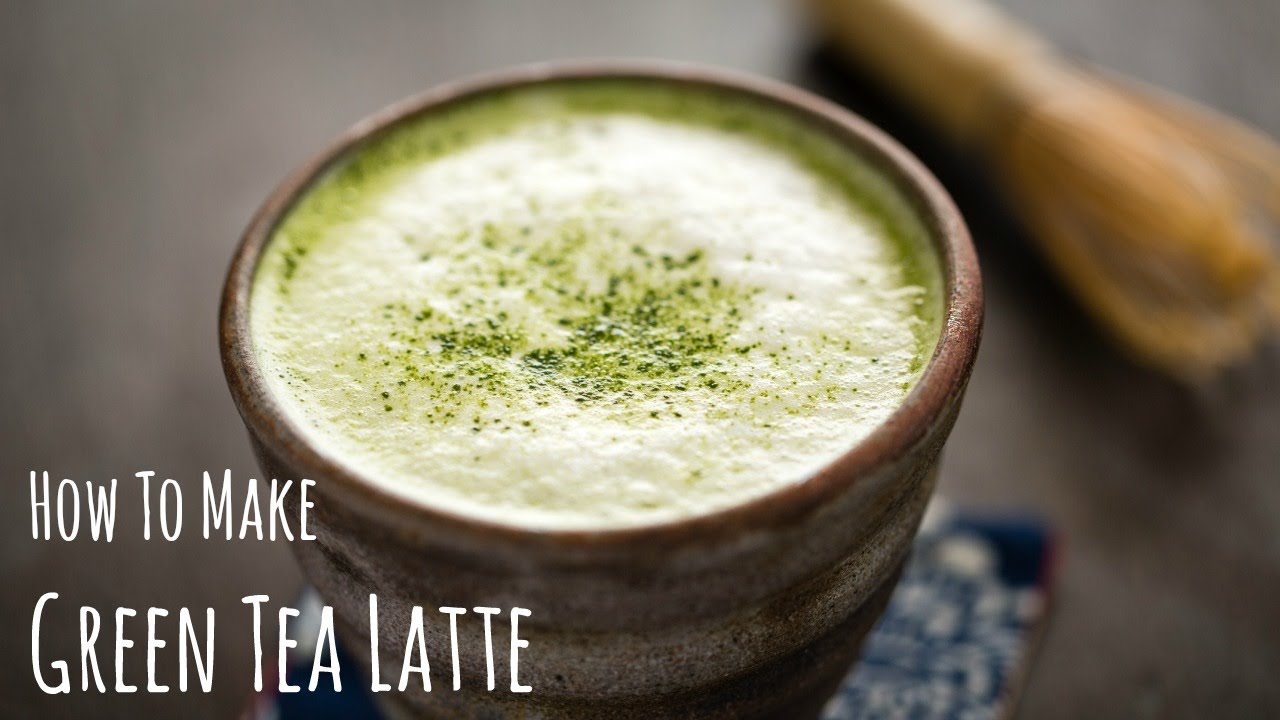
Craving something creamier? A matcha latte is a delicious twist on traditional matcha tea. It’s comforting, smooth, and incredibly easy to make at home.
Ingredients:
- 1 teaspoon ceremonial matcha powder
- 2 oz hot water (175°F/80°C)
- 6 oz milk (dairy or plant-based like oat, almond, or soy)
- Optional: sweetener (honey, maple syrup, agave)
Instructions:
- Sift the Matcha: Just like traditional matcha, start by sifting the powder into your bowl or mug to prevent lumps.
- Add Water: Pour in the hot water and whisk until smooth and frothy.
- Heat Your Milk: Warm the milk on the stove or microwave until hot but not boiling. Froth it using a handheld frother or whisk.
- Combine: Pour the frothed milk over your whisked matcha. Stir gently to blend.
- Sweeten & Sip: Add your preferred sweetener to taste and enjoy a rich, velvety matcha latte.
This version is a great intro for matcha newbies, especially if you’re transitioning from coffee.
Tips for First-Time Matcha Drinkers
If you’re trying matcha for the first time, welcome to a whole new world of flavor and wellness! But before you dive in, here are a few tips to make the experience smoother:
- Start with a Latte: The taste of straight matcha can be intense. Start with a latte version until your palate adjusts.
- Buy Small Quantities: Matcha can lose its freshness quickly. Buy smaller batches to enjoy it at peak quality.
- Use the Right Temperature: Hotter water doesn’t mean better tea—it actually ruins the flavor. Stick to 175°F (80°C).
- Use Filtered Water: The purer the water, the better your matcha will taste.
- Experiment Slowly: Try different brands and grades of matcha to find what suits your taste best.
Making matcha is as much about the ritual as it is about the drink itself. Take your time and enjoy the process.
Common Mistakes to Avoid
Even seasoned matcha lovers mess up sometimes. Let’s steer you clear of these common blunders:
- Using Boiling Water: This scorches the matcha and brings out bitterness. Always let your water cool a bit.
- Skipping the Sift: If you don’t sift, you risk a clumpy, gritty texture. Nobody wants that.
- Using the Wrong Whisking Motion: Whisk in an “M” or “W” motion to get that creamy foam on top.
- Not Storing Properly: Leaving matcha exposed to air and light degrades its quality fast.
- Overusing Sweeteners: Matcha has a subtle natural sweetness. Go light on additives to appreciate its earthy charm.
Mastering these will seriously level up your tea game.
How to Store Matcha Properly
Matcha is delicate and requires proper storage to maintain its freshness, taste, and vibrant color.
Here’s how to store it right:
- Keep it Airtight: Oxygen is the enemy. Store matcha in a sealed container.
- Refrigerate After Opening: Once opened, keep it in the fridge to slow down oxidation.
- Avoid Moisture and Light: Use opaque containers to block light, and never store it near steam or the stove.
- Use Within 30-60 Days: For the best flavor and nutrition, aim to use your matcha within a month or two of opening.
Treat your matcha well and it will reward you every single cup.
Matcha Tea Variations
Once you’ve mastered the classic matcha, it’s time to get creative! Matcha is incredibly versatile and pairs well with a lot of flavors and textures.
Popular Variations Include:
- Iced Matcha Latte: Make your matcha as usual and pour it over ice with chilled milk.
- Matcha Smoothie: Blend matcha with banana, spinach, and almond milk for a green energy boost.
- Matcha Lemonade: Combine matcha with fresh lemon juice and honey over ice for a tangy refresher.
- Vanilla Matcha Latte: Add a dash of vanilla extract for a sweeter, more aromatic experience.
- Coconut Matcha: Mix matcha with coconut milk for a tropical twist.
Feel free to play around—your kitchen is your matcha lab!
FAQs about Matcha Tea Recipe
1. Can I use a regular whisk instead of a bamboo whisk for matcha?
Yes, but you may not get the same frothy texture. A milk frother or small electric whisk works better than a standard kitchen whisk.
2. Is it okay to drink matcha every day?
Absolutely! Just watch your caffeine intake—matcha contains about 70 mg of caffeine per teaspoon.
3. What’s the difference between matcha and green tea powder?
Matcha is made from shade-grown leaves and is finely ground for drinking. Regular green tea powder is not as nutrient-dense and is often made from lower-quality leaves.
4. Can I use cold water to make matcha?
Yes, but it won’t dissolve as well. Use a shaker bottle or blender to mix matcha with cold water.
5. How do I know if my matcha has gone bad?
If it smells stale, looks yellowish, or tastes bitter or flat, it’s time to toss it out.
Conclusion
Making matcha tea at home might seem intimidating at first, but once you get the hang of it, it’s a relaxing and rewarding ritual that’s hard to beat. With just a few simple tools and high-quality matcha powder, you can enjoy a delicious and health-packed cup whenever you like.
From traditional sips to creamy lattes and creative twists, there’s a matcha style for everyone. So go ahead—whisk up your first cup and discover why matcha is more than a beverage—it’s a lifestyle.