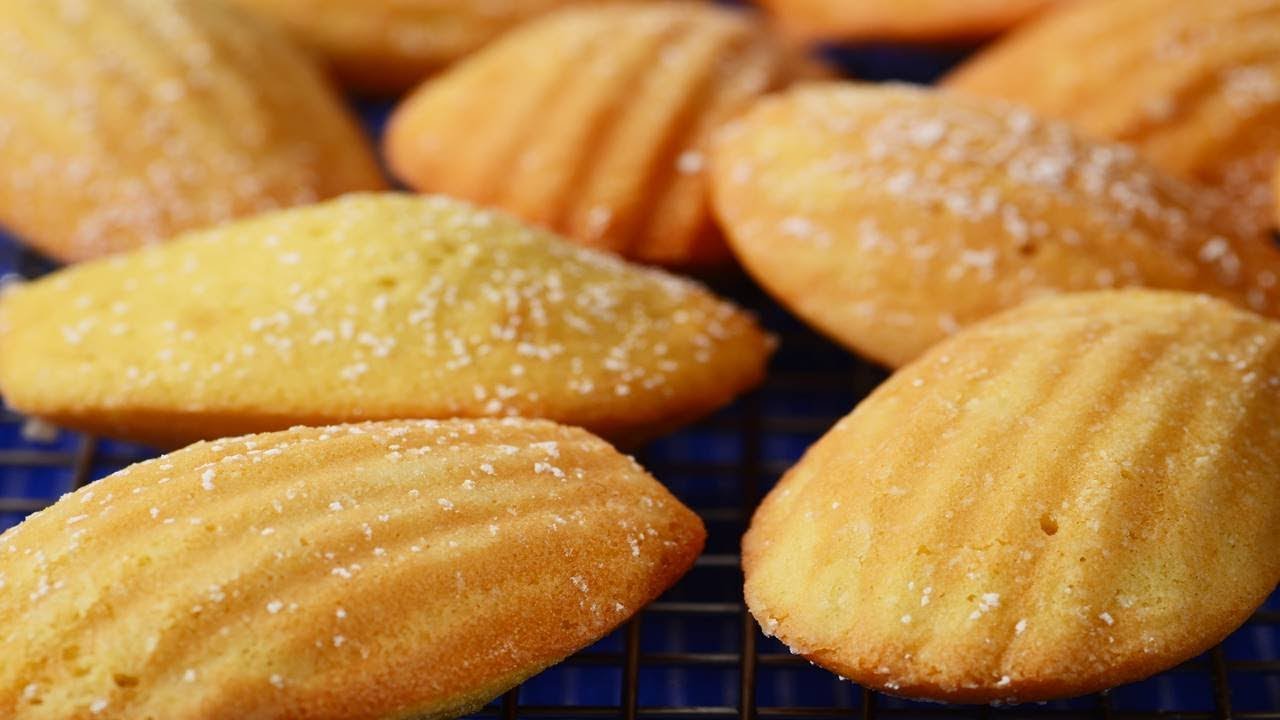
Madeleine Cookie Recipe: There’s something magical about Madeleines — those dainty, shell-shaped French sponge cakes that melt in your mouth with every bite.
With their golden edges, buttery crumb, and slight crisp on the outside, Madeleines offer an elegant treat that’s surprisingly easy to make at home.
Whether you’re baking for a tea party, a brunch, or simply a sweet moment for yourself, and will walk you through everything you need to create perfect Madeleines from scratch.
What Are Madeleines?
Madeleines are small, shell-shaped sponge cakes originating from France, often flavored with lemon zest or vanilla. While many confuse them for cookies due to their size, they’re technically mini cakes — light, airy, and subtly sweet. These treats are known for their distinct hump on the back and their beautifully ridged shell-like front created by baking in a special pan.
Their soft crumb and slightly crisped edges make them a favorite in French patisseries and around the world. Madeleines can be enjoyed plain, dusted with powdered sugar, dipped in chocolate, or infused with various flavors.
They’re not just pretty — they’re delicious, too. And the best part? You don’t need to be a professional pastry chef to make them.
The History of Madeleines
Madeleines trace their roots back to the Lorraine region in northeastern France. Legend has it that a young maid named Madeleine Paulmier created them in the 18th century for the Duke of Lorraine. He was so impressed, he named them after her — and the rest is culinary history.
Marcel Proust, a famous French writer, helped elevate their status in his novel In Search of Lost Time, where the experience of eating a Madeleine sparked an involuntary memory from childhood — giving rise to the term “Proustian moment.”
These little cakes have since become symbolic of French baking — a mix of tradition, elegance, and nostalgia. Despite their long history, the recipe has remained wonderfully simple.
Why You’ll Love This Madeleine Cookie Recipe
- Easy and beginner-friendly – With clear instructions and tips, you don’t need baking experience to get it right.
- Minimal ingredients – Most of what you need is probably already in your pantry.
- Elegant and versatile – Dress them up with glaze, dip them in chocolate, or keep them simple.
- Perfect for any occasion – Serve them at gatherings, gift them, or enjoy as a personal treat.
- Impressive look, minimal effort – That signature shell shape and hump make these look fancy without the fuss.
Key Tips for Baking Perfect Madeleines
Want that bakery-perfect texture and look? Follow these tips:
- Chill the batter – Letting your batter rest in the fridge ensures the signature hump and keeps the crumb tender.
- Butter the pan properly – Non-stick spray isn’t enough. Use softened butter and a dusting of flour.
- Don’t overfill the molds – Fill only about ¾ of the way to avoid overflowing.
- Use room temperature eggs – This helps incorporate air for a fluffier sponge.
- Preheat your oven – A hot oven gives you the signature bump on the back.
List of Ingredients You’ll Need
To keep it classic and delicious, here are the essentials:
Dry Ingredients
- 1 cup (120g) all-purpose flour
- 1/2 tsp baking powder
- Pinch of salt
Wet Ingredients
- 2 large eggs (room temperature)
- 1/2 cup (100g) granulated sugar
- 1 tsp pure vanilla extract
- Zest of 1 lemon (or orange, optional)
- 1/2 cup (113g) unsalted butter (melted and slightly cooled)
Optional Flavor Additions
- 1 tsp almond extract
- 1 tbsp honey
- Melted chocolate for dipping
- Powdered sugar for dusting
Simple, right? These basic ingredients work together to create something truly special.
Essential Baking Tools for Madeleines
To make perfect Madeleines, it helps to have the right tools:
- Madeleine pan – The signature shell-shaped mold is key.
- Mixing bowls – At least two: one for wet, one for dry ingredients.
- Electric mixer or whisk – To beat the eggs and sugar properly.
- Microplane or zester – For zesting citrus without bitterness.
- Spatula – For gently folding the batter.
- Pastry brush – For greasing the mold with precision.
These aren’t hard to find — most are kitchen staples already.
Step-by-Step Guide to Making Madeleines
Here’s where the magic happens. Follow these steps closely for guaranteed delicious results.
Step 1: Prepare the Batter
In a bowl, whisk together eggs and sugar until pale and slightly thickened. Add melted butter, vanilla extract, and lemon zest if desired. Gently fold in flour, baking powder, and a pinch of salt until just combined. Avoid overmixing to keep the batter light.
Step 2: Chill the Batter
Cover the batter and refrigerate for at least 30–60 minutes. Chilling helps the batter firm up and is key to achieving the signature madeleine hump during baking.
Step 3: Prep the Madeleine Pan
Preheat your oven to 190°C (375°F). Generously butter and lightly flour the madeleine pan, even if it’s non-stick. This ensures easy release and crisp edges.
Step 4: Bake the Madeleines
Spoon or pipe the chilled batter into the pan, filling each mold about three-quarters full. Bake for 10–12 minutes until the edges are golden and the centers spring back when touched.
Step 5: Cool and Serve
Remove the madeleines from the pan immediately and cool on a wire rack. Serve warm or at room temperature, optionally dusted with powdered sugar for a classic finish.
Tips to Achieve the Classic Madeleine “Hump”
One of the most iconic features of a Madeleine is that soft, rounded hump on the back. It’s not just for looks — it’s a sign that the cake has been baked correctly. So how do you make sure yours come out with that signature bump every time?
- Chill the Batter: This is the golden rule. Chilled batter hitting a hot oven creates a burst of steam, which gives rise to the hump. At least one hour in the fridge is necessary, but overnight is ideal.
- Use a Cold Pan: Just like the batter, your pan should be cold. Pop it in the fridge for 15 minutes before filling it.
- Don’t Spread the Batter: Simply spoon it into the center of each mold without pressing or spreading. It will naturally expand as it bakes.
- Start with High Heat: Some bakers recommend starting at a higher temperature for the first 3 minutes, then lowering it to finish baking. That initial blast helps form the hump.
- Avoid Overmixing: Keep your batter light and airy. Overmixing can lead to dense, flat Madeleines.
It may take one or two tries to get it just right, but once you’ve nailed the technique, it becomes second nature.
Common Mistakes to Avoid When Baking Madeleines
Even though Madeleines are relatively simple, a few small mistakes can affect the outcome. Here are the most common errors and how to avoid them:
- Skipping the Chill Time: If you’re tempted to skip chilling the batter, don’t. It’s essential for both flavor and texture.
- Overbaking: Madeleines bake quickly — just 10 to 12 minutes. If they’re too brown or hard, you’ve likely left them in too long.
- Not Greasing the Pan Properly: Even non-stick pans need butter and a dusting of flour. Otherwise, you risk tearing the delicate cakes.
- Using Hot Butter: Melted butter should be slightly cooled before adding it to the batter. If it’s too hot, it could cook the eggs or ruin the texture.
- Overfilling the Molds: Fill them only about ¾ full. Too much batter leads to overflow and uneven shapes.
Keep these tips in mind, and you’ll save yourself a lot of stress — and wasted ingredients.
Flavor Variations to Try
Once you’ve mastered the classic version, why not switch things up? Here are some delightful twists on the traditional Madeleine recipe:
Lemon Madeleines
- Replace the orange zest with lemon zest.
- Add 1 tbsp of lemon juice for extra zing.
- Optional glaze: mix powdered sugar with lemon juice and drizzle on top.
Chocolate Dipped Madeleines
- Once cooled, dip half of each Madeleine in melted dark or white chocolate.
- Let them set on parchment paper or chill in the fridge.
Almond or Pistachio Madeleines
- Substitute ¼ cup of the flour with finely ground almond or pistachio flour.
- Add a drop of almond extract for an extra nutty kick.
Spiced Madeleines
- Add ½ tsp of cinnamon, nutmeg, or cardamom to the dry ingredients.
- Great for fall and holiday baking.
Feel free to get creative — the Madeleine base is very adaptable to different flavors and glazes.
Storing Your Madeleines the Right Way
While Madeleines are best enjoyed fresh, you can store them for later. Here’s how to keep them tasting great:
- Room Temperature: Store in an airtight container for up to 2-3 days. They may lose their crisp edges but will still be tasty.
- Avoid the Fridge: Refrigerating Madeleines can dry them out and ruin their soft, cake-like texture.
- Reheat Before Serving: A quick 10-second zap in the microwave brings them back to life — soft and warm like they just came out of the oven.
To keep their original texture as long as possible, make sure they’re completely cool before storing.
Can You Freeze Madeleines?
Absolutely! Freezing is a great way to make a big batch ahead of time or save leftovers.
- Freeze Individually: Wrap each Madeleine in plastic wrap, then store them in a zip-top freezer bag.
- Reheating: Let them thaw at room temperature for 20-30 minutes, or reheat for 10 seconds in the microwave.
- Shelf Life: They’ll stay good in the freezer for up to 2 months.
Pro tip: If you’re freezing dipped Madeleines, do it after the chocolate has fully set to prevent smudging.
Madeleine Cookie Pairing Ideas
These delicate cakes pair beautifully with a variety of drinks and desserts:
- Hot Tea: Earl Grey or chamomile highlights the lemony notes.
- Coffee or Espresso: Their buttery flavor complements strong, bold coffee.
- Hot Chocolate: Especially good with chocolate-dipped versions.
- Fruit Compotes or Jam: Serve on the side for dipping or spreading.
- Ice Cream: A scoop of vanilla or lemon sorbet turns Madeleines into a plated dessert.
Madeleines are more versatile than you think — you can even stack them on a cake stand for a stunning brunch centerpiece.
Troubleshooting Madeleine Texture & Shape
Not getting the results you hoped for? Here’s a quick troubleshooting guide:
| Problem | Likely Cause | Solution |
|---|---|---|
| Flat Madeleines | Batter not chilled / Oven too cool | Chill the batter longer and preheat oven properly |
| Tough or dense texture | Overmixed batter | Fold gently and avoid beating after adding flour |
| Sticking to the pan | Poorly greased molds | Butter and flour the molds thoroughly |
| Dry Madeleines | Overbaked | Check doneness at 9 minutes and remove once golden |
| No flavor | Skimped on zest/vanilla | Always use fresh zest and good quality vanilla |
Once you’ve identified the issue, it’s easy to tweak and improve for your next bake.
FAQs about Madeleine Cookie Recipe
1. Are Madeleines cookies or cakes?
They’re technically small sponge cakes, though many refer to them as cookies because of their size and shape.
2. Can I make Madeleines without a special pan?
While the shell-shaped pan is ideal, you can use a mini muffin tin. The shape will differ, but the taste will still be delicious.
3. Why didn’t my Madeleines rise properly?
Most likely the batter wasn’t chilled enough or the oven wasn’t hot enough. Always chill for at least one hour and fully preheat your oven.
4. Can I make the batter ahead of time?
Yes! You can refrigerate the batter for up to 2 days before baking. In fact, overnight chilling often improves the texture.
5. What’s the best way to add new flavors?
Try adding citrus zest, spices, extracts (like almond or coconut), or even folding in finely chopped nuts. Just keep the ratios balanced to preserve the texture.
Conclusion
Madeleines may look fancy and feel like something you’d find in a Parisian café, but they’re truly achievable at home — even for beginner bakers. With just a handful of simple ingredients, a few special tools, and a little patience, you can whip up a batch of these beautiful shell-shaped sponge cakes that are tender, golden, and absolutely irresistible.
Remember to chill your batter, butter your pan well, and bake at the right temperature — and you’ll be rewarded with that classic hump, soft interior, and perfect bite every single time.
Don’t be afraid to experiment with flavors and pairings once you’ve got the basics down. Whether you go classic or add a twist, homemade Madeleines are always a crowd-pleaser.