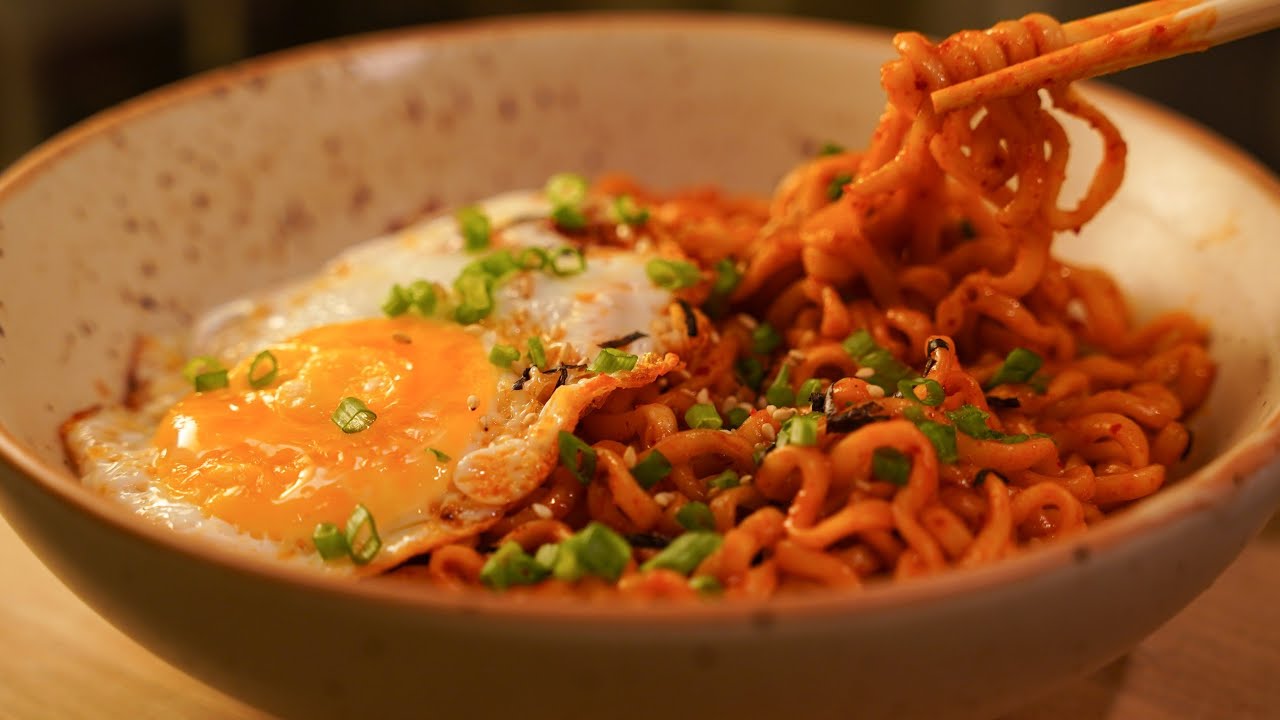
Korean Noodles Recipe: Korean cuisine is bold, flavorful, and incredibly comforting—and noodles are a huge part of that magic. From spicy broths to chilled noodles served in icy stock, Korean noodle dishes offer something for every craving and season. But here’s the best part: they’re actually not hard to make at home! Whether you’re a beginner or a kitchen pro, this guide walks you through everything you need to make authentic Korean noodles from scratch or with a few handy store-bought items.
You don’t need to travel to Seoul to enjoy a slurpy bowl of Jajangmyeon or a refreshingly spicy Bibim Guksu. With just a few ingredients and a little prep, you can whip up your own Korean noodle feast right in your kitchen. Ready to go on a flavor-packed journey? Let’s dive in.
Types of Popular Korean Noodles
Korean noodles come in all shapes and flavors—some sweet, others spicy, and some designed to beat the summer heat. Let’s take a look at a few must-know varieties:
- Japchae: Stir-fried glass noodles made with sweet potato starch, loaded with colorful vegetables and savory soy sauce.
- Jajangmyeon: Thick wheat noodles in a rich, umami-packed black bean sauce. A classic Korean-Chinese fusion dish.
- Ramyeon: Korea’s answer to instant noodles. Spicy, quick, and endlessly customizable.
- Naengmyeon: Cold noodles in a chilled beef or kimchi broth, perfect for hot summer days.
- Bibim Guksu: A fiery, tangy mix of thin wheat noodles tossed in chili paste and vinegar.
Each noodle dish has its own flavor profile and cooking style, and we’re going to walk you through how to make them all.
Ingredients You’ll Need
Cooking Korean noodles doesn’t mean you need a fully stocked Korean pantry (though it helps!). Let’s break it down by what you absolutely need and where to find them.
Core Ingredients for Most Korean Noodles
- Noodles: Sweet potato glass noodles, wheat noodles, or buckwheat noodles depending on the dish
- Gochujang (Korean Chili Paste): Essential for spicy flavor
- Soy Sauce: Use Korean soy sauce if available
- Garlic & Onion: Base flavors in most dishes
- Sesame Oil & Seeds: For aroma and garnish
- Vegetables: Carrot, spinach, mushrooms, zucchini, and more
- Beef or Pork: Used in Japchae or Jajangmyeon
- Eggs: Used for toppings or garnishes
Fresh vs Store-Bought Ingredients
Fresh vegetables make a huge difference, especially in Japchae. But for sauces like Gochujang or black bean paste, store-bought is totally fine. Just make sure to get Korean brands like Chung Jung One or Ottogi for the most authentic flavor.
Where to Buy Korean Ingredients
- Asian grocery stores
- Online retailers like H Mart, Amazon, or Korean grocery sites
- Specialty stores in urban areas
Stock up once and you’ll be good for several rounds of noodle night!
Kitchen Tools & Prep Tips
Before we dive into the recipes, make sure you’ve got the right tools on hand. You don’t need fancy gadgets, but a few basics will make cooking Korean noodles easier and more efficient.
Must-Have Tools
- Large Pot: For boiling noodles
- Strainer or Colander: For rinsing noodles
- Wok or Large Skillet: For stir-frying
- Chopping Board and Sharp Knife
- Mixing Bowls
- Tongs or Chopsticks: For mixing and plating
Prep Before You Start Cooking
- Wash and cut all vegetables ahead of time
- Marinate meat or prepare sauces first
- Boil water before starting stir-fry dishes
- Rinse noodles under cold water to prevent sticking
Getting all your mise en place (ingredients prepped and ready) will make the cooking process smooth and enjoyable.
Step-by-Step Guide: How to Make Japchae (Korean Glass Noodles)
Japchae is one of Korea’s most beloved noodle dishes. It’s slightly sweet, savory, and packed with textures—from slippery glass noodles to tender beef and crunchy vegetables. Great as a side or main dish!
Ingredients List for Japchae
- 200g Korean glass noodles (dangmyeon)
- 150g beef (ribeye or sirloin), thinly sliced
- 1 carrot, julienned
- 1/2 onion, sliced
- 1/2 red bell pepper, sliced
- 4-5 shiitake mushrooms, sliced
- 2 cups spinach
- 2 cloves garlic, minced
- 2 tbsp soy sauce (plus extra for beef)
- 1 tbsp sugar
- 1 tbsp sesame oil
- 1 tsp sesame seeds
- Salt and pepper to taste
Preparation Instructions
- Soak the glass noodles in warm water for about 30 minutes.
- Blanch the spinach in boiling water for 30 seconds, then rinse in cold water. Squeeze excess water and season with a pinch of salt and sesame oil.
- Slice beef and marinate with 1 tbsp soy sauce, 1 tsp sesame oil, and minced garlic. Set aside for 15 minutes.
- Julienne all vegetables for even cooking.
Cooking Instructions
- Boil soaked noodles for 7–8 minutes. Drain and rinse with cold water. Cut with scissors for easier eating.
- In a large skillet, stir-fry vegetables one by one with a bit of oil and salt. Set aside each one separately.
- Stir-fry the marinated beef until just cooked. Remove from heat.
- In the same pan, toss noodles with 2 tbsp soy sauce, 1 tbsp sugar, and 1 tbsp sesame oil over low heat.
- Add back in all cooked ingredients and toss gently. Adjust seasoning.
- Garnish with sesame seeds before serving.
Japchae is best served warm or at room temperature and makes a beautiful addition to any Korean meal.
Step-by-Step Guide: How to Make Jajangmyeon (Black Bean Noodles)
Jajangmyeon is a Korean-Chinese fusion dish featuring thick noodles coated in a rich, savory black bean sauce. It’s hearty, delicious, and perfect for a cozy dinner. Though it may look intimidating, it’s surprisingly simple to make with the right ingredients.
Ingredients List for Jajangmyeon
- 400g fresh or frozen Korean wheat noodles
- 200g pork belly or ground pork
- 1/2 zucchini, diced
- 1 potato, peeled and diced
- 1 onion, chopped
- 1/2 cup cabbage, chopped
- 1/2 cup Korean black bean paste (chunjang)
- 2 tbsp oil (preferably vegetable or neutral oil)
- 1 tbsp sugar
- 1 cup water or chicken stock
- 1 tbsp cornstarch + 2 tbsp water (slurry)
- 1 boiled egg (optional, for garnish)
- Julienned cucumber or green peas (for garnish)
Preparation Instructions
- Dice all vegetables into uniform, small cubes. This helps them cook evenly.
- If using chunjang paste, fry it separately in 1 tbsp oil for 1–2 minutes to remove its bitterness. Set aside.
- Prepare the slurry by mixing cornstarch and water—this will help thicken your sauce.
Cooking Instructions
- In a large skillet or wok, heat 1 tbsp oil over medium heat. Add pork and stir-fry until the fat renders and the meat browns slightly.
- Add onion, potato, zucchini, and cabbage. Cook for about 5–7 minutes until veggies begin to soften.
- Stir in the black bean paste and sugar. Mix well so that everything is coated.
- Pour in water or stock and bring to a boil. Let it simmer for 10–12 minutes.
- Add the cornstarch slurry and stir until the sauce thickens. Adjust seasoning as needed.
- Meanwhile, boil the noodles according to package directions. Drain and rinse under cold water.
- Plate the noodles, pour a generous ladle of the black bean sauce over the top, and garnish with cucumber strips or peas and a halved boiled egg.
Jajangmyeon is satisfying and earthy, a true comfort food. Pair it with kimchi for a complete Korean-Chinese meal!
Step-by-Step Guide: How to Make Korean Ramyeon
If you’ve ever watched a Korean drama, chances are you’ve seen a steaming pot of ramyeon being devoured. Korean ramyeon is spicy, rich, and often a late-night snack staple. While it starts with instant noodles, the magic lies in how you level it up.
Ingredients List for Ramyeon
- 1 packet of Korean instant noodles (Shin Ramyeon, Jin Ramen, etc.)
- 2 cups water
- 1 egg
- 1/4 cup kimchi (optional)
- 1 green onion, chopped
- A few slices of cheese (optional but popular)
- 1/2 cup bean sprouts or spinach (optional)
- 1/4 tsp sesame oil
Preparation Instructions
- Gather your ingredients—ramyeon is quick, so prep first.
- Slice green onions and prepare optional toppings like egg, cheese, or kimchi.
Cooking Instructions
- In a pot, bring 2 cups of water to a boil.
- Add the seasoning packets and noodles from the instant package.
- After about 2 minutes, crack an egg into the center without stirring if you want it poached.
- Add vegetables like green onion, spinach, or kimchi if using.
- Once the noodles are fully cooked (about 4–5 minutes total), drizzle a few drops of sesame oil for a rich, nutty aroma.
- Optional: Add a slice of cheese on top and let it melt slightly before serving.
You’ve now got a rich, spicy bowl of ramyeon—fast food, Korean-style. Customize endlessly and enjoy it hot!
Step-by-Step Guide: How to Make Bibim Guksu (Spicy Mixed Noodles)
Bibim Guksu is a refreshing, spicy cold noodle dish that’s especially popular during hot weather. It’s light, tangy, and super easy to whip up in under 15 minutes.
Ingredients List for Bibim Guksu
- 200g somyeon (thin wheat noodles)
- 2 tbsp gochujang (Korean chili paste)
- 1 tbsp soy sauce
- 1 tbsp rice vinegar
- 1 tbsp sugar or honey
- 1 tsp sesame oil
- 1 clove garlic, minced
- 1 boiled egg
- Julienned cucumber and/or carrots
- Toasted sesame seeds
Preparation Instructions
- Prepare the sauce by mixing gochujang, soy sauce, vinegar, sugar, garlic, and sesame oil in a small bowl.
- Boil the somyeon noodles for 3–4 minutes, or as instructed on the package. Don’t overcook.
- Drain and rinse noodles under ice-cold water until fully chilled.
Cooking Instructions
- Once the noodles are completely cooled, place them in a large mixing bowl.
- Add your sauce and toss gently but thoroughly until noodles are evenly coated.
- Top with cucumber, carrot, sesame seeds, and half a boiled egg.
This dish is quick, vibrant, and refreshing—a perfect blend of spicy and cool. Ideal for a light lunch or picnic meal.
Step-by-Step Guide: How to Make Naengmyeon (Cold Buckwheat Noodles)
Naengmyeon is the ultimate summer noodle dish. Served in a tangy, icy broth, it’s refreshing and crisp. You’ll find two main types: mul naengmyeon (in broth) and bibim naengmyeon (spicy, no broth).
Ingredients List for Naengmyeon
- 200g naengmyeon noodles (buckwheat noodles)
- 2 cups cold beef broth or dongchimi broth
- 1 tbsp rice vinegar
- 1/2 tbsp sugar
- 1/2 cucumber, thinly sliced
- 1 boiled egg
- Sliced pear (optional)
- Ice cubes (yes, really!)
- Pickled radish (optional)
Preparation Instructions
- Cook noodles according to package instructions. Rinse with cold water and set aside.
- Mix cold broth, vinegar, sugar, and a pinch of salt. Refrigerate until icy cold. You can even add a few ice cubes.
- Slice cucumber and pear thinly. Boil and peel an egg.
Cooking Instructions
- In a large bowl, place the cold noodles.
- Pour over the icy broth.
- Garnish with sliced cucumber, pear, radish, and the halved egg.
- Add a few ice cubes if you want that authentic chill factor.
Naengmyeon isn’t just a dish—it’s a heatwave antidote. Tangy, cold, and slurpable to the last bite.
Tips for Cooking Korean Noodles Perfectly Every Time
Making Korean noodles isn’t rocket science, but a few smart tricks can take your dish from good to unforgettable. Whether you’re cooking glass noodles, wheat noodles, or buckwheat noodles, these tips will help you nail the perfect texture and taste every time.
1. Don’t Overcook the Noodles
Korean noodles are all about that chewy, satisfying bite. Overcooked noodles turn mushy and ruin the dish’s texture. Always follow the package instructions, but also taste-test for doneness. For cold noodle dishes, immediately rinse the noodles under cold water after boiling to stop the cooking process.
2. Oil Is Your Friend
A light drizzle of sesame oil after cooking keeps noodles from sticking and adds flavor. Especially important in stir-fried dishes like Japchae and Bibim Guksu.
3. Use Fresh Ingredients
The veggies and toppings in Korean noodles are often raw or lightly cooked. That means freshness makes a big difference in taste and texture. Crisp cucumbers, snappy carrots, and tender spinach are staples you don’t want to skimp on.
4. Balance the Flavors
Korean cuisine is known for balance—spicy, sweet, salty, sour, and savory. Adjust your sauces to hit all five notes. If it’s too salty, add sugar or vinegar. Too bland? A dash of soy sauce or gochujang works wonders.
5. Keep Broths Cold or Piping Hot
For cold noodle dishes like Naengmyeon, chilling the broth in advance (or adding ice cubes) is essential. On the flip side, dishes like Jajangmyeon need a hot, thick, velvety sauce that coats every strand.
6. Use Toppings to Elevate
From a boiled egg to sliced pear or sesame seeds, toppings not only enhance flavor but also improve presentation. Don’t skip them—they’re part of what makes Korean noodles so special.
Common Mistakes and How to Avoid Them
Even experienced cooks can trip up when making Korean noodles. Here are some of the most common mistakes and how to sidestep them:
Using the Wrong Noodles
Not all noodles are interchangeable. Sweet potato noodles are essential for Japchae, while somyeon is key for Bibim Guksu. Swapping them changes the texture and authenticity of the dish.
Skipping the Sauce Prep
Sauces are the soul of Korean noodles. Rushing or skipping sauce prep leads to flat flavors. Always mix sauces in advance and taste them before adding.
Underseasoning the Vegetables
Each component should be seasoned, even slightly. In Japchae, for example, you lightly season each veggie to make every bite flavorful.
Overcrowding the Pan
When stir-frying, too many ingredients at once can lead to steaming instead of proper browning. Cook in batches for better texture and flavor.
Not Rinsing Noodles
Especially in cold dishes, rinsing noodles under cold water stops cooking and improves texture. For warm dishes, rinsing prevents clumping.
Avoiding these pitfalls can help you consistently deliver restaurant-quality Korean noodles at home.
Serving Suggestions
A bowl of noodles on its own is great, but pairing it with the right sides and drinks can elevate your meal to the next level.
Best Side Dishes for Korean Noodles
- Kimchi: Spicy, fermented cabbage adds crunch and tang
- Pickled Radish (Danmuji): Sweet and sour, perfect with spicy noodles
- Pajeon (Korean Pancakes): Great with Naengmyeon or Japchae
- Gyeran Mari (Rolled Omelet): Mild and fluffy, complements spicy dishes
- Korean Fried Chicken: A crunchy side for a big noodle feast
Beverage Pairings
- Barley Tea (Boricha): A nutty, non-caffeinated tea that cools the palate
- Soju: If you’re of age, soju and Korean noodles are a classic combo
- Yuja-cha (Citron Tea): Sweet and citrusy, balances spicy foods
A well-paired meal makes every bite more enjoyable and gives you that authentic Korean dining experience.
Storage and Reheating Tips
Let’s be real—not all noodle dishes reheat well. But some tips can help you preserve their taste and texture:
Japchae
Store in an airtight container. Reheat gently in a skillet with a splash of water or sesame oil to prevent drying out.
Jajangmyeon
Store sauce and noodles separately if possible. Reheat sauce over low heat and boil fresh noodles for best results.
Ramyeon
Best enjoyed fresh. If you must store leftovers, keep broth and noodles apart and reheat quickly in boiling water.
Bibim Guksu & Naengmyeon
Don’t store dressed noodles—sauce can break down the noodles. Keep sauce and noodles separate and mix before serving.
Always refrigerate leftovers within 2 hours and consume within 2–3 days for maximum freshness.
Vegan and Gluten-Free Alternatives
Korean noodles can be adapted for different dietary needs without sacrificing taste.
Vegan Swaps
- Use tofu or mushrooms instead of meat
- Gochujang is typically vegan, but check labels to confirm
- Avoid fish sauce; use soy sauce or tamari instead
- Stick to vegetable broth for cold soups or Jajangmyeon
Gluten-Free Options
- Use gluten-free tamari instead of soy sauce
- Choose 100% buckwheat noodles (soba) or rice noodles
- Check your gochujang—some versions contain wheat
- Make homemade sauces using gluten-free ingredients
With just a few tweaks, everyone can enjoy the delicious world of Korean noodles, no matter their dietary preferences.
FAQs about Korean Noodles Recipe
1. Can I use spaghetti instead of Korean noodles?
Yes, but the texture and authenticity will change. Use spaghetti for Japchae in a pinch, but expect a different bite and flavor absorption.
2. How spicy are Korean noodles?
It varies. Ramyeon and Bibim Guksu can be quite spicy, while Japchae and Naengmyeon are generally mild. You can always adjust spice levels to your taste.
3. What’s the best Korean noodle dish for beginners?
Japchae is a great starting point. It’s flavorful, colorful, and forgiving for beginners. Ramyeon is also super easy and customizable.
4. Are Korean noodles healthy?
They can be! Japchae with lots of veggies, or Naengmyeon made with buckwheat noodles, are nutritious choices. Watch the sodium in instant ramyeon though.
5. Can I make Korean noodles ahead of time?
You can prep the components ahead, like sauces and chopped veggies. For best texture, cook noodles just before serving.
Conclusion
From the fiery tang of Bibim Guksu to the savory depth of Jajangmyeon, Korean noodles offer a world of flavor that’s surprisingly easy to recreate at home. With the right ingredients, a few simple tools, and the step-by-step recipes in this guide, you can whip up a delicious bowl of Korean noodles whenever the craving strikes.
Whether you’re trying Japchae for the first time or mastering the art of cold Naengmyeon, every dish is a journey into Korea’s rich culinary heritage. The best part? You don’t have to be a professional chef to make these. All you need is a little patience, a bit of prep, and a big appetite.
So grab your chopsticks, turn on your favorite K-drama, and dig in. Happy cooking!