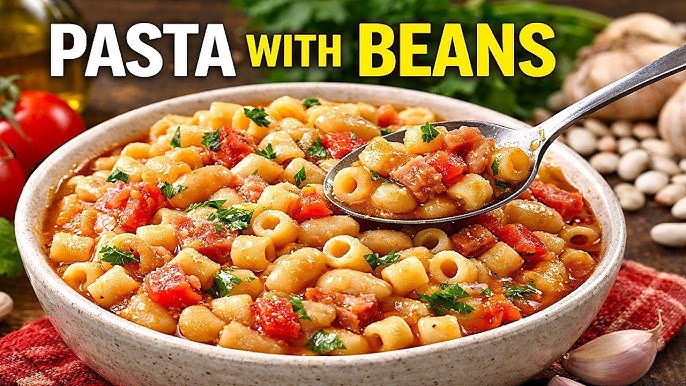
Italian Pasta Fagioli Recipe: Ever had a dish so comforting that it felt like a warm hug in a bowl? That’s Pasta Fagioli for you. A humble, rustic Italian dish that combines pasta and beans in a savory broth, it’s the kind of meal that’s both hearty and heartwarming. Whether you’re trying to recreate Nonna’s magic or just craving something cozy, this dish delivers every time.
Pasta Fagioli (pronounced “pah-stah fah-joh-lee”) literally means “pasta and beans” in Italian. But don’t let the simplicity of the name fool you—it’s full of rich flavors, satisfying textures, and wholesome goodness. It’s often confused with minestrone, but pasta fagioli has fewer vegetables and focuses more on the bean-pasta duo.
What makes this dish stand out? It’s incredibly versatile. You can make it vegetarian, spicy, or meat-heavy depending on your preferences. It’s also budget-friendly, easy to scale for a crowd, and even better the next day. Let’s dive into this Italian classic together.
The History of Pasta Fagioli
Pasta Fagioli has its roots deep in Italian cucina povera, or “poor man’s cuisine.” This culinary tradition focuses on making the most out of simple, inexpensive ingredients—and turning them into something extraordinary. In the old days, rural families would throw together dried beans and pasta with whatever vegetables or herbs they had on hand.
Though originally a peasant dish, Pasta Fagioli made its way across Italian regions and eventually across the globe. In southern Italy, you might find it spicier, with a tomato-based broth. In the north, it’s more subtle, often creamier, and made without tomatoes. Each version reflects the local flavors and ingredients of the area.
When Italian immigrants brought their recipes to America, Pasta Fagioli became a staple in Italian-American households. It’s even shown up in pop culture—Frank Sinatra famously sang about it in “That’s Amore.” Today, it’s enjoyed not just in homes, but in trattorias and upscale restaurants alike.
Health Benefits of Pasta Fagioli
You wouldn’t expect such a comfort food to be healthy, but Pasta Fagioli is surprisingly nutritious. At its core, this dish is all about beans, which are packed with fiber, protein, and essential vitamins. Pair that with pasta (especially whole wheat), and you’ve got a meal that offers slow-burning energy to keep you full for hours.
Vegetables like carrots, celery, and tomatoes add antioxidants and key nutrients. If you skip the meat or use olive oil sparingly, Pasta Fagioli can be a heart-healthy, plant-based meal. It’s also low in saturated fat and can easily be made gluten-free or vegan.
Looking for a meal that’s comforting but won’t wreck your health goals? This one’s a winner. It’s real food, made from real ingredients, and it’s as nourishing for your body as it is for your soul.
List of Ingredients You’ll Need
Let’s get into the goods. Here’s what you’ll need to gather for a classic Italian Pasta Fagioli:
Pantry Staples:
- 2 tablespoons olive oil
- 1 small onion, finely chopped
- 2 garlic cloves, minced
- 1 carrot, diced
- 1 celery stalk, diced
- 1 (15 oz) can of diced tomatoes
- 1 (15 oz) can of cannellini beans (or any white beans)
- 1 (15 oz) can of red kidney beans
- 4 cups vegetable or chicken broth
- 1 cup ditalini pasta (or small shell pasta)
- Salt and pepper, to taste
- 1 teaspoon Italian seasoning
- ½ teaspoon red pepper flakes (optional)
Optional Add-Ins:
- ¼ cup pancetta or bacon, chopped (for a meatier version)
- 1 parmesan rind (adds depth during simmering)
- Fresh parsley or basil for garnish
- Grated parmesan cheese for topping
Make sure to rinse and drain canned beans. You can also use dried beans—just soak and cook them beforehand. With these ingredients prepped, you’re already halfway to pasta fagioli greatness.
Choosing the Right Pasta
When it comes to pasta fagioli, not all pasta is created equal. This isn’t the place for long noodles like spaghetti or fettuccine. You want something small, something that nestles into every bite along with the beans.
Best pasta shapes to use:
- Ditalini (the classic!)
- Small shells
- Elbow macaroni
- Tubetti
Gluten-free options: You’ll find plenty of small gluten-free pasta varieties at most grocery stores. Just keep an eye on cooking time—gluten-free pasta tends to get mushy if overcooked. Want an extra boost? Try lentil or chickpea pasta for more protein and fiber.
Whatever pasta you choose, cook it just to al dente—especially if you’re planning to store leftovers. The pasta continues absorbing broth after cooking, and no one likes soggy noodles.
Choosing the Right Beans
The heart and soul of Pasta Fagioli? The beans. These little legumes not only bulk up the dish, but they also add a creamy, satisfying texture and boost the protein content.
Canned vs. Dried Beans
Canned Beans:
- Convenient and quick
- Already cooked—just rinse and drain
- Ideal for weeknight meals
Dried Beans:
- Need soaking and longer cooking time
- More economical and flavorful
- Control over salt and texture
If you have the time, using dried beans adds a richer, homemade feel. But honestly? Canned beans work perfectly well and make the process much quicker.
Which Beans Work Best?
- Cannellini beans: Mild flavor, creamy texture (most traditional)
- Red kidney beans: Heartier and meatier—adds color and contrast
- Borlotti beans: Often used in Northern Italy—nutty and buttery
Feel free to mix two types for complexity. Just make sure they hold their shape while simmering so the dish doesn’t become mushy.
Prepping Ingredients Ahead of Time
Want to make cooking a breeze? A little prep goes a long way.
Tips for Quick Prep:
- Chop veggies (onion, celery, carrots, garlic) and store in a container the night before
- Open and rinse beans ahead of time and keep them refrigerated
- Measure dry pasta and spices so they’re ready to toss in
If you’re using dried beans, soak them overnight and boil them the next day until tender. You can even cook a big batch and freeze them in portions.
Make-Ahead Suggestions:
- Pasta Fagioli actually tastes better the next day. So don’t hesitate to make it in advance.
- Prepare everything but the pasta if storing—then boil and add pasta when reheating for the freshest texture.
Meal prepping this dish? It’s like planning a cozy night in, one pot at a time.
Step-by-Step Guide to Making Pasta Fagioli
Ready to turn ingredients into magic? Follow this easy step-by-step method for an authentic, flavorful bowl of Italian Pasta Fagioli.
Step 1: Sauté the Aromatics
Heat 2 tablespoons of olive oil in a large pot or Dutch oven over medium heat. Add chopped onion, carrot, and celery (the Italian soffritto). Sauté for 5–7 minutes until soft and translucent. Add minced garlic and cook for 1 more minute. For extra depth, you can add pancetta or bacon at this stage and cook until lightly crispy.
Step 2: Add Tomatoes and Seasoning
Stir in diced tomatoes with their juice. Season with Italian seasoning, salt, black pepper, and a pinch of red pepper flakes. Let everything cook together for 3–5 minutes so the flavors develop. For a deeper, richer broth, add a parmesan rind if available.
Step 3: Add Beans and Broth
Add cannellini beans and kidney beans to the pot. Pour in 4 cups of vegetable or chicken broth. Bring to a gentle boil, then reduce heat and simmer for 20–25 minutes to allow the flavors to fully come together.
Step 4: Cook the Pasta Separately
Boil ditalini pasta in salted water until al dente. Drain and rinse briefly with cool water to stop cooking. This prevents the pasta from becoming mushy in the soup.
Step 5: Final Touches Before Serving
Stir the cooked pasta into the soup and adjust seasoning if needed. Remove the parmesan rind. Let the soup rest for 5–10 minutes, then serve topped with grated parmesan, a drizzle of olive oil, and fresh herbs.
How to Serve Pasta Fagioli
You’ve made this rich, flavorful bowl of comfort—now how do you serve it?
Traditional Serving Tips:
- Use wide, shallow bowls to show off the hearty mix of pasta and beans.
- Top with lots of grated parmesan, a swirl of olive oil, and fresh herbs.
- Serve with toasted garlic bread, bruschetta, or a light green salad.
Presentation Ideas:
- Add a dollop of pesto or chili oil for flair.
- Serve in a bread bowl for a rustic, cozy feel.
- Garnish with lemon zest for a fresh, citrusy twist.
This dish is all about warmth, comfort, and simplicity—so let it shine.
Variations of Pasta Fagioli
One of the best parts of Pasta Fagioli? It’s endlessly customizable. Here are some tasty twists to try:
Vegetarian Version:
- Use only vegetable broth.
- Skip the pancetta or bacon.
- Add more vegetables—zucchini, spinach, kale, or mushrooms.
With Meat:
- Add pancetta, Italian sausage, or ground beef during the sauté stage.
- Want more richness? Simmer with a ham hock or beef bone.
Spicy Version:
- Double up on red pepper flakes.
- Add a spoonful of Calabrian chili paste.
- Serve with spicy sausage or a side of hot giardiniera.
Customize it based on your mood, pantry, or season—there’s no wrong way to make this dish your own.
Common Mistakes to Avoid
Even though Pasta Fagioli is a simple dish, there are a few common pitfalls that can mess with its texture or flavor. Let’s make sure your bowl turns out perfect every time.
1. Overcooking the Pasta
This is the number one issue. Pasta should be tender, not mushy. If you’re cooking it directly in the soup, keep a close eye and test it early. Better yet—cook the pasta separately and add it just before serving. This way, it won’t soak up all the broth or turn soggy as it sits.
2. Skipping the Simmer
Don’t rush the simmering step after you add the broth and beans. That low and slow cooking time is crucial. It allows the flavors to come together and creates that rich, layered taste Pasta Fagioli is known for.
3. Forgetting to Season in Layers
Add salt and pepper gradually—don’t just wait until the end. Each step (the aromatics, the broth, the beans) should be seasoned lightly, building flavor throughout the cooking process.
4. Making It Too Watery or Too Thick
Striking the right balance of broth is key. If your soup is too watery, mash some of the beans against the pot with a spoon to thicken it naturally. If it’s too thick, add a splash of water or broth to loosen it up before serving.
5. Using Bland Broth
Your broth is the base of your soup—it needs to be flavorful. Use a good quality vegetable or chicken broth (preferably low-sodium so you can control the salt). Better yet, make homemade stock if you have the time!
Avoid these missteps, and you’ll have a bowl of Pasta Fagioli that would make any Italian Nonna proud.
Storage and Reheating Tips
Let’s be real—Pasta Fagioli is one of those dishes that somehow tastes even better the next day. But if you’re making a big batch, storing it properly ensures it stays delicious.
Storing in the Fridge:
- Let the soup cool completely before storing.
- Transfer to airtight containers.
- Store for up to 4–5 days in the fridge.
Tip: Store the pasta separately if you expect leftovers. Otherwise, it’ll keep absorbing liquid and go mushy.
Freezing for Later:
- Pasta Fagioli freezes beautifully—just skip the pasta when freezing.
- Portion it into freezer-safe containers or bags.
- Label with the date and freeze for up to 3 months.
- When ready to serve, thaw overnight in the fridge, reheat, then add freshly cooked pasta.
Reheating Like a Pro:
- Reheat on the stovetop over medium-low heat.
- Add a splash of water or broth to revive the consistency.
- Stir in cooked pasta right before serving, and don’t forget your toppings!
Whether you’re cooking once for the week or freezing for future comfort food cravings, Pasta Fagioli holds up like a champ.
Perfect Pairings with Pasta Fagioli
While this dish can stand alone, pairing it with the right sides and drinks turns a simple meal into a full-on Italian dining experience.
Bread, Bread, Bread:
- Garlic bread: Crunchy, buttery perfection for dipping
- Crusty Italian loaf: Rustic and chewy—just what the soup needs
- Focaccia: Herby, soft, and flavorful
Salads:
- Simple arugula salad with lemon and parmesan
- Caprese salad with fresh mozzarella, tomatoes, and basil
- Mixed greens with balsamic vinaigrette
Drinks:
- A light Chianti or Pinot Noir pairs beautifully with the earthy beans and herbs
- Prefer white? Try a Pinot Grigio or Verdicchio
- Sparkling water with lemon or Italian soda for a non-alcoholic option
Pasta Fagioli is cozy and humble, but it shines even brighter when paired with the right accompaniments.
Why You’ll Love This Pasta Fagioli Recipe
Here’s the thing—this isn’t just another soup recipe. Pasta Fagioli brings all the good stuff to the table: flavor, comfort, simplicity, and just enough room for creativity.
You’ll love how:
- It uses affordable, pantry-staple ingredients
- It’s ready in under an hour
- It’s nutritious, hearty, and satisfying
- It’s great for meal prep and leftovers
- It comforts you, whether it’s a rainy day or you’re feeling under the weather
Plus, every spoonful tastes like a warm memory—like something passed down through generations, even if you’re just learning to make it now. Whether you’re cooking for one, feeding a crowd, or freezing some for later, this Pasta Fagioli will quickly become one of your go-to recipes.
FAQs about Italian Pasta Fagioli Recipe
1. Can I use different beans in Pasta Fagioli?
Yes! While cannellini and kidney beans are traditional, you can use navy beans, pinto beans, or even black beans. Just make sure they’re cooked and tender.
2. How do I thicken Pasta Fagioli without cream or flour?
Mash some of the beans against the side of the pot while simmering. This releases starch and naturally thickens the soup.
3. Is Pasta Fagioli a soup or a stew?
It falls somewhere in between. Traditionally, it’s thicker than soup but not as dense as a stew. You can adjust the broth-to-solid ratio to your liking.
4. Can I make Pasta Fagioli in a slow cooker?
Absolutely. Just sauté the aromatics first, then add everything (except pasta) to the slow cooker and cook on low for 6–8 hours. Add cooked pasta just before serving.
5. What can I substitute for pancetta in this recipe?
You can use chopped bacon, Italian sausage, or leave it out entirely for a vegetarian version. Smoked paprika also adds a similar depth of flavor.
Conclusion
Pasta Fagioli is more than just soup—it’s a celebration of Italian culinary tradition, comfort, and simplicity. Made with humble ingredients and a lot of love, it warms your belly and your heart. From choosing the right beans and pasta to perfecting your simmer, every step adds flavor and soul to your dish.
Whether you’re making it for a quiet night in or sharing it with family, this recipe offers everything you could want: it’s easy, customizable, affordable, and—most of all—delicious. So grab a pot, turn on some Italian music, and let the aroma of Pasta Fagioli fill your kitchen. You’re going to love it.