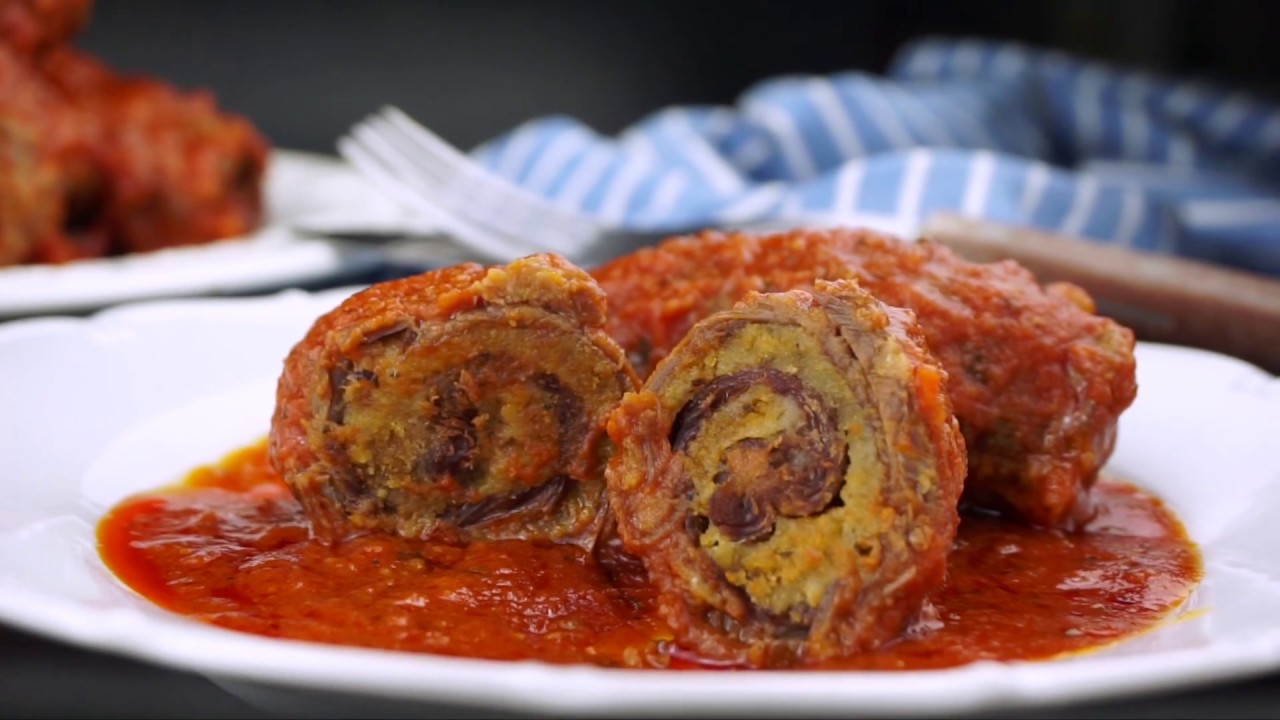
Italian Braciole Recipe: Few dishes scream Italian comfort food like braciole—tender beef rolls filled with a savory breadcrumb and cheese mixture, simmered in a rich tomato sauce until melt-in-your-mouth delicious.
This hearty, old-world classic brings the taste of Southern Italy straight to your table. Whether you’re preparing Sunday dinner or celebrating a special occasion, this braciole recipe is the perfect centerpiece.
Let’s dive into the world of braciole with this step-by-step, foolproof guide that’s packed with helpful tips and expert insight.
What is Braciole? A Taste of Southern Italy
Braciole (pronounced brah-zho-lay or brah-choh-lay depending on the region) is a traditional Italian dish made by stuffing thin slices of beef, rolling them up, and simmering them in tomato sauce. It’s rustic, hearty, and bursting with flavor—every bite delivers a balance of seasoned meat, cheesy breadcrumb filling, and savory sauce.
You’ll often see braciole served in Italian-American households, especially during the holidays or as part of a big family dinner. What sets braciole apart from other stuffed meat dishes is the love and care that goes into making it. It’s more than just a recipe—it’s a connection to generations of Italian culinary tradition.
The Origin and Cultural Significance of Braciole
Braciole traces its roots back to Southern Italy, particularly regions like Naples, Sicily, and Calabria. Originally, it was a way to make tougher cuts of meat more enjoyable by stuffing and braising them. Over time, it evolved from a peasant dish to a beloved staple at Italian family gatherings.
In Italian-American culture, braciole holds a special place. It’s often featured in “Sunday Gravy,” a slow-cooked tomato sauce filled with various meats like sausage, meatballs, and pork neck bones. Braciole isn’t just food—it’s tradition, family, and love wrapped in beef and simmered to perfection.
Why You’ll Love This Recipe
- Rich and hearty: Perfect for cold nights or family feasts.
- Customizable: Use your favorite fillings, meats, or even go vegetarian.
- Make-ahead friendly: Prepares beautifully in advance.
- Freezer-friendly: Make a batch and save some for later.
- Unbelievably delicious: Tender beef, savory filling, rich sauce—what’s not to love?
List of Ingredients You’ll Need
Before we dive into the steps, let’s gather everything you’ll need to make authentic Italian braciole at home.
For the Braciole Filling
- 1 cup Italian-style breadcrumbs
- 1/2 cup grated Pecorino Romano or Parmesan cheese
- 2 cloves garlic, minced
- 1/4 cup fresh parsley, chopped
- Salt and black pepper, to taste
- 2 tablespoons olive oil
- Optional: pine nuts and raisins (for Sicilian variation)
For the Beef Rolls
- 6 thin slices of top round beef or flank steak (about 1/4 inch thick)
- Kitchen twine or toothpicks
- Salt and pepper, for seasoning
For the Sauce
- 2 tablespoons olive oil
- 1 onion, finely chopped
- 3-4 cloves garlic, minced
- 1/2 cup dry red wine
- 1 (28-ounce) can crushed San Marzano tomatoes
- 1 (14-ounce) can tomato sauce
- 1 tablespoon tomato paste
- 1 teaspoon dried oregano
- 1 teaspoon dried basil
- Salt and pepper to taste
- Fresh basil leaves (optional)
Choosing the Right Cut of Meat
The key to perfect braciole lies in selecting the right beef. You want a cut that’s thin enough to roll but hearty enough to hold up during long simmering. Traditionally, top round is the go-to cut, but you can also use flank steak, sirloin, or bottom round.
Ask your butcher to slice the beef thinly for braciole—about 1/4 inch thick. If it’s too thick, you can tenderize it at home (more on that next). If you’re unsure which cut to pick, go with top round—it’s lean, flavorful, and easy to work with.
How to Properly Tenderize the Beef
Even if you’ve got a good cut, pounding the beef thin ensures tenderness and helps the meat cook evenly. Place each slice between two sheets of plastic wrap or parchment paper, then use a meat mallet or rolling pin to gently pound it to about 1/8 inch thick.
Be careful not to tear the meat—you want it thin but intact. This also helps the roll stay together when stuffed and simmered.
Step-by-Step Guide to Making Italian Braciole
Step 1: Prepare the Filling
In a medium bowl, combine breadcrumbs, grated cheese, chopped parsley, garlic, salt, and pepper. Drizzle in olive oil and mix until the texture is crumbly but moist. This mixture should easily press into the beef slices without falling apart.
Want to go Sicilian-style? Add a tablespoon of raisins and a teaspoon of toasted pine nuts for a sweet-savory twist.
Step 2: Pound and Flatten the Meat
Place each slice of beef between parchment paper and gently pound it until it’s about 1/8 inch thick. This helps ensure the meat cooks evenly and becomes fork-tender. Season both sides lightly with salt and pepper.
Step 3: Assemble and Roll
Spoon a layer of filling over each beef slice, leaving about a half-inch border around the edges. Gently press it in, then roll the beef up tightly like a jelly roll. Start from the narrow end and roll toward the wider edge.
Step 4: Secure with Kitchen Twine or Toothpicks
Tie each roll with kitchen twine in two to three places or secure with toothpicks. This step is crucial—if you skip it, the braciole may unravel during cooking.
Step 5: Sear the Braciole
Heat olive oil in a large Dutch oven or heavy-bottomed pot. Brown the beef rolls on all sides, working in batches if needed. This step locks in flavor and gives the meat a beautiful crust. Once browned, remove and set aside.
Step 6: Simmer in Tomato Sauce
In the same pot, sauté chopped onion and garlic until translucent. Pour in red wine to deglaze the pot, scraping up browned bits. Stir in crushed tomatoes, tomato sauce, tomato paste, and seasonings. Bring to a simmer, then add the braciole back in.
Cover and simmer on low heat for 2 to 2.5 hours, turning occasionally. The longer it cooks, the more tender it becomes.
Tips for a Flavorful Tomato Sauce
The sauce makes or breaks your braciole. While the meat adds a ton of flavor as it simmers, building a well-seasoned sauce from the start will take your dish to the next level. Here are a few pro tips:
- Use quality tomatoes – San Marzano tomatoes are a favorite for a reason: they’re sweet, low-acid, and full of flavor.
- Don’t rush the onions and garlic – Let them cook until translucent and fragrant. This creates a rich flavor base.
- Deglaze with wine – Red wine not only lifts all those browned bits from the bottom of the pot, but it also adds depth.
- Simmer slowly – Low and slow is the key. Braciole becomes tender and the sauce thickens beautifully over time.
- Taste and adjust – Don’t forget to taste your sauce halfway through cooking. You may want to add more salt, a pinch of sugar, or even a splash of balsamic vinegar for extra zing.
Add a handful of fresh basil leaves at the end for a fresh, aromatic finish that lifts the whole dish.
How Long to Cook Braciole for Maximum Tenderness
Braciole isn’t a quick-cook meal—it’s a labor of love. But trust me, the results are more than worth it.
- Simmering Time: 2 to 2.5 hours on low heat, covered.
- Oven Method: Bake at 325°F (165°C) for about 2 to 2.5 hours in a Dutch oven.
- Slow Cooker: Set on low for 6–7 hours.
The meat should be fork-tender, and the sauce should be rich and slightly thickened. If your meat isn’t tender after 2 hours, give it a little more time. Every cut cooks a little differently.
Stovetop vs Oven-Baked Braciole: Which is Better?
Both methods work beautifully, but each has its pros:
Stovetop
- Great for adjusting the sauce as it cooks.
- Easier to stir and check on the braciole.
- Traditional method, especially for Sunday gravy.
Oven-Baked
- More hands-off; great if you’re multitasking.
- Even heat surrounds the pot, giving a consistent simmer.
- Less likely to stick or burn on the bottom.
Pro Tip: No matter which method you choose, make sure your pot has a tight-fitting lid to trap moisture and keep your braciole tender.
Serving Suggestions: What Goes Well With Braciole?
Braciole is a showstopper on its own, but pairing it with the right sides can turn your dinner into an unforgettable Italian feast. Here are some favorites:
- Pasta: Serve with rigatoni, spaghetti, or pappardelle. Spoon the sauce over the pasta and place a braciole on top.
- Polenta: Creamy polenta is a traditional and comforting pairing.
- Garlic bread: Perfect for soaking up the rich tomato sauce.
- Steamed veggies: Broccoli, green beans, or sautéed spinach help balance the richness.
- Salad: A crisp arugula or Caesar salad adds freshness.
Finish with a glass of red wine (Chianti or Barbera pairs wonderfully) and maybe a classic tiramisu for dessert!
How to Store and Reheat Leftover Braciole
If you’re lucky enough to have leftovers, braciole makes a phenomenal second-day meal. In fact, some say it tastes even better the next day.
Storing
- Refrigerator: Store in an airtight container with sauce for up to 4 days.
- Freezer: Freeze in sauce for up to 3 months. Use freezer-safe containers or bags.
Reheating
- Stovetop: Simmer gently in sauce until heated through.
- Microwave: Use medium heat and cover to prevent drying out.
- Oven: Reheat at 300°F (150°C) in a covered dish for 20–25 minutes.
Always reheat with sauce to keep the meat moist and flavorful.
Common Mistakes to Avoid
Even seasoned cooks can make a few missteps when preparing braciole. Here’s what to watch out for:
- Using the wrong cut of meat – Avoid fatty or thick cuts. Stick with lean, thin slices that cook tenderly.
- Skipping the pounding step – Flattening the meat is essential for tenderness and even cooking.
- Overstuffing the rolls – Too much filling makes them hard to roll and may cause them to burst.
- Forgetting to secure the rolls – Loose braciole will unravel during cooking. Use twine or toothpicks.
- Cooking too fast – Rushing the simmering process results in tough meat. Patience is key.
- Not browning the rolls first – Searing adds flavor and improves texture.
- Using bland sauce – Remember, the sauce flavors the meat. Season well and taste as you go.
Authentic Italian Variations of Braciole
Like many traditional dishes, braciole comes in many regional varieties. Here are a few you might want to try:
Sicilian Braciole
- Adds raisins and pine nuts to the filling for a sweet-savory contrast.
Neapolitan Braciole
- Often includes hard-boiled eggs and cured meats like prosciutto inside the roll.
Veal or Pork Braciole
- Substitute beef with veal or pork for a different texture and flavor.
Chicken Braciole
- A lighter version using pounded chicken breast instead of beef.
Vegetarian Braciole
- Use eggplant slices or plant-based meat alternatives, with a veggie-packed stuffing.
Each variation has its charm, so don’t be afraid to experiment and find your favorite version.
FAQs about Italian Braciole Recipe
Q1: Can I make braciole ahead of time?
Yes! You can prep the rolls and sauce a day ahead. Store them in the fridge and cook the next day for ultimate flavor.
Q2: Can I cook braciole in a slow cooker?
Absolutely. Brown the rolls first, then cook on low with sauce for 6–7 hours.
Q3: What wine pairs best with braciole?
Go for a bold red like Chianti, Sangiovese, or Barbera to complement the rich tomato sauce and beef.
Q4: Can I freeze uncooked braciole?
Yes, freeze the rolled and tied braciole without sauce. Thaw overnight before cooking as directed.
Q5: How do I make the sauce thicker?
Remove the lid during the last 30 minutes of cooking to let it reduce, or stir in a tablespoon of tomato paste.
Conclusion
Italian braciole isn’t just a meal—it’s a celebration of tradition, family, and bold flavors that make Italian cuisine so beloved. With its tender meat, rich filling, and slow-simmered tomato sauce, it’s the kind of dish that turns an ordinary dinner into something truly memorable. Whether you’re cooking for a crowd or just want to treat yourself to an authentic Italian classic, this braciole recipe is a must-try.
Roll it, simmer it, and enjoy every delicious bite.