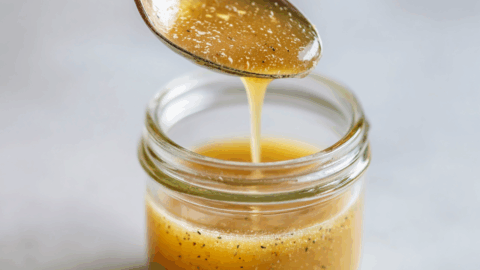
Lime Vinaigrette Recipe: Making your own salad dressing is one of the easiest ways to elevate your meals. And when it comes to flavor, few dressings can compete with the tangy, fresh burst of a homemade lime vinaigrette. It’s zesty, vibrant, and adds just the right amount of acidity to everything from leafy greens to grilled meats. Whether you’re looking to clean up your diet or simply add more flavor to your food, this recipe is a go-to winner.
Let’s be honest: store-bought dressings often have hidden sugars, preservatives, and oils that don’t do your health any favors. By making your own vinaigrette at home, you know exactly what’s going into it — and it tastes so much better, too. Plus, you can tweak it to your liking. Want it a bit sweeter? Add honey. Want a little heat? Toss in some chili flakes. This recipe is your blank canvas.
In this guide, you’ll get a full breakdown of the ingredients, step-by-step instructions, expert tips, storage ideas, and some mouth-watering ways to use your new favorite dressing. Let’s dive into the zingy world of lime vinaigrette!
Health Benefits of Lime Vinaigrette
Before we get into how to make it, let’s talk about why you should be making it. Lime vinaigrette isn’t just a flavor bomb—it’s packed with health benefits, too.
Lime juice is high in vitamin C, which supports your immune system and helps your body absorb iron better. It’s also an antioxidant, meaning it helps combat free radicals that contribute to aging and disease.
Olive oil, especially extra virgin olive oil, is loaded with monounsaturated fats—heart-healthy fats that can reduce inflammation and lower the risk of chronic illnesses. It also helps you absorb fat-soluble vitamins from your salad, like A, D, E, and K.
And if you add ingredients like garlic or honey, you’re getting even more health perks—from antimicrobial properties to natural energy boosters. Best of all? You’re avoiding the sugar, artificial colors, and stabilizers found in store-bought dressings.
So yes, lime vinaigrette tastes amazing—but it’s also doing your body a lot of good.
List of Ingredients You’ll Need
Here’s what you need to create a zesty lime vinaigrette at home. These ingredients are simple, fresh, and probably already in your kitchen.
Fresh Ingredients:
- Fresh lime juice – 2 tablespoons (about 1–2 limes)
- Garlic – 1 clove, minced (optional, but adds depth)
- Fresh herbs (like cilantro, parsley, or mint) – optional for extra flavor
Pantry Staples:
- Extra virgin olive oil – 1/3 cup
- Honey or maple syrup – 1 teaspoon (balances the acidity)
- Dijon mustard – 1 teaspoon (for texture and slight tang)
- Salt – to taste
- Black pepper – to taste
These basic ingredients will give you a fresh, balanced dressing. From here, you can mix and match to create your own variation.
Essential Tools Required
You don’t need fancy kitchen gadgets to whip up this dressing, but having the right tools will definitely make your life easier.
Must-Have Tools:
- Citrus juicer – to extract maximum juice from the lime
- Small whisk or fork – for blending ingredients
- Mixing bowl or jar – to mix and store the vinaigrette
- Measuring spoons – to keep proportions on point
Nice-to-Have Tools:
- Mini food processor or blender – if you want a super smooth finish
- Garlic press – for mincing garlic in seconds
- Salad dressing shaker – for easy shake-and-serve prep
With just a few minutes and a handful of tools, you’re all set.
Step-by-Step Guide to Making Lime Vinaigrette
Let’s get to the fun part—making the vinaigrette! This process is super simple and only takes about 5 minutes from start to finish.
Step 1: Gather Ingredients
Lay out everything you need on the counter. This includes all your fresh and pantry ingredients plus any optional add-ins. It’s way easier to mix when everything’s ready to go.
Step 2: Squeeze the Lime Juice
Use a citrus juicer or just your hands to squeeze the juice from your limes into a small bowl or jar. Strain out seeds if needed. Fresh juice is key to that bold, bright flavor.
Step 3: Mix the Ingredients
Add your lime juice, garlic (if using), Dijon mustard, honey, salt, and pepper into the bowl. Stir or whisk them together until combined. These are your “wet” and “dry” elements, and this step helps them bind.
Step 4: Whisk or Shake Until Emulsified
Slowly drizzle in the olive oil while whisking continuously, or add it all and shake in a tightly sealed jar. This helps emulsify the dressing, creating a creamy texture that won’t separate right away.
Step 5: Taste and Adjust
Here’s where the magic happens. Taste your vinaigrette. Is it too tart? Add a bit more honey. Too oily? Add more lime juice. Needs more punch? Try an extra pinch of salt or splash of vinegar. Trust your taste buds—they know what they’re doing.
Pro Tips for the Perfect Lime Vinaigrette
Want to take your lime vinaigrette from good to gourmet? These pro tips will help you get that just-right flavor and texture every time.
1. Use the Right Limes
Always go for fresh limes—never bottled lime juice. Bottled versions often have preservatives and a dull flavor. When choosing limes, look for ones that are soft, heavy for their size, and have smooth skin. These usually yield the most juice and flavor. If you want even more zing, add a little lime zest into the mix—it adds a citrusy punch without the acidity.
2. Balance the Acidity
Lime juice is very acidic. To balance it out, always include a bit of sweetness—honey, maple syrup, or agave syrup work wonders. If you’re after a more savory or tangy version, you can skip the sweetener and add more mustard or even a splash of apple cider vinegar. The goal? Achieve that classic vinaigrette ratio: 3 parts oil to 1 part acid, but don’t be afraid to bend the rules if your taste buds prefer more bite.
3. Emulsify Like a Pro
To avoid separation, make sure you emulsify the oil with the acid properly. A steady whisk while drizzling in the oil helps lock everything together. If you’re feeling fancy, you can use a blender or immersion blender—just blend on low for a few seconds and watch the magic happen. Want an ultra-creamy texture? Add half an avocado or a small scoop of Greek yogurt.
4. Season Smart
Don’t underestimate the power of seasoning. A pinch of sea salt brings out the lime’s natural brightness, and freshly cracked black pepper adds depth. Want heat? Add a dash of red pepper flakes, chili powder, or a tiny piece of minced jalapeño.
5. Let It Sit
Like a good soup or chili, vinaigrette gets better with a little time. Let it sit for 10–15 minutes before serving. This helps all the flavors meld together beautifully.
Flavor Variations to Try
Once you’ve mastered the basic lime vinaigrette, you can start experimenting. This base recipe is super flexible, so here are a few fun ways to mix things up:
1. Spicy Lime Vinaigrette
Craving heat? Add:
- 1/2 teaspoon red pepper flakes
- 1/4 teaspoon cayenne pepper or hot sauce
- Minced jalapeño (for a bold kick)
This variation is perfect for taco salads or grilled chicken bowls.
2. Honey Lime Vinaigrette
This one’s a little sweeter and kid-friendly. Just increase the honey to 1–1.5 tablespoons. It goes great with fruit salads or spinach and goat cheese combos.
3. Cilantro Lime Vinaigrette
Love fresh herbs? Toss in:
- 1/4 cup chopped fresh cilantro
- 1 green onion or small shallot
- Blend for a smoother, herbaceous sauce
Try this with fish tacos, shrimp bowls, or roasted vegetables.
4. Creamy Lime Vinaigrette
For a richer mouthfeel, blend in:
- 2 tablespoons plain Greek yogurt or mayo
- 1 teaspoon lime zest
It’s creamy without being heavy—and fantastic over grilled corn or quinoa salads.
Common Mistakes to Avoid
Even though lime vinaigrette is easy to make, there are a few pitfalls to steer clear of if you want that perfect balance.
1. Using Bottled Lime Juice
It might seem convenient, but bottled juice lacks the vibrant freshness that makes this dressing shine. Always use fresh limes—it’s worth the squeeze.
2. Overdoing the Acid
Too much lime juice can make the dressing harsh and overly sour. Remember that 3:1 oil-to-acid ratio, and don’t be afraid to add sweetness or creamy ingredients to mellow things out.
3. Not Whisking Enough
If you don’t properly emulsify the vinaigrette, it’ll separate quickly and coat your salad unevenly. Whisk well, or shake the jar like you mean it.
4. Skimping on Seasoning
Salt is your friend here—it enhances the lime flavor. A pinch of garlic or herbs also elevates the whole thing.
5. Storing in the Wrong Container
Don’t use plastic containers that can hold onto odors or flavors. Always store in glass jars or bottles for freshness and purity.
How to Store and Preserve
Homemade dressings don’t last forever, but with the right techniques, your lime vinaigrette can stay fresh and flavorful for days.
Best Containers for Storage
Use a glass jar with a tight-fitting lid (like a Mason jar) or a salad dressing bottle with a pour spout. These prevent odors from seeping in and make it easy to shake before each use.
Refrigeration
Lime vinaigrette can be stored in the fridge for up to 7–10 days. Just give it a good shake before each use, as natural separation will occur.
Freezing? Not Recommended
Because of the oil and acid content, lime vinaigrette doesn’t freeze well. It’s best made fresh or in small batches.
Pro Tip: If your vinaigrette solidifies in the fridge (olive oil can thicken when cold), just leave it out at room temperature for 5–10 minutes and shake again.
How to Use Lime Vinaigrette
Think it’s just for salad? Think again. Lime vinaigrette is way more versatile than you’d expect.
1. Salad Dressing
Obviously, this is its main gig. Drizzle over:
- Mixed greens
- Spinach and arugula
- Cucumber and tomato salads
- Fruit and feta salads
2. Marinade for Proteins
Lime juice helps tenderize meat, so it’s perfect for:
- Chicken
- Fish (especially tilapia or shrimp)
- Tofu or tempeh
- Steak or skirt steak for fajitas
Let the meat soak in the vinaigrette for 30 minutes to 2 hours, then grill, bake, or sauté.
3. Topping for Bowls
Add a punch of flavor to:
- Rice or quinoa bowls
- Taco bowls
- Grain salads
- Roasted veggie bowls
Drizzle just before serving for best results.
4. Roasted or Grilled Veggies
Toss your favorite veggies (think zucchini, bell peppers, sweet potatoes) in lime vinaigrette right after they come off the grill or out of the oven for a smoky-citrus blast.
Pairing Ideas with Lime Vinaigrette
The beauty of lime vinaigrette lies in its versatility. This zesty dressing complements a wide range of ingredients, transforming even the most basic dishes into flavorful meals. Here are some pairing ideas that bring out the best in your vinaigrette.
Best Salads to Use It With
Lime vinaigrette adds a refreshing punch to almost any salad, but it especially shines in:
- Southwest-style salads with black beans, corn, avocado, and tomatoes
- Tropical fruit salads with mango, pineapple, and greens
- Asian-inspired slaws with cabbage, carrots, and sesame seeds
- Simple mixed greens with cherry tomatoes and cucumber
If your salad needs brightness, this dressing is your go-to.
Protein Options
This vinaigrette acts as a perfect pairing or marinade for:
- Grilled shrimp or prawns
- Roast chicken or turkey slices
- Seared tofu or tempeh
- Pan-fried salmon or white fish
- Hard-boiled or poached eggs
The citrus enhances the flavors while the oil keeps everything moist and savory.
Roasted Veggies and Grains
Want a hearty yet fresh bowl? Drizzle lime vinaigrette over:
- Roasted sweet potatoes, carrots, or Brussels sprouts
- Grilled zucchini, eggplant, or bell peppers
- Warm quinoa or farro bowls
- Chickpea or lentil-based salads
This dressing brings everything together, especially when you want a healthy and satisfying lunch or dinner.
Make-Ahead Tips
Want to meal-prep like a pro? Lime vinaigrette is ideal for prepping ahead of time. Here’s how you can stay one step ahead in the kitchen:
1. Batch-Make Your Dressing
Double or triple the recipe and store it in a sealed glass container in the fridge. It’ll last up to 10 days and save you so much time during busy weekdays. Make sure to shake well before each use, especially after refrigeration.
2. Store in Portion Sizes
Divide the dressing into small jars or containers for individual servings. This works great for packed lunches or salad meal-prep containers. You won’t have to worry about carrying around a big jar.
3. Prep Ingredients Ahead
Keep your limes, garlic, and herbs chopped and ready in the fridge. That way, whipping up a fresh batch takes just a couple of minutes.
4. Avoid Adding Fresh Herbs Too Early
If you’re adding fresh herbs, do it just before serving or within a day or two of making the dressing. Herbs tend to lose their brightness or become soggy over time in acidic liquids.
Is Lime Vinaigrette Vegan and Gluten-Free?
Yes, absolutely! Lime vinaigrette is naturally vegan and gluten-free, which makes it a safe and inclusive option for most dietary needs. But here’s what you should watch for:
Vegan Notes:
Make sure your sweetener is plant-based. Use:
- Maple syrup
- Agave nectar
- Or vegan-certified sugar
Some processed honey may not be considered vegan depending on personal ethics.
Gluten-Free Notes:
All the ingredients in the base recipe are gluten-free, including:
- Olive oil
- Lime juice
- Mustard
- Herbs and spices
However, always double-check condiment labels—some brands sneak in additives or wheat-based thickeners, especially in mustard. Stick to certified gluten-free brands to be sure.
FAQs about Lime Vinaigrette Recipe
1. Can I use lemon instead of lime?
Yes! While lime gives a tangier, sharper edge, lemon can work just as well in the same proportions. It offers a slightly softer acidity and is often easier to find.
2. What oil can I use besides olive oil?
You can substitute olive oil with:
- Avocado oil (neutral, healthy, and smooth)
- Grapeseed oil (light and good for emulsification)
- Sunflower oil (mild flavor)
Avoid heavily flavored oils like coconut or sesame unless you want a very specific taste.
3. How long does lime vinaigrette last in the fridge?
Homemade lime vinaigrette lasts 7–10 days when stored in a sealed container in the fridge. Always smell and taste before using if it’s been a while.
4. My vinaigrette separated—what should I do?
Totally normal! Just shake it up or whisk again before using. If you want it to stay emulsified longer, try adding a touch more mustard or blending it with a tiny piece of avocado.
5. Can I freeze lime vinaigrette?
It’s not recommended. The oil can solidify and the texture will change. It’s best to make fresh or in small batches you’ll use within a week.
Conclusion
And there you have it—your ultimate guide to making the perfect lime vinaigrette. It’s easy, healthy, incredibly flavorful, and totally customizable. Once you try homemade, you’ll never go back to store-bought again. Whether you’re dressing a fresh salad, marinating your favorite proteins, or adding zest to a veggie bowl, this vinaigrette brings a refreshing kick every time.
Making it at home not only puts you in control of the ingredients but also opens up a world of creativity in the kitchen. Add herbs, adjust the tang, toss in heat or sweetness—there are endless ways to make it your own.
Next time you’ve got a lime or two sitting on the counter, don’t let them go to waste—whip up this game-changing dressing and make your meals unforgettable.