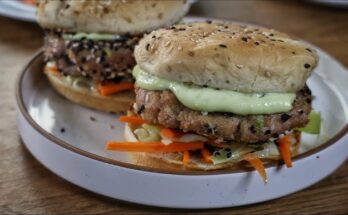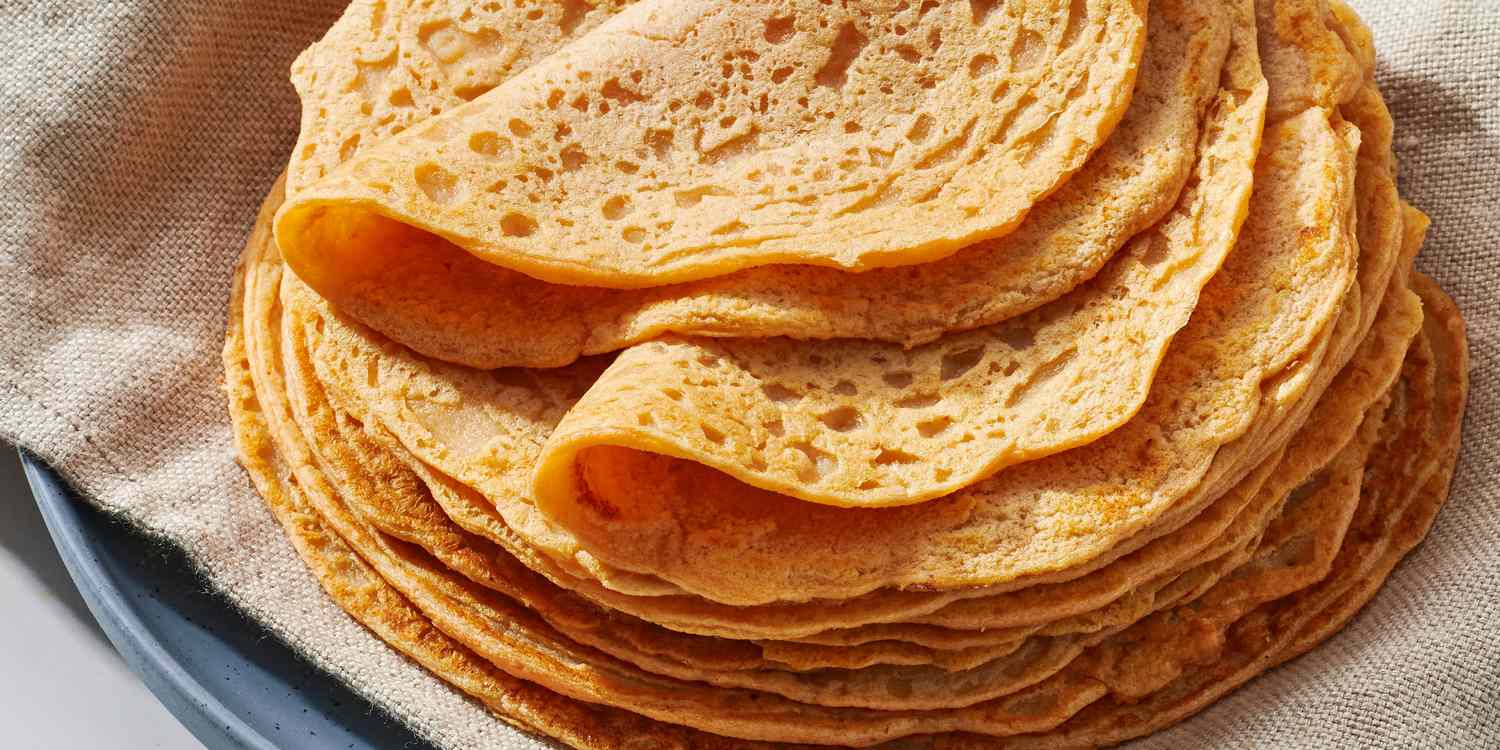
Lentil Flatbread Recipe: If you’re on the hunt for a healthy, high-protein, and gluten-free alternative to traditional flatbread, you’ve just hit the jackpot. Lentil flatbread isn’t just easy to make—it’s downright addictive once you get the hang of it.
Whether you’re eating clean, avoiding gluten, or just trying to add more legumes into your life, this lentil flatbread recipe checks all the boxes. It’s crisp on the outside, tender inside, and versatile enough for breakfast, lunch, or dinner.
Ready to dive into this kitchen game-changer?
Why You’ll Love This Recipe
Let’s be real. Most of us don’t have time to knead dough, let it rise, roll it out, and then cook it. That’s the magic of lentil flatbread—it’s unbelievably low effort but yields high-reward results. Plus:
- No fancy ingredients required. Just lentils, water, and your favorite spices.
- It’s naturally gluten-free, so great for celiacs or anyone avoiding wheat.
- It’s budget-friendly—a bag of lentils can go a long way.
- You can make the batter in under 10 minutes.
- It’s customizable: spice it up, make it savory, or even a little sweet!
If you’ve got picky eaters or dietary restrictions in your home, this flatbread is a hero meal.
What is Lentil Flatbread?
Lentil flatbread is exactly what it sounds like—a flatbread made from lentils instead of wheat flour. The texture lands somewhere between a crepe and a pancake, depending on how thick your batter is. But the key difference? It’s 100% grain-free, packed with protein, and ridiculously simple.
Traditionally, different cultures have similar versions of lentil-based flatbreads. Indian dosa or Ethiopian injera use lentils or legumes as the base. This version is simplified for a Western kitchen but still rooted in those nutrient-dense traditions.
Whether you’re using red lentils, green, or even black, each variation brings its own flavor twist to the table. Once cooked, the flatbread is flexible enough to roll like a wrap or fold like a taco—and firm enough to hold hearty fillings.
Health Benefits of Lentil Flatbread
High in Plant-Based Protein
Lentils are one of the best sources of plant protein. One cup of cooked lentils offers about 18 grams of protein—great for anyone on a vegetarian or vegan diet. Making flatbread from lentils means you’re getting a protein-rich bread alternative that will keep you full longer and help with muscle repair and energy.
Naturally Gluten-Free
No gluten, no problem. Unlike most bread options, lentil flatbread skips the wheat entirely. That means it’s safe for folks with celiac disease or gluten intolerance and still tastes amazing. It’s also free from most allergens like soy and nuts, making it perfect for school lunches and shared meals.
Rich in Fiber
Lentils are fiber powerhouses. Each serving of lentil flatbread contributes to your daily fiber needs, which helps with digestion, blood sugar regulation, and cholesterol control. Plus, fiber keeps you feeling satisfied—no need for mid-afternoon snacking!
Ingredients You’ll Need
To keep it simple, here’s your basic grocery list for the lentil flatbread recipe:
- 1 cup dried lentils (red lentils recommended for quick soaking)
- 1 cup water
- ½ tsp salt
- ½ tsp garlic powder (optional)
- ½ tsp cumin or smoked paprika (optional)
- 1 tbsp olive oil (for cooking)
Want to change things up? You can get creative with:
- Fresh herbs like cilantro, parsley, or dill
- Grated veggies like zucchini or carrot
- Chili flakes for a kick of heat
- Nutritional yeast for a cheesy flavor
Types of Lentils You Can Use
Not all lentils are created equal, especially for this flatbread recipe.
- Red Lentils (Masoor Dal) – Fastest soaking and easiest to blend. They make a smooth, creamy batter.
- Yellow Lentils – Similar to red, with a mild flavor.
- Green/Brown Lentils – Firmer and earthier; need longer soaking and blending.
- Black Lentils (Beluga) – Hearty and dense, they create a chewier flatbread.
Red lentils are your best bet for a light and flexible flatbread, but don’t be afraid to experiment!
Optional Add-Ins
Want to personalize your flatbread? Here are some tasty additions:
- Spices: Turmeric, curry powder, chili powder
- Sweeteners: A touch of honey or maple syrup for a breakfast version
- Seeds: Sesame, chia, or flax seeds for texture
- Veggies: Onions, spinach, bell peppers finely chopped into the batter
Kitchen Tools Required
You won’t need much to whip up this recipe:
- Blender or food processor
- Mixing bowl
- Measuring cups & spoons
- Non-stick skillet or frying pan
- Spatula
If you want to get fancy, a cast-iron pan will give your flatbreads a crisp, golden finish.
How to Prep Lentils for Flatbread
Soaking Lentils Properly
Soaking is essential. It softens the lentils and makes them easier to blend and digest. Here’s how:
- Rinse 1 cup of lentils under cold water.
- Place them in a bowl with 2–3 cups of water.
- Soak for at least 4 hours, or overnight for best results.
- Drain and rinse once more before blending.
Do You Need to Cook the Lentils?
Nope! That’s the beauty of it. Soaked lentils go straight into the blender—no cooking needed. They’ll cook when you cook the flatbread on the skillet.
Step-by-Step Guide to Making Lentil Flatbread
Let’s walk through the process like we’re cooking side-by-side. It’s that simple.
Step 1: Soak the Lentils
We already covered this, but it’s worth repeating—soak those lentils for at least 4 hours. This makes blending a breeze and gives you the smooth batter you need.
Step 2: Blend into Batter
After draining the soaked lentils, toss them into a blender along with:
- 1 cup of water
- Salt and any desired spices
Blend on high until the mixture is super smooth and creamy—like a pancake batter. If it feels too thick, add a splash of water. If it’s too runny, a few tablespoons of oats can help thicken it.
Step 3: Season the Batter
Now’s the fun part. Add garlic powder, herbs, or any optional mix-ins you like. Taste the batter before cooking—yes, you can!
Step 4: Cook on a Skillet or Pan
Heat a non-stick skillet over medium heat and add a light drizzle of olive oil.
- Pour about ¼ cup of batter into the pan.
- Swirl or spread it out gently into a circle.
- Let it cook for 2–3 minutes on one side until the edges start to lift.
Step 5: Flip & Finish
Carefully flip with a spatula and cook the other side for another 2–3 minutes. You’re looking for golden spots and a slightly crispy surface. Once done, place on a wire rack or plate and repeat.
Tips for the Perfect Lentil Flatbread
Let’s be honest—every recipe has a few tricks that make all the difference. If you want your lentil flatbread to turn out like a pro made it, these tips will help:
- Blend longer than you think – A super smooth batter is key. Tiny lentil bits can make your flatbread gritty. Let the blender run for a full minute or two.
- Use a non-stick or well-seasoned skillet – Lentils are naturally sticky when raw. A sticky pan equals a broken flatbread, so prep your skillet properly.
- Don’t rush the flip – If you try flipping too early, you’ll tear the bread. Wait until the edges lift and the top starts to look dry.
- Play with the thickness – Want a crepe-like wrap? Use more water for a thinner batter. Want something more like naan or pita? Keep it thicker.
- Add oil to the batter – If your pan tends to stick, adding a teaspoon of olive oil to the batter itself can help keep it from sticking.
Best Ways to Serve Lentil Flatbread
Now that you’ve made your golden, flexible, protein-packed flatbreads, what should you do with them? Honestly, the options are endless. Here are some ways to serve them up:
- As a wrap – Fill it with hummus, roasted veggies, and greens for a quick lunch.
- Pizza base – Toast the flatbread, add sauce and toppings, and broil for 5 minutes.
- Side with curries or stews – Perfect for scooping and soaking up flavorful sauces.
- Breakfast base – Top with avocado, eggs, or nut butter and banana.
- Snack chips – Slice into triangles, bake until crisp, and dip into salsa or guac.
This flatbread is like the Swiss Army knife of healthy cooking—multi-purpose and always useful.
Topping & Filling Ideas
Need some inspiration? Here are some ideas to jazz up your flatbread experience:
Savory Toppings
- Avocado, cherry tomatoes, and chili flakes
- Vegan tzatziki, cucumbers, olives, and red onion
- Sautéed mushrooms, garlic, and herbs
- Chickpeas and tahini drizzle
- Scrambled tofu or eggs with spinach
Sweet Toppings
- Almond butter, banana slices, and cinnamon
- Greek yogurt, berries, and a drizzle of honey
- Mashed dates and crushed nuts
- Coconut yogurt and mango slices
Wrap Fillings
- Roasted cauliflower and hummus
- Lentil falafel, pickled onions, and greens
- Grilled chicken or tofu, tahini sauce, and slaw
How to Store & Reheat
One of the best parts about this recipe? It stores really well, so you can meal prep a batch and enjoy them all week.
- Store in fridge: Let flatbreads cool completely, then stack with parchment paper between each and store in an airtight container. Keeps well for up to 5 days.
- Reheat: Simply warm them in a skillet for a few seconds per side. You can also microwave for 15-20 seconds, but pan-heating brings back the best texture.
Want to prep ahead for busier weeks? Check this next section…
Can You Freeze Lentil Flatbread?
Absolutely! These freeze like a dream. Here’s how:
- Cool flatbreads completely.
- Stack with parchment paper between each to prevent sticking.
- Wrap the stack in plastic wrap or foil.
- Place in a freezer-safe bag or container.
To reheat: Remove one flatbread at a time and toast it in a skillet or warm in the oven at 350°F (175°C) for about 5-7 minutes. It’ll taste just like fresh!
This makes it perfect for quick meals on busy days—just grab, heat, and eat.
Common Mistakes to Avoid
We’ve all been there—excitement meets disaster in the kitchen. Avoid these pitfalls for flatbread success:
- Skipping the soak: Unsoaked lentils won’t blend properly, and the texture will be gritty.
- Using old lentils: Older lentils may not soften well and can affect the flavor.
- Overloading with mix-ins: Too many veggies or seeds in the batter can make the flatbread fall apart.
- Flipping too soon: Be patient! Let the first side cook thoroughly before flipping.
- Skipping seasoning: Plain batter can taste a little bland—don’t be afraid to spice things up.
FAQs about Lentil Flatbread Recipe
1. Can I make this recipe without soaking the lentils?
Soaking is highly recommended. It softens the lentils for blending and improves digestion. Skipping this step may result in a gritty, uneven texture.
2. What if I don’t have a blender?
You can use a food processor, but the batter may not be as smooth. For best results, a high-speed blender is ideal.
3. Can I bake this flatbread instead of cooking it on a skillet?
Yes, you can! Spread the batter thinly on parchment paper and bake at 375°F (190°C) for 12–15 minutes until golden and crisp around the edges.
4. Is this recipe suitable for a vegan or plant-based diet?
Absolutely. It’s naturally vegan, dairy-free, egg-free, and gluten-free.
5. Can I use canned lentils instead of dried?
Not recommended. Canned lentils are already cooked and too soft for blending into this type of batter. Stick to dried lentils for the best results.
Conclusion
Making lentil flatbread is one of those game-changing discoveries in the kitchen. It’s simple, affordable, and opens the door to so many healthy, delicious meal options. Whether you’re looking for a protein-packed wrap, a gluten-free pizza base, or a flatbread that just makes you feel good, this recipe delivers. With just a few pantry staples and a little blending magic, you’ve got a wholesome, crave-worthy flatbread you’ll want to make again and again.
So go ahead—soak those lentils, fire up that skillet, and get cooking. Once you’ve made this recipe once, you’ll never look at lentils the same way again.