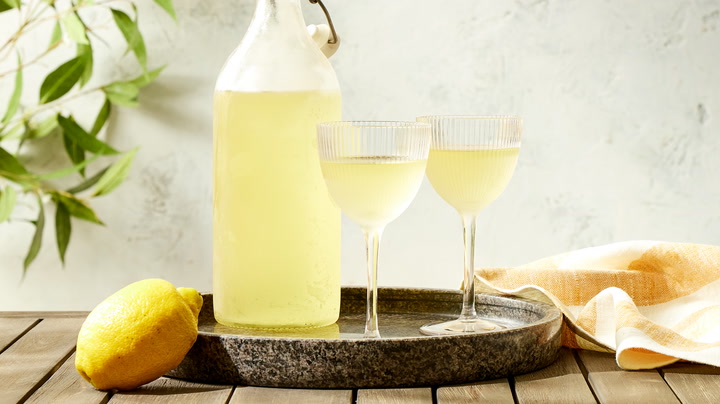
Limoncello Recipe: Limoncello is more than just a drink—it’s a symbol of Italian hospitality, sunshine, and tradition. This bright yellow liqueur hails from Southern Italy, particularly the Amalfi Coast and Sorrento. Made from lemon peels steeped in high-proof alcohol, it’s sweet, citrusy, and strong, usually served cold as a digestive after meals. If you’ve ever tasted limoncello on a hot day, you know it’s like sipping sunshine in a glass.
But don’t be fooled by its simplicity. Great limoncello isn’t just about lemons and booze. The balance of bitterness, sweetness, and clarity in flavor comes from the right process. And once you’ve had a sip of homemade limoncello made with love and patience, store-bought versions just don’t compare.
The best part? You don’t need to live in Italy to enjoy authentic limoncello. You can craft a batch in your own kitchen with a few ingredients and a bit of time. Trust me—it’s easier than you think and incredibly satisfying.
Why Make Limoncello at Home?
You might ask: Why bother making limoncello yourself when you can just buy it? Well, for starters, homemade limoncello gives you total control over the flavor, strength, and sweetness. Want it stronger? Use higher-proof alcohol. Prefer it less sweet? Tweak the syrup ratio. Crave a herbal twist? Add mint or rosemary during infusion.
Beyond customization, making limoncello is a fun and rewarding DIY project. It’s also a thoughtful gift—hand-labeled bottles of golden limoncello make stunning presents during holidays or celebrations. Plus, you’ll impress your friends when you tell them it’s homemade.
Making limoncello is also a great introduction to the world of homemade liqueurs. Once you’ve nailed the process, the same technique can be used for other fruits like oranges, blood oranges, or even coffee beans. So it’s not just about one recipe—it’s about unlocking an entire world of flavor.
And finally, there’s the satisfaction. Watching that bottle of alcohol slowly turn sunshine-yellow from lemon peels over the course of a few weeks? That’s kitchen magic.
List of Ingredients You’ll Need
Let’s get into the essentials. You don’t need a lot to make great limoncello, but every ingredient matters. Here’s what you’ll need:
Lemons
- 10 to 15 organic lemons (depending on size)
- Choose lemons with thick, aromatic peels (no blemishes or wax)
Alcohol
- 750 ml to 1 liter of high-proof alcohol
- 190-proof grain alcohol like Everclear is ideal
- 100-proof vodka is a good alternative
Sugar
- 3 to 4 cups granulated white sugar
- Adjust based on your preferred sweetness
Water
- 4 to 5 cups of filtered or distilled water
- Use clean water to avoid impurities
Optional Additions
- Vanilla bean, rosemary sprigs, mint leaves (for a flavor twist)
- Citrus zest of orange or lime for added complexity
Make sure you choose high-quality ingredients. If you start with good lemons and clean alcohol, you’re already halfway to an excellent final product.
Tools and Equipment Needed
Before diving into the steps, gather your tools. You don’t need fancy equipment, just a few kitchen basics:
- Microplane or vegetable peeler – for peeling the lemons without the bitter white pith
- Large glass jar or mason jar – for infusing the alcohol
- Fine mesh strainer or cheesecloth – for straining the peels
- Measuring cups – for syrup and alcohol measurements
- Saucepan – to make the simple syrup
- Funnel – for easy pouring into bottles
- Glass bottles with lids or corks – to store the final limoncello
- Labels and marker – to date and identify your limoncello batch
Everything should be cleaned and sanitized. You don’t want bacteria or mold spoiling your creation. Trust me—it’s worth the extra effort.
Choosing the Right Lemons
Not all lemons are created equal. Since the lemon peel is the star of the show in limoncello, picking the right kind is key.
Organic vs Non-Organic
Always go organic if you can. Non-organic lemons are often coated in wax and treated with pesticides, which you don’t want steeping in your alcohol. You’re not using the juice—just the zest—so quality of peel matters most.
Best Lemon Varieties
- Eureka and Lisbon lemons are common and work well.
- Meyer lemons are sweeter and more floral, but may lead to a different flavor profile.
- Italian Sorrento lemons (if you can find them) are traditional, with thick, oily peels.
Before peeling, gently scrub each lemon under warm water with a brush to remove any surface dirt or residue. Then dry thoroughly. The better you prep your lemons, the better your limoncello will taste.
Selecting the Perfect Alcohol
Here’s where things get serious. Your choice of alcohol will dramatically affect the final flavor, mouthfeel, and strength of your limoncello.
Vodka vs Everclear
- Everclear (190-proof grain alcohol): Highly recommended. It extracts flavors fast and thoroughly. You’ll need to dilute it more with syrup, but the clarity is unmatched.
- Vodka (100-proof or higher): Easier to find and a bit smoother. Good for a milder version, especially if you’re new to making infusions.
Avoid flavored alcohols or low-proof varieties—they won’t extract the lemon oils effectively.
Alcohol Strength and Its Impact
- Higher proof = stronger extraction, longer shelf life, more intense flavor.
- Lower proof = lighter taste, easier drinking, shorter shelf life.
If you’re unsure, start with a mid-range vodka and work your way up in future batches.
The Science Behind Limoncello Infusion
Ever wonder how a bunch of lemon peels transform clear alcohol into golden, citrusy deliciousness? It’s all about infusion—and it’s pure kitchen science at work.
When you soak lemon peels in alcohol, the strong ethanol pulls out the essential oils locked in the peel’s skin. These oils carry that fresh, zingy, lemon aroma and flavor. The key player here is limonene, a compound found in lemon zest that gives limoncello its signature citrus burst.
The process takes time because you’re relying on passive diffusion—the oils slowly release over days or even weeks. The longer you let it steep (up to 30 days), the more intense and smooth your limoncello will be.
But there’s a fine line. Steep too long, and you might extract bitter compounds from the pith if you weren’t careful while peeling. That’s why getting clean zest—just the yellow part—is crucial.
Temperature also plays a role. Infusing at room temperature works best. Don’t refrigerate or freeze during this step. Just be patient and let the magic happen.
How Long Does It Take to Make Limoncello?
Making limoncello isn’t a quick task—but it’s worth the wait. You’re looking at about 3 to 6 weeks from start to finish. Here’s a rough breakdown:
- Peeling & Infusing: 1 to 4 weeks (2 weeks minimum recommended)
- Straining & Syrup Mixing: 1 day
- Bottling & Aging: 1 to 2 weeks
The longer the lemon peels steep in alcohol, the more flavor you’ll get. Some purists say 40 days is the sweet spot. If you’re in a rush, two weeks will still give you a solid result—but aging it for another week after mixing in the syrup really mellows out the bite and balances the sweetness.
Think of it like aging wine or steeping tea: Time brings out complexity.
Step-by-Step Guide to Making Limoncello
Ready to dive in? Let’s walk through the process step-by-step. Follow these carefully and you’ll have a delicious bottle (or three!) of homemade limoncello in no time.
Step 1: Wash and Peel the Lemons
Thoroughly wash the lemons under warm water to remove any wax or residue, then dry them well. Using a vegetable peeler, remove the lemon peels carefully, avoiding the white pith underneath. The pith is bitter and can affect the final flavor.
Step 2: Infuse the Lemon Peels in Alcohol
Place the lemon peels into a clean glass jar. Pour high-proof neutral alcohol over the peels until they are fully submerged. Seal the jar tightly and store it in a cool, dark place for 7–14 days. Gently shake the jar every day or two to help release the oils from the peels.
Step 3: Strain the Infused Alcohol
Once the infusion is complete, strain the liquid through a fine mesh strainer or cheesecloth to remove all lemon peels. Discard the peels and set the infused alcohol aside. The liquid should be bright yellow and aromatic.
Step 4: Make Simple Syrup
In a saucepan, combine sugar and water. Heat gently, stirring until the sugar fully dissolves. Do not boil. Remove from heat and allow the syrup to cool completely before mixing.
Step 5: Mix Syrup with Infused Alcohol
Slowly pour the cooled simple syrup into the infused alcohol, stirring gently to combine. Adjust the ratio to taste—more syrup creates a sweeter, smoother limoncello.
Step 6: Bottle and Age
Transfer the limoncello into clean glass bottles and seal tightly. Let it rest for at least 2–4 weeks to allow flavors to mellow and blend. Store in the freezer or refrigerator and serve well chilled when ready.
How to Store Limoncello Properly
Limoncello is best stored in the freezer. The high alcohol content prevents it from freezing solid, and it’s traditionally served icy cold. That’s when it’s most refreshing!
If you don’t have freezer space, a dark cabinet or the fridge will work just fine. Just keep it sealed tight and away from heat or light, which can break down the flavor over time.
Properly stored, your homemade limoncello will last up to a year—though most people find it disappears way faster than that!
How to Serve Limoncello
Limoncello isn’t just a drink—it’s an experience. Here’s how to make the most of it:
- Serve it chilled—like, ice cold—straight from the freezer.
- Use small glasses (like shot glasses or cordial glasses).
- Pour small servings, about 1 to 2 ounces per person.
- Sip slowly, don’t shoot! Enjoy the smooth, citrusy flavor as it lingers.
It’s traditionally served as a digestivo (after-dinner drink), but there are no hard rules. It’s great at brunch, on the patio, or as a summer party treat.
Creative Uses for Homemade Limoncello
Sure, limoncello is amazing on its own—but why stop there? This bright, lemony liqueur can be the secret ingredient in a ton of other recipes. Think beyond the glass and start experimenting in the kitchen.
1. Cocktails
Limoncello is a cocktail superstar. Here are a few ideas:
- Limoncello Spritz: Mix limoncello with Prosecco and soda water for a bubbly summer drink.
- Lemon Martini: Shake limoncello with vodka and a splash of lemon juice for a citrusy twist on the classic.
- Limoncello Mojito: Add it to rum, mint, lime, and soda water for a zesty tropical vibe.
It plays well with herbs, fresh fruits, and sparkling mixers. Use it as a base or a flavorful accent.
2. Desserts
Limoncello and desserts? A match made in heaven.
- Limoncello Tiramisu: Swap the coffee and liquor combo for limoncello and lemon curd. Game changer.
- Limoncello Sorbet: Light, tart, and refreshingly boozy.
- Limoncello Cake Glaze: Mix with powdered sugar and drizzle over pound cake or scones.
You can even add a splash to whipped cream, panna cotta, or cheesecake batter for an unexpected lemony lift.
3. Marinades and Glazes
Savory dishes love limoncello, too! Mix it with olive oil, garlic, and herbs to create a citrusy marinade for:
- Chicken
- Shrimp
- Grilled vegetables
Brush it onto grilled fish or roasted pork for a glossy, flavorful glaze. It adds brightness and balance to rich dishes.
Common Mistakes to Avoid
Even a simple recipe like limoncello can go sideways if you’re not careful. Here are the most common pitfalls—and how to dodge them:
1. Using Non-Organic Lemons
Wax and chemicals on non-organic peels can mess with the taste and clarity. Always go organic when you’re using the peel.
2. Including the Pith
The white pith under the zest is bitter. Use a light hand when peeling. If you see white, you’ve gone too deep.
3. Rushing the Infusion
It’s tempting to take a sip after just a few days—but it won’t have that full lemon punch. Let it infuse for at least two weeks.
4. Adding Hot Syrup
Never mix hot syrup into your alcohol. Let it cool to room temperature, or it can create a cloudy, off-tasting final product.
5. Skipping the Final Rest
Even after it’s mixed, limoncello needs time to mellow. That final 1- to 2-week wait is crucial for smooth flavor.
Mistakes happen, but most are fixable. Follow the process with care and your first batch will still impress.
Troubleshooting Tips
Got a batch that didn’t turn out quite right? Don’t toss it yet! Here’s how to troubleshoot common problems:
Cloudy Limoncello
- Could be caused by mixing in syrup that’s still warm.
- Solution: Filter through cheesecloth or coffee filters. It won’t be crystal clear, but it’s still safe to drink.
Too Bitter
- Likely from too much pith in the peel.
- Solution: Balance it with a bit more syrup and let it age longer. Bitterness fades over time.
Too Sweet or Too Strong
- Adjust proportions on your next batch. Every batch is a learning experience!
- For now, dilute with a bit of cold water or lemon juice when serving.
Is Homemade Limoncello Safe?
Yes—if you use clean, food-safe ingredients and sterilized tools, homemade limoncello is totally safe to consume. Here’s how to keep it that way:
- Use high-proof alcohol: It helps extract flavor and acts as a natural preservative.
- Keep everything clean: Sanitize jars, bottles, and tools.
- Store it properly: In a cool, dark place or freezer.
Alcohol content over 25% ABV keeps it shelf-stable for months. Just don’t forget to label your bottles with the date so you can keep track.
Limoncello Variations and Flavor Twists
Want to take things to the next level? Try these creative spins on the classic limoncello recipe:
1. Creamy Limoncello (Crema di Limoncello)
Add whole milk or cream to the syrup to create a rich, velvety version that tastes like lemon ice cream. Keep it in the fridge (not freezer).
2. Orange or Lime-cello
Use orange or lime peels—or a mix—for a new flavor profile. Blood orange peels create a beautiful color and sweet taste.
3. Herbal Limoncello
Add fresh herbs like rosemary, basil, or mint during the infusion process for a complex, aromatic flavor.
4. Spiced Limoncello
Toss in a cinnamon stick or cardamom pod with your lemon zest for a warm, spiced twist. Great for winter batches!
Experimenting is half the fun. Once you’ve nailed the base recipe, the sky’s the limit.
FAQs about Limoncello Recipe
1. How long does homemade limoncello last?
If stored properly in the freezer or fridge, it can last up to a year. But flavor is best within the first 6 months.
2. Can I use flavored vodka for limoncello?
It’s not recommended. Flavored vodkas can interfere with the natural lemon taste and make your limoncello taste artificial.
3. Why did my limoncello turn cloudy?
Most likely, you added warm syrup or used tap water. It’s still safe to drink, just not as pretty.
4. What’s the best alcohol-to-syrup ratio?
It depends on your taste. Start with 1 part alcohol to 1 part syrup, then adjust from there based on strength and sweetness.
5. Is limoncello supposed to be sipped or taken as a shot?
Traditionally, it’s sipped slowly to enjoy the flavor. Don’t shoot it—savor it!
Conclusion
There’s something magical about watching lemon peels and alcohol turn into liquid sunshine. Homemade limoncello isn’t just a recipe—it’s a process of patience, precision, and creativity. With a few simple ingredients and a little time, you can create something that brings joy, whether you’re sipping it solo, mixing it into cocktails, or sharing it as a gift.
Don’t be afraid to tweak it, personalize it, and make it your own. Whether you stick with the traditional Italian method or add a twist of your own, homemade limoncello is guaranteed to impress.
Give it a try—you might just find yourself hooked.