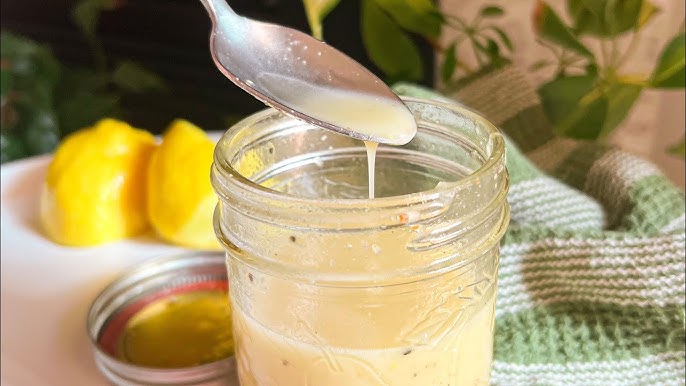
Lemon Dressing Recipe: Zingy, tangy, and incredibly fresh — a good lemon dressing can elevate your meal from average to exceptional. Whether you’re tossing it into a salad, drizzling it over grilled vegetables, or using it as a marinade, lemon dressing brings brightness and flavor to your table. The best part? It’s unbelievably easy to make at home, and you probably already have most of the ingredients in your pantry.
In this ultimate guide, we’ll walk you through everything from ingredients to the exact steps you need to make the most flavorful, well-balanced lemon dressing. Let’s get zesty!
Why You’ll Love This Lemon Dressing
There’s something magical about a well-made lemon dressing. It hits that perfect balance between acidic, salty, sweet, and savory. Here’s why it might become your go-to dressing:
- Fresh & Homemade: Store-bought dressings often come with preservatives and sugar overload. Making it at home ensures it’s clean and healthy.
- Quick & Easy: You can whip this up in 5 minutes or less. No cooking, no fuss.
- Versatile: This isn’t just for salads. Use it as a dip, marinade, or sauce over proteins and grains.
- Customizable: Want it spicy? Add chili flakes. Creamy? Add a spoon of Greek yogurt. The base is endlessly adjustable.
If you’re after something that brings both flavor and health benefits, lemon dressing is a win-win.
Health Benefits of Lemon Dressing
Lemon dressing doesn’t just taste great — it comes packed with health perks:
- Vitamin C Boost: Lemons are a rich source of vitamin C, which supports immunity and skin health.
- Heart-Healthy Fats: Using olive oil adds monounsaturated fats, which are good for heart health.
- Digestive Aid: Lemon juice can help stimulate digestion and improve metabolism.
- Antioxidants: Garlic and olive oil contain powerful antioxidants that reduce inflammation.
- Low in Calories: Unlike creamy dressings, this is light and waistline-friendly.
Incorporating lemon dressing into your meals can subtly improve your overall health without sacrificing flavor.
When to Use Lemon Dressing
Wondering when and where lemon dressing fits in your meals? The answer is: almost everywhere. Here’s how you can use it:
- Green Salads: Classic use. It makes greens like spinach, arugula, and kale pop with flavor.
- Pasta Salads: Swap out heavy mayo for this lighter option.
- Grain Bowls: Drizzle it over quinoa, rice, or farro with veggies and protein.
- Marinades: Use it to marinate chicken, tofu, or fish. The acid helps tenderize and infuse flavor.
- Roasted Veggies: Add after roasting to brighten the flavors.
- Sandwiches & Wraps: A quick smear of this dressing adds moisture and zest.
It’s that secret sauce that pulls your dish together — fresh, bold, and never overpowering.
Ingredients You’ll Need
Let’s break down the essentials for a classic lemon dressing. These ingredients are simple but powerful in flavor:
Fresh Lemons
- Use freshly squeezed juice for the best taste.
- Avoid bottled lemon juice — it’s often overly acidic and lacks freshness.
- You’ll need about 2-3 tablespoons of juice per batch.
Olive Oil
- Go for extra virgin olive oil for rich flavor and a velvety texture.
- It also helps emulsify and balance the acidity of lemon.
Dijon Mustard
- Acts as a natural emulsifier to keep the dressing from separating.
- Adds a mild, tangy kick that enhances the flavor profile.
Garlic
- Use one small fresh clove, grated or finely minced.
- Gives the dressing depth and complexity.
Honey or Maple Syrup
- Optional, but helps balance the sharpness of lemon and mustard.
- Use 1-2 teaspoons, adjusting to your preference.
Salt and Pepper
- Don’t skip these! They bring all the flavors into harmony.
- Freshly ground pepper adds a subtle kick.
Optional Add-ins for Flavor Variation
Want to put your own twist on the classic lemon dressing? Here are some tasty add-ons:
Fresh Herbs
- Chopped parsley, basil, thyme, or dill can add herbal freshness.
- Mix and match based on your dish.
Yogurt or Tahini
- For a creamier version, add 1 tablespoon of Greek yogurt or tahini.
- This makes it thicker and great as a dip or creamy salad dressing.
Spices Like Cumin or Chili Flakes
- Add a pinch of ground cumin for earthiness.
- Or toss in red chili flakes for a bit of heat.
Tools You’ll Need
You don’t need fancy gadgets to make this dressing, but a few basics help:
- Citrus Juicer – Manual or electric, for fresh juice.
- Whisk or Fork – To blend ingredients together.
- Mason Jar with Lid – For shaking and storing.
- Grater or Microplane – For garlic and optional zest.
- Measuring Spoons – For precision.
Simple tools, big flavor payoff.
How to Choose the Best Lemons
Before you even squeeze, picking the right lemons makes a difference:
- Look for bright yellow color – No green spots or brown patches.
- Squeeze Test – A good lemon should give slightly under pressure.
- Weight – Heavier lemons have more juice inside.
- Thin Skin – Thinner skin means more juice, while thick rinds are usually drier.
Great lemons = great flavor. It’s that simple.
Step-by-Step Guide to Making Lemon Dressing
Here’s your no-fail, foolproof guide to making restaurant-worthy lemon dressing at home:
Step 1: Juice the Lemons
Start by rolling the lemons on the counter to release more juice. Cut and squeeze them into a bowl, removing any seeds. Fresh lemon juice gives the dressing a bright, clean flavor that bottled juice can’t match.
Step 2: Add Mustard and Sweetener
Whisk Dijon mustard into the lemon juice. Add a sweetener such as honey, maple syrup, or sugar to balance the acidity. Stir until fully dissolved and smooth.
Step 3: Whisk in Olive Oil
Slowly drizzle olive oil into the mixture while whisking continuously. This gradual addition helps the dressing emulsify, creating a smooth and creamy texture instead of separating.
Step 4: Season with Salt, Pepper, and Garlic
Add salt and freshly ground black pepper to taste. Stir in finely minced garlic or garlic powder for extra depth. Adjust seasoning gradually to avoid overpowering the lemon.
Step 5: Blend or Shake for Emulsification
For a perfectly blended dressing, use a blender or shake everything in a sealed jar for 20–30 seconds. Taste and adjust as needed, then serve immediately or store refrigerated.
Taste Test and Adjustments
Now that your dressing is fully mixed, it’s time to taste and tweak it to your liking. This is where you turn a good dressing into a great one.
- Too Sour? Add a little more honey or maple syrup to balance the acidity.
- Too Oily? Add an extra splash of lemon juice to cut through the fat.
- Too Sharp? Let it sit for a few minutes. Garlic and mustard mellow out as they infuse.
- Needs Depth? Try a pinch more salt — you’d be surprised how much flavor it can bring out.
Pro tip: Dip a piece of lettuce or veggie into the dressing to taste instead of using a spoon. That gives you a better sense of how it’ll actually flavor your food.
Storage Tips and Shelf Life
Homemade dressings like this are fresher, but they do have a shorter shelf life than store-bought versions. That said, they still last quite well if stored properly.
- Refrigeration: Store your lemon dressing in a sealed mason jar or airtight container in the fridge.
- Shelf Life: It will stay good for up to 7 days, especially if there’s no dairy in it.
- Shake Before Use: Olive oil may solidify slightly in the fridge. Just let it sit at room temp for a few minutes and give it a shake.
- Freezing? Not recommended. The texture gets weird when thawed.
Keep it in the fridge and use throughout the week to add a punch of freshness to your meals!
How to Use Lemon Dressing in Recipes
Lemon dressing is your go-to flavor enhancer. Here’s how to use it in everyday cooking:
On Salads
- Toss it with mixed greens, spinach, arugula, or kale.
- Add nuts, seeds, fruit, or cheese for texture and richness.
- Try a combo of arugula, goat cheese, and walnuts for a gourmet bite.
As a Marinade
- Perfect for chicken, shrimp, tofu, or tempeh.
- The acidity helps tenderize proteins, while the oil helps it stick.
- Marinate for 30 mins to 2 hours before grilling or baking.
On Roasted Veggies
- Roast carrots, potatoes, or cauliflower and drizzle with lemon dressing while still hot.
- Adds brightness and contrast to caramelized, earthy flavors.
As a Grain Bowl Topping
- Pour over quinoa, farro, or couscous bowls with roasted veggies and protein.
- Top with seeds or nuts for crunch.
This dressing truly works across the board — once you make it, you’ll start finding new uses all the time.
Common Mistakes to Avoid
Making lemon dressing is simple, but these little slip-ups can affect the final flavor and texture:
- Using Bottled Lemon Juice: It lacks freshness and contains preservatives. Always go fresh.
- Skipping the Mustard: Dijon acts as an emulsifier, keeping the dressing together instead of separating.
- Overpowering with Garlic: A little goes a long way. Too much raw garlic can make it bitter or spicy.
- Not Whisking Properly: If you don’t emulsify the dressing well, it will separate into layers.
- Underseasoning: Dressing should be slightly stronger than what you’d normally taste, since it spreads out over the salad or dish.
Avoid these, and your lemon dressing will always come out bright, balanced, and delicious.
Lemon Dressing Variations to Try
Want to level up your lemon dressing? Try one of these easy variations to change the vibe while keeping the same base:
- Creamy Lemon Dressing: Add a tablespoon of Greek yogurt or mayo.
- Spicy Lemon Dressing: Add ½ tsp chili flakes or a dash of hot sauce.
- Herbed Lemon Dressing: Stir in chopped parsley, dill, or chives for extra freshness.
- Tahini Lemon Dressing: Add a spoonful of tahini and a splash of water to make it creamy and nutty.
- Lemon Basil Vinaigrette: Blend fresh basil leaves into the mix for a vibrant green color and punchy flavor.
Each of these adds a new twist that keeps your meals interesting.
FAQs about Lemon Dressing Recipe
1. Can I use lime juice instead of lemon juice in this recipe?
Yes, absolutely! Lime juice gives a slightly different tang but works just as well. It’s great with Mexican or tropical-style dishes.
2. How do I make the lemon dressing less acidic?
Try adding more olive oil or a small splash of water. You can also balance it out with a bit more honey or maple syrup.
3. Is this lemon dressing vegan?
It can be! Just use maple syrup instead of honey and make sure none of your add-ins contain dairy.
4. Can I make lemon dressing without mustard?
Yes, but it won’t emulsify as easily. You can try replacing mustard with tahini or Greek yogurt for a creamy base that still binds the oil and acid.
5. What’s the best oil substitute for olive oil?
Avocado oil is a great alternative — it’s neutral and healthy. You could also use grapeseed or sunflower oil in a pinch.
Conclusion
Lemon dressing is one of those magical condiments that takes just minutes to make but brings a huge payoff in flavor. With just a few simple ingredients — lemon juice, olive oil, mustard, and some seasoning — you can create a versatile dressing that works for everything from salads to marinades to grain bowls.
Making it at home gives you full control over what goes in (and what stays out), whether you want to keep it light, make it creamy, or spice things up. So the next time you’re staring into your fridge wondering what your meal needs… odds are, it needs a splash of lemon dressing.
Now go squeeze those lemons and shake things up!