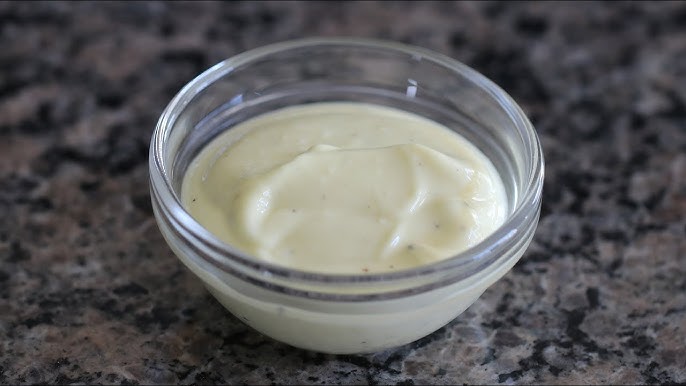
Lemon Aioli Recipe: Lemon aioli is like sunshine in a jar—it’s bright, creamy, garlicky, and packed with zesty lemon flavor. Originally, aioli comes from the Mediterranean region and is traditionally a garlicky emulsion of olive oil and garlic. But when you bring lemon into the picture, it completely elevates the sauce by adding a fresh, tangy twist that cuts through richness. Whether you drizzle it over roasted veggies, slather it on a burger, or use it as a dip for fries, lemon aioli adds that “oomph” that makes any dish shine.
This sauce is not just mayonnaise with a fancy name—it’s a flavor bomb. It brings balance to heavy or fried foods and adds sophistication to the simplest snacks. It’s incredibly versatile, and once you make it from scratch, you’ll never want to go back to store-bought again.
Why You’ll Love This Recipe
If you’re the type who likes flavor-packed condiments that are easy to make and impossible to forget, lemon aioli is going to be your new best friend. Here’s why people are obsessed with it:
- Fresh Ingredients: Nothing artificial—just wholesome, real flavors.
- Easy & Quick: Ready in under 10 minutes!
- Customizable: Add herbs, spices, or other citrus for new variations.
- Restaurant-Worthy: Tastes like something you’d get at a high-end bistro.
- Perfect for Meal Prep: Keeps well in the fridge for a week or more.
Once you try it, you’ll find yourself putting it on everything—from grilled chicken and fish to sandwiches and even as a salad dressing.
The Difference Between Aioli and Mayonnaise
Let’s clear up a common confusion: aioli and mayo are similar, but not the same. While they look alike and share some ingredients, the origins and flavor profiles set them apart.
- Mayonnaise is typically made with eggs, vinegar (or lemon juice), and neutral oil.
- Aioli is traditionally made by pounding garlic into a paste and slowly emulsifying it with olive oil—no eggs involved in the original versions.
Modern aioli recipes often include egg yolks and blend in garlic and lemon, blurring the line between aioli and mayo. Still, when you make it at home, you control the flavor, which makes it much more authentic than anything bottled.
Traditional vs. Modern Aioli – What’s the Deal?
Old-school Mediterranean aioli is pretty labor-intensive: it’s made by hand with a mortar and pestle, and the only ingredients are garlic and olive oil. No shortcuts, no extra stuff.
Modern aioli recipes, especially in American kitchens, tend to use a food processor or blender and include egg yolk to make emulsification easier. And while some purists may raise an eyebrow, the result is still delicious and way more approachable for home cooks.
Here’s a quick comparison:
| Feature | Traditional Aioli | Modern Aioli |
|---|---|---|
| Method | Mortar & Pestle | Blender/Food Processor |
| Ingredients | Garlic, Olive Oil | Garlic, Egg Yolk, Lemon, Oil |
| Texture | Dense and Intense | Smooth and Creamy |
| Flavor | Strong Garlic | Balanced Lemon-Garlic |
Culinary Uses of Lemon Aioli
So where can you use lemon aioli? Short answer: pretty much anywhere. It’s incredibly versatile and works in place of sauces, dressings, and dips. Here are some ideas:
- Dip: Perfect for fries, crudités, or calamari.
- Spread: Slather it on burgers, sandwiches, or wraps.
- Sauce: Drizzle over grilled meat, seafood, or roasted veggies.
- Salad Dressing Base: Thin it out with a bit of water or olive oil.
The bright lemon flavor cuts through rich or fried foods like a dream, making it an ideal pairing with fried chicken, crab cakes, or grilled asparagus.
List of Ingredients You’ll Need
Let’s break down what you’ll need to create this creamy, zesty sauce. Keep it simple, or add extras to make it your own.
Key Ingredients
- 1 large egg yolk – For emulsifying (pasteurized if concerned about raw eggs)
- 1 clove garlic – Finely minced or grated
- 1 tablespoon lemon juice – Fresh is a must!
- 1 teaspoon lemon zest – Adds that extra punch
- 1/2 teaspoon Dijon mustard – Helps stabilize the emulsion
- 1/2 cup neutral oil – Like grapeseed or sunflower oil
- 1/4 cup extra virgin olive oil – For flavor
- Salt to taste – Sea salt works best
- Optional: A dash of white pepper – For a little kick
Optional Add-Ins for Variation
- Fresh herbs (parsley, dill, basil)
- Smoked paprika
- Roasted garlic instead of raw
- A dash of honey or maple syrup for sweetness
- Chipotle or sriracha for heat
Kitchen Tools You’ll Need
Making lemon aioli is easier than it sounds, especially if you have the right tools. Here’s what you’ll need:
- Food processor or blender
- Mixing bowl and whisk (if going by hand)
- Microplane or zester
- Measuring spoons & cups
- Garlic press or grater
- Rubber spatula
- Glass jar or airtight container for storage
Having these ready will make your cooking process smooth and frustration-free.
How to Choose the Best Ingredients
Quality makes all the difference in a recipe like this. Because lemon aioli has so few ingredients, every one of them counts. Here’s what to look for:
- Lemon: Use organic if possible, especially if using the zest.
- Garlic: Fresh garlic is a must—skip pre-minced jars.
- Egg yolks: Use pasteurized if worried about raw eggs.
- Oils: Use a blend of neutral oil for texture and olive oil for flavor. Too much olive oil can make it bitter.
- Salt: Use flaky or sea salt for better control of flavor.
The fresher your ingredients, the more vibrant your aioli will taste. Think of this as the homemade version of something chefs obsess over in high-end kitchens—and you’re the chef now.
Step-by-Step Guide to Making Lemon Aioli
Step 1: Prep Your Ingredients
Gather everything before you start. You’ll need egg yolk, garlic, lemon juice, lemon zest, neutral oil or olive oil, salt, and white pepper or black pepper. Make sure all ingredients are at room temperature—this helps the aioli emulsify smoothly.
Step 2: Start with the Base
In a bowl, whisk the egg yolk with minced or grated garlic and a pinch of salt. Whisk until the mixture looks slightly thick and creamy. This base is the foundation of a stable aioli.
Step 3: Slowly Add Oil (Emulsifying)
Begin adding oil very slowly, just a few drops at a time, while whisking constantly. Once the mixture thickens and emulsifies, you can increase to a thin, steady stream. Keep whisking until the aioli becomes smooth, glossy, and thick.
Step 4: Add Lemon Juice & Zest
Whisk in fresh lemon juice and a bit of lemon zest. The juice adds brightness while the zest boosts citrus aroma. Add gradually and taste as you go to keep the balance right.
Step 5: Taste and Adjust Seasonings
Taste the aioli and adjust with more salt, lemon juice, or pepper if needed. If it’s too thick, whisk in a teaspoon of water. Serve immediately or refrigerate in an airtight container for up to 2 days.
Common Mistakes to Avoid
Making aioli can feel tricky at first, especially if you’ve never made an emulsion before. But don’t worry—we’ve all been there. Here are some common pitfalls and how to avoid them:
- Adding Oil Too Fast: This is the #1 reason aioli breaks. Add oil slowly—especially at the beginning.
- Using Too Much Olive Oil: Pure olive oil can turn bitter. Mix it with neutral oil.
- Cold Ingredients: Use room-temperature ingredients for a more stable emulsion.
- Overworking It: Once emulsified, don’t overblend—it can break the sauce.
- Skipping Lemon Zest: Trust us, it adds depth and makes the flavor pop.
Avoid these mistakes, and you’ll nail it every time.
Tips for Perfect Lemon Aioli Every Time
Want that restaurant-level quality? Here are some pro tips to keep in your back pocket:
- Use Fresh Ingredients Only: This is not the time for bottled lemon juice or pre-minced garlic.
- Emulsify with Patience: The slower you drizzle the oil, the better the emulsion.
- Don’t Skip the Dijon: It acts as a stabilizer and adds subtle flavor.
- Taste As You Go: Aioli is personal—adjust the acidity, salt, or garlic to your liking.
- Use a Blender or Immersion Blender for Ease: Great for beginners and saves time.
These small things make a big difference when it comes to flavor and texture.
How to Store Lemon Aioli
Your homemade aioli doesn’t have preservatives, so it won’t last as long as store-bought. But if stored right, it’ll stay fresh and flavorful for up to 7-10 days.
Here’s how to store it properly:
- Transfer to a glass jar with a tight-fitting lid.
- Label it with the date you made it.
- Store in the coldest part of your fridge, not the fridge door.
- Avoid double-dipping or introducing moisture into the jar.
Also, remember—if it smells off or the texture changes, it’s better to make a fresh batch. Better safe than sorry!
Shelf Life & Food Safety
If you’re wondering about safety due to the raw egg yolk, here’s what you need to know:
- Use pasteurized eggs if you’re concerned about bacteria.
- Keep it refrigerated at all times.
- Do not freeze aioli—it will separate and become watery.
- Always use clean utensils when serving or using.
As long as it’s kept cool and clean, your aioli should be safe and tasty for about a week.
Serving Suggestions
Once you’ve whipped up this golden, garlicky goodness, the real fun begins—eating it! Here’s where lemon aioli really shines:
- With Fries: Like ketchup, but a hundred times better.
- As a Burger Spread: Adds a gourmet flair to any burger.
- On Roasted Veggies: Try it with asparagus, carrots, or Brussels sprouts.
- With Seafood: Perfect on crab cakes, grilled shrimp, or fish tacos.
- As a Dip: For chicken tenders, fried zucchini, or fresh pita.
Honestly, anything you’d usually pair with mayo or ranch? Try aioli instead. It might just ruin you for regular condiments forever.
Lemon Aioli Variations You’ll Love
Now that you’ve mastered the basic recipe, let’s shake things up! These twists add personality and versatility to your aioli:
Herb Lemon Aioli
- Add chopped fresh parsley, dill, or basil.
- Great with roasted potatoes or grilled fish.
Spicy Lemon Aioli
- Mix in sriracha or chipotle powder.
- Amazing on sandwiches and wraps.
Roasted Garlic Lemon Aioli
- Roast a head of garlic and blend into the aioli.
- Smooth, mellow flavor—perfect with veggies.
Smoked Paprika Lemon Aioli
- Add a smoky depth that pairs well with grilled meats.
- Try it with lamb or BBQ chicken.
Honey Lemon Aioli
- Add a teaspoon of honey for sweet-savory contrast.
- Ideal for fried chicken sandwiches.
Get creative. This recipe is super adaptable—tweak it to suit your mood or the meal.
FAQs about Lemon Aioli Recipe
1. Can I make lemon aioli without eggs?
Yes! You can use aquafaba (chickpea liquid) as a vegan substitute, or use store-bought mayo as a base and skip the egg entirely.
2. What’s the best oil to use for lemon aioli?
Use a neutral oil (like sunflower or grapeseed) for the base and a bit of olive oil for flavor. Avoid strong olive oils—they can be bitter.
3. Is lemon aioli gluten-free?
Yes, this recipe is naturally gluten-free. Just double-check your mustard brand if you’re extremely sensitive.
4. Can I use bottled lemon juice?
Fresh lemon juice is highly recommended. Bottled juice often has preservatives and lacks the vibrant taste.
5. How do I fix broken aioli?
Whisk a fresh egg yolk in a bowl and slowly whisk in the broken aioli to re-emulsify it. Go slow, and it should come back together.
Conclusion
Lemon aioli might sound fancy, but it’s honestly one of the simplest—and most delicious—condiments you can make at home. With just a handful of fresh ingredients and a few minutes of whisking or blending, you’ll end up with a sauce that transforms any dish from average to absolutely mouthwatering.
It’s creamy, zesty, garlicky, and incredibly versatile. Once you’ve got the base down, you can experiment with flavors and add your own twist. Trust me, once you make it, you’ll be reaching for it again and again.