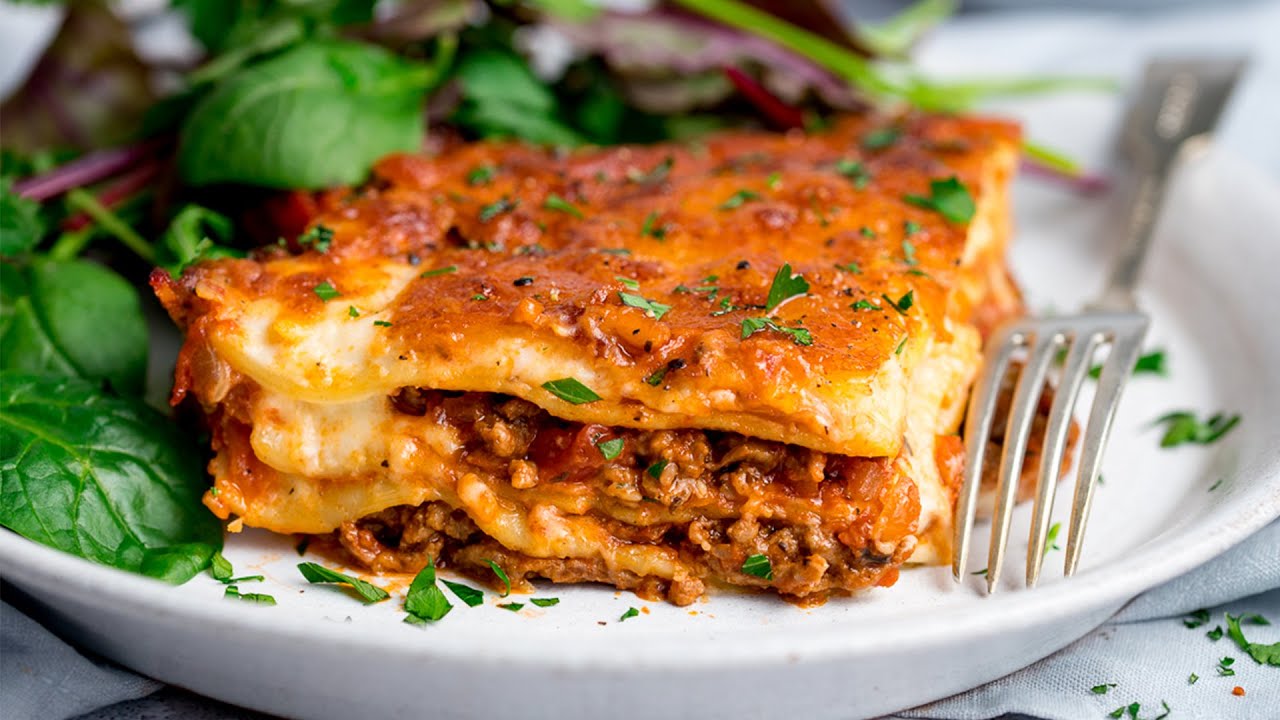
Lasagna Sauce Recipe: Lasagna without a rich, flavorful sauce is like pizza without cheese—it just doesn’t hit the same. Whether you’re aiming to recreate your nonna’s classic or elevate your weeknight dinner, nailing the sauce is half the battle (maybe even more). A great lasagna sauce doesn’t just sit between the layers; it soaks into the pasta, elevates the cheese, and brings the whole dish together. It’s the soul of your lasagna.
Many people overlook the importance of building a truly layered sauce from scratch. But when done right, it turns a good lasagna into an unforgettable one. Let’s break it all down, one step at a time.
Types of Lasagna Sauce
When someone says “lasagna sauce,” they could mean several different things. So before diving in, let’s look at the main types of sauces used in lasagna recipes.
Red Meat Sauce (Ragù or Bolognese)
This is the most common lasagna sauce. It’s thick, hearty, and made from ground beef, pork, or a mix of meats simmered with tomatoes and aromatics. The longer it cooks, the better it tastes.
White Béchamel Sauce
Used in traditional Northern Italian lasagna, especially in Lasagna alla Bolognese. It’s made from butter, flour, and milk and adds a creamy, silky layer between the pasta and meat sauce.
Vegetarian Lasagna Sauce
Who says lasagna can’t be meatless? Sauces made from lentils, mushrooms, zucchini, or spinach can pack just as much flavor. Tomato is still the base, but the richness comes from well-roasted veggies and spices.
Each sauce has its charm. For this article, we’ll be focusing on the classic red meat lasagna sauce, because it’s the most requested and beloved version out there.
What Makes the Perfect Lasagna Sauce?
Not all lasagna sauces are created equal. The perfect one is:
- Rich and meaty without being greasy
- Smooth and thick, but still saucy enough to coat each layer
- Flavorful and layered, with herbs, garlic, and wine adding complexity
Balance is key. Too sweet and it tastes like candy. Too sour and it overpowers everything. And if it’s too watery? Your lasagna becomes a soggy mess.
The secret lies in slow cooking, using fresh aromatics, and building flavors step by step. Let’s get to the ingredients.
List of Ingredients You’ll Need
Here’s everything you’ll need to craft the ultimate meat lasagna sauce from scratch:
Main Ingredients:
- Olive oil – 2 tablespoons
- Yellow onion – 1 large, finely chopped
- Garlic cloves – 4, minced
- Ground beef – 1 lb (85% lean)
- Ground pork or Italian sausage – ½ lb (optional but adds depth)
- Crushed tomatoes – 2 cans (28 oz each)
- Tomato paste – 2 tablespoons
- Red wine – ½ cup (optional, for deglazing)
- Beef broth or water – ½ cup
- Salt – 1½ teaspoons (to taste)
- Black pepper – 1 teaspoon
- Sugar – 1 teaspoon (balances acidity)
- Dried oregano – 1 teaspoon
- Dried basil – 1½ teaspoons
- Bay leaf – 1
Optional Flavor Boosters:
- Red pepper flakes – a pinch (for heat)
- Parmesan rind – adds umami
- Fresh parsley or basil – for garnish
- A splash of balsamic vinegar – for richness
Using high-quality ingredients makes a real difference. Choose canned San Marzano tomatoes if possible, and fresh herbs over dried when you can.
Tools and Equipment Required
Before you start cooking, make sure you have these kitchen essentials ready:
Must-Haves:
- Large heavy-bottomed saucepan or Dutch oven
- Wooden spoon or silicone spatula
- Chef’s knife and chopping board
- Can opener
- Measuring cups and spoons
Nice-to-Haves:
- Garlic press (for super fine garlic)
- Food processor (if you like smoother sauce)
- Splatter guard (for tomato simmering)
- Ladle (for portioning and layering)
With everything prepped and ready, let’s walk through the step-by-step cooking process for the perfect lasagna sauce.
Step-by-Step Guide to Making Classic Meat Lasagna Sauce
This recipe yields enough sauce for a 9×13 inch lasagna with 3–4 generous layers. Prep time is about 20 minutes, and simmering takes around 1.5–2 hours (totally worth it).
Let’s dive into the steps!
Step 1: Preparing Your Ingredients
Finely chop onions, carrots, and celery for a balanced base. Mince garlic and set aside. Prepare your meat (ground beef or a beef–pork mix) and measure herbs like basil, oregano, and bay leaf. Having everything ready keeps the cooking smooth and controlled.
Step 2: Sauté the Aromatics
Heat olive oil in a large pot over medium heat. Add onions, carrots, and celery, cooking for 5–7 minutes until soft and lightly golden. Add garlic and cook for 30 seconds. Proper caramelization adds sweetness—avoid high heat to prevent burning.
Step 3: Browning the Meat
Add the ground meat to the pot. Break it up with a spoon and spread it out so it browns evenly. Let it sear before stirring too much. Proper browning builds deep, savory flavor and avoids clumping.
Step 4: Deglazing the Pan
Pour in a splash of red wine or beef broth. Scrape the bottom of the pot to lift all the browned bits. This step captures concentrated flavor and adds richness to the sauce.
Step 5: Adding Tomatoes and Simmering
Add crushed tomatoes, tomato paste, and a bay leaf. Stir well and bring to a gentle simmer. Reduce heat to low and simmer uncovered for 30–45 minutes, stirring occasionally. Slow simmering allows flavors to meld and the sauce to thicken naturally.
Step 6: Seasoning and Tasting
Season with salt and black pepper. Taste and adjust—add a pinch of sugar if the sauce is too acidic, or more herbs for depth. Balance is key.
Step 7: Letting the Sauce Rest
Remove from heat and let the sauce rest for 10–15 minutes. Resting allows flavors to settle and deepen. Use immediately for lasagna or cool and refrigerate for up to 3 days. The flavor improves overnight.
Tips for Storing and Freezing Lasagna Sauce
Lasagna sauce is a great make-ahead recipe. It stores beautifully and actually tastes better the next day after the flavors have had time to develop.
Storage Tips:
- Store in airtight containers in the fridge for up to 5 days.
- For longer storage, freeze in freezer-safe containers or zip-top bags for up to 3 months.
- Freeze in individual portions for easier use.
Reheating:
- Reheat slowly on the stove over low heat.
- Add a splash of water or broth if it has thickened too much.
- Avoid microwaving from frozen—always thaw overnight in the fridge for best texture.
Common Mistakes to Avoid
Even seasoned cooks can mess up a lasagna sauce. Let’s make sure you avoid these rookie errors:
Mistake #1: Not Cooking the Meat Properly
If you don’t brown your meat, your sauce will be greasy and bland. Always cook it thoroughly and caramelize it.
Mistake #2: Rushing the Simmer
Great sauce takes time. A 15-minute simmer won’t do it justice. Let it go for at least 60 minutes.
Mistake #3: Overseasoning Too Early
Herbs like oregano can become bitter if cooked too long. Add dried herbs mid-way or at the end of simmering.
Mistake #4: Not Tasting Before Final Use
Your sauce is done when it tastes balanced. Always taste and adjust salt, sugar, and acidity before layering into your lasagna.
Customizing Your Lasagna Sauce
Want to make it your own? Here’s how:
For Vegetarians:
- Replace meat with diced mushrooms, lentils, or zucchini
- Add a spoon of miso paste or soy sauce for depth
For a Spicy Kick:
- Add Italian sausage with spice
- Toss in crushed chili flakes or a dash of hot sauce
Want It Creamier?
- Stir in a splash of cream or ricotta at the end
- Add a cheese rind during simmering for umami
This sauce is your canvas—get creative.
FAQs about Lasagna Sauce Recipe
1. Can I make lasagna sauce ahead of time?
Yes! In fact, it tastes better the next day. Store in the fridge for up to 5 days or freeze for longer.
2. How do I thicken watery lasagna sauce?
Simmer it uncovered to let liquid evaporate. You can also stir in a bit more tomato paste.
3. Can I use store-bought sauce for lasagna?
You can, but it won’t have the same depth. Homemade sauce is more customizable and flavorful.
4. Is wine necessary in lasagna sauce?
No, but it enhances the flavor. You can substitute beef broth or simply skip it.
5. How long should I simmer lasagna sauce?
At least 60 minutes, but 90–120 minutes is ideal for deep flavor.
Conclusion
There you have it—a full step-by-step breakdown of the ultimate lasagna sauce recipe. From browning the meat to the final simmer, every stage builds the deep, rich flavor that defines a great lasagna. Sure, it takes time, but the reward is so worth it. Whether you’re prepping for a Sunday family dinner or meal-prepping for the week, this sauce will elevate your lasagna game from good to gourmet.
So next time you think about reaching for that jar on the grocery shelf, remember—you’ve got the skills (and this guide) to do it better.