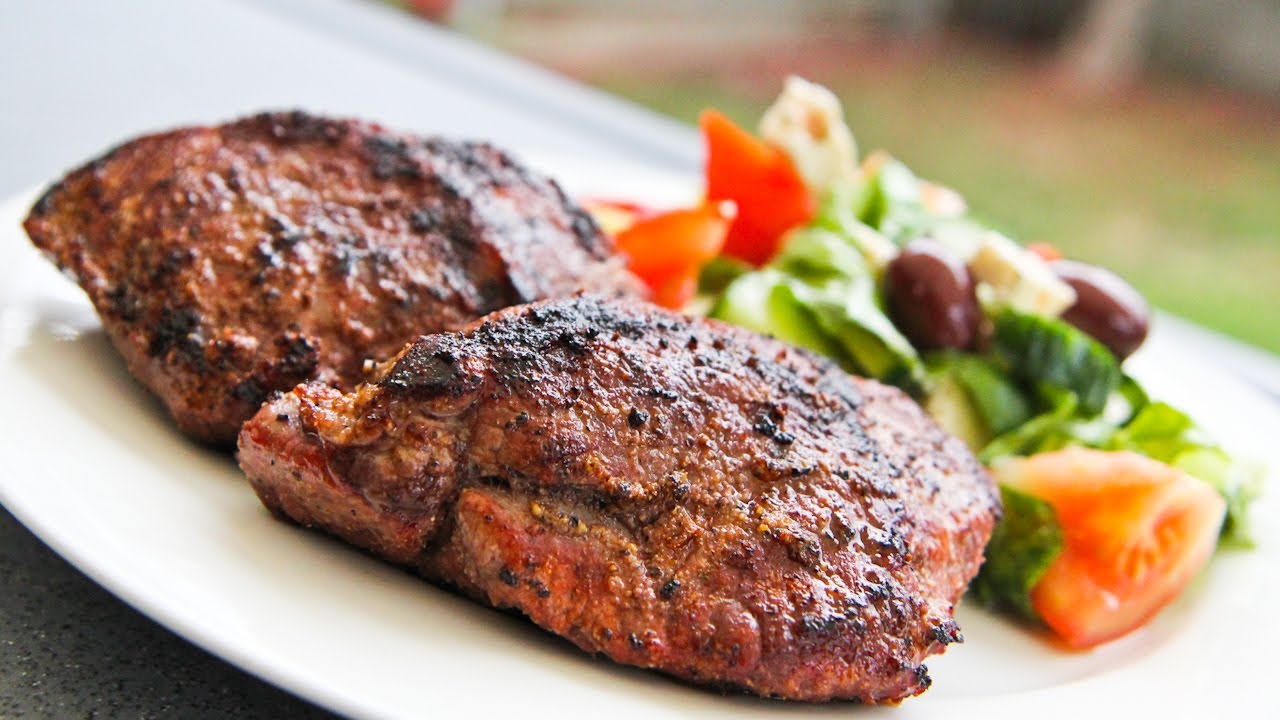
Lamb Steak Recipe: There’s something deeply satisfying about the sizzle of a juicy lamb steak hitting a hot pan. Lamb steaks are rich, flavorful, and incredibly versatile. Whether you’re a seasoned home chef or a complete beginner looking to impress at dinner, this recipe delivers everything you need for a restaurant-quality lamb steak cooked right in your own kitchen.
This guide will walk you through exactly how to prepare, marinate, cook, and serve lamb steaks that are tender, flavorful, and cooked to perfection. From choosing the right cut to the final juicy bite, every step is simplified for a flawless cooking experience.
Why Lamb Steak is a Must-Try Dish
If you’ve never tried lamb steak before, you’re seriously missing out. Lamb has a rich, slightly gamey flavor that’s deeper than beef but more approachable than wild game. It’s a culinary sweet spot for those who love bold flavors without going too far off the traditional track.
Lamb steaks are also quick to cook and perfect for both special occasions and weeknight dinners. Whether pan-seared, grilled, or oven-finished, lamb offers a complexity of flavor that beef and chicken just can’t compete with.
Another big plus? Lamb absorbs marinades like a sponge, giving you incredible flavor payoff with very little effort. It’s also surprisingly versatile—you can go Mediterranean, Indian, French, or even BBQ style depending on your mood.
Health Benefits of Lamb Meat
Lamb is not just about flavor; it’s also packed with nutrients. Here are a few reasons why lamb can be a great addition to your diet:
- High-Quality Protein: Lamb is rich in essential amino acids your body needs to build muscle.
- Rich in Iron: Lamb contains heme iron, which is easier for your body to absorb than plant-based iron.
- Loaded with B Vitamins: Especially B12, which supports nerve function and energy levels.
- Source of Healthy Fats: Grass-fed lamb contains omega-3 fatty acids, similar to those found in fish.
That said, lamb is best enjoyed in moderation due to its higher fat content compared to leaner meats. Still, when prepared right, it can be part of a balanced and satisfying meal.
Choosing the Right Cut of Lamb for Steak
Not all lamb is created equal when it comes to steak. Picking the right cut is half the battle to achieving that melt-in-your-mouth texture.
Best Cuts for Grilling or Pan-Searing
- Lamb Leg Steaks: These are thick, meaty, and ideal for quick, high-heat cooking.
- Loin Chops: Often referred to as “mini T-bones,” they cook quickly and have great flavor.
- Shoulder Chops: More budget-friendly and flavorful, though slightly tougher.
Bone-In vs. Boneless Lamb Steaks
- Bone-In Steaks offer more flavor but can be trickier to cook evenly.
- Boneless Steaks are easier to manage and marinate more thoroughly.
For beginners, boneless leg steaks are highly recommended due to their forgiving texture and rich taste.
How to Source Quality Lamb Meat
High-quality lamb makes a huge difference in flavor and texture. Here’s how to find the good stuff:
- Go Local: Local butchers or farmers’ markets often have better quality than big-box stores.
- Grass-Fed: Look for grass-fed lamb for a leaner, more flavorful bite.
- Fresh vs. Frozen: Always opt for fresh if available. If frozen, ensure it’s vacuum-sealed and thawed slowly in the fridge.
Check the color—it should be rosy pink to red, not brown. Also, marbling (those little white fat streaks) is a good sign—it adds flavor and moisture during cooking.
Essential Kitchen Tools You’ll Need
Having the right tools makes all the difference when cooking lamb steak. Here’s your must-have list:
- Cast-iron skillet or grill pan
- Meat thermometer
- Tongs (metal, not plastic)
- Sharp knife
- Cutting board (preferably wooden)
- Mixing bowl for marinade
- Aluminum foil (for resting the meat)
Optional but helpful: kitchen timer, basting brush, and garlic press.
List of Ingredients You’ll Need
Here’s your shopping list broken down into sections:
Main Ingredients
- 2 boneless lamb leg steaks (about 1 inch thick)
- 2 tablespoons olive oil
- Salt (kosher or sea salt)
- Freshly ground black pepper
Optional Marinade Ingredients
- 3 cloves garlic (minced)
- 1 tablespoon fresh rosemary (chopped)
- 1 tablespoon fresh thyme (chopped)
- Zest of 1 lemon
- 1 tablespoon balsamic vinegar or red wine vinegar
- 1 teaspoon Dijon mustard
For Garnishing
- Chopped parsley
- Lemon wedges
- Flaky sea salt for finishing
All these ingredients are pantry-friendly and easy to find. You don’t need anything fancy—just a few simple elements that come together to create bold, complex flavor.
How to Marinate Lamb Steaks
Marinating is where the magic begins. A good marinade not only tenderizes the meat but infuses it with deep, savory notes.
- Mix all marinade ingredients in a bowl: olive oil, garlic, herbs, lemon zest, vinegar, and mustard.
- Place the lamb steaks in a zip-top bag or shallow dish and pour the marinade over them.
- Massage the meat gently so the marinade gets into all the crevices.
- Cover and refrigerate for at least 1 hour, but ideally 4–6 hours. Overnight is even better!
Marination Time Recommendations
- Minimum: 1 hour
- Ideal: 4–6 hours
- Maximum: 24 hours (avoid over-marinating or the meat may turn mushy)
Flavor Boosting Tips
- Add a splash of wine or Worcestershire sauce for complexity.
- Use yogurt for a tangy, tenderizing effect if you’re going for Mediterranean or Indian flavors.
- Always pat dry the steaks before cooking to avoid steaming them in the pan.
Step-by-Step Guide to Cooking Lamb Steaks
Now let’s get into the heart of the recipe—the actual cooking process. Follow these steps carefully, and you’ll get a beautifully seared lamb steak that’s juicy, flavorful, and perfectly cooked.
Step 1: Prepping the Meat
Take your marinated lamb steaks out of the fridge and pat them dry with paper towels. This step is important—excess marinade on the surface can prevent proper searing and lead to steaming instead of browning.
Once dry, let them sit at room temperature for 20–30 minutes. Cooking cold meat straight from the fridge causes uneven cooking and can make the outside cook too fast while the inside stays raw.
Step 2: Marinating for Flavor
If you haven’t already marinated, now’s your chance. You can also opt for a dry rub with just salt, pepper, and herbs if you’re in a rush. However, a proper marinade, as mentioned earlier, adds extra flavor and tenderness.
Pro Tip: Always discard leftover marinade or boil it if you plan to use it as a sauce to eliminate any bacteria from raw meat.
Step 3: Bringing Meat to Room Temperature
Don’t skip this step! Lamb cooks best when it starts close to room temp. It helps with even heat distribution, and you won’t end up with an overcooked exterior and undercooked center.
Step 4: Preheating the Pan or Grill
Use a heavy skillet like a cast-iron pan or a gas grill for best results. Preheat until it’s smoking hot—you want a strong sear on the outside to lock in the juices.
Drizzle a bit of olive oil on the pan or brush your grill grates lightly to avoid sticking.
Step 5: Cooking the Lamb Steak
Place the lamb steaks onto the hot pan or grill. Don’t move them immediately—let them form a nice crust.
- For medium-rare: Cook for 3–4 minutes per side.
- For medium: 4–5 minutes per side.
- For well-done: 5–6 minutes per side, but beware—it may dry out.
Use tongs to flip, not a fork. You don’t want to pierce the meat and let all the juices escape.
Step 6: Checking for Doneness
Use a meat thermometer to check internal temperatures:
| Doneness | Internal Temp | Texture |
|---|---|---|
| Rare | 120–125°F | Very soft |
| Medium-Rare | 130–135°F | Soft and springy |
| Medium | 140–145°F | Firm but juicy |
| Well-Done | 150–160°F+ | Firm and dry |
Press with your finger if you don’t have a thermometer. Rare feels soft, medium is springy, and well-done is firm.
Step 7: Resting the Steak Before Serving
This step is non-negotiable. After removing the steaks from heat, place them on a plate and cover loosely with foil. Let them rest for 5–10 minutes. This allows the juices to redistribute inside the meat instead of spilling out onto the plate.
How to Serve Lamb Steak
Now that your steak is resting, let’s talk about presentation. You’ve put in the work, and now it’s time to serve it like a pro.
Plating Tips
- Slice the lamb steak against the grain for maximum tenderness.
- Arrange slices in a fanned-out shape for visual appeal.
- Drizzle any resting juices over the top.
- Add a sprinkle of flaky sea salt, fresh parsley, or even a touch of olive oil.
Side Dish Pairing Ideas
Lamb pairs beautifully with a variety of sides. Here are some of our favorites:
- Roasted Garlic Mashed Potatoes
- Grilled Asparagus or Zucchini
- Minted Peas or Green Beans Almondine
- Couscous with Dried Fruit and Herbs
- Garlic Herb Rice or Lemon Quinoa
Want something bold? Try it with chimichurri, tzatziki, or a balsamic reduction.
Lamb Steak Temperature Guide
Knowing the perfect temperature for your steak is key to nailing the final result. Here’s a handy guide:
| Doneness | Internal Temp (°F) | Color Inside |
|---|---|---|
| Rare | 120–125°F | Bright red |
| Medium-Rare | 130–135°F | Warm pink center |
| Medium | 140–145°F | Slightly pink |
| Medium-Well | 145–150°F | Mostly brown |
| Well-Done | 150–160°F+ | Fully cooked |
Always let the meat rest after reaching the target temperature. Residual heat can raise the temp by another 5°F.
Tips for a Perfect Lamb Steak Every Time
Want to make sure your lamb steak turns out amazing every single time? Here are a few expert-level hacks:
- Dry the steaks thoroughly before cooking for the best sear.
- Use a heavy-bottomed skillet or cast-iron pan for even heat distribution.
- Don’t overcrowd the pan—cook one or two at a time to avoid steaming.
- Let steaks rest before and after cooking.
- Invest in a meat thermometer—guessing leads to overcooking.
Common Mistakes to Avoid When Cooking Lamb Steak
Even seasoned cooks sometimes mess up. Here are the most common pitfalls and how to dodge them:
- Skipping the marinade: Even a quick 30-minute soak improves flavor and tenderness.
- Cooking cold meat: Let it warm up before hitting the pan.
- Overcooking: Lamb dries out fast—use a thermometer and remove before it’s fully cooked.
- Not letting it rest: You’ll lose all the juices if you cut into it too soon.
- Too much flipping: Set it and forget it (for a few minutes at least).
Storage and Reheating Instructions
If you’ve got leftovers (lucky you), here’s how to store and reheat them like a pro:
- Fridge: Store in an airtight container for up to 3 days.
- Freezer: Wrap tightly in foil or plastic wrap and freeze for up to 2 months.
How to Reheat Without Drying Out
- Stovetop: Reheat slices in a pan with a splash of water or broth, covered, on low heat.
- Oven: Wrap in foil and warm at 300°F until heated through.
- Microwave: Not ideal, but possible—use short bursts and cover with a damp paper towel.
Avoid high heat when reheating—lamb can go from juicy to dry in a flash.
FAQs about Lamb Steak Recipe
1. How long should I cook lamb steak?
It depends on thickness and desired doneness. For a 1-inch steak, 3–5 minutes per side works for medium-rare to medium. Always use a meat thermometer for accuracy.
2. Should lamb be marinated overnight?
Yes! Overnight marinating enhances flavor and tenderizes the meat. If short on time, aim for at least 1 hour.
3. Can I cook lamb steak in the oven?
Absolutely. Sear it first on the stovetop, then finish in a 375°F oven until it reaches your preferred temperature.
4. What wine pairs best with lamb steak?
Red wines like Syrah, Cabernet Sauvignon, or Malbec pair beautifully with the rich flavor of lamb.
5. How do I know when lamb is cooked?
Use a meat thermometer! For medium-rare, aim for 130–135°F. The texture should feel springy to the touch.
Conclusion
Cooking the perfect lamb steak might sound intimidating, but once you understand the basics—marinate, sear, rest—you’ll realize it’s actually super simple. With the right cut, a flavorful marinade, and a hot pan, you’ll create a dish that’s juicy, bold, and better than anything you’d order out.
Try this recipe the next time you want to treat yourself or impress your guests. Whether it’s a weeknight dinner or a special celebration, lamb steak is the kind of meal that feels luxurious without being fussy.